


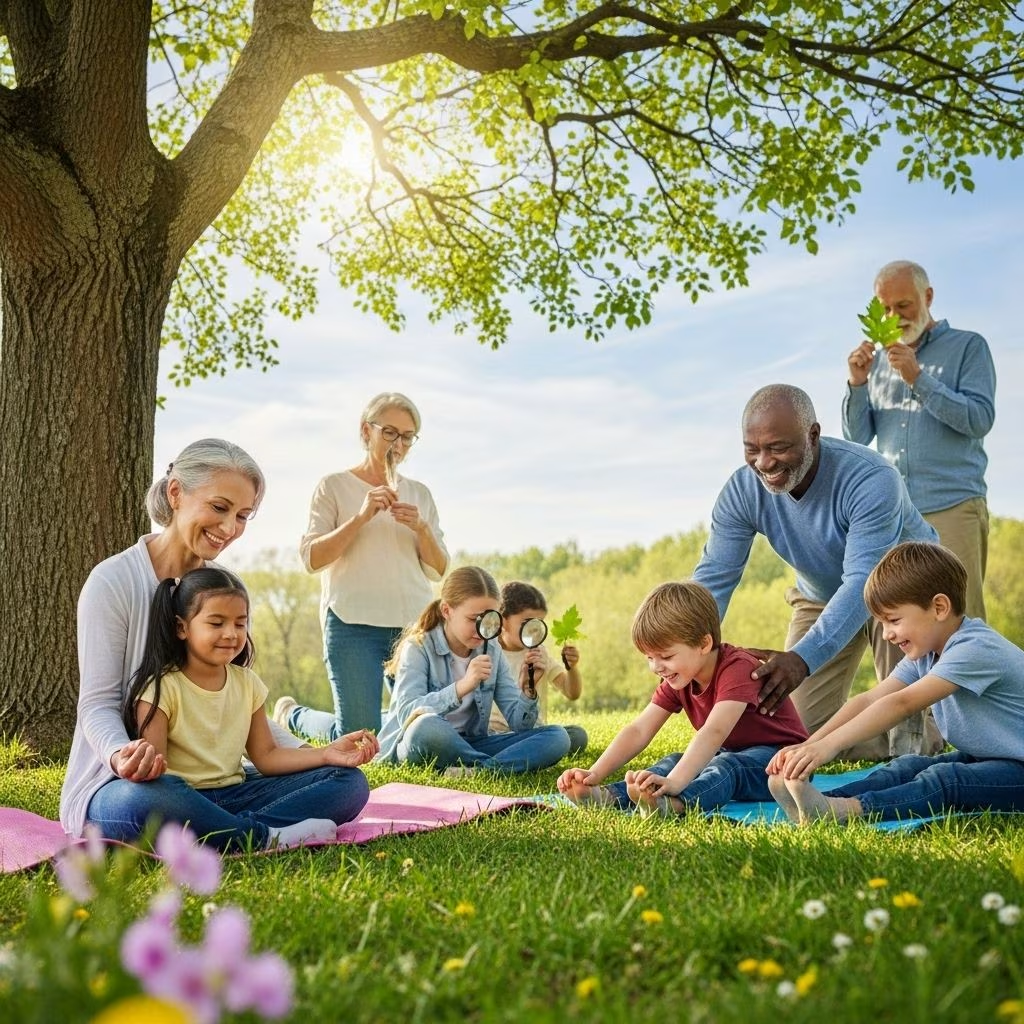
Introduction: The Importance of Talking to Grandparents About Kids’ Mindfulness
Mindfulness—the practice of paying attention to the present moment with openness and curiosity—has become an influential part of child development and mental wellness strategies. As parents introduce mindfulness to children, it’s essential to consider grandparents’ roles in this journey. Grandparents represent wisdom, tradition, and emotional security. Including them deepens the intergenerational bond and supports children’s emotional growth in unique ways.
Involving grandparents creates broader networks of support and offers a chance for older generations to both learn and teach practices that promote calm, emotional awareness, and resilience. This article explores how to discuss mindfulness with grandparents, explains the benefits, and offers practical ways for families to practice together.
Mindfulness Basics: What Grandparents Need to Know
Mindfulness means paying purposeful, non-judgmental attention to what’s happening right now—inside us and around us.
- Definition: “Paying attention to the present moment without judgment.”
- Two types of mindfulness:
- Formal practice — dedicated time for meditation, breathing exercises, or yoga.
- Informal practice — short, simple activities woven into daily life, like paying attention while walking or eating.
- Key goal: To nurture self-awareness, emotional regulation, and attention.
Mindfulness is rooted in ancient meditation traditions but is now widely accepted by psychologists and educators as a way to promote psychological well-being—even for very young children.
Mindfulness Benefits for Children
- Enhances emotional regulation and self-awareness
- Reduces stress and anxiety
- Improves focus and attention skills
- Fosters resilience and healthy coping mechanisms
- Encourages kindness, gratitude, and empathy
Why Involve Grandparents in Kids’ Mindfulness Practice?
Grandparents play a unique role in nurturing children. Their experience and emotional wisdom can amplify the positive impact of mindfulness. Including grandparents in children’s mindfulness practice offers several advantages:
- Strengthens family connection
Mindful activities create meaningful, present-moment interactions and deepen family bonds. - Preserves family traditions
Grandparents can link mindfulness with family values, rituals, or spiritual practices. - Models emotional intelligence
Grandparents who practice mindfulness model emotional regulation, calm, and empathy for younger generations. - Offloads parental stress
Grandparents who understand and support mindfulness can provide vital help during stressful times for parents and children. - Supports learning for all ages
Mindfulness offers benefits at every stage of life, allowing grandparents to grow alongside their grandchildren.
Intergenerational Mindfulness: Evidence and Stories
Studies show that children aged 7–11 benefit from mindfulness practice: they express more satisfaction with life, better manage emotions, and develop a positive outlook. Many grandparents report feeling more present and connected with grandchildren after engaging in mindful activities together.
How to Communicate Mindfulness Concepts to Grandparents
Approaching grandparents about mindfulness involves sensitivity, context, and clear information. Many may be new to the topic, have misconceptions, or connect the practice to spiritual traditions unfamiliar to them.
- Start with simple definitions: “Mindfulness is about being aware of what you’re doing right now, without getting stuck in worry or distractions.”
- Explain its purpose for children: “It helps kids notice their feelings, calm down when upset, and pay attention better.”
- Share stories, not just facts: Describe how mindful breathing calms a child before bed, or how a mindful walk together became a cherished memory.
- Reassure them that mindfulness is secular: Mindfulness can fit any belief system; it’s a practical tool, not a religious ritual.
Sample Dialogue
| Parent or Child | Grandparent |
|---|---|
| “We’ve started practicing some calming breaths with the kids when things get overwhelming. It really helps them settle down.” | “How does that work? I’ve heard of meditation but never tried it.” |
| “It’s simple. We imagine blowing up a balloon with deep breaths, or watch glitter settle in a jar when we’re upset. Would you like to try it with them one day?” | “That sounds easy—and fun! I’d love to try.” |
Suggested Mindfulness Activities for Grandparents and Grandchildren
Introduce grandparents to simple, practical activities suited for all ages and comfort levels:
- Mindful Breathing: Teach kids and grandparents to take slow, gentle breaths—balloon breath, starfish breathing (tracing fingers while inhaling and exhaling).
- Nature Walks: Practice mindful walking together outdoors, noticing sights, smells, and sounds; discuss what you see and how it makes you feel.
- Glitter Bottle Calm: Make a DIY glitter bottle; watch the movement together to model patience and use as a visual for calming down.
- Five Senses Exploration: Play “I Spy” using sight, sound, touch, taste, and smell, helping kids and grandparents anchor themselves in the moment.
- Pebble Meditation: Read ‘A Handful of Quiet: Happiness in Four Pebbles’ together and use the pebbles for a brief meditative exercise about gratitude and calm.
- Belly Breathing with a Buddy: Use a stuffed animal for children to practice gentle belly breathing while lying beside grandparents.
- Mindful Storytelling: Share stories mindfully—read slowly, pause to notice emotions and ideas, encourage children to reflect on how stories make them feel.
- Pleasure Gazing: Spend a few minutes simply looking at each other, noticing beautiful features and expressing gratitude or admiration.
Activities Table: Mindful Moments for Families
| Activity | Purpose | How-To |
|---|---|---|
| Balloon Breath | Calming body & mind | Imagine blowing up a balloon with deep breaths, then let air out slowly. |
| Starfish Breathing | Slow focus, sensory grounding | Trace hand, inhale/exhale with each finger. |
| Mindful Walking | Presence in nature | Walk slowly outdoors, name things you see/hear/smell. |
| Pebble Meditation | Stress relief | Hold a pebble, think about gratitude or peace. |
| Calming Glitter Bottle | Visual cue for patience | Shake bottle, watch glitter settle, breathe slowly. |
| Belly Breathing | Emotional self-soothing | Place stuffed animal on belly, breathe together with the child. |
Creating a Mindfulness Care Package
Grandparents can send or bring gifts to encourage mindful play. Ideas include:
- A board book focused on mindfulness and breathing (e.g., ‘Breathe Like a Bear’)
- Handmade glitter bottles or sensory toys
- Pebble sets for gratitude practices
- Notes or cards suggesting mindfulness activities to try together
Addressing Common Questions and Concerns
It’s natural for grandparents to have questions or uncertainties about mindfulness. Parents can help by addressing common issues and concerns:
- “Is mindfulness religious?”
It’s taught widely in secular settings, including schools and therapy offices. Mindfulness is about being present, not adhering to particular beliefs. - “Will kids really benefit from this?”
Research shows even simple practice helps kids feel calmer, regulate emotions, and focus better; children report enjoying these activities. - “I’m not a meditator. Can I still help?”
Mindfulness is adaptable—reading slowly, walking in nature, and cuddling quietly all count. - “Will this replace family traditions?”
Mindfulness blends easily with rituals, storytelling, prayer, or gratitude activities already part of family culture.
Supporting Grandparent Involvement: Tips for Parents
Parents have a key role in helping grandparents feel comfortable, valued, and equipped to participate meaningfully.
- Share resources: Offer books, printouts, or video links with practical guidance.
- Invite participation, not perfection: Emphasize the joint experience over doing activities “correctly.”
- Model mindfulness yourself: Grandparents are more likely to embrace new ideas when they see genuine benefits for children.
- Encourage questions and reflection: Validate concerns and invite grandparents to share their own wisdom about calm, patience, and emotional care.
- Celebrate progress, not outcomes: Mindfulness is about the moment, not mastery.
- Respect boundaries and differences: Some may feel uncomfortable with meditation or breathwork—offer alternatives like mindful listening or gratitude journaling.
Frequently Asked Questions
Q: What if a grandparent is skeptical about mindfulness?
A: Address their concerns by explaining that mindfulness is increasingly used in schools and healthcare settings. Offer evidence of its benefits and invite them to experience a simple activity before forming an opinion.
Q: How much time should we spend on mindfulness with kids?
A: Mindfulness can be woven into daily life—a few minutes at a time is valuable. The key is regular practice and maintaining a relaxed, non-judgmental approach.
Q: Are there age limits for practicing mindfulness?
A: No. Babies, toddlers, preschoolers, and adults all benefit—though activities and expectations will look different for each stage.
Q: Can mindfulness be practiced remotely with grandchildren?
A: Yes! Grandparents can share mindful stories over video calls, guide breathing exercises, or participate in sensory games even from a distance.
Q: What role do cultural or spiritual traditions play in mindfulness?
A: Mindfulness can complement family traditions, holidays, and rituals; it doesn’t have to replace them. Grandparents can help relate new practices to familiar values or stories.
Conclusion: Building Mindful Bridges Across Generations
Talking to grandparents about kids’ mindfulness practice is a profound opportunity to strengthen intergenerational bonds and support child development. By sharing clear definitions, explaining benefits, and inviting participation, families foster environments rich in calm, connection, and emotional growth. Mindfulness is not just a tool—it’s a shared journey that can bring joy, insight, and healing to every generation. With patience, openness, and creativity, parents, grandparents, and children can discover the magic of mindful moments together.
References
- https://www.pamsiegel.com/blog/articles/2022/5/10/mindful-grandparenting
- https://www.morethangrand.com/blog/helping-your-grandkids-handle-stress-a-mindfulness-care-package
- https://www.zerotothree.org/resource/mindfulness-practices-for-families/
- https://parade.com/living/things-parents-grandparents-do-to-raise-self-aware-children-according-to-psychologists
- https://shirleyshowalter.com/books/the-mindful-grandparent-the-art-of-loving-our-childrens-children/
- https://insighttimer.com/lindagrobert/guided-meditations/meditation-for-grandparents-a-loving-connection
- https://www.grandparentslink.com/experts-corner/a-most-personal-and-mindful-discovery-as-a-parent-and-grandparent/
- https://jewishgrandparentsnetwork.org/family-room/mindful-walking-with-kids-and-teens/


