


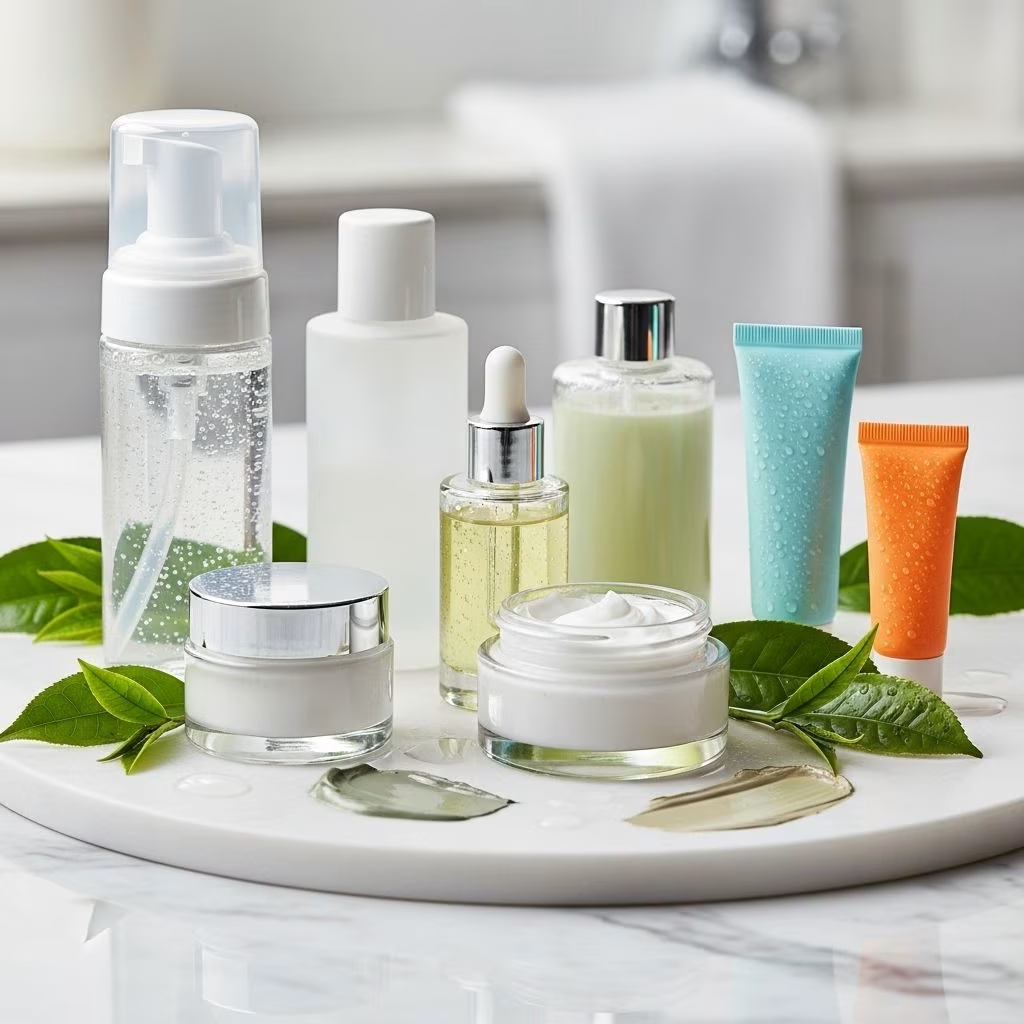
Understanding Oily Skin with Texture Issues
Oily skin is characterized by overactive sebaceous glands, leading to excess sebum production, a shiny complexion, and enlarged pores. When combined with texture issues—such as roughness, small bumps, and unevenness—this skin type can feel particularly challenging to manage. The texture irregularities are often the result of clogged pores, dead skin cell buildup, or mild scarring from past breakouts.
Although oily skin can be more resistant to wrinkles in the long term, the immediate concern is often managing shine, preventing breakouts, and smoothing the skin’s surface. An active, targeted skincare routine can significantly improve both oiliness and texture, leading to a healthier, more even complexion.
Causes of Oily and Textured Skin
Several factors contribute to oily and textured skin:
- Genetics: Some people are naturally predisposed to producing more oil due to their genetic makeup.
- Hormonal Fluctuations: Androgens (male hormones) stimulate oil production, making puberty, menstruation, and pregnancy common triggers for increased oiliness and breakouts. Men generally have oilier skin than women because of higher testosterone levels.
- Environmental Factors: Heat, humidity, and certain skincare or makeup products can exacerbate oil production. Over-cleansing or using harsh products can strip the skin, causing it to produce even more oil as a rebound effect.
- Lifestyle Factors: Stress, poor sleep, dehydration, and an unhealthy diet can also influence oiliness and skin texture.
Daily Skincare Routine for Oily, Textured Skin
A consistent, gentle, and active skincare routine is essential for managing oily, textured skin. Here is a step-by-step guide based on dermatologist recommendations:
Morning Routine
- Cleanse: Start with a gentle, sulfate-free cleanser containing salicylic acid or glycolic acid to remove excess oil and impurities without stripping the skin. Cleansing both morning and night is crucial for oily skin types.
- Tone: Apply an alcohol-free toner with ingredients like salicylic acid, witch hazel, or glycolic acid to balance pH, control oil, and smooth texture. Toners can help minimize the appearance of pores and keep skin fresh.
- Treat: Use a lightweight serum with niacinamide, hyaluronic acid, or retinoids to address oiliness, uneven texture, and hyperpigmentation. For acne, benzoyl peroxide or sulfur can be effective spot treatments.
- Moisturize: Even oily skin needs hydration. Choose an oil-free, non-comedogenic, water-based moisturizer with humectants like glycerin or hyaluronic acid.
- Protect: Finish with a broad-spectrum, oil-free sunscreen (SPF 30 or higher) to prevent sun damage and premature aging. Sun exposure can worsen texture and trigger more oil production.
Evening Routine
- Double Cleanse: Begin with an oil-based cleanser to remove makeup, sunscreen, and excess oil, followed by a water-based cleanser for a deeper clean.
- Exfoliate: Use a chemical exfoliant 2–3 times a week with salicylic acid, glycolic acid, or a combination of AHAs/BHAs to dissolve dead skin cells and unclog pores. Avoid physical scrubs, which can irritate and worsen texture.
- Treat: Apply a retinol or retinoid product at night to promote cell turnover, improve texture, and prevent clogged pores. Start slowly to avoid irritation.
- Moisturize: Rehydrate with the same lightweight, oil-free moisturizer used in the morning.
- Weekly Mask: Incorporate a clay or charcoal mask once or twice a week to absorb excess oil and refine pores.
Key Ingredients to Look For
Selecting the right ingredients is critical for managing oily, textured skin:
| Ingredient | Benefits | Product Type |
|---|---|---|
| Salicylic Acid | Exfoliates, unclogs pores, reduces inflammation | Cleanser, Toner, Serum |
| Glycolic Acid | Promotes cell turnover, smooths texture | Toner, Serum, Peel |
| Niacinamide | Regulates oil, reduces redness, improves texture | Serum, Moisturizer |
| Retinol | Speeds cell turnover, prevents clogged pores | Serum, Treatment |
| Hyaluronic Acid | Hydrates without adding oil | Moisturizer, Serum |
| Benzoyl Peroxide | Kills acne-causing bacteria, reduces breakouts | Treatment, Cleanser |
| Clay/Charcoal | Absorbs excess oil, purifies pores | Mask |
Lifestyle Factors Affecting Skin Texture
Beyond topical care, lifestyle choices play a significant role in skin health:
- Hydration: Drink plenty of water to maintain skin elasticity and reduce excess oil.
- Diet: Limit high-glycemic foods and dairy, which may trigger breakouts. Focus on fruits, vegetables, and omega-3 fatty acids.
- Stress Management: Practice stress-reducing activities such as yoga, meditation, or regular exercise to balance hormones.
- Sleep: Aim for 7–9 hours of quality sleep nightly to support skin repair and regeneration.
Common Mistakes to Avoid
- Over-Cleansing: Washing too frequently or using harsh products can strip the skin, leading to increased oil production and irritation.
- Skipping Moisturizer: All skin types need hydration. Skipping moisturizer can signal the skin to produce even more oil.
- Using Heavy Products: Avoid thick creams and oil-based products, which can clog pores and worsen texture.
- Over-Exfoliating: Excessive physical or chemical exfoliation can damage the skin barrier and cause more texture issues.
- Picking or Squeezing: Picking at bumps or blemishes can lead to scarring and further texture problems.
Product Recommendations for Oily, Textured Skin
Here are some dermatologist-recommended products and types to consider:
- Cleansers: CeraVe Acne Foaming Cream Cleanser (benzoyl peroxide), L’Oréal Paris RevitaLift 3.5% Glycolic Acid Cleanser, or any gentle salicylic acid cleanser.
- Toners: Alcohol-free toners with salicylic acid or witch hazel.
- Serums & Treatments: Niacinamide serums, retinoids, and benzoyl peroxide spot treatments.
- Moisturizers: Oil-free, water-based gels with hyaluronic acid or glycerin.
- Exfoliants: L’Oréal Paris Bright Reveal Dark Spot Exfoliant Peel (AHA/BHA/PHA blend) or a salicylic acid peel.
- Masks: Kaolin or charcoal clay masks for weekly deep cleansing.
- Sunscreen: Oil-free, broad-spectrum SPF 30+ formulas.
Frequently Asked Questions (FAQs)
Q: How often should I exfoliate if I have oily, textured skin?
A: Chemical exfoliation (AHAs/BHAs) 2–3 times per week is generally safe for oily, textured skin. Over-exfoliating can cause irritation and worsen texture, so listen to your skin’s response.
Q: Can I skip moisturizer if my skin is already oily?
A: No. Skipping moisturizer can lead to dehydration, triggering even more oil production. Always use a lightweight, oil-free moisturizer.
Q: What’s the best way to treat acne scars and texture on oily skin?
A: Incorporate retinoids, niacinamide, and gentle chemical exfoliants into your routine. Consistent use over time can improve both acne scars and overall texture.
Q: Are clay masks beneficial for oily, textured skin?
A: Yes, clay masks can help absorb excess oil and refine pores when used 1–2 times per week.
Q: How long does it take to see improvements in skin texture?
A: Most people notice smoother skin within a few weeks of starting a consistent routine, but significant improvements may take several months, especially for scarring or deep texture issues.
Q: Can diet really affect oily, textured skin?
A: Yes, diet can influence oil production and breakouts. Limiting sugar, dairy, and processed foods while increasing water and nutrient-rich foods may help improve skin health.
Conclusion
Managing oily skin with texture issues requires a balanced, active skincare routine focused on gentle cleansing, regular exfoliation, targeted treatments, and consistent hydration. By understanding the causes, avoiding common mistakes, and choosing the right ingredients and products, you can achieve smoother, clearer, and healthier skin. Remember, consistency is key—stick with your routine, adjust as needed, and consult a dermatologist for persistent concerns.
References
- https://prequelskin.com/blogs/skin-notes-skincare-blog/oily-skin-type
- https://www.healthline.com/health/beauty-skin-care/skin-care-routine-for-oily-skin
- https://www.skincare.com/skin-concerns/skin-discoloration/improve-skin-texture
- https://www.nivea.co.uk/advice/skin/how-to-get-rid-of-textured-skin
- https://www.youtube.com/watch?v=X89uVYmclpU
- https://beautyblender.com/blogs/beauty-101/foundation-tricks-that-smooth-skin-texture


