


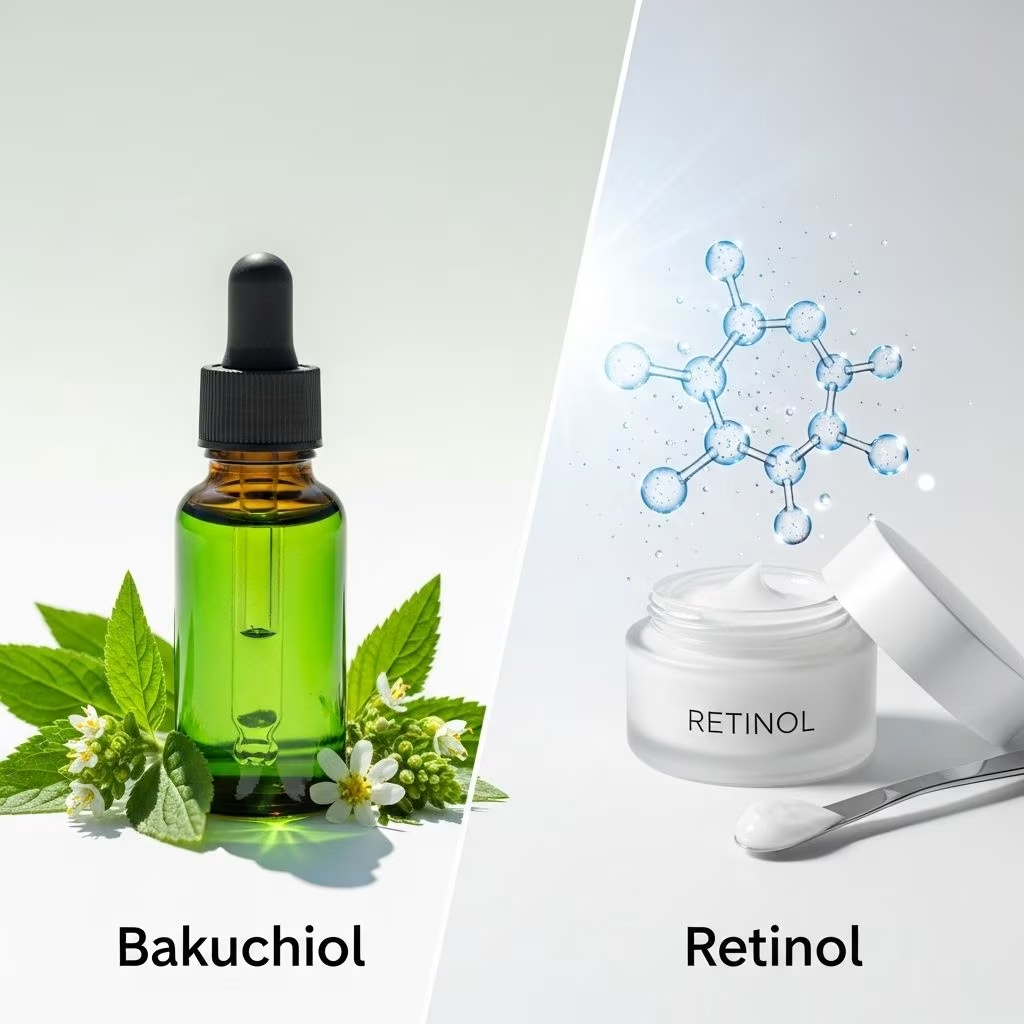
With the rise of ingredient-focused skincare, bakuchiol and retinol have drawn substantial attention as powerful agents for rejuvenation and treatment of various skin concerns. Both promise smoother, younger-looking skin, but their origins, mechanisms, side effect profiles, and best use practices differ. This article offers a scientific, practical, and unbiased comparison, helping consumers and professionals choose the right ingredient for specific skin types and goals.
Introduction
Modern skincare relies increasingly on evidence-based actives to address aging, pigmentation, acne, and overall skin texture. Retinol—a form of Vitamin A—is heralded as the gold standard for anti-aging, while bakuchiol has emerged as its gentler botanical analogue. Understanding their similarities and differences is essential for making informed and effective skincare choices.
What Are Bakuchiol and Retinol?
Bakuchiol
Bakuchiol is a plant-derived compound extracted from the seeds of Psoralea corylifolia (commonly known as babchi). It has a long tradition of use in Ayurvedic and Chinese medicine for skin ailments. Unlike retinol, bakuchiol is not a vitamin A derivative but is structurally similar enough to exert some of the same dermatological effects.
Bakuchiol has grown in popularity as a natural and vegan-friendly skincare ingredient due to its gentle, non-irritating profile and suitability for all skin types, including sensitive and acne-prone skin.
Retinol
Retinol, a form of Vitamin A, belongs to the family of retinoids. It has been the backbone of dermatological anti-aging and acne treatments for decades. Retinol and its stronger prescription relatives (like tretinoin and adapalene) are deeply researched and validated in reversing signs of photoaging, promoting cell turnover, and treating acne. Retinol is usually synthesized for topical use, but can also be derived from animal sources.
Mechanisms of Action
How Bakuchiol Works
Bakuchiol exerts its cosmetic effects by modulating gene expression in skin cells. It targets many of the same cellular pathways as retinol, including:
- Stimulating collagen and elastin synthesis
- Promoting cell turnover, helping pigmented and dead skin cells shed more efficiently
- Delivering antioxidant and anti-inflammatory benefits, partially through suppressing pro-inflammatory mediators
However, bakuchiol does not directly bind to retinoic acid receptors as retinol does. Instead, bakuchiol influences gene expression that leads to similar outcomes, but with a lower risk of irritation or barrier disruption.
How Retinol Works
Retinol acts as a pro-drug, converting in the skin to retinoic acid, which then binds to specific nuclear receptors (retinoic acid receptors – RARs and retinoid X receptors – RXRs). Activation of these receptors leads to:
- Accelerated cell turnover and desquamation (shedding of the outer skin layer)
- Increased production of collagen and other proteins critical for youthful, resilient skin
- Reduction in inflammation and normalization of skin cell maturation, counteracting both aging and acne pathologies
While effective, this rapid action sometimes disrupts the epidermal barrier and triggers skin irritation, particularly in sensitive, dry, or compromised skin types.
Benefits for Skin Health
Bakuchiol and retinol offer overlapping but distinct benefits. Their efficacy and suitability depend on your skin profile and primary concern.
- Anti-Aging: Both bakuchiol and retinol boost collagen production, helping minimize fine lines, wrinkles, and loss of firmness. Clinical studies demonstrate that bakuchiol is comparably effective to retinol for these concerns.
- Improvement in Skin Tone and Texture: Both ingredients enhance skin smoothness, reduce rough patches, and help fade hyperpigmentation by increasing cell renewal. This leads to brighter and more even-toned skin over time.
- Acne and Blemish Control:
- Retinol is especially effective at treating moderate to severe acne due to its comedolytic (pore-unclogging) properties and ability to normalize keratinization.
- Bakuchiol possesses anti-inflammatory and antibacterial qualities, making it suitable for mild to moderate acne—especially in sensitive skin that cannot tolerate retinoids.
- Antioxidant and Soothing Effects: Bakuchiol has documented antioxidant and anti-inflammatory actions, helping to calm reactive skin and protect against environmental aggressors. Retinol is less noted for soothing benefits and can potentially provoke inflammatory reactions.
- Barrier Support: While retinol may initially disrupt the moisture barrier, bakuchiol tends to support skin integrity even with frequent or daytime application.
Side Effects and Tolerability
Retinol: Risks and Drawbacks
- Irritation: Redness, stinging, flaking, dryness, and temporary worsening of breakouts (purging) upon initiation, especially in sensitive or dry skin.
- Increased Sun Sensitivity: Retinol heightens risk of sunburn and photodamage. It should be used at night, with daily broad-spectrum sunscreen use recommended.
- Not Ideal for Some Conditions: Retinol can worsen rosacea, eczema, or compromised skin barriers, and may be unsuitable during pregnancy or breastfeeding.
Bakuchiol: Gentler Alternative
- Lower Risk of Irritation: Typically well-tolerated even by those who react poorly to retinol. Minimal reports of redness, flaking, or burning.
- No Increased Sun Sensitivity: Safe for morning and nighttime use; it does not make skin more vulnerable to UV rays.
- Compatible with Sensitive or Reactive Skin: Suitable for rosacea, eczema-prone, or compromised skin types, though all topical products have the potential for allergy or rare irritation.
- Safe for Pregnancy and Breastfeeding: Bakuchiol does not have the teratogenic risks associated with retinoids, making it a preferred option during these life stages. However, always consult a healthcare provider.
Bakuchiol vs. Retinol: Summary Table
| Aspect | Bakuchiol | Retinol |
|---|---|---|
| Source | Plant-derived (Babchi seeds) | Vitamin A derivative (synthetic or animal origin) |
| Anti-Aging Effects | Reduces lines and wrinkles (comparable to retinol) | Reduces lines and wrinkles (clinically validated standard) |
| Acne Benefits | Anti-inflammatory, good for mild/moderate acne | Potent anti-acne effect, best for moderate/severe cases |
| Irritation Risk | Very low | Moderate to high, especially at onset |
| Sun Sensitivity | None | Increases sensitivity, requires night use |
| Safe for Sensitive Skin | Yes | Not recommended |
| Pregnancy & Breastfeeding | Generally considered safe | Not recommended |
| Frequency & Timing | Daily use, morning or night | Night only; introduce 2-3 times/week |
| Age Suitability | All adults, including younger individuals | Best for adults, typically 25+ |
| Barrier Disruption | Minimal | Possible, especially early on |
How to Choose the Right Ingredient for Your Skin
When selecting between bakuchiol and retinol, consider these factors:
- Skin type & Sensitivity: Sensitive, easily irritated, or barrier-compromised skin fares better with bakuchiol. Retinol is more suitable for resilient or oily skin that tolerates actives well.
- Primary Concern:
- For advanced photoaging or severe acne, retinol and its prescription-strength relatives often deliver more dramatic results.
- For mild-to-moderate aging, prevention, or maintenance, bakuchiol offers comparably effective benefits without disruption.
- Lifestyle: Those seeking daytime use, or who are exposed to sunlight regularly, may prefer bakuchiol, as it does not increase photosensitivity.
- Personal Values: Vegans or those seeking entirely plant-based and pregnancy-safe options may favor bakuchiol.
- Past Product Reactions: If retinoids have caused flaking, burning, or persistent redness for you, bakuchiol is less likely to provoke these side effects.
Usage Tips and Best Practices
Bakuchiol
- Can be applied twice daily (morning and night) after cleansing and before moisturizer/sunscreen.
- Does not require a special adjustment period or restrictive layering and pairs well with most hydrating and anti-aging ingredients.
- Ideal for those new to anti-aging actives or who desire a minimal-risk approach to skin renewal.
Retinol
- Begin with low concentrations (0.1%-0.5%), 2-3 times per week, and gradually increase frequency as tolerated.
- Use only at night; always apply a broad-spectrum sunscreen daily, as retinol sensitizes skin to UV damage.
- Avoid layering with other strong acids or potential irritants (vitamin C, benzoyl peroxide, AHAs/BHAs) until your skin builds tolerance.
- Consider combining with a rich moisturizer to buffer irritation and support the skin barrier.
Frequently Asked Questions (FAQs)
Q: Can I use bakuchiol and retinol together?
Combining both is generally not necessary since they offer similar pathways to anti-aging and rejuvenation. Most users will benefit from choosing one based on tolerability and goals. However, some product formulations incorporate both for multi-modal action. If trying this, introduce carefully and monitor for irritation.
Q: How soon can I expect results?
Clinical studies suggest initial improvements in texture and tone can be seen in 4 to 8 weeks, with more dramatic reductions in fine lines and pigmentation at 12 weeks and beyond. The rate of visible change varies based on skin type, consistency of use, and other elements of your skincare regimen.
Q: Which is better for sensitive or rosacea-prone skin?
Bakuchiol is overwhelmingly preferred for highly sensitive, rosacea, or eczema-prone skin, due to its gentle action and low irritation profile. Retinol can worsen redness or trigger flares in these populations.
Q: Is bakuchiol safe during pregnancy?
While current research supports the safety of bakuchiol during pregnancy and breastfeeding, always consult a healthcare provider before introducing new actives during these stages.
Q: Are results from bakuchiol or retinol permanent?
No, visible improvements from either ingredient require ongoing, consistent use. Discontinuation will eventually lead to gradual reversal of benefits as natural aging and environmental damage progress.
Conclusion
Both bakuchiol and retinol deliver proven effects in reversing visible aging, improving pigment, and refining skin texture. Retinol’s robust clinical history and greater potency suit stubborn or advanced aging and acne, but sensitivity and side effects remain obstacles for many users. Bakuchiol offers a science-backed, natural, and well-tolerated alternative—safe for almost anyone, including those frequently excluded from retinoid use. Choose based on your skin’s unique profile, lifestyle, and consistency of application to achieve radiant, healthy skin at any age.
References
- https://satthwa.com/blogs/skin-care/bakuchiol-vs-retinol
- https://www.bareluxeskincare.com/blogs/elevated-simplicity/bakuchiol-vs-retinol
- https://jouercosmetics.com/blogs/skin-barrier-repair/bakuchiol-vs-retinol-which-suits-your-skin-best
- https://pubmed.ncbi.nlm.nih.gov/29947134/
- https://www.isdin.com/us/blog/isdinnovation/what-is-bakuchiol-retinol-alternative/
- https://www.skin.software/journal/a-dermatologists-guide-to-bakuchiol-retinol-retinoids-and-vitamin-a
- https://www.tatcha.com/blog/bakuchiol-vs-retinol.html
- https://www.naturopathica.com/blogs/news/bakuchiol-vs-retinol
- https://www.health.harvard.edu/staying-healthy/bakuchiol-does-it-make-skin-look-younger


