


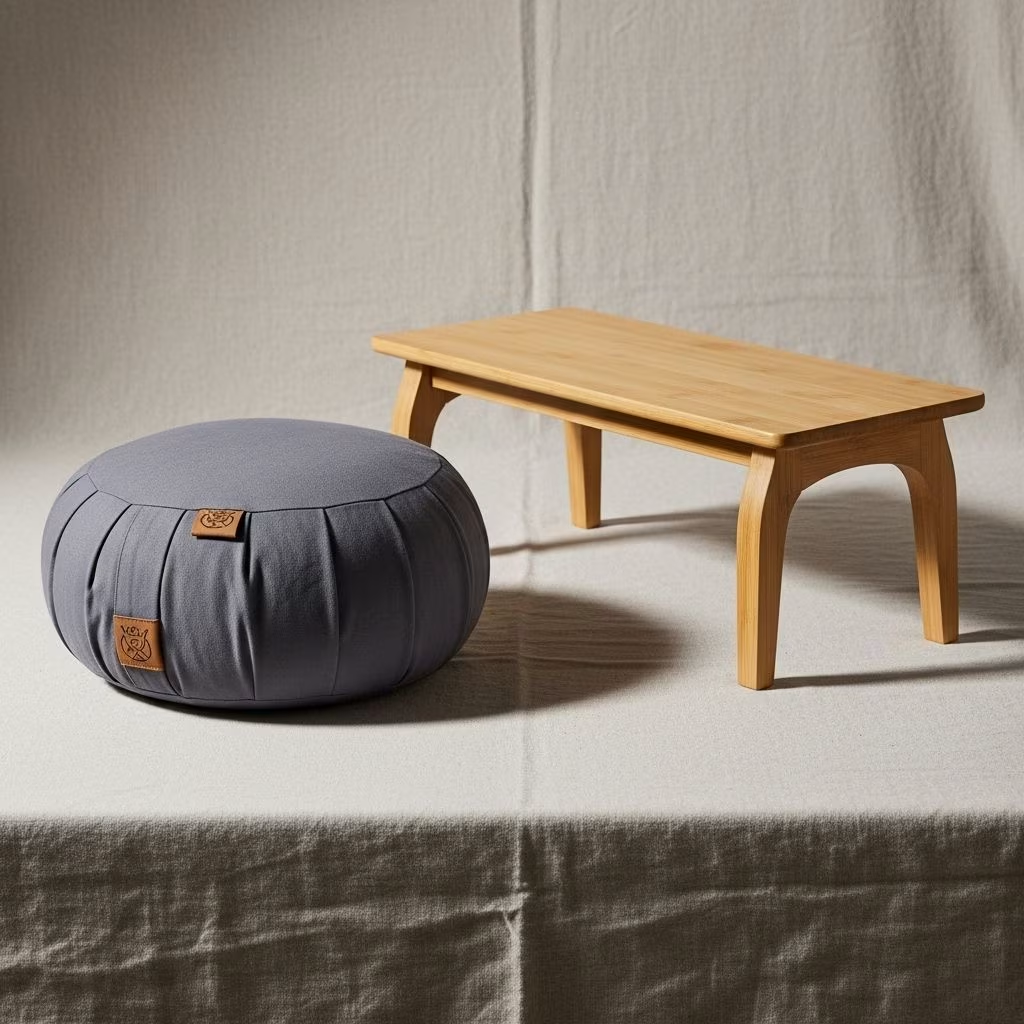
Meditation can be a deeply rewarding practice, but comfort and posture are crucial for both beginners and seasoned practitioners. The right cushion or bench not only eases physical discomfort but also supports optimal alignment, enabling a more focused and fulfilling meditation experience. This guide explores the types, materials, ergonomic considerations, and decision factors involved in choosing the perfect meditation cushion or bench for your unique needs.
Why Cushions and Benches Matter in Meditation
Meditation often requires the practitioner to remain still and attentive for extended periods. Without proper support, this can place significant strain on the hips, knees, ankles, lower back, and spine. Over time, discomfort may distract the mind, making meditative stillness and focus challenging. Meditation cushions and benches are designed specifically to:
- Enhance comfort by reducing pressure on joints and muscles
- Promote healthy posture through slight elevation of the pelvis, tilting the hips forward and facilitating a more upright spine
- Accommodate various body types and flexibility levels by offering different heights, shapes, and firmness options
- Reduce the physical barriers to longer, more satisfying meditation sessions
Whether your practice involves cross-legged sitting, kneeling, or even lying postures, the right sitting support can deepen your ability to settle and achieve mental clarity.
Types of Meditation Cushions
A wide range of cushions exist, each designed for specific postures and physical needs. The main types include:
Zafu Cushion
The traditional zafu is a round, firm meditation cushion—typically filled with buckwheat hulls or kapok—that elevates the hips above the knees during cross-legged sitting. This height assists the pelvis in tilting forward, which lengthens the spine and eases tension in the lower back. Zafus come in various heights; those with tighter hips usually benefit from a taller zafu, while more flexible practitioners may prefer a shorter one.
Zabuton Cushion
The zabuton is a flat, rectangular pad, often placed beneath a zafu or meditation bench. Its primary purpose is to cushion the knees, ankles, and shins from hard surfaces, making prolonged sitting significantly more comfortable.
Tip: Choose a zabuton large enough to accommodate your full leg extension depending on your meditation posture.
Crescent (V-Shaped) Cushion
Crescent or V-shaped cushions provide greater thigh support and tend to wrap around your body. They are slanted to encourage a forward pelvic tilt, help stabilize the hips, and distribute body weight more evenly. This makes them especially suitable for people who find traditional round cushions insufficient for their leg or hip support.
Round Bolster Cushion
Bigger and longer than a zafu, the bolster is a firm, cylindrical support. Round bolsters can be used for both seated and reclining postures, providing robust support for restorative or yin meditation practices, or just adding comfort during long sessions.
Square or Mini Cushion
The square cushion and its portable counterpart, the mini zafu, offer versatile support for various sitting methods. Smaller, lighter, and usually filled with buckwheat, they are great for travel or minimalist meditators.
| Type | Best For | Main Advantage | Typical Use |
|---|---|---|---|
| Zafu | Cross-legged sitting | Pelvic tilt, spine alignment | Short to long sitting |
| Zabuton | All postures | Knee & ankle comfort | Layer under other supports |
| Crescent/V-Shaped | Wider hips or extra thigh support | Cradles legs, pelvic stability | Long or restorative sitting |
| Bolster | Lying down, long sits | Back & hip relief | Restorative practices |
| Square/Mini | Minimalists, travelers | Portability | Short sits, travel |
Meditation Benches – An Alternative Approach
Meditation benches are particularly popular among those who find cross-legged sitting uncomfortable. A bench typically consists of a wooden seat—with or without a slight forward angle—placed over a padded zabuton. You kneel with your shins under the bench, which provides a supportive platform while relieving pressure on the knees, ankles, and spine.
- Reduces joint strain: Ideal for those with tight hips, knee issues, or limited flexibility.
- Spinal alignment: Slight forward slant helps tilt the pelvis for upright posture.
- Stability: Rigid, stable surface for extended meditation.
Benches vary in height and width to accommodate all body sizes. Foldable designs are available for travel or compact storage.
Materials and Fillings: Comfort and Sustainability
The material or filling of a cushion or bench impacts firmness, temperature regulation, eco-friendliness, and support.
- Buckwheat Hulls: Adjustable, provides moldable firmness. Hulls shift to fit your body and allow airflow.
- Kapok Fiber: A soft, fluffy, plant-based fiber resembling cotton. Lighter than buckwheat, offering a firmer but less moldable cushion.
- Foam: Used for firmer, lightweight support, especially in benches or gomden seat designs.
- Cotton Batting: Brings a soft feel and less structure—good for pillows and zabutons.
- Wood (for benches): Sourced from sustainable forests; often finished smooth. Some benches add a thin cushion on top for comfort.
Removable, machine-washable covers are valuable for hygiene and longevity. Consider also the environmental impact: organic and recycled materials are increasingly common in quality meditation accessories.
Choosing for Posture and Health
Your anatomy and flexibility are key factors in cushion or bench selection and ideal posture. Sit on a stack of firm blankets as a test, as some experts suggest, to find your ideal elevation before purchasing a cushion.
- Knees above hips: Excessive elevation or too dense a cushion can raise your knees above your hips, increasing tension on the lower back. This can lead to discomfort over time.
- Pain points: If you experience numbness in feet, sore hips, or tingling in legs, experiment with a different type or height of cushion or switch to a bench.
- Special needs: Those with joint issues, limited flexibility, or pain conditions tend to prefer benches or bolster-supported sitting for reduced pressure.
A properly chosen meditation support encourages:
- Open, relaxed chest and shoulders
- Natural spinal curve—no exaggerated arch or slouch
- Even weight distribution, avoiding hotspots of pressure or numbness
How to Select the Right Meditation Support
Follow these practical steps to select the ideal cushion or bench for your needs:
- Consider your preferred posture: Do you sit cross-legged, kneel, or need a specific therapeutic arrangement?
- Assess flexibility: Test your hips, knees, and ankles. Cross-legged seats suit the very flexible, while benches suit those needing less stress on joints.
- Match cushion height to your body: Taller zafus or benches for less flexibility, shorter ones for greater flexibility.
- Try before you buy: Whenever possible, sit on different cushions or benches, or use firm pillows and blankets at home to mimic the experience.
- Check for adjustability: Some cushions let you add or remove filling; benches may come in adjustable heights or angles.
- Choose the right materials: Those with allergies or environmental concerns may opt for organic, hypoallergenic, or cruelty-free materials.
- Style and size matter: Consider portability for travel, color options for your space, and footprint for your room.
Setting Up Your Meditation Space
Thoughtful arrangement of your cushion or bench enhances not only comfort but also ritual and tranquility:
- Use a zabuton or throw rug beneath your primary cushion or bench to shield from cold, hard floors.
- Place nearby supports—bolsters, blankets, or yoga blocks—for extra support during longer sessions or in restorative postures.
- Create a dedicated, consistent spot for your practice to build positive mental associations and routine.
- Keep your space clean; washable covers and dusting help maintain a serene environment.
Frequently Asked Questions (FAQs)
Q: Is it necessary to use a meditation cushion or bench?
A: While not strictly required, cushions and benches dramatically improve comfort, support, and posture, making meditation practice more accessible and reducing distraction from pain or fatigue.
Q: How do I determine the correct cushion height?
A: The optimal height depends on your hip flexibility; less flexible hips need a taller cushion or bench. Test with blanket stacks before purchasing.
Q: Is a meditation bench better than a cushion?
A: Neither is inherently better. Cushions suit those able to cross their legs comfortably, while benches offer relief for those with tight hips or joint issues. Personal anatomy and comfort should guide your choice.
Q: Can I use ordinary home pillows for meditation?
A: Home pillows may be too soft or lose shape quickly, resulting in poor posture. Dedicated meditation cushions provide lasting structure and are designed for ergonomic sitting. Experiment at home first if unsure before investing in special equipment.
Q: How often should I replace my cushion or bench?
A: Quality cushions and benches can last for years with proper care. Replace if the filling becomes compressed, loses support, or the cover becomes permanently soiled or damaged.
Q: Are there travel-friendly options?
A: Yes. Mini zafus, foldable benches, and inflatable bolsters are designed for on-the-go meditation, fitting into suitcases or backpacks.
Q: What if I want more eco-friendly or hypoallergenic options?
A: Many manufacturers now offer organic, buckwheat-filled, or recycled-fiber cushions and benches—or covers made from certified organic cotton. Check product specifications for environmental credentials.
Conclusion
Finding the right meditation cushion or bench is an investment in your physical well-being and your meditation journey. By honoring your body’s needs and your practice preferences, you create a supportive foundation for mindfulness, focus, and inner peace. With a thoughtful choice, comfort no longer distracts from your meditation—allowing you to fully immerse in the stillness and clarity at the heart of the practice.
References
- https://www.yogikuti.com/how-to-choose-the-perfect-meditation-cushion-for-comfort/
- https://www.calm.com/blog/meditation-cushion
- https://www.stillsitting.com/beyond-the-zafu-exploring-other-meditation-cushion-options/
- https://www.huggermugger.com/blog/2023/how-to-choose-a-meditation-cushion-or-bench/
- https://www.stillsitting.com/meditation-cushion-or-bench/
- https://dharmacrafts.com/blogs/news/how-to-choose-which-meditation-bench-is-right-for-you
- https://ungloo.com/blogs/meditation/how-to-choose-a-meditation-cushion-or-bench
- https://guidedmeditationframework.com/blog/best-meditation-chairs-pillows-and-tools
- https://www.wideworldofindoorsports.com/And-Which-One-Might-Be-Right-For-You/355243


