


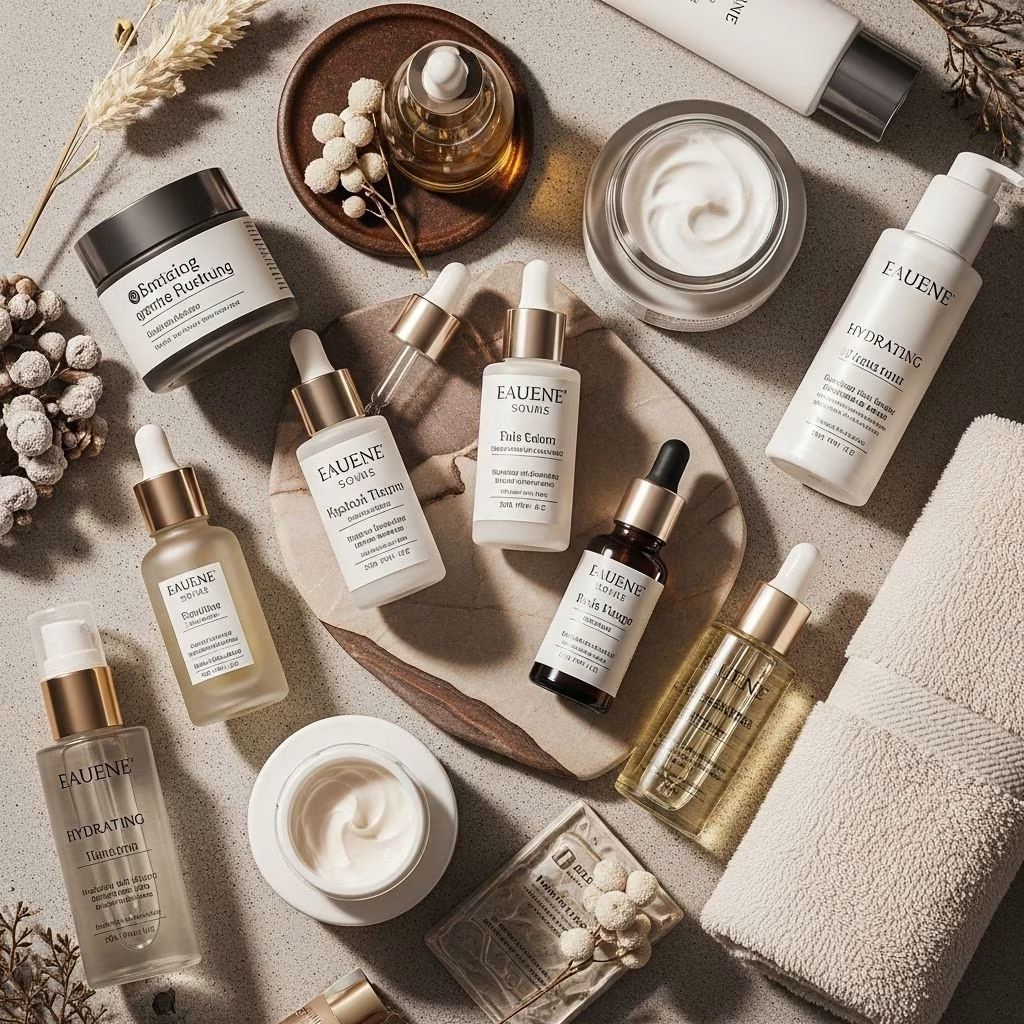
Layering Serums for Dry Skin: Winter Moisture Retention
The onset of winter brings a familiar challenge for those with dry skin: frigid winds, low humidity, and indoor heating strip away precious moisture, leaving skin dehydrated, irritated, and dull. Strategic layering of serums, moisturizers, and oils is a powerful solution—fortifying your skin barrier and trapping hydration where you need it most. This comprehensive guide delves into the science, techniques, and ingredient secrets behind effective serum layering for winter moisture retention.
Why Serum Layering Matters in Winter
During winter, your skin’s natural lipid barrier is under constant attack. Ambient humidity plummets outdoors, while artificially heated indoor air further dehydrates skin. Layering skincare products is the cornerstone of an effective winter routine, providing a sequence of hydration, barrier reinforcement, and protection against environmental stress.
Key benefits of strategic layering include:
- Maximized Hydration: Each layer delivers essential moisture or traps it within the skin.
- Barrier Reinforcement: Oils and creams seal the hydration and shield against cold, dry air.
- Synergistic Action: Layering allows active ingredients to penetrate more efficiently, targeting multiple skin concerns (redness, irritation, dullness) at once.
Understanding Winter Dryness: Causes & Challenges
Dry skin results from insufficient water content and a compromised lipid barrier. In winter, several factors amplify dryness:
- Low Humidity: Cold air holds less moisture, leading to increased transepidermal water loss.
- Central Heating & Hot Showers: These strip natural oils, weakening protective barriers.
- Wind and Temperature Fluctuations: Constant exposure stresses and irritates the skin, reducing resilience.
- Frequent Friction: Scarves, gloves, and clothing can worsen irritation and flakiness.
This cumulative impact means traditional routines—washing and moisturizing once daily—often fail to maintain comfortable, hydrated skin in winter.
Core Principles of Serum Layering
Layering is more than simply applying multiple products. It requires an understanding of texture, active ingredient interactions, and order of application for the most benefit.
- Thinnest to Thickest: Apply from lightest (watery essences, toners, serums) to richest (creams, balms, oils). This sequence ensures optimal absorption.
- Wait for Absorption: Allow 20–60 seconds after each layer to prevent pilling and maximize penetration.
- Targeted Application: Use treatment serums (for redness, dullness, sensitivity) before general hydration layers.
- Texture Compatibility: Avoid layering too many thick products, which can block absorption and suffocate skin.
Essential Serum Ingredients for Dry Winter Skin
Choosing serums with proven hydrating and barrier-supporting ingredients is crucial. The most effective winter serums often include:
- Hyaluronic Acid: A powerful humectant that draws moisture into the skin and retains it. Works best when applied to damp skin, followed by a moisturizer to lock in hydration.
- Vitamin B5 (Panthenol): Soothes, repairs, and delivers lasting hydration.
- Glycerin: Another humectant, increases water retention and supports barrier function.
- Peptides: Stimulate collagen production, improve skin texture, and often have hydrating properties.
- Antioxidants (Vitamin C, E): Defend against free radical damage from harsh environments and support skin’s repair process.
- Omega-Rich Oils (Argan, Rosehip, Evening Primrose, Squalane): Deliver emollience and seal in moisture without clogging pores.
Combining these ingredients intelligently in your layering routine ensures both immediate comfort and long-term barrier strengthening.
Step-by-Step Winter Serum Layering Routine
Below is a dermatologist-inspired winter layering protocol for dry or dehydrated skin:
- Step 1: Gentle Cleanse
Use a mild, non-foaming cleanser; avoid stripping soaps (especially for eczema-prone skin). Pat skin gently, leaving a slight dampness. - Step 2: Hydration Mist or Toner
If desired, spritz with a hydrating mist containing peptides or humectants. This primes skin for further absorption. - Step 3: Eye Cream
Apply a lightweight eye cream to the delicate under-eye area. Using eye cream early prevents heavier moisturizers from blocking absorption. - Step 4: Hydrating Serums (e.g., Hyaluronic Acid + Vitamin B5)
Apply 2–3 drops of serum to slightly damp skin. Focus on areas prone to tightness or flaking. Hyaluronic acid and panthenol replenish water content quickly. - Step 5: Targeted Treatment Serum (Antiox/Redness/Dullness)
Layer in serums with vitamin C, peptides, or dedicated treatment actives—these address winter-triggered issues like dullness and irritation. - Step 6: Moisturizer
Choose a rich but breathable cream containing ceramides, squalane, or shea butter. Gently massage into skin to seal in previous serum layers. For fragile skin, look for fragrance-free formulas. - Step 7: Facial Oil (Optional but Ideal for Extra Dryness)
Oils such as rosehip or argan can be layered last. Press a few drops gently into skin for maximum protection and a dewy finish. - Step 8: Balm (Spot Treatment for Severe Dryness or Rough Patches)
For cheeks, nose, or hands showing extra flakiness, finish with an emollient balm. This creates an occlusive seal against moisture loss.
Repeat the routine in the morning (with an SPF finish) and at night (using a richer night cream or sleeping mask as needed).
Troubleshooting Common Issues
- Pilling: Wait longer between layers (30–60 seconds). Avoid layering silicone-heavy products with water-based serums without full absorption.
- Feeling Greasy or Clogged Pores: Use lightweight, non-comedogenic oils. Eliminate products with mineral oil or heavy waxes.
- Persistent Flakiness: Reevaluate your cleanser and exfoliation routine. Limit exfoliation to 1–2 times per week; increase hydrating serum frequency.
Moisture Retention for Face, Hands, Feet, and Body
Face: Follow the main layering protocol above; avoid fragranced products and alcohol-heavy toners.
Hands:
- Wash with gentle, pH-balanced hand cleansers.
- Apply hydrating serum and moisturizer after each wash. Follow with protective balm or ointment overnight.
- Wear cotton gloves while sleeping for intensified overnight repair.
Feet:
- Use a rich cream (with urea or ceramides) and layer with oil for deep hydration.
- Wear socks after moisturizing to maximize absorption.
Body:
After a quick (not hot) shower, apply a lightweight hydrating oil to damp skin. Follow with a daily moisturizer focusing on areas prone to roughness (elbows, knees, heels).
Serum Layering Mistakes to Avoid
- Mixing Conflicting Actives: Retinol and vitamin C may cause irritation when layered. Use actives at different times of day; retinol at night, antioxidants in the morning.
- Skipping Sunscreen: Always finish morning routines with broad-spectrum SPF. Dry winter skin is still vulnerable to UV damage.
- Over-Exfoliating: Limit AHAs and BHAs during harsh weather. Focus on hydration and barrier restoration.
Frequently Asked Questions (FAQs)
Q: How many serums should I use for dry skin in winter?
A: Most experts recommend 1–2 hydrating serums (e.g., hyaluronic acid and vitamin B5), followed by targeted treatment and finally moisturizer and oil.
Q: Should serums always be applied to damp skin?
A: Yes, applying hydrating serums (especially hyaluronic acid) to slightly damp skin enhances water retention and absorption.
Q: What is the best order for layering winter skincare?
A: Always layer from thinnest to thickest: mist → serum → eye cream → moisturizer → oil → balm (if needed).
Q: Can I use the same moisturizer day and night in winter?
A: For optimal results, use a lighter moisturizer with antioxidants during the day and a richer, reparative cream at night.
Q: How do I prevent skin from getting greasy when using multiple layers?
A: Opt for non-comedogenic, breathable oils and lightweight creams. Adjust layering amounts according to your skin’s response.
Summary Table: Serum Layering for Winter Dryness
| Step | Product Type | Key Ingredients | Purpose |
|---|---|---|---|
| 1 | Cleanser | Glycerin, gentle surfactants | Remove impurities, prep skin |
| 2 | Mist/Toner | Peptides, humectants | Hydrate, prime skin |
| 3 | Eye Cream | Ceramides, peptides | Hydrate delicate area |
| 4 | Hydration Serum | Hyaluronic Acid, Vitamin B5 | Deep water binding |
| 5 | Treatment Serum | Vitamin C, peptides | Address targeted needs |
| 6 | Moisturizer | Ceramides, squalane | Seal and soften skin |
| 7 | Facial Oil | Rosehip, argan oil | Emollience, barrier boost |
| 8 | Balm | Shea butter, beeswax | Occlusion for severe dryness |
Final Thoughts
Layering serums and moisturizers for dry skin during winter is less about following fleeting trends and more about providing your skin with the multi-tiered hydration and protection it truly needs. By choosing gentle products, minding the sequence of application, and listening to your skin’s evolving needs throughout the colder months, you’ll secure a hydrated, comfortable, and radiant complexion well into spring.
References
- https://balmonds.com/blogs/blog/the-ultimate-guide-to-layering-skincare-for-winter-keep-your-skin-happy-and-hydrated
- https://cosmedica-skincare.com/blogs/news/winter-skincare-moisturizers-serums-and-the-art-of-layering
- https://www.skincare.com/skin-type/dry-skin/how-to-layer-skin-care-for-maximum-hydration
- https://slmdskincare.com/blogs/learn/how-to-layer-skincare-dry-or-dull-skin
- https://www.paullabrecque.com/blogs/news/the-ultimate-guide-to-fall-and-winter-skincare-hydration-protection-and-more
- https://mariakane.shop/blogs/maria-kane-blog/how-many-serums-should-you-use
- https://mylayers.com/blogs/our-blog-layer-by-layer/how-to-layer-your-skincare-in-the-winter
- https://www.roomone.ca/blogs/in-the-room/are-you-using-hyaluronic-acid-serum-the-right-way


