


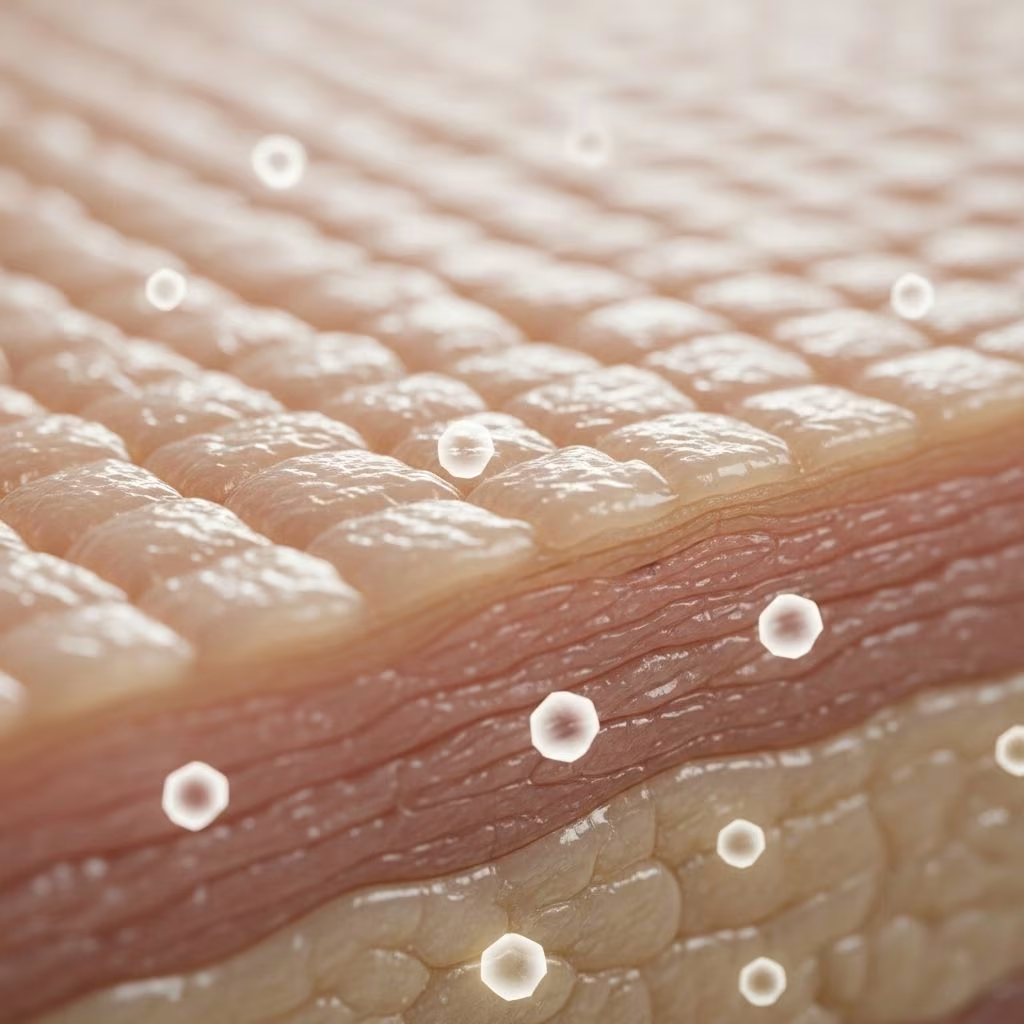
Ceramides have become a pillar in scientific skincare for a reason: these essential skin-identical lipids form the bulk of the protective skin barrier, helping to keep external stressors at bay while retaining much-needed hydration. This guide uncovers the complex, vital link between ceramides, skin barrier function, and protection against modern environmental threats.
Introduction to Ceramides
Ceramides are a class of waxy lipid molecules that are naturally found in high concentrations within the cell membranes of the uppermost layer of the skin (stratum corneum). These molecules make up about 50% of skin’s outermost lipids , and are crucial for maintaining the barrier and retaining moisture. Without sufficient ceramides, the skin becomes vulnerable to external threats and internal moisture loss, leading to dryness, sensitivity, and a weakened barrier function .
Anatomy of the Skin Barrier
The skin barrier refers primarily to the stratum corneum, the outer layer of the epidermis. This barrier works similarly to a brick wall, where the skin cells (corneocytes) are the bricks and the lipid matrix (composed mainly of ceramides, cholesterol, and free fatty acids) acts as the mortar . The main components are:
- Ceramides: ~50% by weight of skin lipids
- Cholesterol: ~25%
- Fatty acids: 10–25%
The proper ratio and structure of these skin-identical lipids is vital for forming organized, lamellar bilayers that limit water evaporation and block irritants, allergens, and microbes from entering the body .
Ceramides – The Architects of Barrier Function
Ceramides are the predominant lipid in the stratum corneum. They are a complex class of sphingolipids, composed of a fatty acid linked to a sphingosine base . Structurally, ceramides:
- Fill the spaces between skin cells, tightly joining them to limit substance movement across the skin
- Enhance water-retaining capacity of the skin
- Organize into multilamellar sheets that form the impermeable backbone of the skin barrier
- Facilitate differentiation of keratinocytes—the process essential for a robust outer skin layer
In optimal conditions, ceramides form highly ordered, solid crystalline structures that make the skin nearly waterproof and resilient .
Environmental Threats and the Skin Barrier
Skin confronts a barrage of challenges from the outside world. The major external stressors include:
- Ultraviolet (UV) radiation from sunlight – causes oxidative stress and lipid peroxidation
- Air pollution – fine particles and chemicals can degrade skin lipids and promote inflammation
- Climate extremes – low humidity, wind, cold, and heat can dehydrate skin and disrupt the barrier
- Irritants and chemicals – detergents, cosmetics, and occupational exposures can strip natural lipids
All these environmental factors can damage the delicate organization of the lipid barrier, increasing permeability, transepidermal water loss (TEWL), and risk of inflammation, dryness, and infection .
How Ceramides Protect Against External Aggressors
Ceramides are the skin’s molecular shield. Their functions in combating environmental harm include:
- Reducing TEWL: Ceramides “seal” moisture within, preventing critical water loss especially in dry or polluted environments
- Blocking irritants, allergens, and microbes: The highly ordered ceramide matrix forms a physical and chemical barrier against external agents
- Buffering oxidative and inflammatory damage: By maintaining barrier integrity, ceramides reduce susceptibility to lipid oxidation and inflammation triggered by UV and pollutants
- Modulating skin cell function: Ceramides signal cellular mechanisms for skin repair, differentiation, and programmed cell death (apoptosis). This keeps the skin healthy and able to respond to environmental injury
Research shows that skin with an intact, ceramide-rich barrier experiences fewer environmental injuries and is less prone to sensitivity, dryness, and inflammatory conditions .
Ceramide Deficiency & Impact on Skin Health
Depleted ceramide levels weaken the skin’s defense. Factors contributing to ceramide loss include:
- Aging – natural ceramide synthesis declines with age
- Sun exposure – UV rays degrade skin lipids
- Harsh skincare or over-washing – strips ceramides
- Environmental stress – pollution and extreme weather accelerate lipid loss
This deficiency is linked to:
- Dry, flaky, or cracked skin
- Heightened transepidermal water loss
- Increased irritant and allergen penetration
- Sensitivity, itching, and greater risk of inflammation
- Chronic skin diseases such as eczema (atopic dermatitis) and psoriasis, where ceramide content is markedly reduced
Replenishing Ceramides for Environmental Defense
Scientific skincare increasingly recognizes the value of topically applied ceramides. Current evidence supports that:
- Formulations with skin-identical ceramides help repair and reinforce the lipid barrier
- Ceramide-rich skincare decreases TEWL, improves moisture, and boosts resilience against external insults
- Combining ceramides with other barrier lipids (cholesterol, free fatty acids) yields synergistic benefits, restoring the “mortar” between corneocyte “bricks” and promoting proper lamellar structure
- Supporting the skin’s own lipid production (with niacinamide, for example) can further enhance barrier strength
Comparison Table: Skin Barrier States
| Barrier State | Ceramide Content | Environmental Protection | Skin Quality |
|---|---|---|---|
| Healthy Barrier | High | Strong defense, low TEWL | Hydrated, smooth, resilient |
| Compromised Barrier | Low | Weak defense, high TEWL | Dry, sensitive, irritated |
Skincare – Optimizing Ceramide Barrier Support
Effective strategies for supporting natural ceramide levels include:
- Cleansing carefully: Use gentle, ceramide-infused cleansers to remove impurities without stripping protective lipids
- Moisturizing regularly: Pick products formulated with skin-identical ceramides, along with cholesterol and fatty acids, to mimic and replenish the natural barrier
- Protecting against environmental triggers: Daily sunscreen blocks UV-damage that would otherwise degrade ceramides
- Lifestyle choices: Limit exposure to harsh weather, pollution, and strong irritants. Nutritional support (omega fatty acids, antioxidants) may help maintain lipid balance.
- Double-moisturizing routines: Particularly for dry or mature skin, layered moisturizing helps ensure barrier repair and lasting hydration
Tips for Ceramide-Boosting Skincare
- Read ingredient labels: Look for “ceramide NP,” “ceramide AP,” or similar terms
- Avoid over-exfoliating, which can strip the skin of vital lipids
- Apply moisturizers to slightly damp skin for maximal absorption and occlusion
- Consult dermatologists for barrier-repair therapy if persistent dryness or environmental irritation occurs
Age, Lifestyle, and Ceramide Levels
Numerous factors influence ceramide content:
- Aging: Production naturally decreases, necessitating targeted replenishment
- Genetics: Individuals with skin diseases such as atopic dermatitis often have altered ceramide synthesis pathways
- Environment: Urban living and climate stressors can accelerate ceramide decline
- Diet and lifestyle: Poor nutrition and inadequate hydration can indirectly impact lipid balance in the skin
Frequently Asked Questions (FAQs)
Q: What environmental factors damage the skin barrier most?
A: The most significant environmental stressors include UV radiation, air pollution, rapid temperature or humidity changes, harsh cleansing agents, and chemical irritants. All can disrupt the skin’s lipid composition, particularly ceramides, leading to increased water loss and vulnerability.
Q: Can ceramide creams really repair a damaged skin barrier?
A: Yes, formulations containing skin-identical ceramides can help restore barrier function by replacing depleted lipids and encouraging correct lamellar structure. For best results, look for products that also contain cholesterol and fatty acids.
Q: Who is most at risk of ceramide deficiency?
A: Risks are higher for people with dry or sensitive skin, eczema, psoriasis, mature age, and those frequently exposed to harsh environmental factors. Over-cleansing and insufficient moisturizing also increase deficiency risk.
Q: How fast do ceramide-containing products work?
A: Initial improvement in hydration and barrier function may be noticed within a few days. However, significant, lasting repair often requires regular, consistent use over weeks to months as skin renews its outer layer.
Q: Are ceramide supplements or foods beneficial for skin barrier?
A: While the main benefit comes from topical application, a generally healthy diet rich in essential fatty acids does support lipid synthesis. However, oral ceramide supplements have limited evidence for direct skin barrier improvement compared to topical application.
Conclusion
Ceramides are not only key for hydrated, healthy-looking skin but serve as a frontline defense against environmental hazards. Sufficient ceramide content ensures a robust barrier that limits water loss and blocks harmful external agents. Modern skincare science now leverages ceramide replenishment to help all skin types thrive in an increasingly challenging world.
References
- https://www.cerave.com/skin-smarts/strength-of-ceramides/what-are-ceramides
- https://www.spandidos-publications.com/10.3892/ijmm.2016.2600
- https://pubmed.ncbi.nlm.nih.gov/12553851/
- https://www.curel.com/en-gb/why-ceramides/
- https://pubmed.ncbi.nlm.nih.gov/39113291/
- https://www.webmd.com/beauty/what-to-know-about-ceramides-for-skin
- https://onlinelibrary.wiley.com/doi/full/10.1111/exd.70042
- https://www.molbiolcell.org/doi/10.1091/mbc.E24-12-0551
- https://health.clevelandclinic.org/ceramides


