


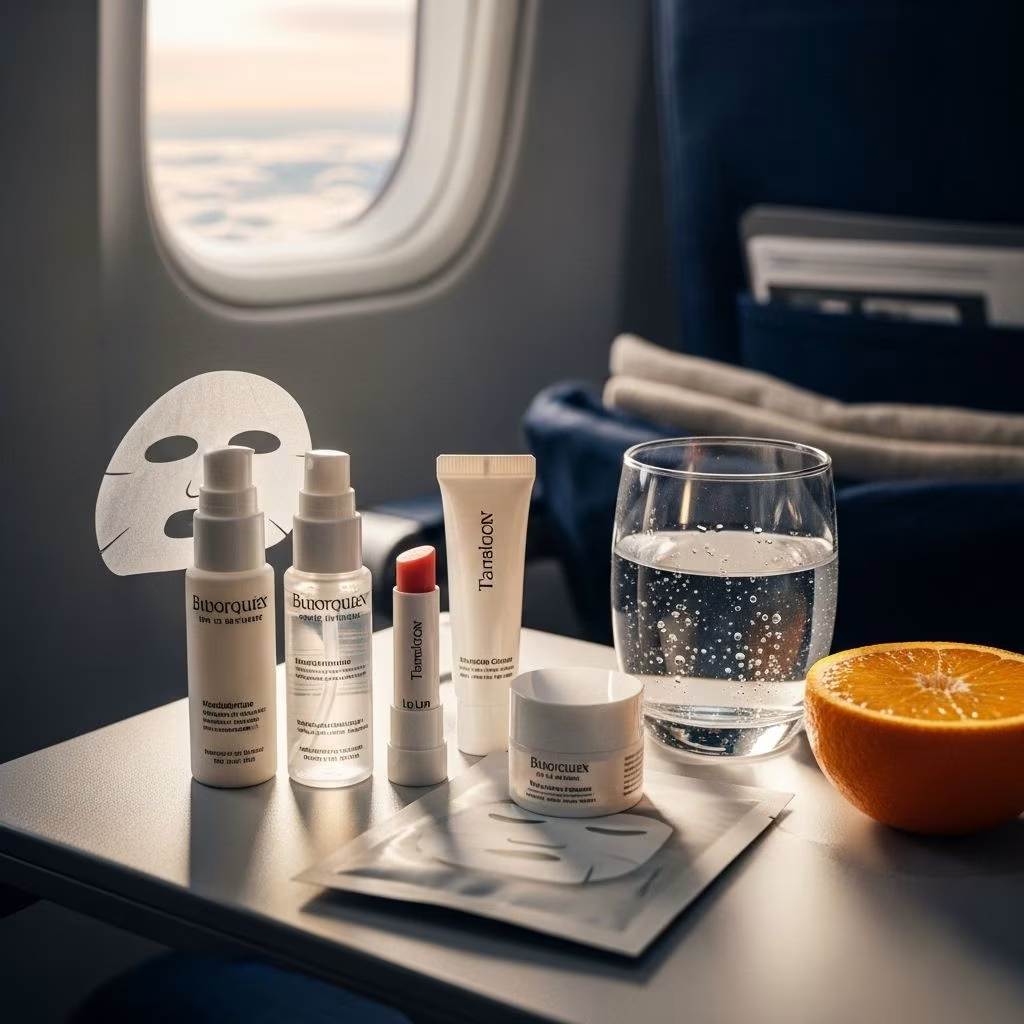
Boarding a flight is the start of a new journey—but it can also spell distress for your skin. At 30,000 feet, passengers face a unique set of environmental challenges that can leave their skin dehydrated, irritated, and tired-looking. With expert-backed strategies and practical in-flight routines, you can maintain healthy, resilient skin, no matter how far you travel. This guide offers an in-depth look at how high-altitude travel affects the skin and provides actionable solutions to common issues.
How Air Travel Affects Your Skin
During a flight, your skin is exposed to:
- Extremely Low Humidity: Cabin air humidity can plummet to 10-20%, compared to the ideal 40-60% we experience at ground level. This leads to significant water loss from the skin, resulting in dryness, tightness, and increased sensitivity.
- Reduced Cabin Pressure: The aircraft is pressurized to altitudes of around 6,000-8,000 feet, impacting blood flow and lymphatic drainage, often causing puffiness and a dull complexion.
- Increased Exposure to UV Radiation: Higher altitude means thinner atmosphere and increased exposure to harmful UVA rays that can penetrate airplane windows. Even though some UVB rays are blocked by glass, UVA rays can still cause skin aging and pigmentation.
- Recycled Air and Poor Air Quality: Stale, filtered air can foster skin irritation, and can aggravate those with preexisting skin sensitivities.
The result? A telltale combination of “flight face”: dehydrated, irritated, and sometimes oily or breakout-prone skin.
Understanding the Cabin Environment
The artificial atmosphere of an aircraft cabin is engineered for passenger comfort but brings several key stressors for skin health:
- Humidity drops to as low as 10%: This level is drier than most deserts.
- Air pressure: Maintained at roughly 6,000-8,000 feet, affecting oxygenation and fluid balance.
- Temperature fluctuations: While temperature is generally controlled, significant fluctuations can occur, especially in smaller aircraft.
- Limited movement and prolonged sitting: Causes fluid retention and may contribute to puffiness in the face and extremities.
| Factor | Cabin Environment | Ground Level |
|---|---|---|
| Humidity | 10-20% | 40-60% |
| Air Pressure | ~6,000-8,000 ft altitude equivalent | Sea level |
| UV Radiation | Higher (UVA penetrates windows) | Filtered by atmosphere |
| Air Quality | Recycled, dry | Fresh, variable |
Major Skin Concerns During Flights
- Dehydration: Most passengers lose up to 2 liters of water during long-haul flights due to skin and respiratory moisture loss. Results in dryness, flakiness, and increased susceptibility to fine lines.
- Irritation and Sensitivity: The weakened skin barrier can lead to redness, irritation, and increased sensitivity, especially for those with eczema, rosacea, or psoriasis.
- Increased Oil Production and Breakouts: In response to dryness, sebaceous glands may overproduce oil, causing clogged pores and breakouts, even in people with previously well-behaved skin.
- Puffiness and Poor Circulation: Lower pressure and long periods of sitting reduce blood flow and lymphatic drainage, contributing to puffiness (especially under the eyes) and a fatigued appearance.
- Lip and Mucous Membrane Dryness: Lips, eyes, and nasal passages may become dry, irritated, or chapped due to dehydration and airflow.
- Exacerbation of Preexisting Skin Conditions: Psoriasis, eczema, or dermatitis may flare or worsen under airborne stressors.
Quick Reference Table: Common In-Flight Skin Issues & Symptoms
| Problem | Symptoms | Who Is Most At Risk? |
|---|---|---|
| Dehydration | Tightness, dullness, itchiness, fine lines | All skin types |
| Irritation | Redness, burning, flaking, worsening of eczema | Sensitive skin, eczema, psoriasis |
| Puffiness | Swelling under eyes, face, extremities | Anyone, especially with poor circulation |
| Breakouts | Oily film, clogged pores, whiteheads | Oily/combination skin |
| Chapped Lips | Dry, cracked, peeling lips | Frequent fliers, dry climates |
Preventative Skincare Routines
Prevention is key. Begin preparing your skin the day before you travel, and make small adjustments in your routine to build extra resilience.
Pre-Flight Preparation
- Hydrate from Within: Aim for increased water intake 24 hours before your flight. Avoid excessive caffeine and alcohol, as both cause dehydration.
- Boost Your Barrier: The night before, use a moisturizing mask or hydrating serum rich in hyaluronic acid, glycerin, or ceramides to lock in moisture.
- Avoid Irritants: Skip strong acids, retinoids, or highly active products that may leave skin vulnerable to irritation.
- Layer Moisturizers: Follow your serum with a richer, occlusive moisturizer to seal in hydration.
- Sun Protection: Apply a broad-spectrum sunscreen before heading to the airport, as UV exposure begins as soon as you check in.
At the Airport
- Gentle Cleansing: If possible, use a mild cleanser before boarding to remove pollution and prepare skin for the dry cabin.
- No Heavy Makeup: Go bare-faced or use lightweight, non-comedogenic products to allow your skin to breathe and receive touch-ups if needed.
- Lips & Hands: Apply a healing lip balm and hand cream to counteract early dryness.
In-Flight Skincare Protocols
The key to in-flight skincare is simplicity, hydration, and protection. Carry TSA-approved travel sizes of your essential products for easy access.
- Hydrate by sipping water regularly throughout the flight. Set a timer to remind yourself to take a few sips every 30-45 minutes.
- Mist your face with a gentle hydrating spray (look for thermal water or aloe-based mists) to temporarily relieve tightness and add moisture.
- Reapply moisturizer generously whenever your skin feels dry. Opt for products with hyaluronic acid, squalane, or ceramides, as these help attract and trap moisture.
- Seal with occlusives: For very dry skin, layer a thin coat of ointment or balm over cheeks and lips as an extra barrier. Petroleum jelly or a strong occlusive balm works well for lips and small dry areas.
- Protect your lips: Reapply a rich lip balm regularly, especially before sleeping during long-haul flights.
- Eye Drops & Nasal Sprays: If you experience dryness in the eyes or nasal passages, preservative-free eye drops and gentle saline sprays can help.
- Sun Protection: Apply or reapply a broad-spectrum sunscreen if you are seated by a window. UV rays can penetrate the glass at high altitudes.
- Keep hands clean: Use hand cream after hand sanitizing to protect your skin barrier.
Best Practice Travel Kit Checklist
- Hydrating facial mist
- Serum with hyaluronic acid or glycerin
- Medium-to-rich moisturizer (ceramides, squalane, shea butter)
- Lip balm with occlusive oils/waxes
- Travel-size broad-spectrum sunscreen
- Petroleum-based ointment or healing balm
- Preservative-free eye drops & saline nasal spray (optional)
- Sunscreen stick for quick top-ups
- Hand cream and sanitizing gel
After-Landing Skincare Recovery
The period just after landing is an opportunity to restore lost hydration and calm inflammation.
- Thoroughly cleanse your face to remove grime, sebum, and product buildup accumulated during the flight.
- Hydrate deeply with a sheet mask or hydrating gel mask if available; follow up with a rich moisturizer.
- Apply antioxidant serums (such as vitamin C or E) to neutralize free radicals generated by UV exposure and cabin stress.
- Go easy on actives: Avoid starting strong actives (retinols, acids) until your skin has had at least a night to recover.
- Don’t forget the lips and eyes: Apply repairing creams to both to quickly restore your barrier.
Expert Tips and Extra Considerations
- Stay active on board: Periodically stretch, walk, or do seated movements to improve circulation and reduce puffiness.
- Limit salty snacks and caffeine: Both can exacerbate dehydration and puffiness.
- Avoid touching your face: Airplane surfaces harbor bacteria; only touch your face with clean hands.
- Wear loose, breathable clothing: This helps prevent sweating and irritation, especially on longer flights.
- Use compression socks if prone to swelling.
- For frequent fliers: Consider consulting a dermatologist for a tailored routine or if experiencing chronic skin issues.
Special Considerations for Preexisting Conditions
- Eczema/Psoriasis: Consult your doctor before traveling; bring prescribed creams. Pre-apply fragrance- and dye-free moisturizers and reapply as needed.
- Rosacea: Stick to gentle, anti-inflammatory skincare—avoid triggers such as heat and alcohol.
- Acne-prone skin: Use non-comedogenic moisturizers and avoid heavy occlusives over blemishes.
Frequently Asked Questions (FAQs)
Q: Why does my skin get so dry when I fly?
The aircraft’s cabin humidity is far below typical indoor levels (10-20%), causing moisture to rapidly escape from your skin. This results in tightness, dryness, and flaking for most people.
Q: Is flying bad for my skin in the long term?
Occasional short flights are not likely to have permanent effects, but frequent, long-haul travel can exacerbate chronic dryness, sensitivity, and even signs of aging due to repeated dehydration and UV exposure. Consistent care helps minimize these risks.
Q: Can I wear makeup on a flight?
Light, breathable makeup is best if you feel you need coverage. Avoid heavy foundation or powder, as these can dry out your skin further. Use creamy formulas and remove makeup before sleeping during a long haul.
Q: Should I use sheet masks on board?
Yes, hydrating sheet masks (especially those with ingredients like hyaluronic acid) are safe and effective to use in flight. Avoid highly fragranced or exfoliating masks to reduce irritation risk.
Q: How does UV exposure on a plane compare to the ground?
At cruising altitude, UV radiation is more intense. Airplane windows block most UVB, but not UVA rays, which are linked to aging and pigmentation. Always apply and reapply broad-spectrum sunscreen, especially if seated near the window.
Q: What should be in my in-flight skincare kit?
Essentials include a hydrating mist, serum, moisturizer, lip balm, sunscreen, and healing ointment. For longer flights or sensitive skin, consider eye drops and a soothing mask.
References
- Serich, Jet-Set Ready: What Happens to Your Skin at 30,000 Feet
- Clinikally, How Plane Cabin Air Affects Your Skin
- Harper’s Bazaar UK, How Flying Affects Skin
- PMC, Aerospace Physiology and its Effect on Skin
- Oxygenetix, How Flying Impacts Skin Health
- Aveeno, Skincare Tips for Avoiding Airplane Skin
- Short Hills Dermatology, Tips for Keeping Skin Fresh On An Airplane
- Join Ajenda, What Air Travel Really Does to Your Body
Disclaimer: This guide is for informational purposes and does not replace medical advice. If you have active skin concerns or medical conditions, consult your healthcare provider for personalized recommendations.
References
- https://serich.sg/jet-set-ready-what-happens-to-your-skin-at-30000-feet/
- https://www.clinikally.com/blogs/news/how-plane-cabin-air-affects-your-skin
- https://www.harpersbazaar.com/uk/beauty/skincare/a60466341/how-flying-affects-skin/
- https://pmc.ncbi.nlm.nih.gov/articles/PMC5286758/
- https://www.oxygenetix.com/blogs/blog/how-flying-impacts-skin-health-and-tips-for-your-next-trip
- https://health.clevelandclinic.org/dehydration-exhaustion-and-gas-what-flying-on-an-airplane-does-to-your-body
- https://www.shorthillsderm.com/blog/tips-for-keeping-skin-fresh-on-an-airplane/
- https://www.aveeno.com/journal/skincare-tips-for-avoiding-airplane-skin-while-traveling
- https://www.joinajenda.com/article/what-air-travel-really-does-to-your-body—and-what-to-do-about-it


