


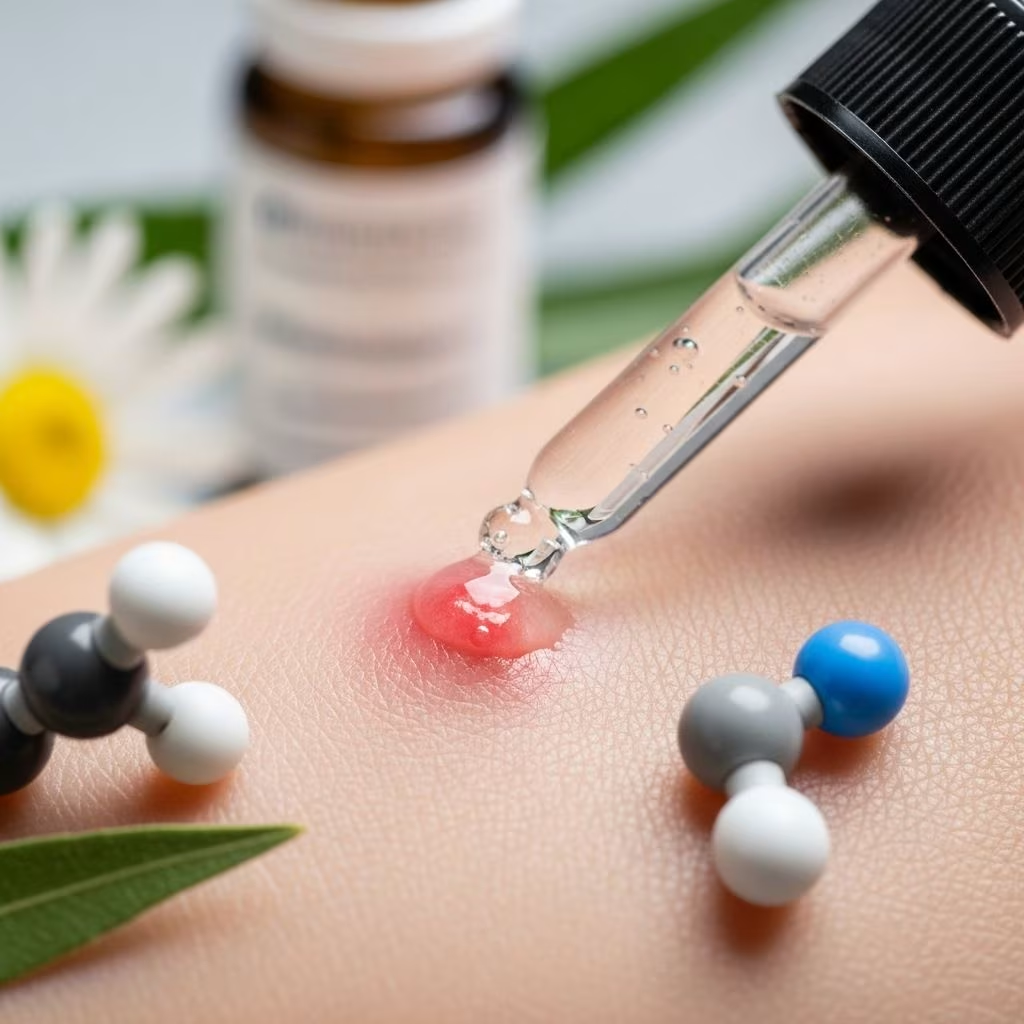
Pimples always seem to appear at the worst possible moment—right before an important event, presentation, or night out. While banishing them completely overnight isn’t always realistic, the right methods can dramatically reduce redness, swelling, and visibility. This comprehensive guide reveals proven scientific strategies and safe home remedies to help you shrink a pimple overnight, prevent further breakouts, and care for your skin in the long run.
Understanding Pimples: Why They Appear
Pimples, often called zits or spots, are a type of acne lesion that develops when pores become clogged with oil (sebum), dead skin cells, bacteria, or debris. The blockage can trigger inflammation, leading to different forms of acne, including whiteheads, blackheads, papules, pustules, nodules, and cysts.
- Hormonal surges during adolescence, menstruation, or stress can boost oil production and cause flare-ups.
- Bacteria, especially Cutibacterium acnes, thrive in clogged pores, worsening inflammation.
- Diet, certain medications, and using comedogenic (pore-clogging) skincare products may also contribute.
Types of pimples include:
- Whiteheads: Pores completely blocked and closed.
- Blackheads: Partially blocked pores that remain open, dark due to oxidation.
- Papules: Small, inflamed red bumps.
- Pustules: Inflamed pimples with pus at the tip.
- Nodules/Cysts: Larger, deeper, often painful lumps under the skin, slower to resolve.
What Is Doable: Expectations for Overnight Results
Dermatologists agree that while it is usually not possible to eliminate a pimple entirely overnight, several treatments can significantly reduce swelling, redness, and visible size within 8-12 hours if applied promptly and correctly. Early intervention is key, and the right routine can make a dramatic difference in your skin’s appearance by morning.
10 Proven Ways to Shrink a Pimple Overnight
Below are ten research-supported steps and remedies to rapidly shrink and soothe a pimple overnight. The effectiveness of each method depends on the type of pimple, your skin type, and correct application.
-
Cleanse Gently with a Targeted Face Wash
Use a mild, acne-fighting cleanser containing salicylic acid or azelaic acid to remove excess oil and dead skin. These active ingredients unclog pores and remove debris while calming inflammation. Avoid aggressive scrubbing, which irritates skin and worsens breakouts.
-
Apply a Cold Compress or Ice
Wrap an ice cube in a soft, clean cloth and press gently on the pimple for 5–10 minutes. This reduces swelling, redness, and discomfort by constricting blood vessels. Repeat several times throughout the evening, with breaks between sessions. Avoid placing ice directly on bare skin.
-
Spot-Treat with Ingredients That Work Overnight
- Salicylic acid (0.5%–2%): Dissolves excess oil inside pores; reduces redness and swelling.
- Benzoyl peroxide (2.5%–10%): Kills acne-causing bacteria; dries out raised pimples quickly. Start with lower concentrations to prevent irritation.
- Hydrocortisone cream (1%): Topical steroid that temporarily eases inflammation, excellent for especially swollen or red spots.
- Crushed Aspirin Paste: Aspirin contains salicylic acid and can reduce pain, redness, and size. Crush a tablet, mix with water to form a paste, and apply for 10–15 minutes before rinsing off.
Apply these treatments at night and let them work while you sleep. Use a clean cotton swab or pad for application.
-
Try Tea Tree Oil (Diluted)
Tea tree oil is a natural anti-bacterial agent. Mix 1–2 drops with a teaspoon of carrier oil (such as jojoba or argan oil), then dab onto the pimple. Avoid pure tea tree oil on skin, as it can cause burns or irritation. Test on a small area first for sensitivity.
-
Use a Hydrocolloid (Pimple) Patch
Apply a hydrocolloid patch directly onto a raised pimple overnight. These patches absorb fluid, gunk, and pus from blemishes while providing a barrier that reduces picking and shields from further bacterial contamination. They work best on pimples with a white head.
-
Apply a Warm Compress to Deep or Painful Spots
If the spot is deep, hard, or especially sore, hold a clean, warm, damp cloth on the area for several minutes. This increases blood flow and can help bring a deep pimple to a head, allowing other treatments to work more effectively.
-
Gently Exfoliate Once a Week
If you’re prone to recurring spots, gentle exfoliation with chemical exfoliants (such as mandelic acid or lactobionic acid) can help prevent clogged pores. Never exfoliate active, open, or very inflamed pimples as this worsens irritation.
-
Moisturize with a Non-Comedogenic Gel or Cream
Moisturizer helps maintain the skin barrier, especially when using drying spot treatments. Use a light, non-comedogenic product—that is, one that won’t clog pores. Look for moisturizers labeled “oil-free” or “acne-friendly.” Avoid the temptation to skip moisturizing: dry skin may trigger even more oil production and more breakouts.
-
Try a Green Tea Soak or Aloe Vera Gel
Green tea (applied topically or as a cold rinse) contains antioxidants that may reduce inflammation and oiliness in acne-prone skin. Aloe vera gel can also calm redness and aid in overnight skin healing.
-
Leave the Pimple Alone—No Picking or Popping
Popping or picking at pimples pushes bacteria deeper, risks scarring and inflammation, and generally increases the time it takes for the spot to heal. Hands off!
Dos and Don’ts: Pimple Management Essentials
| Do | Don’t |
|---|---|
| Cleanse skin with a gentle, acne-targeting cleanser | Scrub aggressively or use harsh exfoliants on active pimples |
| Apply ice or a hydrocolloid patch to reduce swelling | Touch, pick, or pop pimples |
| Spot-treat with benzoyl peroxide, salicylic acid, or hydrocortisone (as needed) | Use toothpaste, lemon juice, or undiluted essential oils as spot treatments |
| Finish with a light, non-comedogenic moisturizer | Let skin dry out completely or skip moisturizing |
| Always use clean hands and tools | Apply makeup or skincare with unwashed fingers |
Preventing Pimples: Daily and Long-Term Care
Even if you treat breakouts fast, long-term results come from a consistent daily routine aimed at keeping pores clear and inflammation under control. Prevention goes beyond quick fixes:
- Wash your face twice daily with a gentle, non-comedogenic cleanser.
- Exfoliate with a chemical exfoliant (AHA/BHA) 1–2 times per week. Avoid physical scrubs, which can irritate skin.
- Always remove makeup before bed.
- Moisturize daily. Even oily skin needs hydration—choose “oil-free” formulas.
- Use sunscreen every morning, especially if you’re using acids or retinoids (which make skin more sun-sensitive).
- Avoid touching your face throughout the day and keep your hair clean and away from your face.
- Stay hydrated—aim for at least 8 glasses of water a day.
- Manage stress and sleep well, as stress hormones can trigger outbreaks.
- Minimize processed sugars and refined carbohydrates in your diet, which may worsen acne in some people.
- If breakouts persist, are very severe or cystic, or do not improve with over-the-counter products, consult a dermatologist.
Frequently Asked Questions (FAQs)
Can I get rid of a pimple overnight?
No method can guarantee complete elimination of a pimple overnight, but fast-acting treatments like ice, benzoyl peroxide, and hydrocolloid patches can rapidly reduce size and redness in many cases.
Is it bad to pop a pimple?
Yes. Popping pimples increases the risk of scars, slows down healing, and can push bacteria deeper into the skin. It’s always better to let pimples heal naturally while using spot treatments and patches.
Are there any safe home remedies for pimples?
Some home remedies can help as adjuncts, such as diluted tea tree oil, green tea, and a gentle aspirin paste. However, avoid untested remedies like toothpaste or lemon juice, which can irritate or damage skin.
How do hydrocolloid patches work?
Hydrocolloid patches absorb pus and fluid from pimples, flattening the spot and providing a protective barrier from further irritation and bacteria. They’re most effective on inflamed pimples with visible heads.
When should I see a dermatologist?
If your acne is severe, cystic, doesn’t improve after a month of over-the-counter or home remedies, or is causing emotional distress or scarring, seek a dermatologist’s advice for stronger prescription options and long-term solutions.
What should I avoid applying to a pimple?
Avoid home remedies like toothpaste, baking soda, undiluted essential oils, or lemon juice. These are harsh, can irritate skin, and cause inflammation, making pimples worse.
Can diet affect my skin and risk of pimples?
Yes, for some people, high sugar intake, dairy, and highly processed foods may contribute to acne. Eating a balanced diet rich in whole foods, vegetables, healthy fats, and plenty of water supports healthy skin.
Key Takeaway
While true overnight erasure of pimples may not be realistic, prompt use of ice, topical spot treatments, hydrocolloid patches, and a hands-off approach can dramatically lessen visibility and discomfort by morning. For lasting results, adopt a gentle, consistent skincare routine and healthy lifestyle choices. If in doubt or if acne persists, consult a dermatologist for guidance tailored to your unique skin.
References
- https://innovist.com/blogs/all/pimples-treatment
- https://www.buzzrx.com/blog/how-to-get-rid-of-pimples-overnight
- https://saguaroderm.com/acne-treatment/
- https://www.youtube.com/watch?v=U786gR-NjXo
- https://www.healthline.com/nutrition/13-acne-remedies
- https://my.clevelandclinic.org/health/diseases/22468-pimples
- https://www.aad.org/when-acne-wont-clear
- https://www.mayoclinic.org/diseases-conditions/acne/in-depth/acne-treatments/art-20045814


