


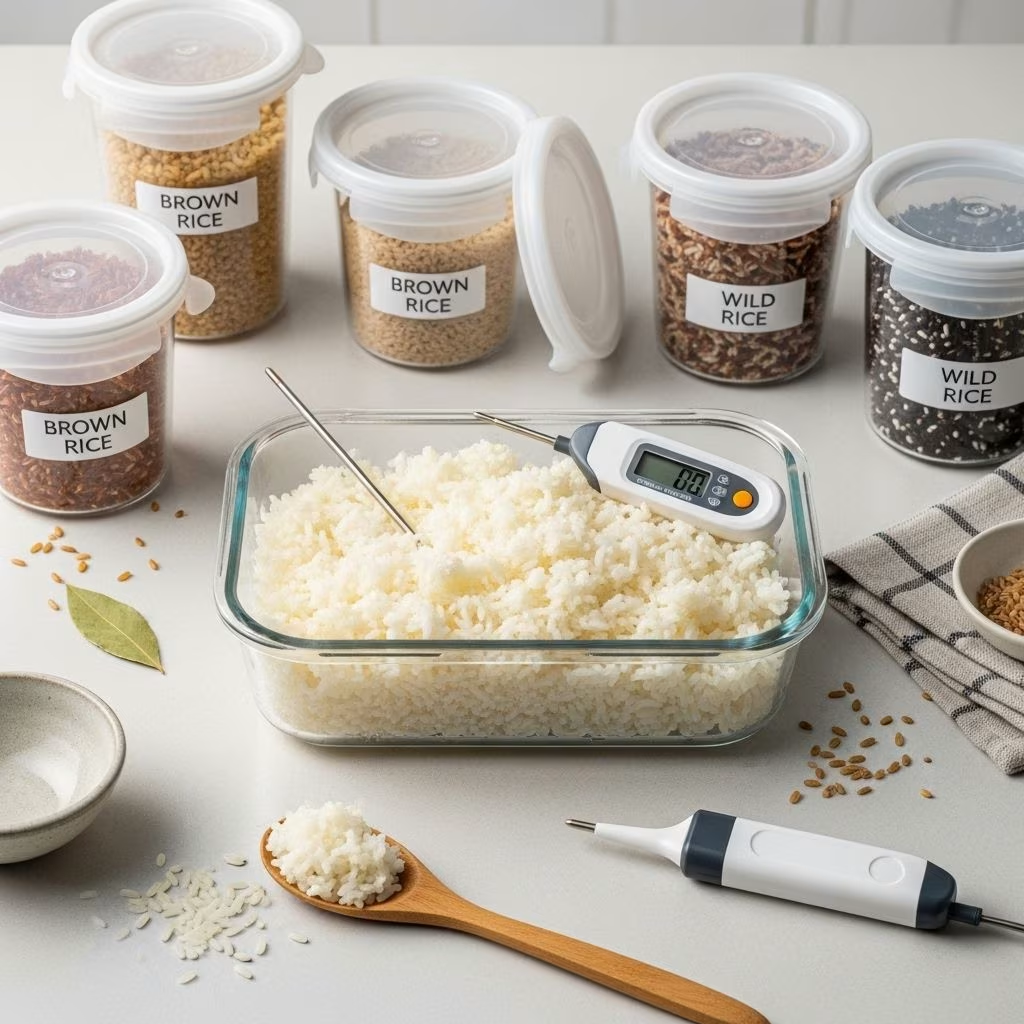
Storing & Reheating Batch-Cooked Rice Safely: Essential Guidelines for Home Cooks
Rice is a staple around the world—and batch-cooking it can save time, simplify meal prep, and help maintain a healthy diet. However, storing and reheating rice safely is crucial to avoid foodborne illnesses, especially from bacteria such as Bacillus cereus. This comprehensive guide offers evidence-based practices for cooling, storing, and reheating rice so you can enjoy safe, delicious meals every time.
The Importance of Safe Rice Handling
Cooked rice is highly susceptible to bacterial contamination, primarily by Bacillus cereus, a bacterium that can survive cooking and multiply rapidly at room temperature. Symptoms of foodborne illness from contaminated rice typically include stomach cramps, nausea, and diarrhea—and can occur just a few hours after consumption.
- Rice must be cooled quickly and stored properly to prevent bacteria growth.
- Reheated rice must reach an internal temperature of at least 165°F (74°C) to ensure safety.
Batch Cooking Essentials
Batch-cooking rice is a time saver—but safe handling starts with proper preparation:
- Wash rice thoroughly before cooking to remove surface starch, which helps achieve a better texture after reheating.
- Use safe food handling practices and clean utensils throughout the cooking and storage process.
How Different Rice Types Hold Up for Meal Prep
| Rice Type | Cook Time | Texture After Reheating |
|---|---|---|
| White Jasmine | 15–18 min | Fluffy, holds up well |
| Brown Rice | 40–45 min | Chewy, stays separate |
| Basmati | 12–15 min | Light, retains aroma |
Cooling Cooked Rice Properly
Rapid cooling of rice is crucial. Leaving rice to cool slowly at room temperature increases the risk of dangerous bacteria multiplying.
- Spread rice in a thin layer on a baking sheet immediately after cooking to maximize heat dissipation.
- Refrigerate rice within one hour of cooking; never exceed two hours at room temperature.
- Ensure rice is cooled to room temperature before transferring to storage containers.
This quick-cooling method helps prevent moisture accumulation that can foster bacterial growth.
Best Practices for Storing Cooked Rice
Proper storage maintains both safety and quality:
- Use airtight containers or resealable bags to minimize moisture loss and exposure to contaminants.
- Label containers with the preparation date for accurate tracking.
- Refrigerate rice at 40°F (4°C) or below as soon as possible.
- Store in single-serving portions for convenience and to minimize reheating more than once.
Refrigerated rice remains safe and maintains quality for 4–6 days. If you cannot use it in this timeframe, freezing is recommended.
Freezing Batch-Cooked Rice
Freezing is excellent for extending the shelf life of batch-cooked rice and preserving its texture:
- Allow rice to cool thoroughly before freezing to prevent ice crystal formation and freezer burn.
- Portion rice into freezer-safe bags or containers, removing as much air as possible.
- Lay freezer bags flat for faster freezing and space efficiency.
- Frozen rice lasts up to three months without significant loss of quality.
- Label with the freezing date.
For reheating, thaw frozen rice overnight in the refrigerator or reheat directly from frozen (microwave or steam methods work best).
Reheating Rice Safely
Rice reheated incorrectly can become dry, rubbery, or worse—unsafe to eat. To reheat batch-cooked rice safely and preserve its texture:
- Never reheat rice more than once. Only reheat the amount you will consume.
- Rice must reach an internal temperature of 165°F (74°C) to ensure any bacteria are eliminated.
- For optimal quality, use a splash of water or broth and cover rice while reheating to lock in moisture.
Methods for Reheating Rice
- Microwave: Place rice in a microwave-safe bowl, add 1–2 tablespoons of water per cup of rice, and cover with a damp paper towel or microwave-safe lid. Heat on high for 1–2 minutes per cup, stirring halfway. Always ensure rice is steaming and reaches 165°F throughout.
- Stovetop (Steam Method): Spread rice in a skillet or shallow pot, splash with 2–3 tablespoons water or broth per cup, cover with lid, and heat over low for 5 minutes. Stir gently as needed. This yields a soft, fluffy texture and prevents sticking.
- Oven: Preheat oven to 300°F. Place rice in an oven-safe dish with a splash of water, cover tightly, and heat until steaming (5–10 minutes, depending on quantity). Useful for large portions.
- Stir-fry: Warm rice in a hot skillet with a little oil or butter and optional broth. Stir constantly for a toasty flavor and crispy texture (“crispy bottom rice”).
Use a food thermometer to verify the core temperature, especially for large portions.
Types of Rice and Meal Prep Performance
Different rice varieties have unique characteristics affecting how they store and reheat:
| Rice Variety | Meal Prep Tips | Texture After Reheating |
|---|---|---|
| White Jasmine | Fluffy grains, rinse before cooking | Remains soft, separates well |
| Basmati | Light, aromatic; freeze for best texture | Retains aroma, light and fluffy |
| Brown Rice | Chewy, holds moisture longer; cool well | Stays separate, slightly chewy |
| Sushi Rice | Sticky, best used fresh or for specific recipes | Can become dense; microwave with extra water |
Always rinse all rice types before cooking for improved storage and reheating texture. Opt for meal prepping with varieties that rebound well after cooling and reheating.
Common Mistakes to Avoid
- Leaving rice at room temperature for too long. Always cool within the recommended time.
- Reheating rice multiple times. Increase the risk of foodborne illness and deteriorating quality.
- Storing rice in loosely covered containers. Exposes rice to air, dries it out, and multiplies bacteria risk.
- Skipping the splash of liquid during reheating. Leads to dry, tough, or clumpy rice.
- Freezing hot rice. Causes freezer burn and alters texture; always cool before freezing.
Frequently Asked Questions
Q: How long can I safely store cooked rice in the refrigerator?
A: Cooked rice can be safely stored for 4–6 days at 40°F or below.
Q: Can I freeze cooked rice for meal prep?
A: Yes, cooled rice can be frozen for up to 3 months in freezer-safe containers or bags.
Q: What’s the safest way to cool rice after cooking?
A: Spread rice out in a thin layer on a baking sheet to cool rapidly, then refrigerate or freeze within one hour.
Q: How do I prevent rice from becoming dry or sticky during reheating?
A: Always add a splash of water or broth (1–2 tablespoons per cup), cover with a lid or damp paper towel, and reheat gently.
Q: Why should rice not be reheated more than once?
A: Each reheating encourages bacterial growth and increases risk of food poisoning. Only reheat the amount you’ll eat, and discard leftovers from previously reheated batches.
Q: How do I know reheated rice is safe to eat?
A: Check with a thermometer—rice must reach a core temperature of 165°F (74°C), and should be steaming hot throughout.
Summary of Best Practices
- Cook rice safely and rinse before cooking to improve post-storage texture.
- Cool rice rapidly after cooking—spread thin, refrigerate/freeze quickly.
- Store rice in airtight containers in the refrigerator for short-term, or freezer bags for longer term.
- Reheat only once, using a splash of water or broth and covering for optimal texture.
- Verify temperature—always reheat until rice is steaming hot throughout, at least 165°F.
Conclusion
Safe storage and reheating of batch-cooked rice is simple but essential for both food safety and maintaining ideal texture and flavor. By following quick-cooling protocols, using airtight containers, portioning servings, and reheating rice properly using microwave, stovetop, oven, or stir-fry methods, you can enjoy delicious meals without worry. Remember: never reheat more than once and always monitor for temperature and freshness. With these steps, rice can be both convenient and safe in your meal prep routine.


