


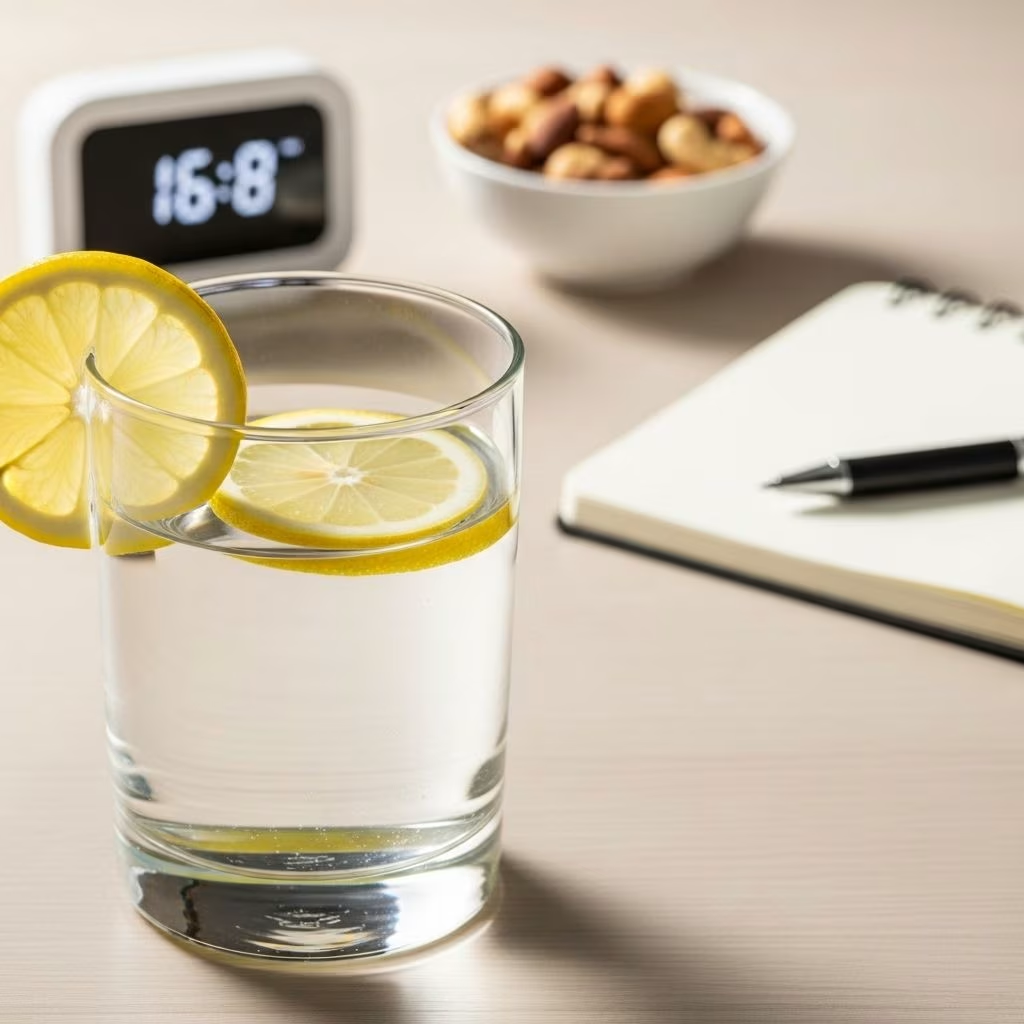
Introduction to Hydration and Intermittent Fasting
Intermittent fasting has emerged as one of the most popular dietary approaches for weight management and overall health improvement. This eating pattern involves alternating periods of fasting and eating, with the most common method being a 16:8 schedule where individuals fast for 16 hours and eat within an 8-hour window. While the focus often centers on when and what to eat, proper hydration during fasting periods remains equally crucial for success and safety.
Understanding the relationship between hydration and intermittent fasting is essential for anyone considering or currently practicing this lifestyle approach. Proper fluid intake during fasting periods not only supports bodily functions but can also enhance the benefits of intermittent fasting while minimizing potential side effects. This comprehensive guide explores every aspect of hydration during intermittent fasting, providing evidence-based recommendations for optimal results.
The Critical Importance of Proper Hydration
Hydration plays a fundamental role in virtually every bodily function, from temperature regulation and joint lubrication to nutrient transport and waste elimination. During intermittent fasting, maintaining adequate hydration becomes even more critical as the body undergoes various metabolic changes and adaptations.
Water comprises approximately 60% of the adult human body and serves as the medium for countless biochemical reactions. When fasting, the body shifts from using glucose as its primary fuel source to utilizing stored fat and producing ketones for energy. This metabolic transition requires adequate hydration to function efficiently and safely.
Dehydration during fasting can lead to numerous complications, including headaches, fatigue, dizziness, and reduced cognitive function. These symptoms are often mistakenly attributed to hunger when they may actually result from insufficient fluid intake. Proper hydration helps distinguish between true hunger and thirst, making the fasting experience more comfortable and sustainable.
Can You Drink Water During Intermittent Fasting?
The simple answer is yes – water consumption is not only allowed but strongly encouraged during intermittent fasting periods. Unlike solid foods and caloric beverages, water does not trigger insulin release or break the fasted state. This makes water the ideal beverage for maintaining hydration without compromising the metabolic benefits of fasting.
Water contains zero calories and does not affect blood sugar levels, making it completely compatible with all forms of intermittent fasting. In fact, adequate water intake is essential for supporting the body’s natural detoxification processes and maintaining optimal cellular function during fasting periods.
The exception to this rule is dry fasting, a more extreme form of fasting that restricts both food and liquid intake. However, dry fasting carries significantly higher risks and should only be attempted under medical supervision for very short periods. For standard intermittent fasting protocols, water remains the cornerstone of proper hydration.
Health Benefits of Staying Hydrated While Fasting
Maintaining proper hydration during intermittent fasting offers numerous health benefits that can enhance the overall fasting experience and support long-term wellness goals.
Enhanced Fat Metabolism
Adequate hydration supports optimal liver function, which plays a crucial role in fat metabolism during fasting. The liver requires sufficient water to efficiently convert stored fat into ketones, the alternative fuel source that powers the body during extended fasting periods.
Improved Cognitive Function
Proper hydration helps maintain mental clarity and focus during fasting periods. Even mild dehydration can impair cognitive performance, memory, and concentration. By staying well-hydrated, individuals can maintain productivity and mental sharpness throughout their fasting window.
Reduced Appetite and Cravings
Sometimes the sensation of hunger is actually thirst in disguise. Maintaining adequate hydration can help reduce false hunger signals and make fasting periods more manageable. Water also helps create a sense of fullness, potentially reducing cravings and the likelihood of overeating during feeding windows.
Support for Cellular Repair
Autophagy, the cellular cleanup process enhanced by fasting, requires adequate hydration to function optimally. Water facilitates the removal of cellular waste products and supports the regeneration of healthy cells, maximizing the anti-aging benefits of intermittent fasting.
Best Hydration Practices During Intermittent Fasting
Implementing proper hydration strategies can significantly improve the intermittent fasting experience and maximize health benefits. Here are evidence-based recommendations for optimal hydration during fasting periods.
Daily Water Intake Guidelines
The general recommendation for daily water intake is approximately 8-10 glasses (64-80 ounces) per day, but individual needs may vary based on factors such as body weight, activity level, climate, and overall health status. During intermittent fasting, it may be beneficial to increase water intake slightly to compensate for the reduced fluid intake from food sources.
Timing Your Hydration
Distributing water intake evenly throughout the day helps maintain consistent hydration levels. Start the morning with a large glass of water to rehydrate after the overnight fast, then continue drinking regularly throughout the fasting period. Avoid consuming large volumes of water all at once, as this can lead to water intoxication and electrolyte imbalances.
Quality of Water
The quality of water consumed during fasting is important for optimal health benefits. Filtered or purified water is generally preferred over tap water to minimize exposure to chlorine, fluoride, and other potentially harmful contaminants. Some individuals prefer alkaline water or add a pinch of high-quality sea salt to support mineral balance.
What Liquids Are Allowed During Fasting?
While water is the gold standard for fasting hydration, several other beverages can be consumed without breaking the fast, provided they contain minimal or no calories.
| Beverage | Calories per 8oz | Fasting Compatible | Notes |
|---|---|---|---|
| Plain Water | 0 | Yes | Ideal choice for hydration |
| Black Coffee | 2-5 | Yes | May enhance fat burning |
| Plain Tea | 2-3 | Yes | Herbal teas are excellent options |
| Sparkling Water | 0 | Yes | Unflavored varieties only |
| Apple Cider Vinegar | 3 | Yes | 1-2 tablespoons in water |
| Bone Broth | 35-50 | Depends | May break fast for some protocols |
| Diet Soda | 0 | Controversial | Artificial sweeteners may trigger insulin |
Black Coffee and Tea
Black coffee and plain tea contain minimal calories and can actually enhance some benefits of fasting, including increased fat oxidation and improved mental alertness. However, adding cream, sugar, or other caloric additions will break the fast.
Herbal Teas
Herbal teas offer variety and additional health benefits during fasting periods. Options like peppermint, chamomile, and ginger tea can provide flavor without calories while offering potential therapeutic effects such as improved digestion and reduced inflammation.
Electrolyte Supplements
For longer fasting periods or individuals who experience electrolyte imbalances, sugar-free electrolyte supplements can be beneficial. These products help maintain proper sodium, potassium, and magnesium levels without breaking the fast.
Understanding Dehydration Risks and Prevention
Recognizing the signs of dehydration and understanding how to prevent it is crucial for safe and effective intermittent fasting.
Warning Signs of Dehydration
Common symptoms of dehydration during fasting include headaches, dizziness, fatigue, dark yellow urine, dry mouth, and decreased urination frequency. More severe symptoms may include rapid heartbeat, confusion, and fainting, which require immediate medical attention.
Risk Factors
Certain individuals face higher risks of dehydration during fasting, including older adults, people with diabetes, those taking certain medications, and individuals living in hot climates. These groups should be particularly vigilant about maintaining adequate hydration.
Prevention Strategies
Preventing dehydration involves proactive hydration strategies, including drinking water before thirst occurs, monitoring urine color as a hydration indicator, and adjusting fluid intake based on activity level and environmental conditions.
Maintaining Electrolyte Balance
Electrolytes are minerals that carry electrical charges and are essential for proper cellular function, nerve transmission, and muscle contraction. During intermittent fasting, maintaining electrolyte balance becomes particularly important as the body’s mineral needs may change.
Key Electrolytes
The primary electrolytes include sodium, potassium, magnesium, and calcium. These minerals work together to maintain fluid balance, support nerve function, and enable proper muscle contractions, including the heart muscle.
Natural Electrolyte Sources
Adding a pinch of high-quality sea salt or Himalayan pink salt to water can help maintain sodium levels. Some practitioners add a small amount of potassium chloride (salt substitute) or magnesium supplements to their fasting regimen, though this should be done under medical guidance.
Common Hydration Mistakes to Avoid
Several common mistakes can compromise hydration during intermittent fasting and potentially lead to negative side effects.
Waiting Until Thirsty
Thirst is a late indicator of dehydration. By the time you feel thirsty, your body is already mildly dehydrated. Proactive hydration throughout the fasting period is essential for optimal results.
Over-hydration
Drinking excessive amounts of water can lead to water intoxication and dangerous electrolyte imbalances. This condition, known as hyponatremia, can cause serious health complications including brain swelling.
Ignoring Urine Color
Urine color serves as an excellent indicator of hydration status. Pale yellow indicates proper hydration, while dark yellow suggests dehydration. Clear urine may indicate over-hydration.
Consuming Hidden Calories
Flavored waters, sports drinks, and other beverages may contain hidden calories that can break the fast. Always check labels and stick to zero-calorie options during fasting periods.
Special Considerations for Different Fasting Methods
Different intermittent fasting protocols may require slightly different hydration approaches to maximize benefits and ensure safety.
16:8 Method
The most popular intermittent fasting method allows for consistent hydration throughout the 16-hour fasting window. Focus on drinking water regularly and consider having a large glass upon waking and before bed.
24-Hour Fasts
Extended fasting periods require more attention to hydration and electrolyte balance. Consider adding electrolyte supplements and monitoring hydration status more closely during longer fasts.
Alternate Day Fasting
This method involves alternating between fasting and eating days. Hydration needs remain consistent, but it’s important to rehydrate adequately on eating days to prepare for the next fasting period.
Water Fasting
True water fasting allows only water consumption and should be attempted only under medical supervision. This extreme form requires careful monitoring of hydration status and electrolyte levels.
Frequently Asked Questions
Q: How much water should I drink during intermittent fasting?
A: Aim for at least 8-10 glasses (64-80 ounces) of water daily, potentially increasing intake during fasting periods to compensate for reduced fluid from food sources. Individual needs vary based on body weight, activity level, and climate.
Q: Can I drink flavored water during my fast?
A: Plain, unflavored water is best during fasting. Some naturally flavored waters without calories or artificial sweeteners may be acceptable, but always check labels for hidden ingredients that could break your fast.
Q: Will drinking too much water break my fast?
A: Pure water will not break your fast as it contains no calories. However, excessive water consumption can lead to electrolyte imbalances and water intoxication, so drink according to thirst and urine color indicators.
Q: Should I add electrolytes to my water while fasting?
A: For longer fasts or if you experience symptoms like headaches or fatigue, adding a small amount of high-quality sea salt or electrolyte supplements without calories can be beneficial. Consult a healthcare provider for extended fasting periods.
Q: Can I drink coffee and tea during intermittent fasting?
A: Yes, black coffee and plain tea are generally acceptable during fasting as they contain minimal calories. These beverages can actually enhance some fasting benefits, but avoid adding cream, sugar, or other caloric additions.
Q: What are the signs that I’m drinking enough water during my fast?
A: Good hydration indicators include pale yellow urine, regular urination, moist mouth, good energy levels, and absence of headaches or dizziness. Dark urine or decreased urination frequency suggests you need more fluids.
Q: Is it normal to urinate more frequently when starting intermittent fasting?
A: Yes, increased urination is common when beginning intermittent fasting, especially if you’re drinking more water than usual. Your body will adjust over time, and frequency should normalize within a few days to weeks.
Conclusion
Proper hydration during intermittent fasting is not just recommended – it’s essential for success, safety, and maximizing health benefits. Water serves as the foundation of effective fasting, supporting metabolic processes, cellular repair, and overall well-being throughout the fasting journey.
By understanding the principles of proper hydration, recognizing the signs of dehydration, and implementing evidence-based hydration strategies, individuals can optimize their intermittent fasting experience while minimizing potential side effects. Remember that hydration needs are individual, and what works for one person may need adjustment for another.
The key to successful hydration during intermittent fasting lies in consistency, quality, and mindful consumption. Stay proactive about fluid intake, listen to your body’s signals, and don’t hesitate to consult healthcare professionals when starting extended fasting protocols or if you experience concerning symptoms.
As you continue your intermittent fasting journey, make hydration a priority alongside your eating schedule. Your body will thank you with improved energy, better cognitive function, enhanced fat burning, and a more comfortable fasting experience overall. With proper hydration strategies in place, intermittent fasting can become a sustainable and beneficial lifestyle approach that supports your long-term health and wellness goals.
References
- https://www.seasonhealth.com/blog/drinking-water-while-fasting
- https://www.healthline.com/nutrition/can-you-drink-water-when-fasting
- https://pmc.ncbi.nlm.nih.gov/articles/PMC8369953/
- https://www.medanta.org/patient-education-blog/mythbusters-fast-and-fluid-the-benefits-of-hydration-during-fasting
- https://www.nutritionnews.abbott/healthy-living/diet-wellness/what-to-consider-before-trying-an-intermittent-fasting-plan/
- https://www.mayoclinic.org/healthy-lifestyle/nutrition-and-healthy-eating/expert-answers/intermittent-fasting/faq-20441303
- https://www.kentri.org/blog/intermittent-fasting-what-is-it-and-what-are-the-benefits
- https://pmc.ncbi.nlm.nih.gov/articles/PMC9946909/


