


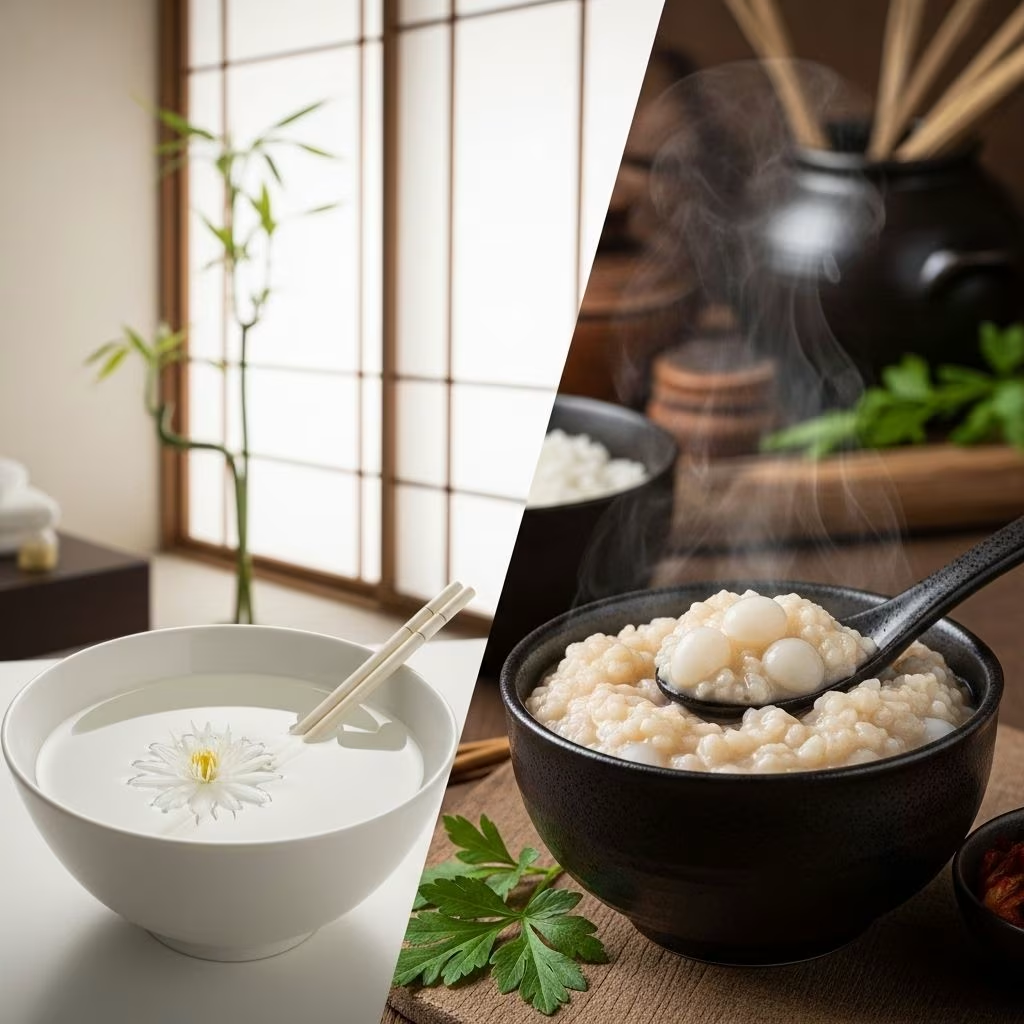
Rice has been a cornerstone ingredient in East Asian beauty rituals for centuries, evolving from storied traditional treatments to hero ingredients in some of today’s most beloved Japanese and Korean skincare products. As J-Beauty and K-Beauty continue to influence the global beauty industry, the comparison between Japanese rice water and Korean fermented rice grows ever more relevant.
Historical Roots and Cultural Significance
Rice water in J-Beauty and fermented rice in K-Beauty are both steeped in traditional practices that span centuries, but each developed within unique cultural contexts.
Rice Water in Japanese Beauty
Centuries ago, Japanese women, particularly rice farmers and the nobility, used the starchy water left over from rinsing rice—known as “komenuka yu”—to wash their faces and hair. The Yao women of China are also noted for similar traditions, but it was Japanese geisha and Kyoto artisans who popularized rice water tonics for their luminous, soft skin. Japanese rice water rituals symbolize simplicity and reverence for natural ingredients, embodying the broader aesthetic of Japanese beauty: understated, gentle, and restorative.
Fermented Rice in Korean Skincare
The practice of fermenting foods and ingredients is a hallmark of Korean culture—from kimchi to skincare. Fermented rice, or “makgeolli” (rice wine) and its derivatives, became prized in K-Beauty for their ability to amplify the potency and absorption of nutrients. Korean women historically used “ssal makgeolli” and rice lees as facial masks or tonics, seeking both radiance and age-defying effects. The underlying principle: fermentation unlocks and multiplies beneficial components, making them more bioavailable for the skin.
Scientific Composition and Skin Benefits
What sets rice water and fermented rice apart in terms of ingredients and benefits? The answer lies in both science and tradition.
Key Nutrients in Japanese Rice Water
- Kojic Acid: Inhibits melanin production, helping to brighten and fade dark spots. Also provides antifungal and antibacterial benefits.
- Inositol: Supports cellular health, promoting smoother, more youthful skin.
- Allantoin & Ferulic Acid: Soothes irritated skin and provides antioxidant protection.
- Vitamins & Amino Acids: Enhance hydration, tone, and barrier repair.
Key Nutrients in Korean Fermented Rice
- B & E Vitamins: Nourish, protect, and revitalize the skin.
- Pitera (Fermentation Byproduct): Rich in amino acids, minerals, and organic acids; supports cell turnover and regeneration.
- Antioxidants: Combat oxidative stress and reduce signs of aging.
- Linoleic Acid: Moisturizing, anti-inflammatory effects help maintain skin suppleness.
Shared and Unique Benefits
- Brightening and Even Tone: Both offer skin-brightening effects, though kojic acid in J-Beauty is noted for targeted dark spot reduction, while K-Beauty’s fermentation process may yield a more general radiance boost.
- Anti-Aging: Both traditions use rice-derived antioxidants and nutrients to reduce wrinkles and improve texture; fermented rice is specifically praised for boosting cell turnover and firmness.
- Barrier Repair and Hydration: Abundant amino acids and minerals contribute to repairing the skin barrier and maintaining moisture in both forms, but fermented rice may yield deeper hydration due to smaller molecule penetration.
Preparation Methods: Rice Water vs. Fermented Rice
J-Beauty: The Rice Water Ritual
Japanese rice water, as harnessed in J-Beauty, is traditionally prepared as follows:
- Rinse rice to remove impurities.
- Add clean water to the rice and swirl or soak for up to 30 minutes.
- Strain off the milky water and use as a face wash, toner, or hair rinse.
This process preserves nutrients without altering their natural state, supporting the minimalist, gentle approach of Japanese skincare.
K-Beauty: The Power of Fermentation
Korean fermented rice preparations require extra steps that introduce beneficial microbes and increase nutrient availability:
- Cook or soak rice, then save the water.
- Allow it to sit at room temperature for 24–48 hours to ferment, yielding a slightly sour scent as beneficial bacteria and enzymes develop.
- The resulting liquid can be applied as a toner, essence, or mask; in some cases, rice wine byproducts (like pitera or “sake kasu”) are incorporated into formulations.
Fermentation results in a dramatically increased presence of probiotics, organic acids, and small-molecule peptides—all believed to boost efficacy and skin absorption.
Modern-Day Applications in J-Beauty and K-Beauty
J-Beauty: Gentle, Restorative, Time-Honored
Modern Japanese brands craft products that highlight rice water’s gentle hydrating, brightening, and soothing properties. Typical product formats include:
- Soothing toners for sensitive or irritated skin
- Micellar and essence waters to prep and hydrate before serum
- Cleansing face washes and light lotions
- Rice bran exfoliators for ultra-gentle renewal
Brands may emphasize sustainability, heritage, and the use of Japanese-grown rice varieties rich in beneficial compounds.
K-Beauty: Fermented Innovation and Multi-Step Rituals
Korean brands are famous for innovation, frequently spotlighting fermentation in their famed multi-step routines. Fermented rice water or extract appears in:
- Essences: Lighter than serums, yet potent with nourishing ingredient blends
- Sheet masks soaked in fermented rice filtrate or pitera-rich liquids
- Creams and ampoules for powerful anti-aging
- Brightening and whitening serums (often combined with niacinamide, licorice, and other brighteners)
Koreans often layer these formulations with other fermented botanicals (like soy, ginseng, or green tea) for synergistic effects and deeper skin penetration.
Comparative Table: J-Beauty Rice Water vs. K-Beauty Fermented Rice
| Aspect | Japanese Rice Water (J-Beauty) | Korean Fermented Rice (K-Beauty) |
|---|---|---|
| Preparation | Soaking/rinsing uncooked rice and using the starchy water | Soaking or brewing rice, then fermenting water over 1–2 days |
| Key Compounds | Kojic acid, inositol, allantoin, amino acids, minerals | B & E vitamins, pitera, antioxidants, linoleic acid, probiotics |
| Signature Benefits | Brightening, gentle soothing, UV protection, minimal irritation | Deep hydration, enhanced anti-aging, stronger cell turnover, radiance |
| Modern Usage | Toners, washes, exfoliants, lotions | Essences, ampoules, masks, creams |
| Skin Type Fit | Sensitive, combination, oily, young or easily irritated skin | Mature, dry, dull, uneven tone, and anti-aging focused |
| Heritage | Simplicity, minimal processing, tradition | Fermentation, innovation, layering rituals |
Skin Type Suitability and Selection Guide
Selecting between Japanese rice water and Korean fermented rice treatments can depend on your individual skin goals and sensitivities.
- Japanese rice water may suit those with sensitive, oily, or combination skin who desire minimalism, gentle brightening, and a soothing touch.
- Korean fermented rice often appeals to individuals with dull, mature, or dry skin seeking pronounced anti-aging and radiance-enhancing effects, as well as deeper hydration and support for cell turnover.
- If layering multiple actives (like AHA, BHA, or retinol), fermented rice products may complement a more complex, multi-step routine typical in K-Beauty.
- Younger individuals or those with easily irritated or breakout-prone skin may appreciate the subtlety and non-comedogenic nature of traditional Japanese rice water products.
Frequently Asked Questions (FAQs)
Q: Can I make rice water or fermented rice treatments at home?
Yes. J-Beauty style rice water is made by soaking and straining uncooked rice. For a K-Beauty approach, let the strained rice water ferment at room temperature for 24–48 hours. Use clean utensils and containers, and discard anything with a foul smell or mold.
Q: Are the benefits of rice water and fermented rice proven by science?
Both are rich in beneficial compounds such as antioxidants and vitamins. Fermented rice water, particularly, has been shown in studies to increase collagen and provide photo-protection. While individual results vary and more research is needed, there is evidence supporting their efficacy in improving skin texture, tone, and resilience.
Q: Is there any risk of irritation or side effects?
Rice-based skincare is generally safe for most skin types. However, fermentation can shift pH and increase concentration, which may not suit extremely sensitive skin. Always perform a patch test before full application, especially with homemade products.
Q: Which brands are known for these ingredients?
For J-Beauty, look for SK-II (pitera-based), Hada Labo, and DHC. In K-Beauty, notable brands include Missha, Blithe, and Neogen, all of which highlight fermented ingredients in their lines.
Q: Can rice water or fermented rice help with acne?
Rice water provides gentle soothing and support for irritated or inflamed skin, while fermented rice can help balance microbiome and improve tone. However, neither replaces targeted acne treatments for severe cases. Consult a dermatologist for persistent breakouts.
Conclusion
Rice water in Japanese beauty and fermented rice in Korean skincare both reflect centuries-old traditions and modern scientific insight. While Japanese rice water celebrates simplicity and gentle care, Korean fermented rice harnesses the multiplying power of fermentation for transformative anti-aging and hydration. Understanding their unique origins, benefits, and roles in contemporary routines can help you choose the approach best suited to your skin’s needs and personal philosophy of beauty.
References
- https://www.100percentpure.com/blogs/feed/how-to-brighten-skin-with-rice-water
- https://sokoglam.com/blogs/theklog/rice-water
- https://www.healthline.com/health/rice-water-for-skin
- https://buymejapan.com/blogs/japanese-skincare-and-beauty/rice-water-face-wash-benefits-radiant-skin-secrets
- https://madewithine.com/blogs/news/fermented-rice-water-guide
- https://shikobeauty.com/blogs/ingredients-showcase/what-is-fermented-rice-extract-and-how-is-it-used-in-skincare
- https://shinbiskin.com/blogs/utsukushi-hada/rice-ferment-for-your-skin-a-hidden-j-beauty-gem


