


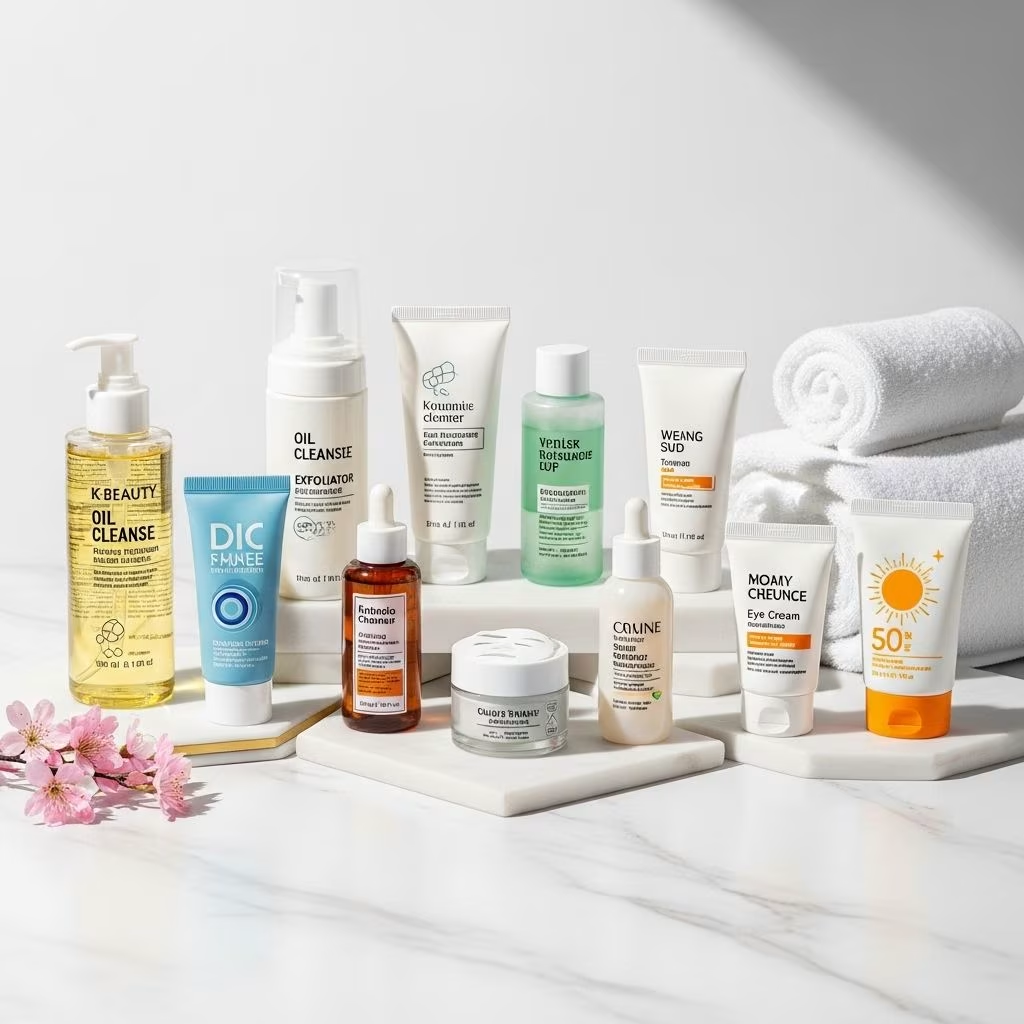
The Korean skincare phenomenon has taken the beauty world by storm, and for good reason. The K-Beauty 10-step skincare routine represents a holistic approach to skin health that prioritizes prevention, hydration, and gentle care over quick fixes. While the number ten might seem overwhelming at first, this comprehensive routine is designed to be customizable, allowing you to adapt it to your specific skin concerns and lifestyle. This guide will walk you through each step, helping you understand the purpose, application method, and benefits of this transformative skincare philosophy.
The beauty of the K-Beauty approach lies not just in the number of steps, but in the philosophy behind it. Korean skincare emphasizes treating your skin gently, layering lightweight products for maximum absorption, and maintaining consistent care rather than seeking instant results. Whether you’re dealing with acne, dryness, aging concerns, or simply want to maintain healthy skin, this routine can be adapted to meet your needs.
Understanding the K-Beauty Philosophy
Before diving into the specific steps, it’s essential to understand what makes Korean skincare different from Western approaches. K-Beauty focuses on achieving naturally healthy, glowing skin through prevention and maintenance rather than correction. The routine emphasizes hydration at every step, uses gentle ingredients that work with your skin rather than against it, and treats skincare as a form of self-care and relaxation rather than a chore.
The layering technique is fundamental to this approach. By applying products from thinnest to thickest consistency, you ensure maximum absorption of beneficial ingredients. Each layer prepares your skin for the next, creating a synergistic effect that enhances the overall efficacy of your routine. This method also allows you to customize your routine based on your skin’s daily needs, adding or removing steps as necessary.
The Complete 10-Step K-Beauty Routine
Step 1: Oil-Based Cleanser
The first step of the famous double cleanse begins with an oil-based cleanser or cleansing balm. This essential step effectively dissolves makeup, sunscreen, and excess sebum without stripping your skin of its natural oils. Oil cleansers work on the principle that like dissolves like, meaning oil-based impurities are best removed by oil-based products.
To use an oil cleanser, apply it to dry skin and gently massage in circular motions for about one minute. Focus on areas with heavy makeup or sunscreen application. Add lukewarm water to emulsify the oil, turning it into a milky texture, then rinse thoroughly. Popular ingredients to look for include jojoba oil, grape seed oil, and sea buckthorn oil, which provide cleansing benefits while nourishing the skin.
Oil cleansers come in two main forms: liquid oils and cleansing balms. Liquid oils are lightweight and perfect for oily or combination skin, while cleansing balms have a solid-to-oil texture that works well for all skin types, especially dry skin. Both are equally effective, so choose based on your personal preference and skin type.
Step 2: Water-Based Cleanser
The second step of the double cleanse uses a water-based cleanser to remove any remaining residue, including water-based impurities like sweat and dirt that the oil cleanser didn’t capture. This step ensures your skin is thoroughly clean without over-cleansing or causing irritation.
Water-based cleansers typically come in gel or foam formulations. Unlike harsh traditional cleansers, K-Beauty water-based cleansers maintain a low pH level around 5.5, which matches your skin’s natural pH and helps preserve the skin barrier. Apply the cleanser to damp skin, massage gently in circular motions, and rinse with lukewarm water. Look for cleansers containing green tea extract, centella asiatica, or glycerin for added hydration and soothing benefits.
On days when you’re not wearing makeup or sunscreen, you can skip the oil cleanser and proceed directly to this step. However, if you’ve worn any form of sun protection, the double cleanse is recommended to ensure complete removal of all products.
Step 3: Exfoliator
Exfoliation is crucial for removing dead skin cells and unclogging pores, revealing brighter and smoother skin underneath. However, this step should be approached with caution and moderation. Over-exfoliation can damage your skin barrier and cause irritation, so it’s recommended to exfoliate only once or twice per week.
There are two types of exfoliants: physical and chemical. Physical exfoliants use fine particles to manually scrub away dead skin cells, while chemical exfoliants like AHAs (glycolic acid, lactic acid), BHAs (salicylic acid), and PHAs dissolve the bonds between dead skin cells. Chemical exfoliants are generally gentler and more effective, though some people prefer the tactile experience of physical exfoliation.
When using chemical exfoliants, start with once-weekly application and gradually increase frequency if your skin tolerates it well. Always follow exfoliation with sunscreen during the day, as these ingredients can increase sun sensitivity. Focus exfoliation on areas with visible pores, texture, or congestion, such as the nose and cheeks.
Step 4: Toner
Korean toners are vastly different from traditional Western astringent toners. Instead of stripping the skin, K-Beauty toners hydrate, balance pH levels, and prepare the skin to absorb subsequent products more effectively. They help remove any remaining traces of cleanser while repairing and strengthening the skin barrier.
Apply toner immediately after cleansing while your skin is still slightly damp. You can use a cotton pad to sweep it across your face or pat it directly into your skin with your hands. The patting method, often called the “7-skin method” when done multiple times, enhances absorption and provides extra hydration. Look for toners with hyaluronic acid, botanical extracts, or fermented ingredients for maximum benefit.
Unlike alcohol-based toners that can be drying and irritating, Korean toners are gentle, hydrating, and suitable for all skin types, including sensitive skin. They create the perfect foundation for the treatment steps that follow.
Step 5: Essence
Essences are the heart of K-Beauty skincare and represent one of the most distinctive elements of the Korean routine. These lightweight, water-based treatments are packed with concentrated active ingredients that hydrate, brighten, and promote cell turnover. Essences bridge the gap between toners and serums, providing deep hydration while preparing skin for more concentrated treatments.
The texture of essences falls between toner and serum—thicker than toner but lighter than serum. Apply essence by pouring a small amount into your palms, then gently pressing and patting it into your skin. This patting motion encourages absorption and promotes circulation. Common essence ingredients include galactomyces ferment filtrate, snail mucin, and hyaluronic acid, all known for their hydrating and anti-aging properties.
When skin is properly hydrated through essence application, it becomes more receptive to the active ingredients in serums and treatments that follow. This step is particularly important for maintaining skin elasticity, improving texture, and achieving that coveted glass skin glow.
Step 6: Serum or Ampoule
Serums and ampoules are concentrated treatments that target specific skin concerns such as hyperpigmentation, fine lines, acne, or dullness. Serums contain higher concentrations of active ingredients than essences and are more viscous in texture. Ampoules are even more concentrated than serums and are typically used for intensive treatment periods or special occasions.
Choose your serum based on your primary skin concern. For anti-aging, look for ingredients like retinol, peptides, or vitamin C. For brightening, niacinamide and vitamin C are excellent choices. For acne-prone skin, consider serums with tea tree oil, centella asiatica, or BHA. Apply a few drops to your face and neck, gently patting it into your skin until fully absorbed.
Serums can be used daily, while ampoules are generally used once or twice weekly or during periods when your skin needs extra care. You can also layer multiple serums if you have several skin concerns, applying them from thinnest to thickest consistency.
Step 7: Sheet Mask
Sheet masks are perhaps the most iconic element of K-Beauty and represent a moment of relaxation and intensive treatment in your routine. These single-use fabric masks are saturated with concentrated serums and essences, delivering a surge of hydration and nutrients to your skin. While not necessary for daily use, incorporating sheet masks two to three times per week provides noticeable benefits.
Apply a sheet mask to clean, toned skin and leave it on for 15-20 minutes. The occlusive nature of the mask prevents evaporation, allowing ingredients to penetrate deeply. After removing the mask, pat the remaining essence into your skin rather than rinsing it off. Sheet masks come in varieties targeting different concerns: hydrating masks with hyaluronic acid, brightening masks with vitamin C, soothing masks with centella, and anti-aging masks with collagen or peptides.
In addition to sheet masks, K-Beauty offers wash-off masks for deep cleansing and exfoliation, and sleeping masks that provide overnight hydration. Wash-off masks should be used once or twice weekly, while sleeping masks can be used several times per week as the final step of your nighttime routine.
Step 8: Eye Cream
The delicate skin around your eyes requires special attention and care. Eye creams are formulated with gentler ingredients specifically designed for this sensitive area, addressing concerns like dark circles, puffiness, fine lines, and crow’s feet. The skin around the eyes is thinner and more prone to showing signs of aging, making dedicated eye care essential.
Apply eye cream using your ring finger, which naturally applies the lightest pressure. Gently pat a small amount around the orbital bone, avoiding direct contact with your eyes. Use eye cream both morning and night for best results. Look for ingredients like caffeine for depuffing, vitamin K for dark circles, peptides for fine lines, and hyaluronic acid for hydration.
Eye patches or masks provide an intensive treatment option for special occasions or when you need extra care. These can be used daily or several times per week, typically worn for 15-20 minutes to deliver concentrated ingredients to the eye area.
Step 9: Moisturizer
Moisturizer seals in all the beneficial ingredients from previous steps while providing essential hydration and protecting your skin barrier. Even oily skin needs moisturizer—the key is finding the right formula for your skin type. K-Beauty moisturizers range from lightweight gel creams to rich, nourishing creams.
For oily or combination skin, choose gel or water-based moisturizers that provide hydration without heaviness. For dry skin, opt for cream moisturizers with ingredients like ceramides, shea butter, or oils. For normal skin, you have flexibility to choose based on season and preference. Apply moisturizer by warming it between your palms and gently pressing it into your skin, finishing with upward and outward motions.
During winter or in dry climates, you might need a heavier moisturizer, while summer might call for something lighter. Listen to your skin and adjust accordingly. The goal is to maintain your skin’s moisture barrier, which is crucial for healthy, resilient skin.
Step 10: Sun Protection
Sunscreen is the most important step in any skincare routine and the best anti-aging product you can use. UV exposure is the primary cause of premature aging, hyperpigmentation, and skin damage. Korean sunscreens are renowned for their lightweight textures, lack of white cast, and high protection levels, making daily use effortless.
Apply sunscreen every morning as the final step of your routine, even when staying indoors, as UV rays penetrate through windows. Use at least SPF 30, though SPF 50 is recommended for optimal protection. Apply a generous amount—about a quarter teaspoon for your face and neck. Reapply every two hours when exposed to direct sunlight.
K-Beauty sunscreens come in various formulations: chemical, physical (mineral), and hybrid. Chemical sunscreens are lightweight and absorb quickly, while physical sunscreens sit on top of skin and reflect UV rays. Many Korean sunscreens also contain skincare ingredients like niacinamide or hyaluronic acid, providing additional benefits beyond sun protection.
Customizing Your Routine
The beauty of the 10-step routine is its flexibility. You don’t need to perform all ten steps every day—adjust based on your skin’s needs, your schedule, and your concerns. A minimal morning routine might include cleanser, toner, serum, moisturizer, and sunscreen, while your evening routine could be more extensive with double cleansing, exfoliation, masks, and multiple treatment steps.
Beginners should start slowly, introducing one or two new products at a time to monitor how your skin responds. Build your routine gradually over several weeks or months. This approach helps you identify which products work best for your skin and prevents overwhelming both your skin and your budget.
Consider your skin type and concerns when customizing. Oily skin might skip heavy creams and focus on lightweight layers, while dry skin benefits from richer textures and multiple hydrating steps. Sensitive skin should prioritize gentle, fragrance-free formulations and introduce new products cautiously. Acne-prone skin benefits from exfoliation and ingredients like niacinamide and tea tree oil, while mature skin thrives with anti-aging ingredients like retinol, peptides, and antioxidants.
Essential Tips for Success
Patience is key. Korean skincare is about long-term skin health rather than immediate results. Give products at least four to six weeks to show effects, as this aligns with your skin’s natural renewal cycle. Consistency matters more than perfection—a simplified routine performed daily is better than an elaborate routine done sporadically.
Layer correctly. Always apply products from thinnest to thickest consistency, allowing each layer to absorb before applying the next. Wait 30 seconds to a minute between steps for optimal absorption. This layering technique maximizes the benefits of each product.
Use the right amount. More product doesn’t mean better results. Use appropriate amounts—a dime-sized amount for cleansers, a nickel-sized amount for moisturizers, and just a few drops for essences and serums. Your skin can only absorb so much at once.
Pay attention to ingredients. Learn which ingredients work for your skin type and concerns. Keep a skincare journal to track what works and what doesn’t. Understanding ingredients helps you make informed decisions and avoid products that might irritate your skin.
Don’t forget your neck and décolletage. Extend your skincare routine beyond your face to maintain consistent texture and tone. These areas show aging just as visibly as your face.
Common Mistakes to Avoid
Over-exfoliation is one of the most common mistakes beginners make. Excitement about visible results can lead to excessive exfoliation, which damages the skin barrier and causes irritation, redness, and increased sensitivity. Stick to once or twice weekly exfoliation, and if your skin becomes irritated, reduce frequency.
Skipping sunscreen negates much of your skincare efforts. UV damage accumulates daily, and no amount of serums or treatments can undo sun damage as effectively as prevention. Make sunscreen non-negotiable, regardless of weather or indoor activities.
Introducing too many products at once makes it impossible to identify what works or what might be causing problems. Add one new product every one to two weeks, giving your skin time to adjust and allowing you to monitor results accurately.
Using products in the wrong order reduces their effectiveness. Remember the thin-to-thick rule and allow time for absorption between steps. Rushing through your routine prevents proper penetration of active ingredients.
Ignoring your skin’s signals leads to problems. If a product causes irritation, redness, or breakouts, discontinue use immediately. Your skin’s needs change with seasons, hormones, and life circumstances—adjust your routine accordingly rather than rigidly following the same regimen regardless of your skin’s feedback.
Frequently Asked Questions
Q: Do I really need to follow all 10 steps every day?
A: No, the 10-step routine is meant to be flexible and customizable. Many people do a simplified 5-6 step routine daily and incorporate additional steps like masks and exfoliation a few times per week. Listen to your skin and adjust accordingly. A consistent basic routine is more beneficial than an elaborate routine done inconsistently.
Q: How long does the full routine take?
A: A complete 10-step routine typically takes 15-20 minutes, though this varies based on waiting times between products. Morning routines are often shorter (5-10 minutes) with fewer steps, while evening routines can be more extensive. As you become familiar with the routine, it becomes quicker and more intuitive.
Q: Can I use K-Beauty products with Western skincare products?
A: Absolutely! You can mix and match Korean and Western products freely. Focus on ingredients and formulation rather than origin. The key is ensuring products complement each other and address your specific skin concerns. Many people combine K-Beauty staples like essences with Western serums or treatments.
Q: When will I see results from the K-Beauty routine?
A: Immediate results include improved hydration and a healthy glow, often visible within days. However, significant changes like reduced hyperpigmentation, improved texture, or diminished fine lines typically take 4-8 weeks as your skin completes its natural renewal cycle. Consistency is crucial for seeing transformative results.
Q: Is the K-Beauty routine suitable for all skin types?
A: Yes, the K-Beauty philosophy works for all skin types because it’s highly customizable. The key is choosing products formulated for your specific concerns. Oily skin benefits from lightweight, gel-based products; dry skin from rich, nourishing formulas; sensitive skin from gentle, fragrance-free options; and acne-prone skin from non-comedogenic products with targeted ingredients.
Q: How much does it cost to start a K-Beauty routine?
A: Costs vary widely depending on brands and products chosen. You can start with a basic routine for 50-100 dollars, including cleanser, toner, moisturizer, and sunscreen. K-Beauty offers excellent options at various price points, from affordable drugstore brands to premium luxury lines. Build your collection gradually, focusing on essentials first.
Q: Should my morning and evening routines be different?
A: Yes, morning routines typically focus on protection and lightweight hydration, ending with sunscreen. Evening routines can be more intensive, incorporating treatments, exfoliation, and richer moisturizers. Nighttime is when skin repairs itself, making it ideal for active ingredients and nourishing products.
Conclusion
The K-Beauty 10-step skincare routine represents more than just a beauty trend—it’s a comprehensive approach to skin health that emphasizes prevention, gentle care, and consistent maintenance. While the ten steps might seem daunting initially, remember that this routine is designed to be flexible and personalized to your unique skin needs. Start with the basics, gradually introduce new steps and products, and pay attention to how your skin responds.
The true magic of K-Beauty lies not in rigidly following all ten steps but in understanding the purpose behind each step and adapting them to create a routine that works for your lifestyle and skin concerns. Whether you follow a minimal five-step routine or embrace the full ten steps, the principles of double cleansing, layering lightweight products, prioritizing hydration, and protecting your skin from sun damage will serve you well.
Embrace this journey toward healthier, more radiant skin with patience and consistency. The investment you make in your skincare routine today will pay dividends in the long term, helping you maintain youthful, glowing skin for years to come. Remember that skincare is an act of self-care, and taking these moments to care for yourself provides benefits beyond just beautiful skin—it offers a daily ritual of mindfulness and self-love that nourishes both body and spirit.
References
- https://www.youtube.com/watch?v=PBPHF783ISo
- https://sokoglam.com/pages/10-step-korean-skincare-routine
- https://koreanskincare.co.uk/blogs/skintalks/full-10-step-routine
- https://www.facetory.com/blogs/curations/how-to-build-the-perfect-k-beauty-skincare-routine-a-beginner-s-guide-by-facetory
- https://asianbeautyessentials.com/blogs/the-idol-beauty-blog/10-step-korean-skin-care


