


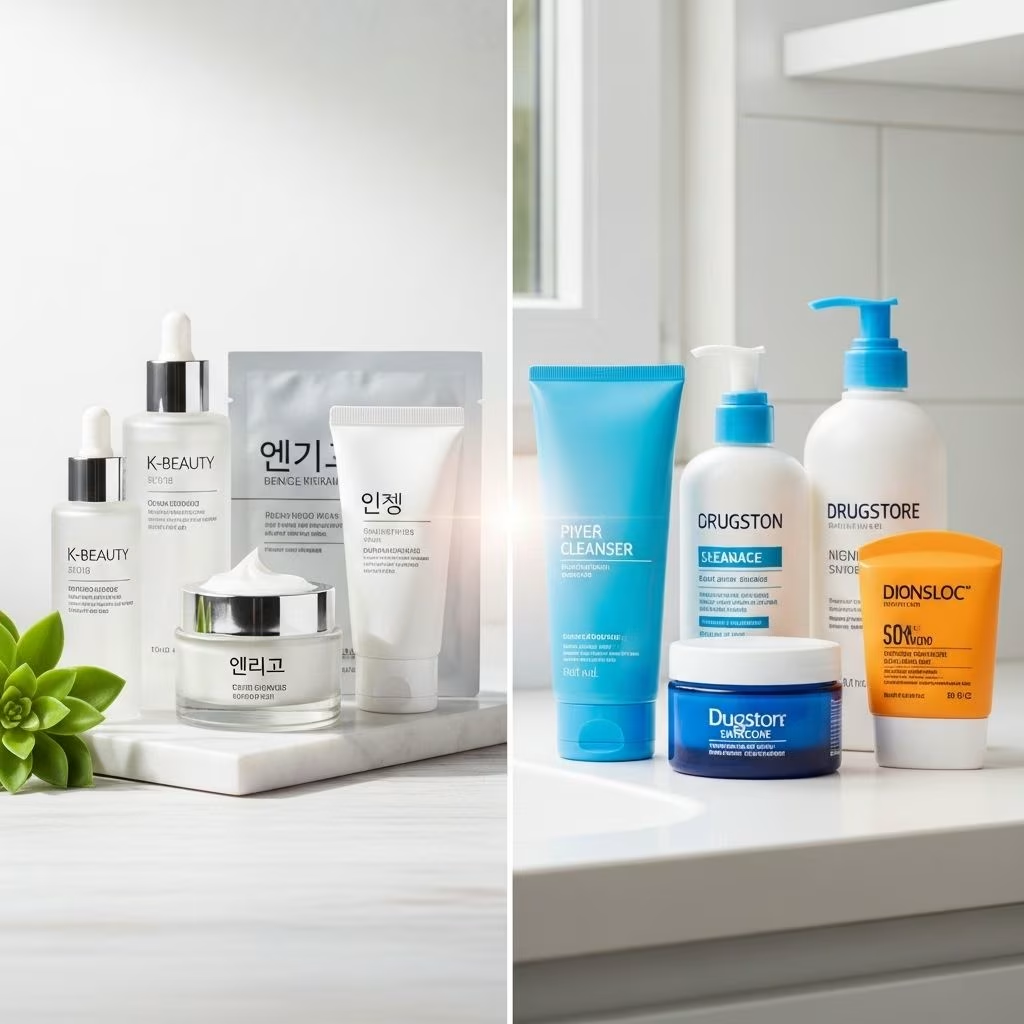
Skincare enthusiasts today are presented with an overwhelming array of products, ranging from the multi-step Korean beauty (K-Beauty) regimens to the straightforward Western drugstore staples. But which offers better value for money? Is K-Beauty just a fad, or does it deliver real results? This comprehensive guide dives deep into the price, efficacy, ingredients, and routines of K-Beauty compared to Western drugstore skincare, helping you make an informed choice for your skin.
Introduction to K-Beauty and Drugstore Skincare
Korean beauty, or K-Beauty, has become a global phenomenon, praised for its innovative formulas, playful packaging, and focus on achieving “glass skin”—a term for luminous, hydrated, and flawless-looking skin. Unlike Western drugstore skincare, which typically offers straightforward cleansers, moisturizers, and occasional serums, K-Beauty is built on a 10-step routine emphasizing hydration, protection, and prevention. Western drugstore products, while effective for basic needs, often focus on strong actives for quick problem-solving, especially for acne or pigmentation.
Price Comparison: Is K-Beauty More Affordable?
Contrary to popular belief, K-Beauty isn’t necessarily more expensive than Western drugstore skincare. While both categories offer a wide price range, K-Beauty products at the drugstore level often cost less than mid- to high-end Western brands, especially when purchased directly from Asia or through reputable online retailers. Many Korean and Japanese skincare brands deliver effective formulations at lower price points, making them accessible to a wider audience.
- K-Beauty: Drugstore-level products (e.g., cleansers, toners, sheet masks) are generally affordable, with the added benefit of larger sizes and better value for money in some cases.
- Western Drugstore Skincare: Entry-level brands (e.g., Cetaphil, Neutrogena) are competitively priced, but mid-range and premium products can escalate in cost, especially for specialized treatments.
| Skincare Type | Typical Price Range (Cleanser) | Typical Price Range (Serum) | Value for Money |
|---|---|---|---|
| K-Beauty (Drugstore) | $5–$15 | $10–$25 | High (large sizes, potent ingredients) |
| Western Drugstore | $5–$20 | $10–$40 | Moderate (smaller sizes, variable quality) |
| Luxury Western | $20+ | $40+ | Low (premium branding, similar/sometimes less effective ingredients) |
Efficacy: Which Routine Delivers Better Results?
K-Beauty is celebrated for its preventive approach, focusing on hydration, skin barrier repair, and gentle exfoliation to maintain skin health and radiance. The 10- (or more) step routine may seem excessive, but each product serves a purpose, from oil cleansing to targeted treatments like essences and ampoules. The result is often “glass skin”—supple, clear, and dewy skin—that many find difficult to achieve with Western routines.
Western drugstore skincare, in contrast, prioritizes problem-solving: acne, wrinkles, dark spots, and oil control. Products often contain potent actives like benzoyl peroxide, salicylic acid, retinol, and vitamin C, which can deliver visible results quickly for specific concerns. However, these ingredients can sometimes be harsh, leading to irritation or dryness, especially for sensitive skin types.
- K-Beauty: Best for sustained hydration, barrier repair, skin brightening, and achieving a dewy, plump complexion over time.
- Western Drugstore: More effective for quick fixes like acne reduction, exfoliation, and spot treatments, but may lack the holistic approach to skin health.
Test Results and User Experiences
Many skincare enthusiasts report that switching to K-Beauty improved their skin texture, hydration, and overall glow, especially for dry, combination, or sensitive skin types. Western drugstore products often garner praise for clearing acne and improving pigmentation, but may fall short in maintaining long-term hydration and preventing future skin issues.
Ingredient Profiles: Natural vs. Synthetic
K-Beauty is renowned for its use of natural, often fermented ingredients, and botanical extracts. Common ingredients include snail mucin, ginseng, green tea, rice extracts, propolis, centella asiatica (cica), honey, and seaweeds, all chosen for their soothing, healing, and brightening properties. These ingredients are generally gentle yet effective, making them ideal for sensitive or reactive skin.
| Ingredient | Benefit | Common in K-Beauty | Common in Western Drugstore |
|---|---|---|---|
| Snail Mucin | Hydrates, repairs, and brightens skin | Yes | Rare |
| Centella Asiatica (Cica) | Soothes and strengthens skin barrier | Yes | Rare |
| Benzoyl Peroxide | Fights acne quickly | No | Yes |
| Salicylic Acid | Exfoliates and unclogs pores | Occasionally | Yes |
| Hyaluronic Acid | Deeply hydrates | Yes | Yes |
Western drugstore products often rely on synthetic chemicals like parabens, sulfates, and artificial fragrances, though this is changing as more brands adopt cleaner formulations. The focus remains on targeted treatments using acids, retinoids, and other potent compounds.
Routine Complexity: 10 Steps or Simplicity?
K-Beauty’s reputation for elaborate routines isn’t entirely accurate. While the 10-step routine exists, most users customize their regimen to 4–6 steps based on their skin needs: double cleanse, tone, moisturize, exfoliate occasionally, and add serums or masks as desired. The emphasis is on gradual, gentle improvement and prevention.
Western drugstore routines are typically simpler: cleanse, treat, moisturize, and protect (sunscreen). This minimalist approach appeals to those seeking convenience and quick results without investing significant time or money.
Skin Concerns: Which Approach Suits You?
Your skin type and concerns should guide your choice:
- Dry or Sensitive Skin: K-Beauty’s focus on hydration and soothing, plant-based ingredients is ideal.
- Oily or Acne-Prone Skin: Western drugstore products with salicylic acid or benzoyl peroxide may offer faster relief, but K-Beauty’s gentle acids and calming ingredients can help in the long run.
- Combination Skin: A mix of both routines may work best—using K-Beauty for hydration and Western products for spot treatments.
- Mature Skin: K-Beauty’s antioxidants and anti-aging ingredients (like ginseng and fermented extracts) can complement Western retinoids and vitamin C.
Global Availability and Accessibility
Western drugstore brands are widely available in pharmacies and supermarkets across the globe, making them convenient for most shoppers. K-Beauty, once niche, is now accessible through online retailers, specialty stores, and even mainstream drugstores. Soko Glam, YesStyle, Stylevana, and Asian supermarkets are popular sources for authentic K-Beauty products.
While online shopping expands access, shipping times and import fees can add to the cost, though many K-Beauty products remain affordable even with these factors considered.
Myths and Misconceptions
Myth 1: K-Beauty is Always More Expensive
While some luxury K-Beauty brands exist, most are reasonably priced, often cheaper than mid-range Western brands, especially when bought directly from Asia.
Myth 2: The 10-Step Routine is Mandatory
The 10-step routine is a guideline, not a rule. Many users find success with fewer steps tailored to their needs.
Myth 3: Western Products are Always Harsher
While Western products can be potent, many brands are shifting toward gentler, more inclusive formulas. K-Beauty,
References
- https://japanesetaste.com/blogs/japanese-taste-blog/american-skincare-vs-asian-skincare-exploring-two-vastly-different-approaches-to-skincare
- https://seoulcosmeticsurgery.com/korean-skincare-versus-western-skincare/
- https://www.youtube.com/watch?v=X4RFj-CYLPk
- https://www.hercampus.com/school/upr/american-skin-care-vs-korean-skin-care-how-ditching-my-old-routine-saved-my-skin/
- https://www.youtube.com/watch?v=pfbuL-M4N5g
- https://www.youtube.com/watch?v=ErQvcshDbWg


