


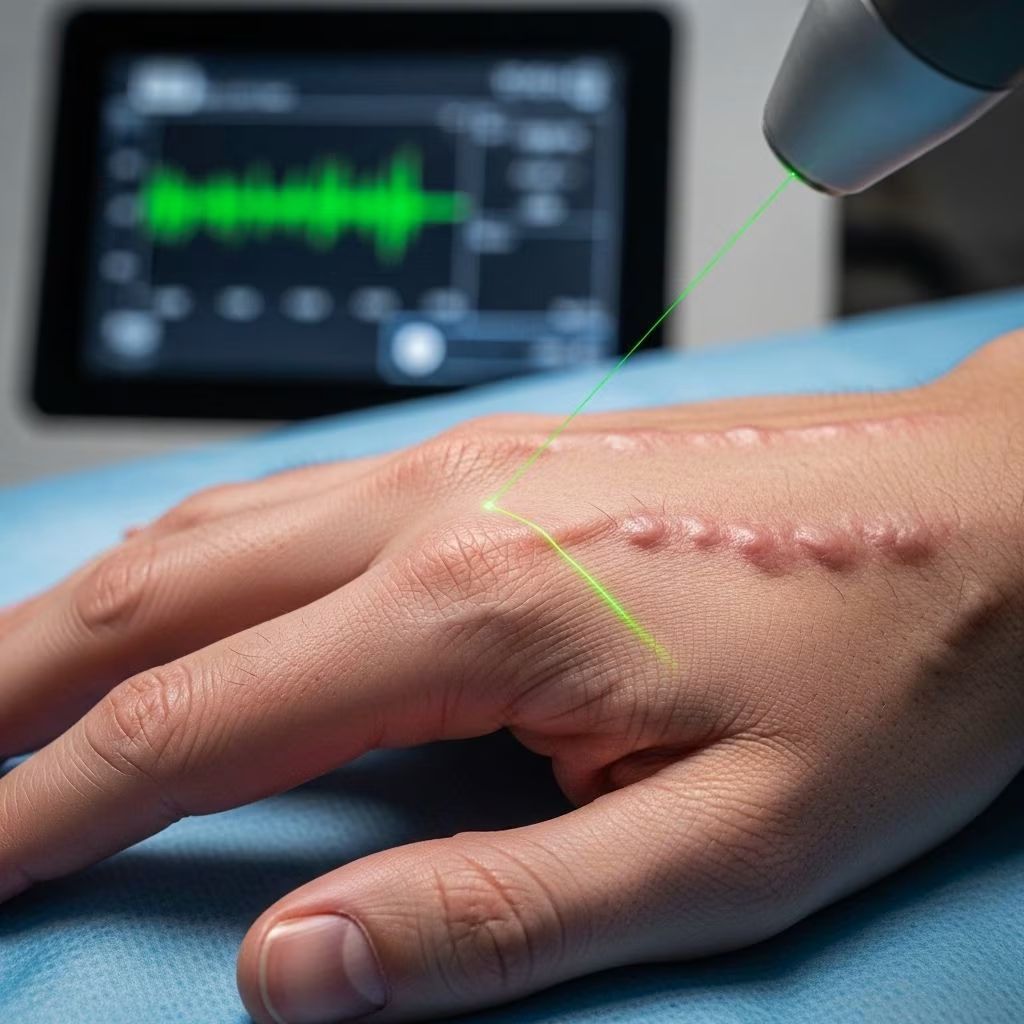
Surgical and traumatic scars can significantly affect physical appearance, mobility, and overall quality of life. In recent decades, laser technologies have emerged as key modalities for improving scar appearance, relieving symptoms, and enhancing function. This comprehensive guide explores modern laser options for scar management, mechanisms of action, clinical outcomes, patient selection, and future developments.
Understanding Surgical and Traumatic Scars
Scars are the skin’s natural response to injury, resulting from surgery, trauma, burns, or other wounds. The healing process can sometimes produce conspicuous or problematic scars, such as:
- Hypertrophic scars: Raised, red, and thick scars that remain within the wound boundary.
- Keloids: Overgrown, firm scars that extend beyond the original wound.
- Atrophic scars: Depressed or pitted scars, often caused by tissue loss.
- Contractures: Scars that tighten skin, limiting movement and function.
Both physical and psychosocial impacts of these scars—such as pain, itchiness, functional impairment, and self-consciousness—prompt the search for effective, minimally invasive treatments.
Laser Therapy Overview
Laser therapy has revolutionized scar management since the 1980s. It encompasses a spectrum of technologies that utilize focused light energy to remodel scar tissue, improve appearance, and alleviate symptoms. Key benefits include:
- Minimally invasive approach
- Reduced downtime and quick recovery
- Improvement in scar color, texture, and flexibility
- Symptom relief: Pain, pruritus (itchiness), and contracture reduction
Lasers can be used alone or in combination with other therapies to address a range of scar types.
Types of Lasers Used in Scar Treatment
Several distinct laser and light-based devices are harnessed for surgical and traumatic scar management. The main categories include:
| Laser/Device | Wavelength (nm) | Main Use | Notable Effects |
|---|---|---|---|
| Pulsed Dye Laser (PDL) | 585–595 | Vascular (red) scars, hypertrophic scars, keloids | Reduces redness, improves texture & pliability |
| Fractional CO2 Laser | 10,600 | Thick, raised, or contractile scars | Resurfaces tissue, stimulates new collagen |
| Er:YAG Laser | 2,940 | Surgical scars, burn scars | Ablative resurfacing, smoother skin |
| Nd:YAG Laser | 1,064/1,320 | Atrophic/post-surgical scars | Improves texture, collagen production |
| Intense Pulsed Light (IPL) | 500–1,200 | Red or pigmented scars | Targets hemoglobin and melanin, fades scar color |
| Radiofrequency Devices | — | Various scar types | Thermolysis, enhances drug delivery, newer adjunct |
Pulsed Dye Laser (PDL)
PDL is a gold-standard option for vascular and hypertrophic scars due to its specificity for hemoglobin, targeting blood vessels within the scar. Benefits include reduced redness, improved pliability, and decreased scar height. Studies show 57% to 83% improvement in hypertrophic scars after one or two PDL sessions, with visible results after the first treatments.
Fractional CO2 and Er:YAG Lasers
Fractional ablative lasers, such as CO2 and Er:YAG, create microscopic columns of thermal injury within scar tissue. This prompts a repair process involving the formation of healthier collagen and elastin, leading to a flatter, softer scar appearance. These lasers are ideal for thick, contractile, or immobile scars, and have shown success in enhancing movement and reducing pain or neuropathic symptoms.
Non-Ablative Fractional Lasers
Non-ablative fractional lasers deliver controlled thermal energy without vaporizing the skin surface, producing gradual improvements over multiple sessions with minimal downtime. These are effective for both hypertrophic and atrophic scars, and especially suitable for sensitive areas like the face.
Intense Pulsed Light (IPL)
Though not technically a laser, IPL uses broad-spectrum light to target both hemoglobin and melanin, making it helpful for red or brown scars. IPL can lighten scar color and blend it more effectively with surrounding skin, enhancing cosmetic results.
Radiofrequency and Ultrasound Devices
Emerging non-laser options, such as radiofrequency and ultrasound, can create micro-plasma sparks or mechanical disruption to complement laser therapy, promote collagen remodeling, and enhance topical drug delivery.
Mechanisms of Action
Lasers improve scar tissue through several key mechanisms:
- Selective photothermolysis: Lasers target chromophores such as hemoglobin or water within the scar, producing controlled thermal injury in specific tissue layers.
- Collagen remodeling: Microscopic wound creation stimulates new, better-organized collagen and reduces disorganized or excess scar tissue.
- Stimulation of skin regeneration: Remaining tissue bridges between treated areas promote rapid recovery and improved texture.
- Reduction of vascularity: PDL and IPL reduce visible redness by collapsing superficial blood vessels.
- Enhanced drug delivery: Fractional lasers create microscopic channels that facilitate topical medications’ penetration into scar tissue.
Clinical Outcomes and Effectiveness
Laser therapy offers measurable benefits for the majority of patients with surgical and traumatic scars. Reported outcomes include:
- Scar flattening and softening
- Reduction in visible redness or pigmentation
- Improved mobility and release of contractures
- Alleviation of pain and itching
- Prevention of hypertrophic or keloid formation when used early
- Enhanced patient satisfaction and self-esteem
Fractional ablative and non-ablative lasers lead to significant cosmetic and functional improvements, especially when combined with early intervention—ideally within weeks or months of wound closure or suture removal.
Session Planning and Expectations
- Most patients require multiple sessions, typically spaced 4–8 weeks apart
- Improvements are often visible after one treatment for some patients, but optimal results develop over 3 to 6 months post-treatment
- Mild swelling and redness are common and usually resolve within days
Laser scar therapy does not completely remove scars but aims to make them less visible, symptomatic, and limiting.
Combined and Adjuvant Approaches
Modern scar therapy often combines laser treatments with other modalities to maximize outcomes:
- Surgical revision plus fractional laser: Enhances tissue regeneration, reduces risk of new scar formation, and may lessen need for repeat excision or grafting.
- Topical drug delivery: Fractional lasers increase the efficacy of corticosteroids, silicone gels, or other anti-scarring agents via improved absorption.
- Physical therapy: Especially vital for burn or contractile scars affecting movement
- Intense pulsed light (IPL): Often paired with ablative laser to optimize pigment and vascular elements.
Potential Side Effects and Safety Considerations
While laser therapy is generally safe, patients and clinicians should be aware of potential side effects:
- Transient redness, swelling, or discomfort post-treatment
- Temporary skin darkening or lightening (hyper- or hypopigmentation)
- Rare infection or blistering, especially with aggressive protocols
- Risk of hypertrophic scarring if not performed by experienced practitioners
The advantages of laser therapy—minimal invasion and quick recovery—are best realized with individualized protocols and supervision by trained dermatologists or plastic surgeons.
Best Practices in Patient Selection and Timing
- Laser scar therapy may be initiated in the early postoperative or post-injury phase—sometimes as soon as sutures are removed or the wound is healed and closed.
- Early intervention is associated with better prevention of problematic scars and optimized long-term appearance and function.
- Not all scar types respond equally; hypertrophic and vascular scars particularly benefit from early and combined laser modalities.
- Careful assessment of skin type, scar characteristics, patient health, and goals is critical.
Future Directions in Laser Scar Therapy
Lasers and light-based therapies in scar management are continually evolving. Innovations include:
- Integration of fractional radiofrequency and ultrasound to boost repair and enhance topical therapy delivery
- Development of next-generation fractional lasers with lower downtime and increased precision
- Personalized treatment plans based on genetic and tissue profiling
- Ongoing research into non-invasive combination protocols for functional recovery and symptom relief
Frequently Asked Questions (FAQs)
Q: Are laser treatments painful?
Most laser sessions are well-tolerated. Patients may experience mild discomfort, described as a brief warm or stinging sensation. Topical anesthetics or cooling devices often minimize discomfort, and downtime is typically minimal.
Q: How many sessions are needed for optimal scar improvement?
Three to twelve sessions, spaced four to eight weeks apart, are usual for most patients. The exact number depends on scar type, location, and patient goals.
Q: Can laser remove scars completely?
No, laser therapies cannot fully erase a scar, but they replace thick or rough scars with smaller, smoother, and less noticeable ones. The goal is significant cosmetic and functional improvement, not total removal.
Q: Is laser scar treatment safe for children?
Yes, when performed by experienced clinicians, laser therapies are safe for pediatric patients, especially for burn or traumatic scars that impair function or cause distress.
Q: Who should avoid laser scar procedures?
Individuals with active skin infections, certain skin diseases, or extreme photosensitivity may not be candidates. A thorough clinical evaluation determines suitability.
Q: What is the recovery like?
Most patients experience some redness, swelling, and minor sensitivity for a few days. Rarely, scabbing or temporary color changes may occur. Gentle care and sun protection are recommended post-treatment.
References and Further Reading
- Comprehensive laser scar treatment reviews (PMC6350396, NCBI Bookshelf StatPearls)
- Patient care insights from academic dermatology centers and hospitals
- Emerging research on fractional, non-ablative, and combination therapies
References
- https://pmc.ncbi.nlm.nih.gov/articles/PMC6350396/
- https://www.medstarhealth.org/blog/how-does-laser-therapy-work-for-scars
- https://www.ncbi.nlm.nih.gov/books/NBK539686/
- https://utswmed.org/medblog/scar-laser-therapy-burn/
- https://www.uofmhealth.org/conditions-treatments/surgery/co2-laser-resurfacing
- https://www.bcm.edu/healthcare/specialties/dermatology/laser-surgery/laser-treatment-of-scars
- https://www.shrinerschildrens.org/en/news-and-media/news/2024/09/power-of-laser-treatment-for-burn-scars
- https://www.webmd.com/beauty/what-to-know-laser-scar-treatment


