


Table of Contents
\n
- \n
- The Importance of Posture in Meditation
- Optimal Meditation Postures
- The Role of Environment in Meditation
- Overcoming Common Challenges
- Meditation and Sleep
- Frequently Asked Questions
\n
\n
\n
\n
\n
\n
\n\n
The Importance of Posture in Meditation
\n
Posture is a cornerstone of effective meditation. It affects not only physical comfort but also mental focus, energy flow, and the quality of your practice. A balanced posture enables you to stay present and alert, reducing distractions that might arise from discomfort or poor alignment.
\n\n
Physical Comfort and Stability
\n
Physical comfort is essential for sustained meditation. Discomfort can lead to fidgeting, tension, and a wandering mind, making it difficult to enter a meditative state. Finding a posture that suits your body’s needs is crucial—whether seated, kneeling, standing, or lying down.
\n\n
Alignment and Energy Flow
\n
Proper alignment, especially a straight spine, allows for optimal breath and energy flow. This alignment helps cultivate a deeper mind-body connection and enhances the overall meditation experience. When the spine is erect and the body is grounded, the mind tends to follow, becoming still and receptive.
\n\n
Mental Focus and Alertness
\n
Your posture directly influences your mental state. Sitting upright promotes alertness and concentration, while slouching or lying down might encourage drowsiness. For practices focused on mindfulness and awareness, an upright position is generally recommended to maintain clarity and attention.
\n\n
Emotional and Psychological Impact
\n
Research suggests that posture affects emotions and mindset. An open, upright posture can foster feelings of confidence and positivity, while a closed or slouched position may contribute to lethargy or negativity. Being mindful of your posture allows you to consciously cultivate a more empowered and positive mental state during meditation.
\n\n
Accessibility and Adaptability
\n
There is no universal “correct” posture—what works for one person may not work for another. Accessibility is key; adapt your posture to your physical condition, whether that means using cushions, chairs, or even lying down. The goal is to find a position that supports your practice without causing strain.
\n\n
Optimal Meditation Postures
\n
Meditation can be practiced in various postures, each offering unique benefits and considerations. Below is an overview of the most common positions and how to practice them effectively.
\n\n
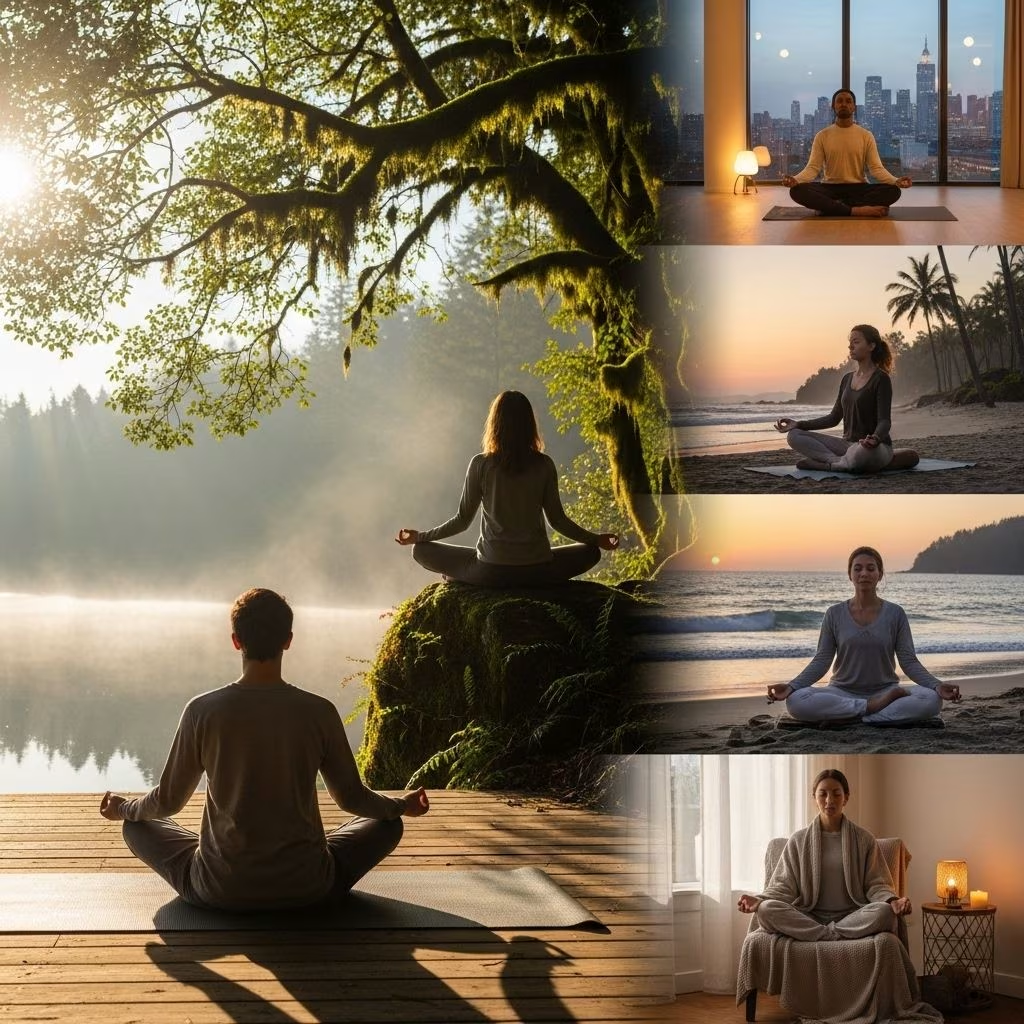
Seated Meditation
\n
The classic seated posture is the most widely practiced. Here’s how to achieve it:
\n
- \n
- Sit on a cushion, mat, or chair with your hips slightly higher than your knees.
- Keep your spine straight but not rigid, allowing for natural curves.
- Relax your shoulders, drawing them slightly back and down to open the chest.
- Rest your hands on your knees or lap, palms facing up or down.
- Align your chin slightly downward, lengthening the back of your neck.
- Let your jaw, tongue, and facial muscles relax.
\n
\n
\n
\n
\n
\n
\n
This posture promotes alertness and is ideal for most mindfulness and concentration practices.
\n\n
Kneeling Meditation
\n
For those who find sitting cross-legged uncomfortable, kneeling is an excellent alternative:
\n
- \n
- Kneel on a mat with your shins flat and your ankles beneath your buttocks.
- Use a cushion or meditation bench between your thighs and calves for support.
- Keep your spine straight and shoulders relaxed.
- Avoid putting too much pressure on your knees; adjust your position if you feel pain.
\n
\n
\n
\n
\n\n
Standing Meditation
\n
Standing meditation is less common but can be powerful, especially for grounding and energy work:
\n
- \n
- Stand with your feet shoulder-width apart, toes slightly outward.
- Bend your knees slightly to avoid locking them.
- Let your arms hang naturally at your sides or place your hands on your belly to feel your breath.
- Imagine roots growing from your feet into the earth, grounding your energy.
\n
\n
\n
\n
\n\n
Lying Down Meditation
\n
Lying down can be beneficial for relaxation and pain relief, though it may lead to sleepiness:
\n
- \n
- Lie on your back on a comfortable surface, arms by your sides, palms up.
- Place a pillow under your knees if you have lower back discomfort.
- Keep your legs hip-distance apart and allow your feet to relax outward.
- This position is excellent for body scan meditations and relaxation practices, especially before sleep.
\n
\n
\n
\n
\n\n
| Posture | Benefits | Considerations |
|---|---|---|
| Seated (cross-legged or chair) | Promotes alertness, traditional, good for most practices | May cause discomfort if not supported; use cushions if needed |
| Kneeling | Easier on hips and back, good for those with tight hips | Can strain knees; use support under buttocks |
| Standing | Grounding, energizing, good for short sessions | May be tiring for longer sessions |
| Lying Down | Deep relaxation, pain relief, good for sleep preparation | May lead to drowsiness or sleep |
\n\n
The Seven-Point Meditation Posture
\n
This traditional Buddhist approach outlines seven key points for seated meditation:
\n
- \n
- Seat: Sit cross-legged on a cushion.
- Hands: Rest hands in your lap, right over left, thumbs touching.
- Spine: Keep your spine straight, like “a stack of coins.”
- Shoulders: Roll shoulders back and down, chest open.
- Chin: Tuck chin slightly, elongating the back of the neck.
- Eyes: Lower your gaze, eyes half-open or closed.
- Jaw: Relax your jaw and tongue.
\n
\n
\n
\n
\n
\n
\n
\n
Adjust these points to suit your body, prioritizing comfort and stability.
\n\n
The Role of Environment in Meditation
\n
Your surroundings significantly influence the quality of your meditation. A conducive environment minimizes distractions, supports relaxation, and enhances focus.
\n\n
Choosing Your Space
\n
- \n
- Quietness: Select a quiet area, free from loud noises and interruptions.
- Comfort: Ensure the temperature is comfortable—neither too hot nor too cold.
- Lighting: Soft, natural light is ideal. Dim lighting can help signal relaxation to your mind.
- Cleanliness: A clean, uncluttered space promotes a clear mind.
- Personal Touch: Add elements that inspire calm, such as candles, cushions, or plants.
\n
\n
\n
\n
\n
\n\n
Minimizing Distractions
\n
- \n
- Silence your phone and other electronic devices.
- Inform others in your household of your meditation time to avoid interruptions.
- Use a timer to avoid checking the clock.
\n
\n
\n
\n\n
Creating Ritual and Consistency
\n
Meditating in the same place and at the same time each day helps establish a habit. Over time, your body and mind will associate this environment with relaxation and focus, deepening your practice.
\n\n
Adapting to Different Environments
\n
While a dedicated meditation space is ideal, it’s possible to meditate anywhere—on public transport, at work, or outdoors. The key is to maintain your posture and focus, regardless of external conditions.
\n\n
Overcoming Common Challenges
\n
Many meditators face obstacles related to posture and environment. Here’s how to address them:
\n\n
Physical Discomfort
\n
- \n
- Use props like cushions, benches, or chairs to support your posture.
- Stretch before meditating to relieve tension.
- Gradually increase your sitting time to build endurance.
\n
\n
\n
\n\n
Mental Distractions
\n
- \n
- Acknowledge distractions without judgment, gently returning your focus to your breath or mantra.
- Practice in a quieter environment or use background white noise if necessary.
\n
\n
\n\n
Environmental Barriers
\n
- \n
- If your home is noisy, try meditating early in the morning or late at night.
- Use earplugs or noise-canceling headphones.
- Create a portable meditation kit with a cushion and shawl for practice on the go.
\n
\n
\n
\n\n
Meditation and Sleep
\n
Posture and environment also play a role in meditation’s impact on sleep. Lying down meditations, especially before bed, can help alleviate insomnia and improve sleep quality by promoting deep relaxation. Practicing in a calm, dimly lit room signals to your body that it’s time to rest, enhancing the transition to sleep.
\n\n
Frequently Asked Questions
\n\n
Q: Is it necessary to sit cross-legged to meditate?
\n
A: No, you do not need to sit cross-legged. Meditation can be practiced in a chair, kneeling, standing, or even lying down. The most important factor is comfort and the ability to maintain alertness.
\n\n
Q: What if I can’t sit still because of pain or discomfort?
\n
A: If you experience pain, adjust your posture or use supports like cushions or chairs. The goal is to be comfortable enough to focus on your meditation without distraction.
\n\n
Q: How important is the environment for meditation?
\n
A: A quiet, clean, and comfortable environment can significantly enhance your practice by minimizing distractions and supporting relaxation. However, with practice, you can meditate effectively in various settings.
\n\n
Q: Can lying down meditation be as effective as seated meditation?
\n
A: Lying down can be very effective for relaxation and body scan practices, though it may lead to drowsiness. For mindfulness and concentration, sitting upright is generally recommended.
\n\n
Q: How long should I meditate each day?
\n
A: Even 10–15 minutes daily can yield benefits. Consistency is more important than duration—regular practice deepens the effects over time.
\n\n
Q: Should I use a meditation app or timer?
\n
A: Using a timer can help you stay present without worrying about the time. Apps can also provide guidance, especially for beginners.
\n
References
- https://cymbiotika.com/blogs/health-hub/does-meditation-position-matter-exploring-the-impact-of-posture-on-your-practice
- https://www.uprightpose.com/blog/health-benefits-meditation-good-posture/
- https://mindworks.org/blog/meditation-positions-lying-down/
- https://www.healthline.com/health/mental-health/meditation-positions
- https://www.skepticspath.org/blog/the-8-best-meditation-positions/
- https://www.mayoclinic.org/tests-procedures/meditation/in-depth/meditation/art-20045858
- https://health.ucdavis.edu/blog/cultivating-health/10-health-benefits-of-meditation-and-how-to-focus-on-mindfulness-and-compassion/2022/12
- https://www.headspace.com/meditation/positions


