


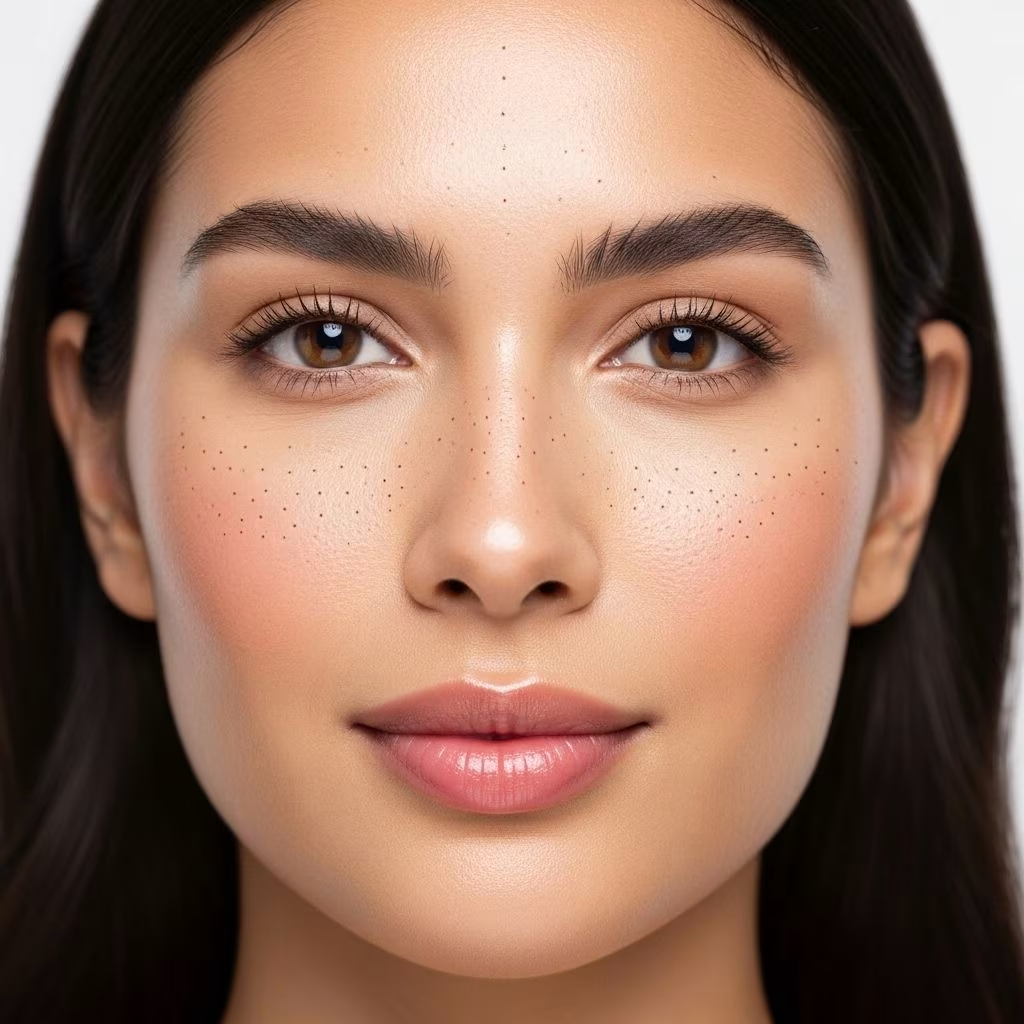
Microneedling has revolutionized skincare by creating controlled micro-injuries that trigger the skin’s natural healing response, boosting collagen production and improving texture, tone, and scarring. However, the real magic happens not just during the treatment but in how you care for your skin afterward. One of the most critical aspects of post-microneedling care is understanding when and how to reintroduce active ingredients into your routine. The strategic layering of actives can amplify your results, but timing is everything—apply them too soon, and you risk irritation, inflammation, or even damage to your healing skin.
Your skin becomes remarkably absorbent after microneedling, which presents both an opportunity and a risk. While this enhanced permeability allows beneficial ingredients to penetrate deeper, it also means harsh or inappropriate actives can cause significant harm. This comprehensive guide will walk you through the science of post-microneedling skin behavior, the safe timeline for reintroducing actives, and the precise layering techniques that will help you achieve that coveted healthy glow without compromising your skin’s recovery.
Understanding Your Skin’s Healing Journey After Microneedling
Before diving into which actives to use and when, it’s essential to understand what your skin experiences after microneedling. The procedure creates thousands of microscopic channels in your skin, intentionally triggering a wound-healing cascade. This process unfolds in distinct phases, each requiring specific care and consideration.
Immediately after treatment, your skin enters the inflammatory phase. During the first 24 to 72 hours, you’ll notice redness, tightness, and increased sensitivity. Your skin barrier is temporarily compromised, making it super absorbent but also vulnerable. This is when your skin is working overtime to initiate repair mechanisms, sending growth factors and immune cells to the treated area.
Between days four and fourteen, your skin enters the proliferation phase, where the real regeneration happens. Collagen and elastin production ramps up, new skin cells form, and your complexion begins its transformation. During this time, you might experience dryness, flaking, or itchiness as old cells rise to the surface and shed. This purging process is completely normal and indicates that cellular turnover is accelerating.
Finally, after approximately two weeks, the remodeling phase begins and continues for several months. The newly formed collagen matures and reorganizes, creating the improved texture and firmness that makes microneedling so effective. Understanding these phases is crucial because each stage dictates which products are safe and beneficial to use.
The Critical First 48 Hours: What Your Skin Needs Most
The initial 48 hours post-microneedling represent the most delicate window of your recovery. Your skin is essentially in crisis mode, focusing all its energy on sealing those micro-channels and preventing infection. During this period, simplicity is your best friend, and most active ingredients should be completely avoided.
Your primary focus should be on hydration, soothing, and protection. Hyaluronic acid becomes your MVP during this phase. As a powerful humectant, it draws moisture from the environment and binds it to your skin, providing the deep hydration your thirsty skin craves without causing any irritation. Look for pure hyaluronic acid serums without added fragrances, alcohols, or other potentially irritating ingredients. You can apply hyaluronic acid generously and frequently—let your skin tell you when it needs more.
Ceramides are equally important during these first two days. These lipids make up over 50 percent of your skin barrier, and since microneedling temporarily compromises that barrier, replenishing ceramides helps lock in moisture and keep irritants out. A ceramide-rich moisturizer acts like a protective shield, supporting your skin’s natural repair processes while reducing flakiness and discomfort.
Panthenol, also known as pro-vitamin B5, is another gentle ingredient that’s perfectly safe immediately after treatment. It calms inflammation, speeds healing by supporting new cell growth, and works synergistically with hyaluronic acid and ceramides to keep your skin comfortable. This soothing superhero is particularly helpful if your skin feels extra sensitive or tight.
What you must absolutely avoid during the first 48 hours includes vitamin C serums, retinoids, alpha hydroxy acids, beta hydroxy acids, benzoyl peroxide, and any exfoliating treatments—whether physical or chemical. Even makeup should be skipped during this critical window to prevent clogging those open micro-channels and introducing bacteria.
Days Three to Seven: Gentle Reintroduction Phase
As you move past the 48-hour mark and into days three through seven, your skin begins to stabilize, though it’s still actively healing. The inflammation should be subsiding, but you’re likely experiencing some dryness and possibly mild flaking as cell turnover accelerates. This is when you can start cautiously reintroducing certain gentle actives, but aggressive ingredients still need to wait.
Niacinamide, or vitamin B3, is one of the first actives you can safely layer back into your routine during this phase. This multitasking ingredient helps reduce lingering redness, calms residual irritation, and strengthens your recovering skin barrier. Additionally, niacinamide brightens the complexion and helps prevent post-inflammatory hyperpigmentation, which can sometimes occur after aggressive treatments. Its anti-inflammatory properties make it an ideal choice when your skin is still in recovery mode.
Peptides can also be introduced during this timeframe. These small chains of amino acids act as messengers, signaling your skin to produce more collagen and elastin. Since microneedling has already kicked your skin into rebuilding mode, adding peptides is like providing reinforcements to an already motivated team. They help accelerate healing, improve firmness, and support smoother texture without causing irritation.
Gentle cleansing becomes important during this phase as well. You can return to using mild, non-foaming cleansers and cleansing oils, but continue avoiding any harsh exfoliating cleansers or those containing active ingredients like salicylic acid or glycolic acid. Your cleansing routine should feel soothing, not stripping.
Continue applying hyaluronic acid liberally, as your skin may feel increasingly dry during the proliferation phase. The purging process can make your skin feel tight and uncomfortable, and consistent hydration helps ease these symptoms while supporting optimal healing. Layer your products from thinnest to thickest consistency: start with hyaluronic acid serum, follow with niacinamide or peptide serum, and seal everything with a ceramide-rich moisturizer.
Week Two: Introducing More Potent Actives
Around day seven to ten, depending on your skin’s individual healing response, you can begin reintroducing more potent active ingredients. However, this doesn’t mean immediately jumping back to your full pre-treatment regimen. A gradual, strategic approach ensures you don’t overwhelm your still-recovering skin.
Vitamin C can typically be reintroduced around day seven, though some experts recommend waiting until day ten for added caution. Vitamin C is a powerful antioxidant that brightens skin, supports collagen synthesis, and protects against environmental damage. When layering vitamin C back into your routine, start with a lower concentration if possible, and apply it in the morning for maximum photoprotection benefits. Follow with hyaluronic acid for hydration and always finish with broad-spectrum sunscreen.
Copper peptides represent another beneficial active for this stage. These ingredients specifically support wound healing and collagen remodeling, making them particularly synergistic with microneedling. Copper peptides can help accelerate the skin’s natural repair processes while providing antioxidant benefits that protect your newly vulnerable skin from free radical damage.
Azelaic acid is often safe to introduce during the second week as well. This gentle active helps with hyperpigmentation, redness, and acne without being overly irritating. If you’re prone to post-inflammatory hyperpigmentation or are using microneedling to address acne scars, azelaic acid can be a valuable addition to your recovery routine.
Vitamin E can be applied topically during this phase to support healing and provide antioxidant protection. Often found in combination products, vitamin E works particularly well when paired with vitamin C, as they enhance each other’s stability and effectiveness.
Weeks Three to Four: Full Active Ingredient Reintroduction
By the two-week mark, most people’s skin has healed sufficiently to handle a full complement of active ingredients, though the exact timing depends on your treatment’s intensity, your skin’s natural healing speed, and your individual sensitivity. This is when you can finally reintroduce the most potent actives: retinoids and strong exfoliating acids.
Retinol and other retinoids should be approached with particular caution. While these vitamin A derivatives are skincare superstars for anti-aging, acne, and texture improvement, they’re also potentially irritating—especially on skin that’s been recently microneedled. Most dermatologists recommend waiting at least seven days before reintroducing low-strength retinol, and ideally 14 days before using stronger formulations (0.25 percent or higher) or prescription retinoids like tretinoin.
When you do reintroduce retinol, start slowly. Begin with every other night application, and pay close attention to how your skin responds. If you experience excessive dryness, redness, or irritation, scale back and give your skin more recovery time. The proper layering technique matters here: apply retinol to completely dry skin, wait 15-20 minutes for it to absorb, then follow with a hydrating serum and moisturizer to buffer any potential irritation.
Alpha hydroxy acids like glycolic acid and lactic acid, as well as beta hydroxy acids like salicylic acid, can also be reintroduced around the two-week mark. These chemical exfoliants help maintain the smooth texture achieved through microneedling and prevent dead cell buildup. However, start with lower concentrations and less frequent application than your pre-treatment routine. Your skin has already undergone significant exfoliation through the microneedling process itself, so you need less chemical exfoliation than usual.
The Art of Proper Layering: Technique and Timing
Understanding which actives to use and when is only half the battle. How you layer these products matters just as much as which ones you choose. Improper layering can reduce effectiveness, cause pilling, or increase irritation risk.
The fundamental rule of layering is to apply products from thinnest to thickest consistency. Water-based serums go first, followed by thicker serums, then creams, and finally oils or occlusives. This ensures each layer can penetrate properly without being blocked by heavier products applied underneath.
When layering multiple actives, you also need to consider pH requirements and potential interactions. Vitamin C works best at a low pH (around 3.5), while niacinamide prefers a more neutral pH. While the old myth that these two ingredients can’t be used together has been debunked, applying them at different times of day can maximize each one’s effectiveness. Consider using vitamin C in the morning for antioxidant protection throughout the day, and reserve niacinamide for evening application.
Wait times between layers also matter, especially with certain actives. After applying vitamin C or retinol, wait 10-20 minutes before layering additional products. This allows the active ingredient to absorb and begin working at its optimal pH before you apply other products that might alter that pH or create a barrier to penetration.
Always complete your morning routine with broad-spectrum sunscreen of at least SPF 30. Your skin is more vulnerable to sun damage after microneedling, and many active ingredients (particularly retinoids and vitamin C) increase photosensitivity. Sunscreen isn’t just recommended—it’s essential for protecting your investment in your skin and preventing post-inflammatory hyperpigmentation.
Creating Your Personalized Post-Microneedling Layering Schedule
While the general guidelines above provide a framework, your ideal layering schedule should be customized based on your skin type, the intensity of your microneedling treatment, and your individual healing response. Here’s a sample schedule that you can adapt to your needs:
Days 1-2 Morning Routine: Gentle cleanse with lukewarm water (no cleanser), hyaluronic acid serum, ceramide moisturizer, mineral sunscreen SPF 50.
Days 1-2 Evening Routine: Gentle cleanse with lukewarm water, hyaluronic acid serum, panthenol serum, ceramide moisturizer.
Days 3-7 Morning Routine: Gentle non-foaming cleanser, hyaluronic acid serum, niacinamide serum, ceramide moisturizer, mineral sunscreen SPF 50.
Days 3-7 Evening Routine: Gentle cleanser, hyaluronic acid serum, peptide serum, ceramide moisturizer.
Days 8-14 Morning Routine: Gentle cleanser, vitamin C serum (wait 10 minutes), hyaluronic acid serum, niacinamide serum, ceramide moisturizer, broad-spectrum sunscreen SPF 50.
Days 8-14 Evening Routine: Gentle cleanser, copper peptide serum, azelaic acid, hyaluronic acid serum, ceramide moisturizer.
Day 15+ Morning Routine: Gentle cleanser, vitamin C serum (wait 10 minutes), hyaluronic acid serum, niacinamide serum, eye cream, moisturizer with ceramides, broad-spectrum sunscreen SPF 50.
Day 15+ Evening Routine: Oil cleanser (if wearing makeup), gentle water-based cleanser, chemical exfoliant (2-3 times per week), wait 20 minutes, retinol (start every other night), wait 15 minutes, hyaluronic acid serum, peptide serum, eye cream, ceramide moisturizer.
Common Mistakes to Avoid When Layering Actives
Even with the best intentions, it’s easy to make mistakes that can compromise your results or cause unnecessary irritation. Being aware of these common pitfalls can help you avoid them.
The biggest mistake is reintroducing actives too quickly. Your skin might look healed on the surface, but deeper layers are still regenerating. Patience is crucial. If you’re uncertain whether your skin is ready for a particular active, it’s always better to wait a few extra days than to risk setback by applying it too soon.
Another frequent error is using too many active ingredients at once. Just because your skin can handle vitamin C doesn’t mean you should also add retinol, AHAs, and BHAs in the same week. Introduce one new active at a time, giving your skin several days to adjust before adding another. This approach also makes it easier to identify which product might be causing problems if irritation occurs.
Neglecting hydration is a critical mistake. Many people get so focused on active ingredients that they skimp on basic hydration. Your skin needs ample moisture to heal properly and to tolerate active ingredients without excessive irritation. Keep hyaluronic acid and a quality moisturizer as the foundation of your routine, with actives as strategic additions rather than the main event.
Using products with fragrance, alcohol, or essential oils during the recovery period can cause unnecessary irritation. Your skin is in a vulnerable state, and these potentially sensitizing ingredients serve no therapeutic purpose. Stick with fragrance-free, gentle formulations until your skin has fully recovered.
Finally, inconsistent sunscreen application undermines all your other efforts. UV exposure on healing skin can lead to hyperpigmentation, inflammation, and reduced treatment effectiveness. Apply sunscreen every single morning, reapply every two hours if you’re outdoors, and consider physical sun protection like hats and shade as well.
Special Considerations for Different Skin Types
While the general timeline above works for most people, certain skin types require modified approaches to post-microneedling active layering.
Sensitive Skin: If you have naturally sensitive or reactive skin, extend each phase by several days. Wait at least four days before introducing niacinamide, ten days for vitamin C, and three weeks before considering retinol. Focus heavily on barrier-supporting ingredients like ceramides and consider using fewer active ingredients overall, prioritizing gentler options like peptides over more aggressive acids.
Acne-Prone Skin: Those with acne-prone skin might be eager to reintroduce salicylic acid and other acne-fighting actives, but patience remains important. Introducing these too early can cause irritation that actually triggers breakouts. However, niacinamide can be beneficial earlier in the process, as it helps regulate sebum production and has anti-inflammatory properties that can prevent post-treatment breakouts.
Mature Skin: Mature skin often heals more slowly than younger skin, so you might need to extend the timeline before reintroducing strong actives. However, mature skin also tends to benefit tremendously from strategic active layering post-microneedling, as the combination of increased collagen from the treatment and collagen-supporting actives like retinol and peptides can deliver impressive results.
Hyperpigmentation-Prone Skin: If you’re prone to post-inflammatory hyperpigmentation, prioritize ingredients that inhibit melanin production and provide antioxidant protection. Niacinamide, vitamin C, azelaic acid, and diligent sunscreen use become especially important. Consider skipping or delaying retinol if it tends to cause irritation that leads to dark spots on your skin.
Monitoring Your Skin’s Response
Throughout your post-microneedling journey, actively monitoring your skin’s response to layered actives helps you make informed adjustments. Normal healing includes mild redness for a few days, some dryness and flaking, and temporary sensitivity. These symptoms should gradually improve, not worsen.
Warning signs that you’ve introduced an active too soon or are using too many include increased redness that persists or worsens, burning or stinging when applying products, excessive dryness that doesn’t improve with moisturizer, unexpected breakouts, or increased sensitivity over time rather than decreasing sensitivity. If you experience any of these symptoms, immediately simplify your routine back to basics—just gentle cleanser, hyaluronic acid, moisturizer, and sunscreen—and give your skin additional recovery time before attempting to reintroduce actives.
Taking progress photos can help you objectively assess your results and identify any problems early. Photograph your skin in consistent lighting every few days, and compare images to track your healing and improvement. This documentation can also help you communicate effectively with your dermatologist or aesthetician if concerns arise.
Maximizing Long-Term Results Through Strategic Layering
Once your skin has fully healed and you’ve successfully reintroduced your active ingredients, the strategic layering you’ve practiced during recovery can continue to benefit your skin long-term. The enhanced product penetration that microneedling provides persists for several weeks after treatment, meaning the actives you’re layering during weeks three through six post-treatment are likely working more effectively than they did pre-treatment.
Many people schedule microneedling treatments in a series of three to six sessions, spaced four to six weeks apart. This spacing allows complete healing between treatments while maintaining the cumulative collagen-building benefits. Your active ingredient layering strategy should adapt to this cycle. In the weeks leading up to your next treatment, você pode manter uma rotina completa de ingredientes ativos, mas depois deverá reduzir de novo imediatamente após cada sessão.
Consider working with a dermatologist or qualified aesthetician to develop a comprehensive treatment plan that integrates microneedling with your active ingredient routine. Professional guidance can help you optimize timing, product selection, and layering techniques for your specific concerns and skin type.
Frequently Asked Questions
Q: Can I use vitamin C immediately after microneedling?
A: No, you should avoid vitamin C for at least 48 hours, and ideally wait seven to ten days after microneedling. While vitamin C is beneficial for collagen synthesis and brightening, it can be irritating on freshly microneedled skin due to its acidic pH. During the first few days, focus on gentle hydrating and soothing ingredients instead.
Q: When can I resume using retinol after microneedling?
A: Most experts recommend waiting at least seven days before reintroducing low-strength retinol (under 0.25 percent), and 14 days for stronger formulations or prescription retinoids. If your retinol tends to cause irritation even on normal skin, consider waiting the full two weeks regardless of strength. Start with every-other-night application and monitor your skin’s response carefully.
Q: How many active ingredients can I layer at once after microneedling?
A: During the first two weeks of recovery, limit yourself to two or three gentle actives maximum—typically hyaluronic acid, niacinamide, and peptides. After the two-week mark, you can gradually build up to your normal routine, but always introduce one new active at a time, waiting several days between additions to ensure your skin tolerates each one.
Q: Is it safe to use AHA or BHA exfoliants after microneedling?
A: No, you should avoid all chemical exfoliants including alpha hydroxy acids and beta hydroxy acids for at least 10 to 14 days after microneedling. Your skin has essentially been exfoliated by the treatment itself and needs time to heal before tolerating additional exfoliation. When you do reintroduce these actives, start with lower concentrations and less frequent application than your pre-treatment routine.
Q: Can I apply hyaluronic acid multiple times a day after microneedling?
A: Yes, hyaluronic acid is one of the safest and most beneficial ingredients to use frequently after microneedling. You can apply it multiple times throughout the day as needed to combat dryness and support healing. Just ensure you’re using a pure formulation without added fragrances, alcohols, or other potentially irritating ingredients, and always apply to damp skin for maximum effectiveness.
Q: What should I do if my skin becomes irritated after layering actives post-microneedling?
A: If you experience increased redness, burning, or sensitivity after introducing an active ingredient, immediately stop using that product and return to a simplified routine of gentle cleanser, hyaluronic acid, moisturizer, and sunscreen only. Give your skin at least several days to calm down before attempting to reintroduce any actives. If irritation persists beyond a few days or worsens, consult your dermatologist or the professional who performed your microneedling treatment.
References
- https://www.sublimebeauty.co.uk/blog/best-skincare-products-to-use-after-microneedling/
- https://www.parkderm.com/5-ways-to-take-care-of-your-skin-after-microneedling-and-laser-treatments/
- https://drpen.com.au/blogs/news/what-to-put-on-skin-after-microneedling
- https://www.dermapenworld.com/en-us/blog/what-to-put-on-skin-after-microneedling-your-questions-answered
- https://www.facebeautyscience.com/blog/what-to-put-on-your-skin-after-a-microneedling-session/
- https://www.pcaskin.com/blog/microneedling-aftercare-tips-to-support-the-best-results
- https://hob-aesthetics.com/microneedling-aftercare-tips-for-best-results/
- https://www.skinceuticals.ca/en_CA/how-to-care-for-your-skin-after-microneedling/how-to-care-for-your-skin-after-microneedling.html
- https://banish.com/blogs/microneedling/microneedling-aftercare


