


Introduction
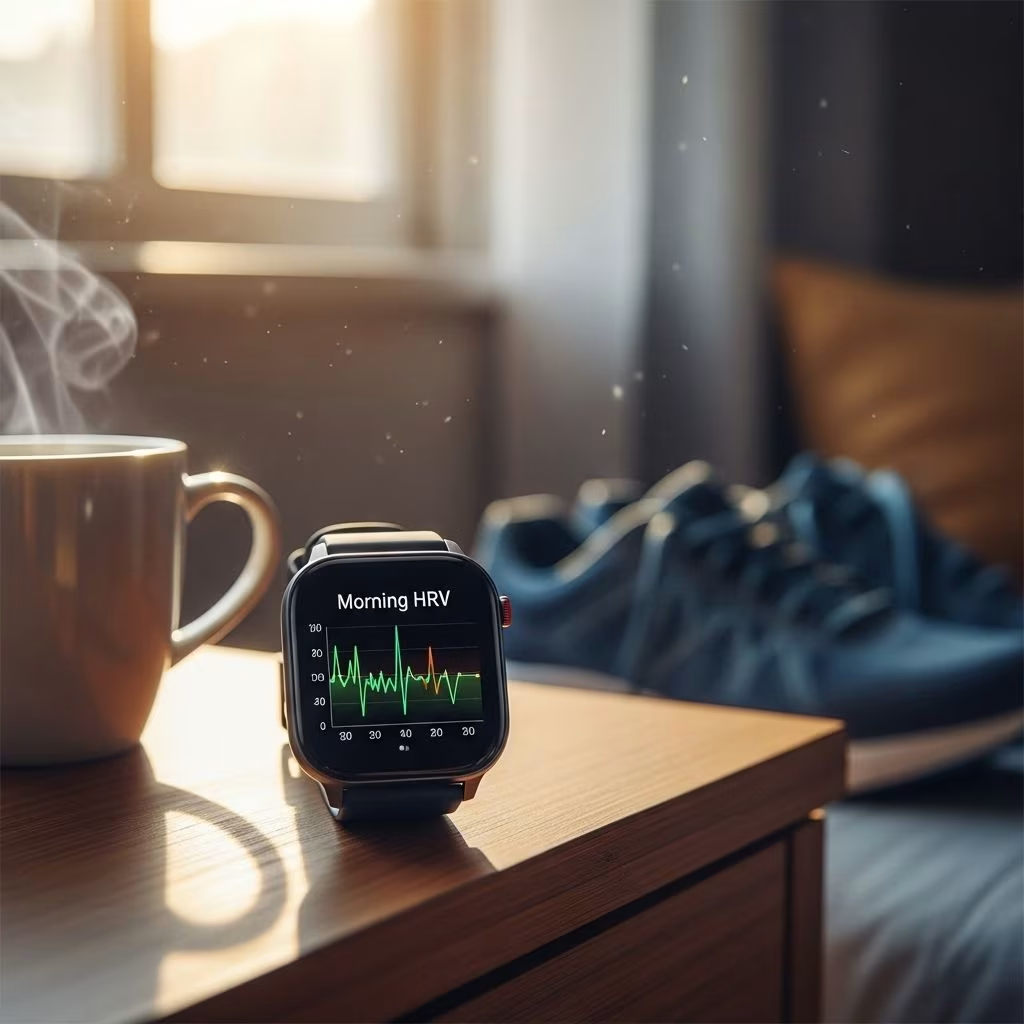
In the pursuit of heightened performance, resilience, and well-being, heart rate variability (HRV) has emerged as a leading biomarker. Integrating HRV insights into your morning routine—especially through advanced biohacking strategies—offers a science-backed means to tailor physical, mental, and emotional practices for optimal readiness each day.
Understanding HRV and Morning Readings
Heart Rate Variability refers to the fluctuation in time intervals between consecutive heartbeats. This metric reflects the dynamic balance between the sympathetic (‘fight or flight’) and parasympathetic (‘rest and digest’) branches of your autonomic nervous system. A higher HRV signals robust adaptability, while lower HRV may indicate stress, fatigue, or insufficient recovery.
Morning HRV readings serve as a window into your overnight recovery, cardiovascular status, and readiness for stress or performance challenges. Unlike subjective measures (like tiredness or mood), HRV delivers objective, quantitative feedback on your body’s physiological resilience.
Key Definitions
- HRV (Heart Rate Variability): The variation in time between heartbeats, measured in milliseconds (ms).
- Sympathetic Activation: Nervous system arousal—prepares you for physical or emotional stress, typically lowers HRV.
- Parasympathetic Activation: Promotes relaxation and recovery, generally increases HRV.
- Readiness: Your body’s ability to handle stress, work, or exercise based on physiological state.
Why Measure HRV in the Morning?
For accuracy, HRV is ideally measured immediately upon waking, before physical activity, caffeine, or emotional stressors can affect your baseline.
- Consistency: Circadian rhythms affect HRV throughout the day; variability rises at night and declines during daylight hours. Morning readings, taken after restful sleep and before daily activities begin, minimize extraneous influences.
- Resting State: Morning states reflect your true physiological recovery and stress, making results more reliable for daily planning.
- Actionable Feedback: HRV data upon waking provides a direct foundation for adjusting morning routines, workouts, and recovery protocols.
How to Accurately Measure Morning HRV
The advent of biofeedback devices and wearables makes morning HRV tracking convenient and reliable. The gold standard remains medical-grade EKGs, but consumer devices (such as Oura Ring, Whoop Band, Apple Watch, or Fitbit) offer sufficiently precise measurements for daily use.
- Use a device that captures HRV data (check for accurate sensors and validated algorithms).
- Measure at the same time each day, ideally before getting out of bed.
- Remain still, calm, and relaxed during measurement.
- Log data for at least five minutes to capture a representative baseline.
- Track week-over-week trends to establish your personal average and variability.
| Device | Method | Pros | Cons |
|---|---|---|---|
| Oura Ring | Finger, passive overnight data | Automatic, sleep-linked, trend graphs | Requires regular wearing, ring size |
| Whoop Band | Wrist/arm, continuous | Actionable recovery recommendations | Subscription required |
| Apple Watch | Wrist, intermittent or continuous | Convenience, paired with Health app | May lack extended HRV analysis features |
| Fitbit | Wrist, overnight trend | Accessible, intuitive interface | Less granularity than dedicated HRV trackers |
Best Practices for Reliable HRV
- Maintain a consistent sleep routine on nights before measurement.
- Avoid caffeine, alcohol, or heavy meals prior to sleep.
- Track variables such as sleep quality, stress, and dietary changes for deeper analysis.
Analyzing Morning HRV Trends for Personalization
Morning HRV readings are most useful when interpreted over time, revealing trends tied to sleep, stress, exercise, nutrition, and environment.
- High HRV Morning: Indicates readiness for higher intensity activity, problem-solving, creativity, or competitive performance.
- Low HRV Morning: Signals physiological stress, fatigue, possible overtraining, or insufficient recovery—a cue to prioritize rest, gentle movement, and stress-reduction.
Understanding your individual baseline is key; compared to “standard” ranges, personal fluctuations are more telling. Pay close attention to weekly averages, sudden drops, or improvement patterns.
Sample Actions Based on HRV Trend
| HRV Pattern | Recommended Routine Adjustment |
|---|---|
| Higher than baseline | Include vigorous exercise, ambitious goal-setting, social or creative tasks |
| Equal to baseline | Proceed with usual routine, mindful of balance |
| Below baseline | Prioritize gentle movement (walking, yoga), breathwork, extra hydration, restorative morning rituals |
Tailoring Your Morning Routine Using HRV Data
Optimizing your morning through HRV personalization means adjusting training, work, and wellness activities based on daily autonomic feedback.
Key Morning Routine Components Influenced by HRV
- Exercise Intensity: Use high HRV days for high-intensity training (intervals, strength, endurance). On low HRV days, favor gentle stretching, mobility, or rest.
- Mental Demands: Address cognitively taxing tasks (strategy, problem solving) on high HRV mornings.
- Breathwork: Integrate parasympathetic-activating breathing techniques (such as box breathing) to boost recovery and calmness, especially after low HRV readings.
- Mindfulness and Meditation: Start low HRV mornings with guided meditation, gratitude journaling, or yoga nidra to reset stress.
- Nutritional Choices: Eat nutrient-dense, balanced breakfasts when HRV is lower; prioritize hydration at all times.
- Exposure to Natural Light: Step outside for sunlight within 30 minutes of waking to reinforce circadian rhythms and support both HRV and alertness.
Example: Adaptive Morning Routine Based on HRV
| HRV Status | Routine Actions |
|---|---|
| High HRV |
|
| Low HRV |
|
Routine Checklist for HRV-Based Optimization
- Check HRV baseline before rising.
- Interpret the reading: high/low compared to your weekly average.
- Modify exercise, mental work, and recovery activities as indicated.
- Track changes in physical feelings, mood, and productivity.
Advanced Strategies to Enhance HRV
To reliably improve HRV and support recovery, integrate the following evidence-based biohacks into your lifestyle routine:
- Sleep Optimization: Prioritize 7–9 hours nightly, maintain a cool, dark sleep environment, and develop winding-down rituals.
- Breathwork: Practice diaphragmatic and box breathing (inhale 4s, hold 4s, exhale 4s, hold 4s) daily to stimulate vagal tone.
- Regular Physical Activity: Establish a balanced mix of aerobic, strength, and recovery-focused exercise (150–300 minutes of moderate activity weekly, or 75 minutes vigorous).
- Mindfulness & Meditation: Consistently engage in guided practices to lower sympathetic arousal.
- Nutrition & Hydration: Focus on nutrient-dense meals, sufficient protein, healthy fats, and regular hydration—avoid blood sugar spikes.
- Sunlight & Nature Exposure: Spend time outdoors, especially during morning hours, to reinforce circadian signals and build resilience.
- Alcohol & Substance Moderation: Avoid excessive alcohol, heavy meals, or recreational drugs, which may depress HRV.
- Emotional Regulation: Foster positive social interaction, gratitude practices, and stress management skills.
Frequently Asked Questions
Q: How long should I measure my HRV each morning?
A: For best results, measure HRV for at least five minutes while relaxed and at rest, ensuring consistency in device and time of measurement.
Q: Should I worry about a single low HRV reading?
A: Occasional dips are normal—focus on longer-term trends and how they correspond to lifestyle, stress, and training changes.
Q: Can HRV really help me avoid overtraining?
A: Yes; consistently low HRV readings may signal poor recovery, making it wise to prioritize rest and lighter activity until baseline returns.
Q: Is HRV useful for mental as well as physical optimization?
A: Absolutely. Higher HRV correlates with improved focus, emotional stability, and resilience to psychological stress.
Q: Which morning habits most effectively boost HRV?
A: Prioritize restorative sleep, mindful breathing, low-stress movement, hydration, and sunlight exposure as cornerstones.
Conclusion
Advanced HRV integration empowers you to make objective, actionable decisions about your morning routine—supporting both immediate wellbeing and long-term performance. Through strategic tracking and adaptive rituals, you can leverage your physiological data for peak readiness, recovery, and sustained resilience.
References
- https://fukujilumpt.com/my-morning-routine-listening-to-my-heart/
- https://www.hss.edu/health-library/move-better/heart-rate-variability
- https://pmc.ncbi.nlm.nih.gov/articles/PMC11439429/
- https://victressmvmt.com/blog/heart-rate-variability-the-key-to-optimizing-fitness-and-well-being/
- https://ouraring.com/blog/8-ways-to-improve-your-hrv/
- https://elitehrv.com/how-to-improve-heart-rate-variability-hrv
- https://www.youtube.com/watch?v=uLqz2I1qhwo


