


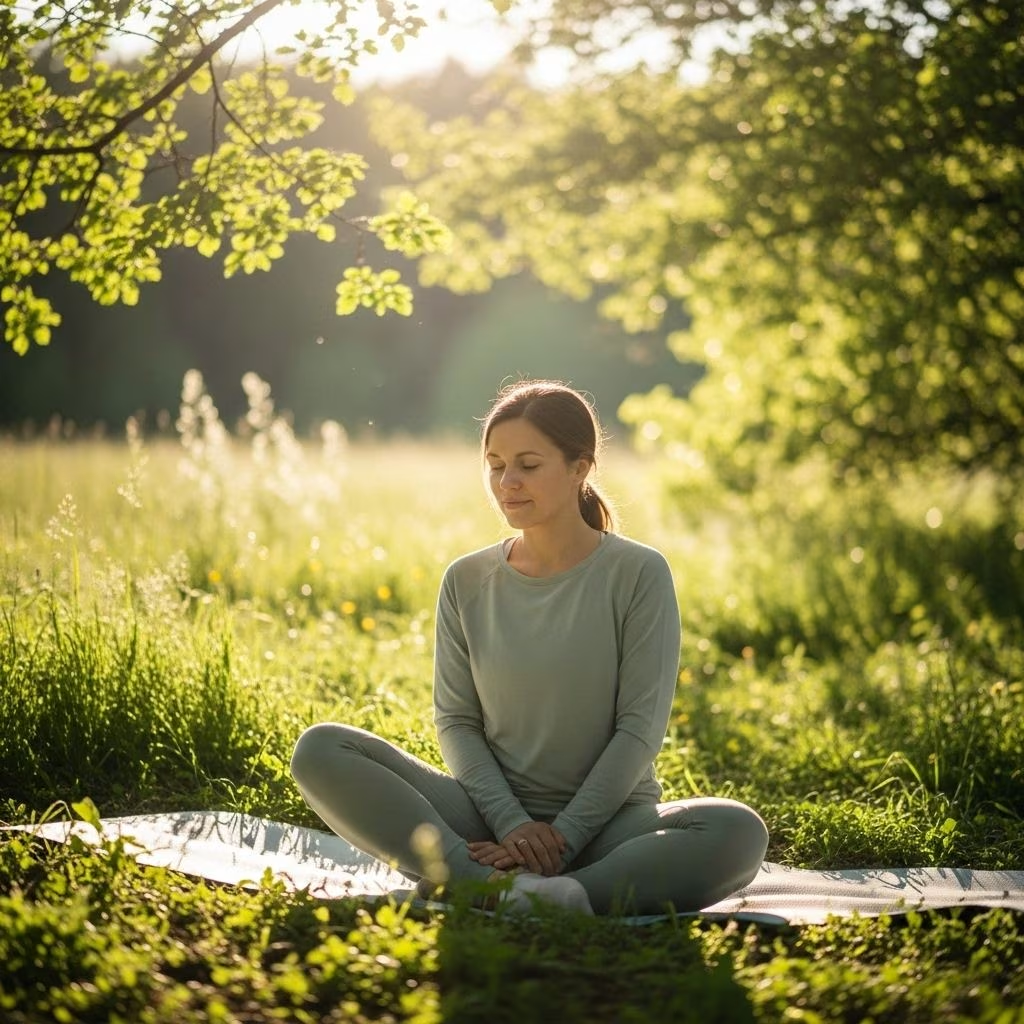
The postpartum period brings profound physical, emotional, and psychological changes that can overwhelm new mothers. While society often focuses on the joy of new motherhood, the reality includes significant challenges including hormonal fluctuations, sleep deprivation, identity shifts, and the demanding responsibility of caring for a newborn. Nature mindfulness emerges as a powerful, accessible tool that combines the therapeutic benefits of natural environments with mindfulness practices specifically designed to support emotional regulation during this vulnerable time.
Research consistently demonstrates that spending time in nature improves mood, reduces stress hormones like cortisol, and enhances emotional regulation. When combined with mindfulness techniques, these benefits become even more pronounced, offering new mothers a holistic approach to mental health support that complements traditional therapeutic interventions.
Understanding Postpartum Emotional Challenges
The postpartum period, typically defined as the first year after childbirth, presents unique emotional challenges that affect up to 80% of new mothers to varying degrees. Understanding these challenges is crucial for recognizing why nature mindfulness can be so effective.
Hormonal Fluctuations and Their Impact
After delivery, estrogen and progesterone levels drop dramatically, while prolactin and oxytocin fluctuate based on breastfeeding patterns. These hormonal changes directly affect neurotransmitters like serotonin and dopamine, which regulate mood, sleep, and emotional stability. The result can be mood swings, anxiety, irritability, and in more severe cases, postpartum depression or anxiety disorders.
The Stress Response System
New mothers experience chronic activation of their stress response system due to sleep deprivation, physical recovery demands, and the constant vigilance required for infant care. This prolonged stress state keeps cortisol levels elevated, which can impair emotional regulation, memory, and decision-making abilities.
Identity and Role Transitions
The transition to motherhood involves a fundamental shift in identity, often accompanied by feelings of loss for one’s pre-baby self. This psychological adjustment, combined with social isolation and changed relationships, can contribute to emotional dysregulation and feelings of disconnection.
The Science Behind Nature Mindfulness
Nature mindfulness combines two evidence-based approaches: the therapeutic benefits of nature exposure and the emotional regulation benefits of mindfulness practices. Understanding the neurobiological mechanisms behind these benefits helps explain their effectiveness for postpartum emotional regulation.
Attention Restoration Theory
Kaplan’s Attention Restoration Theory explains how natural environments promote mental restoration through four key components: being away from stressful stimuli, fascination with natural elements, extent of the environment, and compatibility with personal inclinations. For postpartum mothers, this translates to a break from the demanding, focused attention required for constant infant care, allowing the mind to rest and restore.
Stress Reduction Theory
Ulrich’s Stress Reduction Theory demonstrates how natural environments trigger positive emotional responses through aesthetic appreciation. Views of nature activate the parasympathetic nervous system, reducing cortisol production and promoting relaxation. This physiological shift is particularly beneficial for postpartum mothers whose stress response systems are chronically activated.
Neuroplasticity and Mindfulness
Mindfulness practices strengthen the prefrontal cortex, the brain region responsible for executive function and emotional regulation. Regular mindfulness practice increases gray matter density in this area while reducing activity in the amygdala, the brain’s alarm system. When practiced in natural settings, these neuroplastic changes may be enhanced by the calming influence of the natural environment.
Benefits of Nature Mindfulness for Postpartum Recovery
Research reveals multiple pathways through which nature mindfulness supports postpartum emotional regulation, offering benefits that extend beyond temporary mood improvements to create lasting changes in mental health and wellbeing.
Emotional Regulation and Mood Stabilization
Nature mindfulness helps regulate emotions by providing a safe space for processing difficult feelings while surrounded by the inherently calming influence of natural environments. The practice allows mothers to observe their emotional states without judgment, developing greater emotional awareness and the ability to respond rather than react to challenging situations.
Stress and Anxiety Reduction
Regular nature mindfulness practice significantly reduces cortisol levels and activates the parasympathetic nervous system, helping mothers shift out of chronic stress states. The rhythmic sounds of nature, such as flowing water or rustling leaves, provide natural anchors for mindfulness practice, making it easier to achieve relaxation responses.
Sleep Quality Improvement
Spending time in nature helps regulate circadian rhythms through exposure to natural light cycles, while mindfulness practices calm the racing thoughts that often prevent quality sleep. Even when sleep quantity remains limited due to infant care demands, nature mindfulness can improve sleep quality and help mothers feel more rested.
Enhanced Mother-Infant Bonding
Nature mindfulness can strengthen the mother-infant bond by reducing maternal stress and anxiety, which can interfere with attachment formation. The calm, present state cultivated through nature mindfulness practice allows mothers to be more attuned to their babies’ cues and respond with greater sensitivity.
Social Connection and Community
Natural spaces often facilitate social connections with other parents, reducing isolation and providing opportunities for peer support. Nature-based mindfulness groups or informal gatherings in parks can create supportive communities that enhance maternal mental health.
Practical Nature Mindfulness Techniques
Implementing nature mindfulness doesn’t require extensive training or long periods away from home. These practical techniques can be adapted to various settings, time constraints, and accessibility needs.
Grounding Techniques
Grounding connects you physically and mentally to the present moment through direct contact with the earth. Remove shoes and socks to feel grass, sand, or soil beneath your feet. Focus on the temperature, texture, and sensation of this connection while breathing deeply. This technique can be particularly powerful for mothers feeling disconnected from their bodies after childbirth.
Sensory Awareness Practices
Engage all five senses systematically while in a natural setting. Notice five things you can see, four things you can hear, three things you can touch, two things you can smell, and one thing you can taste. This practice grounds you in the present moment and interrupts anxious thought patterns.
Breathing with Natural Rhythms
Synchronize your breathing with natural rhythms around you. Match your breath to the gentle sway of tree branches, the rhythm of waves, or the pattern of a bird’s song. This creates a natural meditation that requires no special techniques or equipment.
Walking Meditation in Nature
Practice slow, deliberate walking while maintaining awareness of each step and the sensations in your body. Focus on the feeling of your feet touching the ground, the movement of air on your skin, and the sounds around you. This can be done with a baby in a stroller, making it particularly suitable for new mothers.
Mindful Nature Observation
Choose a natural object like a flower, leaf, or cloud and spend five to ten minutes observing it with complete attention. Notice colors, shapes, patterns, and changes over time. This practice develops concentration while providing a mental break from parenting concerns.
Creating Your Nature Mindfulness Routine
Establishing a sustainable nature mindfulness routine requires consideration of your current lifestyle, available time, and accessible natural spaces. The key is starting small and building gradually.
Morning Practices
Begin your day with five minutes of mindful breathing by an open window or on a balcony. If you have outdoor space, step outside with your morning beverage and practice gratitude while observing the natural world awakening. This sets a calm, centered tone for the day ahead.
Integration with Baby Care
Combine nature mindfulness with necessary baby activities. Practice breathing exercises while feeding your baby outdoors, take mindful walks while your baby sleeps in the stroller, or create outdoor tummy time sessions that allow for simultaneous mindfulness practice.
Evening Wind-Down
Use nature mindfulness to transition from day to night activities. Watch the sunset while practicing deep breathing, listen mindfully to evening bird songs, or simply sit outdoors and practice progressive muscle relaxation while observing the changing light.
Weekly Longer Sessions
Plan one longer nature mindfulness session per week, even if only 20-30 minutes. Visit a local park, nature trail, or waterfront area for more intensive practice when possible to arrange childcare or bring your baby along.
Overcoming Common Barriers
New mothers face numerous practical barriers to spending time in nature and practicing mindfulness. Addressing these challenges proactively increases the likelihood of maintaining a consistent practice.
Time Constraints
Start with micro-practices of just 2-3 minutes. Keep a list of quick nature mindfulness techniques for busy days, such as mindful breathing by a window or gratitude practice while looking at houseplants. Remember that consistency matters more than duration.
Limited Mobility and Physical Recovery
Adapt practices to your physical capabilities and recovery needs. Visual nature mindfulness can be practiced from any location with a nature view. Recorded nature sounds can substitute when outdoor access is limited, and indoor plants can provide natural elements for mindfulness focus.
Weather and Seasonal Challenges
Develop weather-appropriate practices for different seasons. Create indoor alternatives using nature sounds, aromatherapy with natural scents, and nature photography or videos. Embrace different weather conditions as opportunities for varied sensory experiences when safe and comfortable.
Safety Concerns
Choose well-maintained, populated areas for outdoor practices, especially when alone with your baby. Start with familiar locations close to home and gradually expand your comfort zone. Consider joining organized nature-based groups for added security and social support.
Seasonal Adaptations and Indoor Alternatives
Maintaining a nature mindfulness practice throughout the year requires adapting to seasonal changes and having indoor alternatives for challenging weather conditions.
Spring Practices
Focus on renewal and growth themes. Practice mindful observation of budding plants, returning birds, and changing daylight patterns. Use spring cleaning as a mindfulness practice by bringing natural elements like flowers and fresh air into your living space.
Summer Adaptations
Take advantage of longer daylight hours with early morning or evening practices to avoid heat. Focus on cooling elements like shade, water features, and gentle breezes. Practice mindful hydration while observing summer nature activities.
Autumn Transitions
Embrace themes of change and letting go that mirror your own transitions into motherhood. Practice mindful observation of falling leaves, changing colors, and harvest abundance. Use this season for gratitude practices focused on natural cycles.
Winter Modifications
Develop indoor practices using houseplants, natural light from windows, and nature sounds or videos. Practice mindfulness while observing winter weather patterns. Use natural scents and textures to maintain sensory connection with nature.
Building Support Systems
Creating a support system around your nature mindfulness practice enhances its benefits and increases long-term sustainability.
Family Involvement
Include partners and older children in age-appropriate nature mindfulness activities. Model mindful outdoor behavior and create family traditions around nature connection. Use partner support for longer solo practices when needed.
Community Resources
Explore local resources such as nature centers, botanical gardens, and parks that offer programs for families. Look for “Mommy and Me” yoga in the park classes or nature-based parent groups in your community.
Virtual Support
Connect with online communities focused on mindful parenting and nature-based wellness. Share experiences and tips with other mothers practicing nature mindfulness, and access guided practices through apps and online resources.
Professional Guidance
Consider working with therapists trained in nature-based interventions or mindfulness-based stress reduction techniques. These professionals can provide personalized guidance for addressing specific postpartum mental health challenges through nature mindfulness.
Frequently Asked Questions
How long should I practice nature mindfulness each day?
Start with just 5-10 minutes daily and gradually increase as it becomes habitual. Even 2-3 minutes of mindful breathing outdoors can provide benefits. Consistency is more important than duration, so choose a timeframe you can realistically maintain.
Can I practice nature mindfulness while caring for my baby?
Absolutely! Many techniques work well while feeding, walking with a stroller, or during outdoor baby playtime. Baby-wearing during nature walks allows for discrete breathing exercises and mindful observation while keeping your infant close.
What if I don’t have access to natural outdoor spaces?
Indoor alternatives include mindfulness with houseplants, nature sounds or videos, natural light from windows, and bringing natural elements like stones, shells, or flowers indoors. Even urban environments offer trees, sky views, and small green spaces for practice.
Is nature mindfulness safe during postpartum recovery?
Nature mindfulness is generally safe and beneficial during postpartum recovery. Start gently, listen to your body, and consult your healthcare provider about outdoor activities, especially in the first few weeks after delivery. Choose comfortable, accessible locations initially.
How do I know if nature mindfulness is helping my emotional regulation?
Watch for improvements in sleep quality, reduced anxiety or irritability, better stress management, increased feelings of calm, and improved mood stability. Keep a simple mood journal to track changes over time. If you’re experiencing severe postpartum depression or anxiety, combine nature mindfulness with professional mental health support.
Can virtual reality nature experiences provide similar benefits?
While virtual reality nature experiences can offer some benefits, particularly when outdoor access is limited, they don’t provide the full sensory experience and physiological benefits of actual nature exposure. They can serve as helpful supplements to, but not complete replacements for, outdoor nature mindfulness practice.
Nature mindfulness for postpartum emotional regulation offers a practical, accessible approach to supporting maternal mental health during one of life’s most challenging transitions. By combining the therapeutic benefits of nature exposure with evidence-based mindfulness techniques, new mothers can develop powerful tools for managing stress, regulating emotions, and enhancing overall well-being. The key to success lies in starting small, being consistent, and adapting practices to your unique circumstances and needs. Remember that seeking professional support when needed is always appropriate and that nature mindfulness works best as part of a comprehensive approach to postpartum mental health care.
References
- https://pmc.ncbi.nlm.nih.gov/articles/PMC9869311/
- https://www.calm.com/blog/postpartum-meditation
- https://postpartum.net/thriving-in-parenthood-with-nature-6-ways-to-reconnect-and-reduce-overstimulation-in-a-modern-world/
- https://www.nature.com/articles/s41598-025-96165-6
- https://pmc.ncbi.nlm.nih.gov/articles/PMC6070304/
- https://motherhoodwellnessclinic.com/the-healing-power-of-nature-enhancing-mental-health-for-new-mothers-and-families
- https://elcaminowomen.com/blog/pregnancy/exercise-in-the-postpartum-helps-reduce-postpartum-anxiety-and-depression.html
- https://healingoak.ca/2024/11/15/emotion-regulation-for-new-mothers-a-dbt-approach-to-managing-post-partum-depression/


