


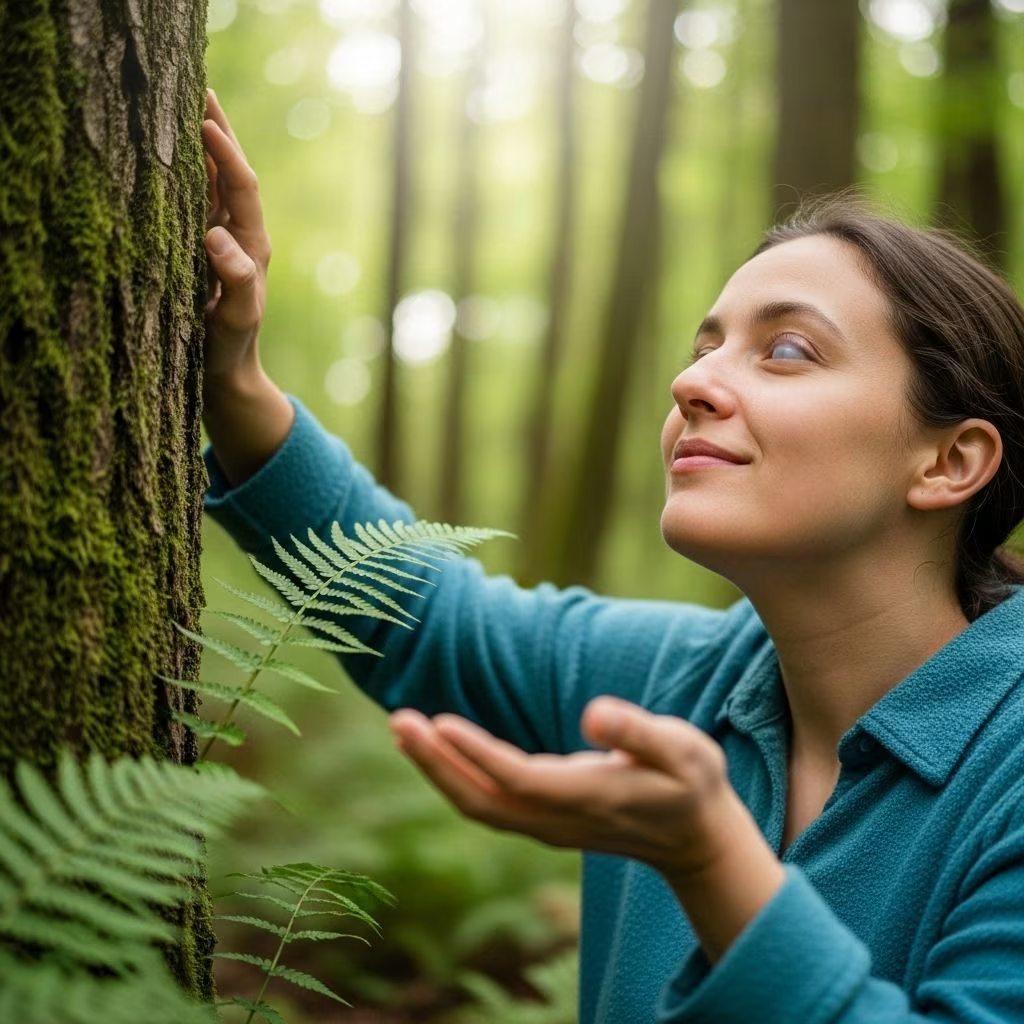
Nature Mindfulness for Visually Impaired Individuals: A Therapeutic Approach
Nature mindfulness is a therapeutic approach that combines the benefits of mindfulness with the restorative properties of natural environments. This approach has been shown to enhance emotional regulation, improve mental health, and increase sensory awareness, making it particularly beneficial for visually impaired individuals. By focusing on non-visual senses such as touch, sound, and smell, nature mindfulness can offer a unique and inclusive way for anyone to engage with their surroundings, regardless of visual ability.
Benefits of Nature Mindfulness for Visually Impaired Individuals
Nature mindfulness offers several benefits for visually impaired individuals, including:
- Enhanced Sensory Awareness: By engaging with nature through senses like touch and sound, visually impaired individuals can develop a heightened awareness of their surroundings.
- Improved Emotional Regulation: Exposure to natural environments can reduce stress and anxiety while promoting emotional well-being.
- Increased Accessibility: Nature-based activities can be adapted to accommodate different abilities, making mindfulness more accessible.
Implementing Nature Mindfulness Activities for Visually Impaired Individuals
Implementing nature mindfulness activities for visually impaired individuals requires careful planning and adaptation to ensure inclusivity and safety. Here are some tips for facilitators:
- Adaptation for Sensory Impairments: Consider how to adapt activities for participants with sensory impairments, ensuring everyone can meaningfully participate.
- Guided Nature Walks: Use verbal cues and assistive technology to guide participants through nature walks, focusing on sensory experiences.
- Sensory Exploration: Encourage participants to explore natural elements like leaves and flowers through touch and smell.
Techniques Tailored for Visually Impaired Individuals
Several meditation techniques can be tailored for visually impaired individuals, focusing on non-visual senses:
- Body Scan Meditation: Encourage participants to focus on bodily sensations, promoting relaxation and internal awareness.
- Sound Meditation: Use natural sounds like rain or ocean waves to create a calming atmosphere for meditation.
- Guided Imagery: Use verbal descriptions to guide participants through vivid mental images, creating a sense of presence in nature.
Technology and Virtual Reality in Nature Mindfulness
Virtual reality (VR) technology offers a new dimension for nature mindfulness by simulating immersive natural environments. This can be particularly beneficial for visually impaired individuals who may face challenges in accessing outdoor spaces:
- Simulated Nature Environments: VR allows users to experience natural settings like forests or beaches from the comfort of their own space.
- Enhanced Sensory Engagement: Incorporating multisensory elements like sound and smell can enhance the sensory experience in VR environments.
- Accessibility: VR offers a highly accessible way to engage with nature mindfulness for those who may have difficulty accessing outdoor spaces.
Active Listening and Nature Sounds
Active listening exercises can be a powerful tool in nature mindfulness, helping participants focus on their auditory environment:
- Outdoor Listening: Encourage participants to close their eyes and listen to natural sounds in an outdoor setting.
- Indoor Replication: Use recorded nature sounds to recreate the outdoor experience indoors.
- Reflection and Grounding: After listening, guide participants to reflect on their experience and ground themselves in the present moment.
Autumn-Inspired Activities for Mindfulness
Seasonal activities can add variety and engagement to mindfulness practices, especially during autumn:
- Leaf Exploration: Encourage participants to explore leaves through touch and smell.
- Autumn Imagery: Guide participants through a visualization of an autumn landscape, focusing on sensory details.
- Seasonal Reflection: Reflect on the changing seasons and how they relate to personal growth and transformation.
Facilitating Mindfulness in Nature: Tips for Practitioners
Facilitating mindfulness activities in nature requires thoughtful planning and communication:
- Clear Instructions: Provide clear verbal cues to help guide participants through activities.
- Adaptation: Be prepared to adapt activities based on participants’ needs and abilities.
- Calming Environment: Ensure the environment is calm and conducive to mindfulness, using natural sounds or silence.
FAQs: Nature Mindfulness for Visually Impaired Individuals
Q: How can visually impaired individuals benefit from nature mindfulness?
A: Visually impaired individuals can benefit from enhanced sensory awareness, improved emotional regulation, and increased accessibility to mindfulness practices.
Q: What role does VR play in nature mindfulness for visually impaired individuals?
A: VR allows visually impaired individuals to experience immersive natural environments, enhancing sensory engagement and accessibility without the need for physical access to outdoor spaces.
Q: How can nature mindfulness activities be adapted for visually impaired individuals?
A: Activities can be adapted by focusing on non-visual senses, using assistive technology, and ensuring clear verbal instructions are provided.
Conclusion
Nature mindfulness offers a promising therapeutic approach for visually impaired individuals, harnessing the restorative power of natural environments to enhance sensory awareness and emotional well-being. By combining traditional mindfulness practices with innovative technologies like VR, this approach can be made accessible and engaging for individuals with diverse abilities.
References
- https://www.nature.com/articles/s41599-025-04584-7
- https://rootinnature.ca/nature-mindfulness-activities-for-practitioners/
- https://blindwelfaresociety.in/blogs/mindful-meditation-techniques-tailored-for-the-visually-impaired
- https://zoomax.com/low-vision-information/meditation-for-low-vision-key-benefits-and-step-by-step-guide/
- https://www.henshaws.org.uk/hints-and-tips/vi-mindfulness-activities-for-children/
- https://beyondgreenspace.net/wp-content/uploads/2017/04/1323b-easingintonature.pdf
- https://www.youtube.com/watch?v=raIIkKqn5Yw
- https://wechope.org/child-life/20-outdoor-activities-for-blind-and-visually-impaired-children/
- https://www.pathstoliteracy.org/20-calm-summer-activities-for-students-with-vision-impairments/


