


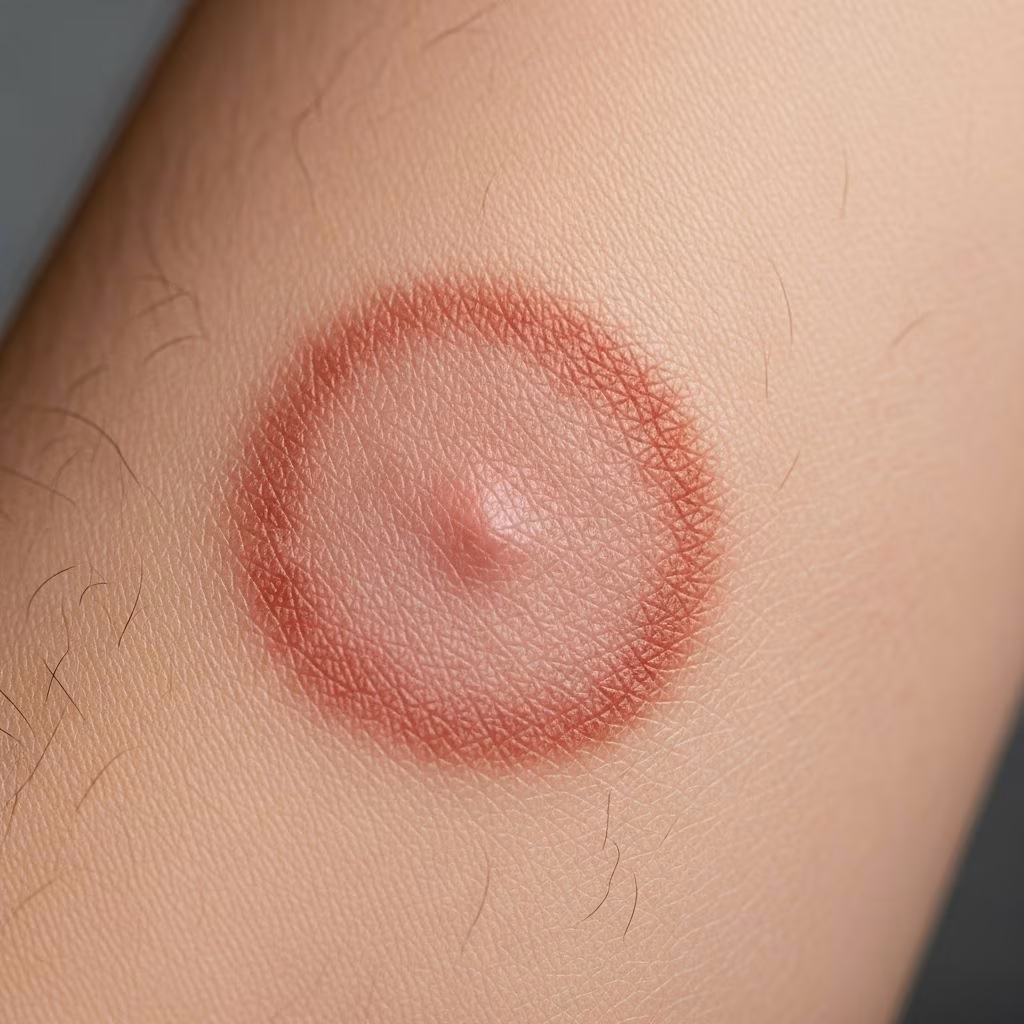
Nummular eczema (also known as discoid eczema or nummular dermatitis) is a chronic skin condition marked by distinctive, coin-shaped patches or lesions. This comprehensive protocol covers everything you need to know about nummular eczema, from diagnosis and causes to evidence-based treatment strategies, lifestyle modifications, and self-care for long-lasting relief and optimal skin health.
Overview of Nummular Eczema
Nummular eczema is a chronic, inflammatory skin disease characterized by coin-shaped lesions that are often itchy, oozing, and may become crusted. The term “nummular” derives from the Latin word for “coin,” reflecting the unique shape of the patches. This condition commonly appears on the arms, legs, and sometimes the torso or hands. While it can affect individuals of any age, it is slightly more common in adult males and can often be recurrent or chronic in course.
Key Features
- Coin-shaped, well-demarcated plaques
- Severe itching and burning sensations
- Exudation (weeping) and possible crusting
- Variable lesion color (pink, red, brown, or purplish, depending on skin tone)
- Not contagious or infectious
Causes and Risk Factors
The precise cause of nummular eczema remains unclear; however, several triggers and contributing factors have been identified.
Possible Triggers
- Dry Skin: Frequently leads to skin barrier breakdown and susceptibility to irritation.
- Skin Trauma: Insect bites, burns, scratches, or abrasions may precipitate lesions.
- Contact Allergens: Exposure to nickel, fragrances, wool, or certain chemicals can trigger flares.
- Weather Extremes: Rapid temperature changes and cold, dry weather worsen symptoms.
- Restricted Blood Flow: Lesions appearing on the legs have been associated with poor circulation.
- Family or Personal History: Individuals with a history of atopic dermatitis, asthma, or allergies are at higher risk.
Aggravating Factors
- Excessive washing, particularly with hot water or harsh soaps
- Emotional or psychological stress
- Environmental irritants (household cleaners, detergents)
- Wool or synthetic fabrics in direct contact with skin
Symptoms and Clinical Presentation
The hallmark of nummular eczema is the sudden appearance of coin-sized patches that are often intensely itchy and inflamed. These plaques may appear as single lesions or in multiple locations simultaneously.
Common Symptoms
- Itchy, round, red or brownish lesions (1–4 cm in diameter)
- Plaques that ooze clear or yellowish fluid before crusting over
- Dry, scaling skin at lesion margins
- Local burning or pain in severe cases
- Surrounding skin may be inflamed or swollen
During healing, the affected skin often becomes flatter and may show either postinflammatory hyperpigmentation (darkening) or hypopigmentation (lightening), particularly in individuals with darker skin tones. Flares are common and may represent as large, raised patches overlapping prior healing lesions.
Signs of Skin Infection
- Golden-yellow crusting
- Red or brown streaks near lesions
- Increasing swelling, warmth, pain, or pus formation
Prompt medical evaluation is required if infection is suspected.
Diagnosis and Differentiation
Diagnosis of nummular eczema is primarily clinical, based on:
- Patient history (including family history of atopy or allergies)
- Physical examination noting coin-shaped lesions and other symptoms
A dermatologist may perform additional tests to confirm the diagnosis or rule out similar skin conditions, such as:
- Skin scraping for fungal or bacterial cultures (to rule out ringworm or secondary infections)
- Skin biopsy (rarely needed, unless the diagnosis is unclear)
- Patch testing to identify possible allergens
| Condition | Appearance | Distinguishing Feature |
|---|---|---|
| Nummular Eczema | Coin-shaped, crusting, itchy plaques | Often multiple; ooze & crust, postinflammatory pigment changes |
| Ringworm (Tinea) | Annular, scaly, clear center | Fungal infection; central clearing, responds to antifungals |
| Psoriasis | Well-defined, red, silvery scale | Minimal oozing; typically elbows, knees, scalp |
| Other Eczemas | Irregular shape, not always coin-like | Location, history, triggers may differ |
Nummular Eczema Treatment Protocol
The goal of nummular eczema care is to reduce symptoms, promote healing, and prevent recurrences. A combination of medical therapy and specific skin care practices is key.
Medical Treatment Options
- Topical Corticosteroids: High- or ultra-high potency (classes I–III) corticosteroids are the first-line treatment to control inflammation and itching. These are applied one to two times daily to the affected patches. Both creams and ointments may be used, but ointments are often more effective on thickened skin.
- Topical Calcineurin Inhibitors: Medications such as tacrolimus or pimecrolimus are used as steroid-sparing agents, either alongside steroids or on an alternating schedule (e.g., steroids on weekdays, calcineurin inhibitors on weekends).
- Intralesional Corticosteroids: For recalcitrant or especially stubborn lesions, a dermatologist may inject a small dose of triamcinolone directly into the lesion.
- Antihistamines: Oral antihistamines can help relieve severe itching, improve sleep, and reduce trauma from scratching.
- Antibiotics: Topical or oral antibiotics (e.g., mupirocin or cephalexin) may be prescribed if secondary bacterial infection (especially from Staphylococcus aureus) is suspected.
- Coal Tar Preparations: For thick, scaly lesions, coal tar creams and ointments may have a beneficial effect.
- Phototherapy: In cases with widespread, persistent lesions, ultraviolet light therapy (two to three times per week) may be considered.
- Systemic Therapies: Oral corticosteroids may be briefly used for acute, severe flares but are seldom needed long-term.
Daily Skin Care Recommendations
- Take short (≤20 minute) showers or baths with lukewarm water (not hot).
- Add bath oils (be cautious of slipperiness and falls).
- Use gentle, fragrance-free cleansers or hydrating soaps. Avoid harsh soaps and detergents.
- Immediately after bathing, apply a thick moisturizer (ointment or cream, not lotion) to damp skin.
- Moisturize at least twice daily, using products containing ceramides or petroleum jelly.
- Wet wrap therapy: Apply moisturizers, then wrap affected areas with wet bandages to enhance hydration and healing, especially during acute flares.
- Use a humidifier in dry environments, especially during colder months.
Self-Care and Lifestyle Modifications
Long-term management relies heavily on self-care and lifestyle changes to minimize triggers and maintain skin hydration.
Top Self-Care Strategies
- Avoid triggers such as wool, harsh detergents, hot water, and skin trauma.
- Wear loose, soft clothing made from cotton or silky fabrics.
- Avoid scratching by keeping nails short and using cold compresses or anti-itch preparations.
- Manage stress with relaxation exercises, mindfulness, or support groups.
- Choose fragrance-free, hypoallergenic products for skin care and laundry.
- Moisturize thoroughly after bathing and before bed.
Recommended Moisturizers
- Thick emollients such as petroleum jelly (Vaseline)
- Creams containing ceramides
- Ointments with mineral oil or petrolatum base
Moisturizing Application Tips
- Apply within five minutes of exiting shower or bath while skin is still damp.
- Reapply throughout the day as needed, particularly to affected areas.
- Incorporate a daily moisturizer routine even during symptom-free periods.
Complications and Recovery
While nummular eczema is usually not dangerous, complications may develop if not managed properly.
Potential Complications
- Bacterial Skin Infection: Oozing, crusting, and signs of infection warrant medical treatment with topical or oral antibiotics.
- Scarring: Persistent or deep lesions may lead to skin thickening (lichenification) or pigmentation changes.
- Pigment Changes: Areas of hyperpigmentation or hypopigmentation may last for months after healing.
Healing Timeline
- Flare-ups may resolve in one to several weeks with proper treatment and self-care.
- Long-term recurrence is common, so ongoing skin care is essential.
Prevention Strategies
- Identify and avoid personal triggers (e.g., allergens, harsh chemicals, certain soaps or fabrics).
- Maintain skin hydration year-round, especially during dry, cold weather.
- Protect skin from trauma, insect bites, and excessive sun or wind exposure.
- Use home humidifiers in winter and maintain gentle skin care practices.
Frequently Asked Questions (FAQs)
Q: Is nummular eczema contagious?
A: No, nummular eczema is not contagious and cannot be spread from person to person via skin contact.
Q: Can nummular eczema be cured?
A: There is no permanent cure for nummular eczema, but symptoms can be controlled, flare-ups minimized, and remissions achieved through a combination of medication and consistent skin care.
Q: What should I do if my eczema patches are oozing or painful?
A: Oozing, painful, or crusted lesions may indicate a skin infection. You should see your healthcare provider for possible antibiotic treatment.
Q: Can I use over-the-counter creams for nummular eczema?
A: Over-the-counter moisturizers and low-strength corticosteroids may provide relief for mild cases, but prescription-strength treatments are usually needed for active, severe, or widespread nummular eczema.
Q: How can I prevent future flare-ups?
A: Preventing flare-ups involves identifying and avoiding personal triggers, routinely moisturizing, protecting your skin, and following your dermatologist’s recommendations for ongoing care.
Key Takeaways
- Nummular eczema is best managed through a consistent protocol combining medical therapy, regular moisturizing, and avoidance of skin irritants.
- Prompt treatment of flare-ups and secondary infections leads to better outcomes and reduces complications.
- Open communication with your dermatologist ensures tailored care for your specific triggers and symptoms.
For persistent, worsening, or recurrent symptoms, always consult a qualified dermatologist to ensure the correct diagnosis and optimal therapy plan.
References
- https://www.mountsinai.org/care/dermatology/services/eczema/nummular
- https://www.healthline.com/health/skin/nummular-eczema
- https://www.ncbi.nlm.nih.gov/books/NBK565878/
- https://www.aad.org/public/diseases/eczema/types/nummular-dermatitis/treatment
- https://medlineplus.gov/ency/article/000870.htm
- https://my.clevelandclinic.org/health/diseases/22757-nummular-eczema
- https://www.nhs.uk/conditions/discoid-eczema/


