


Introduction
Eczema, particularly the atopic form, is a chronic inflammatory skin condition characterized by flares of intense itching, redness, and sometimes weeping lesions. In adults, acute eczema flares can significantly disrupt daily life, making effective management crucial. Among various treatments, both wet and dry wraps are used to alleviate symptoms, especially during severe episodes. This article aims to compare wet and dry wraps for acute eczema flares in adults, clarifying their mechanisms, application, effectiveness, risks, and practical considerations, while incorporating the latest research and expert opinions.
Understanding Acute Eczema Flares
Acute eczema flares are exacerbations of chronic eczema, marked by sudden worsening of symptoms such as itch, redness, swelling, and possibly skin breakdown or infection. These flares can be triggered by environmental factors, allergens, stress, or loss of skin barrier function. Managing acute flares quickly and efficiently is essential to prevent complications and improve quality of life. Both wet and dry wraps can be valuable tools in an eczema management plan, especially when first-line treatments like emollients and topical steroids prove insufficient.
Wet Wraps Explained
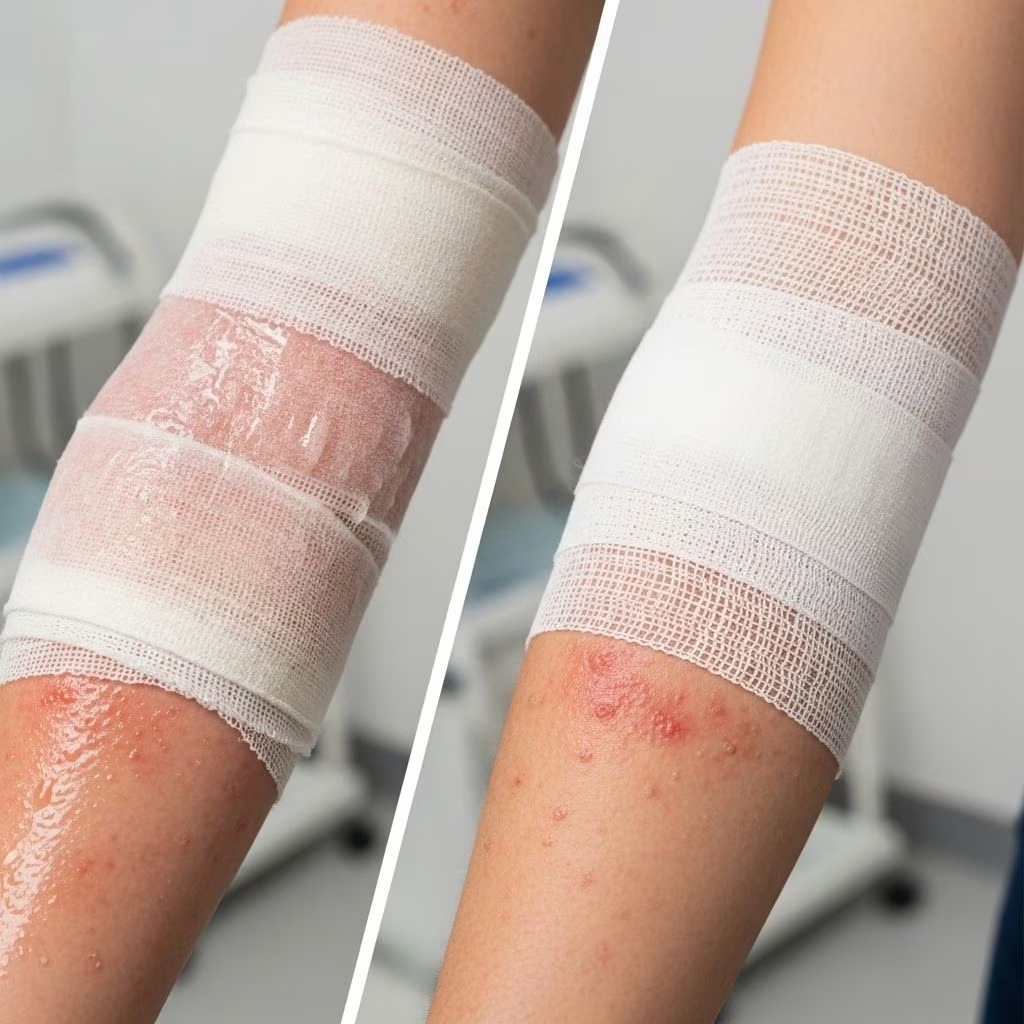
Wet wrap therapy (WWT) is a technique involving the application of topical medications or emollients followed by a layer of moist bandages or fabric, which is then covered with a dry layer to lock in moisture. This method is often reserved for moderate to severe eczema flares and is believed to enhance the absorption of topical medications, soothe itching, and protect the skin from scratching.
How Wet Wraps Work
The mechanism of wet wraps is thought to involve several processes:
- The moist, occlusive environment increases the penetration of topical steroids and emollients, potentially making them more effective.
- The cooling effect as moisture evaporates can relieve itching and inflammation.
- The physical barrier of the wraps prevents scratching, giving the skin a chance to heal.
When to Use Wet Wraps
Wet wrap therapy is generally recommended for short-term use during severe eczema flares, typically for 1–4 days, to settle inflamed, weeping skin. It is less beneficial for mild to moderate eczema, where traditional treatments may suffice.
Application Process
The typical application involves:
- Cleanse the affected area gently and pat dry.
- Apply a generous layer of prescribed topical steroid or emollient as directed by a healthcare provider.
- Soak bandages or cotton garments in lukewarm water, wring out excess, and apply over the treated skin.
- Cover the wet layer with a dry bandage or garment to seal in moisture and enhance occlusion.
- Leave the wraps on for a few hours (often 2 hours) under supervision.
Risks and Precautions
Wet wraps can increase the risk of skin infections due to the moist environment. They should only be used under medical supervision, especially when combined with topical steroids. Overuse or prolonged application can also cause maceration of the skin or systemic absorption of steroids.
Dry Wraps Explained
Dry wrapping is a simpler home-based technique where emollients or topical steroids are applied to the skin, followed by a dry layer of fabric (such as cotton socks, gloves, or specially designed sleeves) to improve absorption and protect the skin.
How Dry Wraps Work
Dry wraps function by:
- Enhancing the penetration and effectiveness of topical medications or emollients.
- Providing a physical barrier against scratching and environmental irritants.
- Being less cumbersome to apply than wet wraps, making them more practical for routine use.
When to Use Dry Wraps
Dry wraps are suitable for both acute and maintenance therapy, especially for those who experience nighttime itching. They can be left on for several hours, often overnight, and are generally easier for patients to manage independently.
Application Process
The steps for dry wraps are straightforward:
- Apply a thick layer of emollient or prescribed topical medication to the affected area.
- Cover with a dry, soft, non-irritating fabric such as organic cotton, bamboo, or TENCEL.
- Leave the wrap in place overnight or for several hours as needed.
Risks and Precautions
Fabric choice is crucial, as some materials may irritate sensitive skin. It is best to use hypoallergenic, chemical-free fabrics and to avoid dyes or harsh detergents. Dry wraps are generally considered safer than wet wraps regarding infection risk but should be changed regularly to avoid build-up of ointment and debris.
Wet Wraps vs. Dry Wraps: At-a-Glance Comparison
| Feature | Wet Wraps | Dry Wraps |
|---|---|---|
| Purpose | For moderate to severe acute flares, short-term use | For acute and maintenance, suitable for regular use |
| Application | Emollient/steroid + wet layer + dry layer, left for ~2 hours | Emollient/steroid + dry layer, left for several hours/overnight |
| Ease of Use | More complex, may require assistance | Simple, can be self-applied |
| Cooling Effect | Yes, due to moisture evaporation | Minimal, primarily occlusive |
| Infection Risk | Higher, due to moist environment | Lower, dry environment |
| Supervision | Medical supervision recommended | Generally safe for home use |
Effectiveness and Efficacy
Scientific evidence for wet wrap therapy is mixed. While many patients and carers report rapid improvement, especially during severe flares, controlled studies have not consistently shown superior efficacy compared to conventional treatment over longer periods. Some evidence suggests similar improvements in eczema severity scores between wet wrap and conventional groups, but wet wraps may be associated with a higher risk of skin infections. Dry wraps, while less studied, are widely used in daily practice and are valued for their ease of use and practicality, especially for maintenance therapy.
Application Methods
Step-by-Step: Wet Wrap Therapy
- Clean the skin gently and pat dry.
- Apply a thick layer of prescribed topical treatment.
- Soak cotton or tubular bandages in lukewarm water, wring out excess, and apply over the treated skin.
- Cover with a dry bandage or garment (slightly larger than the wet layer).
- Leave for about 2 hours, then remove; repeat as directed by a healthcare provider.
Step-by-Step: Dry Wrap Therapy
- Apply emollient or topical medication as prescribed.
- Cover with a soft, dry, hypoallergenic fabric (e.g., organic cotton, bamboo, TENCEL).
- Leave in place overnight or several hours; change daily or as needed.
Choosing Fabrics
For both wet and dry wraps, fabric selection is important. Hypoallergenic, breathable, and non-irritating materials such as organic cotton, bamboo, or TENCEL are preferred. Avoid colored, dyed, or chemically treated fabrics, which may irritate sensitive skin.
Potential Risks and Considerations
While both wet and dry wraps can be useful, they are not without risks:
- Wet Wraps: Increased risk of skin infections (e.g., staph), maceration, and systemic absorption of steroids if overused. Should be used under medical supervision.
- Dry Wraps: Risk of irritation from fabric, build-up of ointment, and, rarely, overheating if wraps are too thick or occlusive.
Always consult a healthcare provider before starting either therapy, especially during acute flares, to tailor the approach to individual needs and monitor for complications.
Patient and Carer Perspectives
Wet wraps are often seen as more effective for rapid symptom relief during severe flares, with many reporting overnight improvement. However, they are also considered more time-consuming and difficult to apply, which can be a barrier to adherence. Dry wraps are generally easier to use, especially for ongoing management and nighttime itching, making them a preferred choice for many patients and caregivers for routine care. Individual preferences, lifestyle, and the severity of eczema should guide the choice between these two modalities.
Frequently Asked Questions (FAQs)
Q: Can I use wet wraps every day?
A: Wet wraps are typically recommended for short-term use during severe flares, usually for 1–4 days, as prolonged use increases infection risk. Always use under medical supervision.
Q: Are wet wraps better than dry wraps for eczema?
A: Wet wraps may provide more rapid relief for severe, acute flares, but are not necessarily better for mild to moderate eczema or long-term management. Dry wraps are simpler and safer for regular use.
Q: Can I make my own wraps at home?
A: Yes, both wet and dry wraps can be made at home using clean, soft, hypoallergenic fabrics. Ensure fabrics are free from dyes or harsh chemicals.
Q: Do wraps work with all eczema treatments?
A: Wraps are commonly used with emollients and topical steroids. Their use with other treatments (e.g., calcineurin inhibitors) should be discussed with a healthcare provider.
Q: Are wraps suitable for all ages?
A: While most evidence is for children, adults can also benefit from wraps, especially during acute flares. Supervision and individualized guidance are key.
Conclusion and Expert Recommendations
Both wet and dry wraps are valuable tools in the management of acute eczema flares in adults. Wet wraps offer rapid, soothing relief for severe flares, but require careful application and medical supervision due to increased infection risk. Dry wraps are easier to use, suitable for both acute and maintenance therapy, and have a lower risk of complications. The choice between wet and dry wraps should be individualized, based on the severity of symptoms, patient preferences, and practical considerations. Regular follow-up with a dermatologist ensures optimal outcomes and minimizes risks. Proper skin care, avoidance of triggers, and adherence to prescribed treatments remain the cornerstone of eczema management.
References
- https://scratchsleeves.co.uk/scratchsleeves-blog/using-bandages-for-eczema/
- https://yoronaturals.com/blogs/blog/dry-wraps
- http://altogethereczema.org/images/files/NSG-wet-wrapping.pdf
- https://pmc.ncbi.nlm.nih.gov/articles/PMC2082699/
- https://eczema.org/information-and-advice/treatments-for-eczema/paste-bandages-and-wet-wraps/
- https://nationaleczema.org/blog/get-the-facts-wet-wraps/
- https://www.aad.org/public/diseases/eczema/childhood/treating/three-techniques-stregthen
- https://www.nationaljewish.org/conditions/eczema/eczema-treatment/wet-wrap-therapy
- https://www.healthcentral.com/condition/eczema/dry-skin-vs-eczema


