


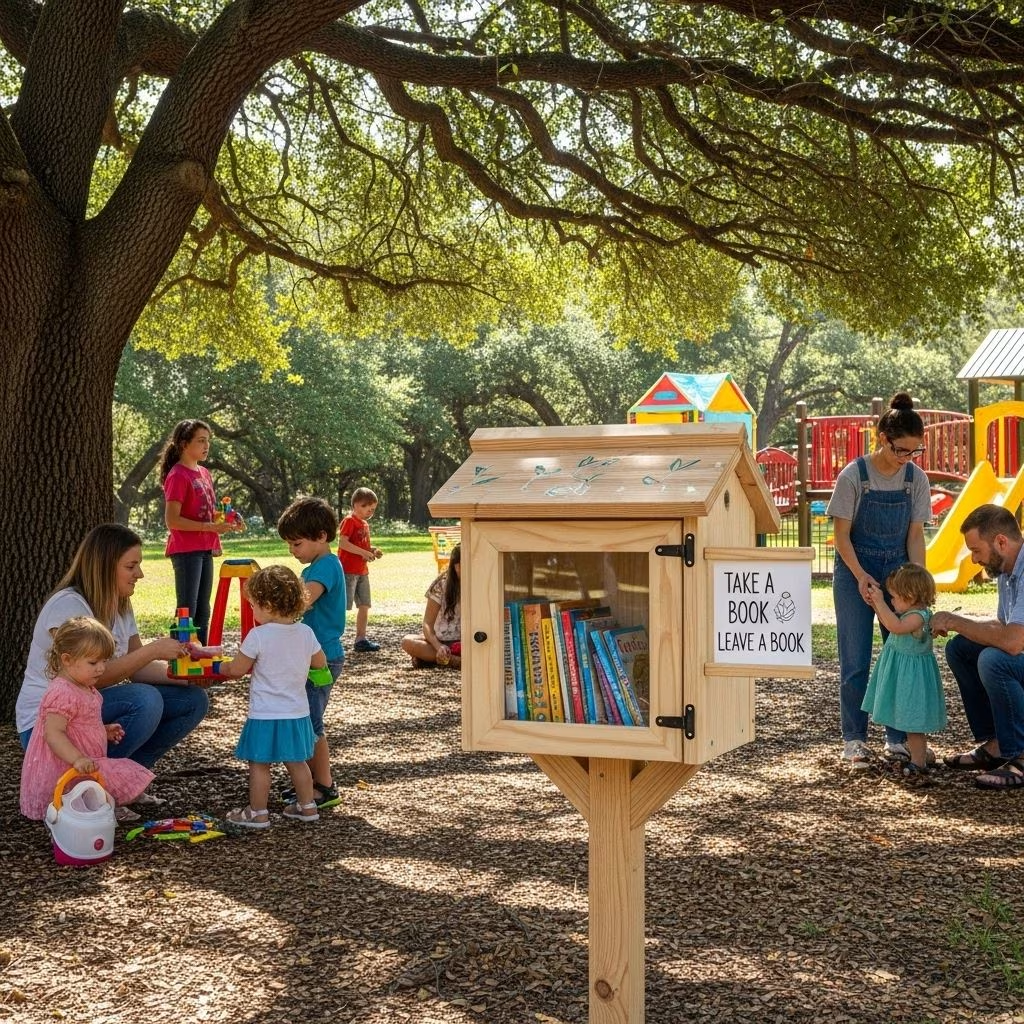
Outdoor borrowing libraries for play items represent an innovative approach to community building that combines the traditional library model with accessible recreation resources. These community-based initiatives allow residents to borrow outdoor equipment, sports gear, games, and play items free of charge, removing financial barriers to active outdoor engagement while fostering neighborhood connections and environmental stewardship.
The concept extends beyond simple equipment lending—it creates gathering spaces where families discover new activities, children develop physical literacy, and communities strengthen social bonds through shared experiences. As urban spaces become more dense and outdoor recreation costs continue rising, these libraries serve as equalizers that ensure every child and family can access quality play opportunities regardless of economic circumstances.
Understanding the Outdoor Borrowing Library Concept
An outdoor borrowing library for play items operates on the fundamental principle that recreational equipment should be accessible to everyone in a community. Unlike traditional libraries that focus exclusively on books and media, these innovative spaces loan physical items designed for outdoor play and exploration. The model emerged from the broader Library of Things movement, which recognizes that libraries can serve as community hubs for sharing resources beyond traditional materials.
These libraries typically maintain collections of diverse items including sports equipment like soccer balls, basketballs, and tennis rackets; outdoor games such as frisbees, bocce ball sets, and giant yard games; camping gear including tents, sleeping bags, and portable stoves; biking equipment with helmets and repair kits; fishing rods and tackle boxes; and nature exploration tools like binoculars, magnifying glasses, and field guides. Some advanced programs even offer kayaks, stand-up paddleboards, and technological equipment such as GoPros and telescopes.
The borrowing process mirrors traditional library systems—patrons check out items using their library cards for specified loan periods, typically ranging from one day to two weeks depending on the item type. This familiar structure makes the service intuitive and accessible while maintaining accountability for borrowed equipment.
Benefits for Communities and Families
Economic Accessibility stands as perhaps the most significant advantage of outdoor borrowing libraries. Recreational equipment often carries prohibitive price tags that exclude lower-income families from activities like camping, fishing, or water sports. A quality tent can cost several hundred dollars, while a family set of bicycles might require thousands. These financial barriers disappear when communities share resources through lending libraries, democratizing access to outdoor recreation.
Physical and mental health improvements naturally follow increased outdoor activity. When families can easily borrow equipment to try new activities, they spend more time being physically active in natural settings. Children develop motor skills, coordination, and confidence through varied play experiences. Adults rediscover outdoor hobbies or introduce their children to activities they enjoyed in their own youth. The mental health benefits of nature exposure—reduced stress, improved mood, enhanced creativity—become available to entire communities rather than only those who can afford specialized equipment.
Environmental sustainability improves through shared resource models. Rather than dozens of families each purchasing camping gear used once or twice annually, a single high-quality set serves many households throughout the year. This reduction in manufacturing demand, packaging waste, and storage needs aligns with broader environmental consciousness while teaching children about sharing and stewardship.
Community connections strengthen naturally around shared resources. Families swap recommendations about favorite hiking trails or fishing spots when returning equipment. Children meet peers at library events centered on outdoor activities. Neighborhoods develop shared identities around active, outdoor-oriented lifestyles. These social bonds contribute to safer, more resilient communities where residents know and support one another.
Implementing an Outdoor Borrowing Library Program
Successful implementation requires careful planning across multiple dimensions. Space considerations begin with identifying appropriate locations—existing library buildings, community centers, parks departments, or dedicated outdoor structures all serve as potential homes. The space must accommodate equipment storage, check-in/check-out areas, and ideally some protected outdoor area where patrons can examine items before borrowing.
Collection development demands strategic thinking about community needs and interests. Organizers should conduct surveys, hold community meetings, and analyze demographic data to understand which items will see highest demand. Starter collections often focus on versatile, durable items with broad appeal—soccer balls, frisbees, picnic blankets, nature exploration backpacks. As programs mature, collections expand based on usage patterns and patron requests. Some libraries establish wish lists where community members can donate or sponsor specific items.
Partnerships amplify impact significantly. Collaborations with local outdoor retailers may yield discounted equipment or donations of returned items. Environmental organizations can provide expertise for nature-based programming. Parks departments might offer complementary programming or facility access. Schools can integrate borrowing library resources into physical education or environmental education curricula. These partnerships distribute costs, expand reach, and embed the library more deeply into community fabric.
Staffing models vary based on program scale and resources. Dedicated coordinators who oversee collections, manage maintenance, develop programming, and build partnerships create the strongest programs. However, smaller communities successfully operate with part-time staff, trained volunteers, or integrating responsibilities into existing library positions. Clear protocols for equipment inspection, cleaning, and repair ensure longevity regardless of staffing structure.
Technology integration streamlines operations. Online catalogs allow patrons to browse available items and place holds. Automated reminder systems reduce overdue returns. Mobile apps can provide equipment instructions, suggest activities, or connect borrowers with similar interests. However, programs should maintain non-digital access options to ensure inclusivity for families without smartphones or internet access.
Popular Items and Collection Categories
Outdoor borrowing libraries typically organize collections into several key categories, each serving different recreational needs and age groups. Sports and active play equipment consistently ranks among the most borrowed categories. Basketball, soccer balls, footballs, and volleyballs allow spontaneous games at local parks. Badminton and tennis sets enable family tournaments. Jump ropes, hula hoops, and yoga mats support individual fitness. Slacklines and disc golf sets introduce patrons to emerging recreational trends.
Yard games and social play items create opportunities for multi-generational gatherings. Giant Jenga, oversized Connect Four, cornhole sets, and bocce ball transform backyards and park visits into memorable social events. These items prove especially popular for family reunions, birthday parties, and neighborhood gatherings, with borrowing rates typically spiking during spring and summer months.
Nature exploration equipment supports environmental education and outdoor discovery. Backpacks stocked with field guides, magnifying glasses, collection containers, and nature journals encourage children to observe plants, insects, and wildlife. Binoculars enable bird watching. Fishing poles introduce families to angling. Metal detectors turn beach trips into treasure hunts. These items particularly benefit urban communities with limited access to natural areas, as they enhance experiences in whatever green spaces are available.
Camping gear removes the largest financial barrier to overnight outdoor experiences. Complete tent systems, sleeping bags rated for different seasons, camp stoves, coolers, and lanterns allow families to try camping before investing in equipment. Some libraries even offer camping-specific packages with everything needed for a first camping trip, including printed guides for local campgrounds and camping basics.
Seasonal items keep collections relevant year-round. Sleds, snowshoes, and ice fishing equipment support winter recreation. Gardening tools, seeds through seed library programs, and outdoor planting kits encourage spring cultivation. Beach and water play items like boogie boards, sand toys, and water safety equipment maximize summer enjoyment. Fall brings demand for hiking backpacks and nature photography equipment for foliage viewing.
Programming and Community Engagement
Dynamic programming transforms outdoor borrowing libraries from simple lending operations into vibrant community hubs. Skill-building workshops help patrons maximize borrowed equipment value. Bicycle maintenance classes teach basic repairs and safety checks. Camping 101 sessions cover tent setup, fire building, and Leave No Trace principles. Fishing workshops demonstrate casting techniques, bait selection, and local regulations. These educational offerings build confidence for trying new activities while reducing equipment damage from improper use.
Organized outdoor events create shared experiences that strengthen community bonds. Group hikes to local trails, community bike rides, fishing derbies, and outdoor movie nights bring neighbors together around active recreation. These events often feature borrowed equipment, allowing participants to try items before committing to checkout. Family camping weekends at nearby campgrounds, where library staff provide borrowed gear and camping instruction, prove especially popular for families nervous about first camping attempts.
Storytimes and literacy connections extend the outdoor library mission. Outdoor storytime sessions held in parks or library grounds combine nature exposure with early literacy development. Story walks that place book pages along walking trails encourage reading while hiking. Nature-themed book kits pair picture books about outdoor topics with related exploration equipment—a book about birds includes binoculars and a bird identification guide. These programs particularly benefit families with young children, establishing positive associations between reading, learning, and outdoor play.
Community exploration programs leverage borrowed equipment to deepen neighborhood connections. Scavenger hunts using library-provided collection kits send families discovering local landmarks, public art, and historical sites. Self-guided neighborhood walking tours with borrowed audio equipment share community history. QR code challenges scattered throughout the community encourage exploration while teaching digital literacy. These activities help residents appreciate their local environment while staying physically active.
Partnership programming expands offerings beyond library staff expertise. Collaborations with environmental organizations bring nature educators for wildlife presentations, habitat restoration projects, or wilderness skills workshops. Local outdoor businesses might offer discounted lessons or guided experiences for library cardholders. Youth sports organizations can conduct clinics using borrowed equipment. These partnerships create comprehensive outdoor recreation ecosystems rather than isolated lending programs.
Overcoming Common Challenges
Every outdoor borrowing library faces predictable challenges requiring proactive solutions. Equipment maintenance and damage concerns often worry program planners. Establishing clear borrowing agreements that outline user responsibilities, implementing thorough checkout inspections, and building equipment repair into regular operations all mitigate these issues. Many programs assess modest replacement fees for damaged or lost items, though fee structures should consider financial accessibility. Preventive maintenance schedules catch small issues before equipment becomes unusable.
Theft and non-return of items occurs less frequently than anticipated, particularly when programs integrate into established library systems with existing accountability mechanisms. Clear policies, gentle but consistent follow-up for overdue items, and community ownership fostering social accountability minimize losses. Some programs require modest deposits for high-value items, refunded upon return. Building strong community relationships where patrons value the program and want to see it continue proves the most effective deterrent.
Funding sustainability requires diversified revenue streams. Initial startup grants from community foundations, local government allocations, or crowdfunding campaigns cover equipment purchases and space preparation. Ongoing costs find support through library budgets, equipment sponsorships from local businesses, donation programs where community members contribute new or gently used items, and modest annual membership fees that remain affordable but generate predictable revenue. Demonstrating community impact through usage statistics, patron testimonials, and health outcome data strengthens funding requests.
Seasonal demand fluctuations create utilization challenges. Summer sees peak borrowing while winter activity drops in many climates. Diversifying collections with season-appropriate items, developing indoor-outdoor hybrid programming, and targeting school break periods with special initiatives smooth demand curves. Some programs offer extended loan periods during slow seasons, allowing families to truly integrate borrowed items into their routines.
Space limitations constrain many programs, particularly those operating within existing library buildings. Creative solutions include outdoor storage sheds, partnerships with parks departments for equipment storage at recreation facilities, rotating collections where only subset of items are available at any time, and mobile libraries that bring equipment directly to neighborhoods. Vertical storage systems, wall-mounted racks, and compact equipment choices maximize limited space.
Case Studies and Success Stories
The Austin Public Library system in Texas developed a comprehensive Nature-Smart Libraries initiative that integrated outdoor borrowing with environmental programming and physical space transformation. The program offers lending backpacks filled with nature exploration tools, seed libraries for community gardening, StoryWalks combining reading with outdoor activity, and loose parts nature play areas. By hiring a dedicated Community Engagement Coordinator and collaborating with local environmental organizations, Austin created sustainable programming that reaches thousands of children annually. The initiative particularly focuses on communities with limited nature access, using equity frameworks to prioritize underserved neighborhoods.
San Francisco approached outdoor borrowing libraries through an environmental justice lens, recognizing that not all communities have equal nature access. The city’s public library system partnered with the National Park Service and Golden Gate National Parks Conservancy to create programs bridging urban families with nearby national parks. Initiatives included bookmobiles stocked with outdoor equipment and nature books visiting underserved neighborhoods, Little Free Libraries placed in parks, and free shuttle transportation from library branches to national parks. In a single year, over 26,000 children participated in summer programs, with 11 library branches transporting families to nine different national parks—dramatically expanding nature access for urban communities.
Pharr, Texas demonstrates how small communities can implement effective programs despite limited resources. In this predominantly Hispanic/Latino community where extreme heat, financial constraints, and accessibility challenges limit outdoor play, the local library leveraged its walkable location in every neighborhood to build family programming around borrowed outdoor equipment. Through partnerships with Texas Children in Nature Network and the LEAP backpack lending program, the library expanded nature-focused offerings while building strong relationships with patrons who felt ownership over program development. The success has inspired plans for mobile library units specifically targeting children with special needs.
The Ann Arbor Public Library system in Michigan created The Summer Games, an outdoor exploration program that combines borrowed equipment with community-wide scavenger hunts. Children earn badges and prizes by solving puzzles, finding clues at library locations, and discovering hidden QR codes throughout neighborhoods and local businesses. The program was specifically designed to be almost entirely outdoors, encouraging families to walk extensively through their community while engaging with library resources. This gamification approach particularly appeals to digitally-native children, using technology to drive outdoor activity rather than replace it.
Best Practices for Program Success
Successful outdoor borrowing libraries share several common practices that maximize impact and sustainability. Start small and grow strategically rather than attempting comprehensive collections immediately. Begin with popular, durable items that require minimal maintenance—soccer balls, frisbees, jump ropes, picnic supplies. As staff gain operational experience and community needs become clearer, expand thoughtfully into specialized equipment. This approach builds competence, manages budgets effectively, and demonstrates success that attracts additional funding.
Prioritize community input throughout program development and operation. Regular surveys, focus groups with diverse community segments, and patron advisory committees ensure collections and programming reflect actual needs rather than assumptions. This participation builds community ownership and investment in program success. When patrons help shape the library, they become ambassadors who promote it throughout their networks.
Develop clear, simple policies that balance accountability with accessibility. Borrowing agreements should outline user responsibilities, loan periods, and damage policies in straightforward language translated into community languages. Checkout processes should be streamlined and welcoming, particularly for first-time users who may feel intimidated. Staff training on customer service, equity awareness, and de-escalation ensures positive interactions even when addressing policy violations.
Invest in quality equipment that withstands heavy use. While budget constraints are real, cheap equipment that breaks quickly creates frustration, generates replacement costs, and undermines program reputation. Research commercial-grade options, seek bulk purchasing discounts, and accept high-quality donations gratefully. Proper storage, regular cleaning, and preventive maintenance extend equipment lifespan significantly.
Market programs creatively and consistently. Many communities never learn about available resources due to inadequate promotion. Utilize social media, local news outlets, school newsletters, community bulletin boards, and word-of-mouth networks to spread awareness. Visual content showing families enjoying borrowed equipment proves particularly effective. Partner with schools, pediatricians, and community organizations to reach families who might not typically use library services.
Collect and share impact data systematically. Track borrowing statistics, conduct patron surveys measuring health outcomes and satisfaction, document cost savings families experience, and gather testimonials illustrating program value. This evidence supports funding requests, demonstrates community benefit, and identifies improvement opportunities. Share successes publicly to inspire other communities and celebrate patron achievements.
Creating Inclusive and Equitable Access
Equity must be central to outdoor borrowing library design and operation. Geographic accessibility requires thoughtful placement of lending locations. Mobile libraries, satellite locations in underserved neighborhoods, and partnerships with community centers in low-income areas ensure families without transportation can access resources. Online reservation systems with equipment pickup at convenient locations reduce barriers for working families.
Financial accessibility extends beyond free borrowing to consider hidden costs that might exclude families. Programs should eliminate late fees, which disproportionately impact low-income patrons and create anxiety around borrowing. Security deposits, if necessary for expensive equipment, should remain modest and refundable. Programming fees should be eliminated or subsidized through sponsorships. Transportation barriers to outdoor destinations can be addressed through organized trips with provided transportation.
Cultural inclusivity ensures programming welcomes diverse communities. Multilingual signage, materials in community languages, and staff representing community diversity create welcoming environments. Programming should acknowledge and celebrate diverse outdoor traditions—different communities have varying relationships with nature, camping, fishing, and recreation. Avoiding assumptions about outdoor experience levels and providing judgment-free instruction makes newcomers comfortable.
Adaptive equipment and accessible programming serve community members with disabilities. Specialized items like adaptive bikes, all-terrain wheelchairs, and modified sports equipment enable full participation. Staff training on disability awareness and inclusive practices ensures welcoming service. Partnerships with disability advocacy organizations identify needs and solutions.
Addressing gender equity ensures girls and women have equal access to outdoor recreation opportunities. Programming that specifically invites and encourages female participation, addresses safety concerns, and showcases women outdoor leaders counters cultural messages that position outdoor adventure as primarily masculine. Equipment collections should include items that appeal to all genders without stereotyping.
Future Directions and Innovations
Outdoor borrowing libraries continue evolving with emerging technologies and changing community needs. Technology integration offers exciting possibilities—mobile apps could provide equipment tutorials, suggest activities based on borrowed items, connect borrowers with similar interests for group outings, or gamify outdoor exploration with challenges and rewards. Augmented reality features might overlay educational content onto nature walks or historical information onto neighborhood explorations.
Expanding partnership networks will deepen program impact. Collaborations with healthcare providers could integrate outdoor equipment prescriptions for patients needing increased physical activity. Schools might check out classroom sets of equipment for physical education units or outdoor learning days. Social service agencies could connect clients with outdoor recreation as part of mental health treatment or family strengthening programs.
Climate adaptation will increasingly influence programming and collections. As extreme weather events become more common, libraries may offer emergency equipment like portable fans, cooling towels, or shade structures. Climate-appropriate seasonal collections will shift with changing weather patterns. Programming might increasingly focus on climate education, environmental stewardship, and sustainable outdoor practices.
Virtual and hybrid programming could extend reach beyond geographic limitations. Online workshops teaching outdoor skills, virtual nature exploration connecting urban libraries with wilderness areas through live video feeds, or hybrid events combining borrowed equipment with digital content creation expand possibilities. However, these innovations should supplement rather than replace direct outdoor experiences.
Regional networks of outdoor borrowing libraries could enable reciprocal borrowing, where patrons access collections across multiple communities. Shared equipment purchasing, coordinated programming, and regional marketing would increase efficiency and impact. Such networks might also facilitate specialized equipment that individual libraries cannot justify—expensive items could rotate through network locations based on seasonal demand.
Frequently Asked Questions
Q: How much does it cost to borrow equipment from an outdoor lending library?
A: Most outdoor borrowing libraries offer completely free equipment loans to library cardholders, eliminating financial barriers to outdoor recreation. Some programs may require modest deposits for high-value items that are refunded upon return.
Q: What happens if borrowed equipment gets damaged or lost?
A: Policies vary by program, but most outdoor borrowing libraries understand that normal wear occurs with use. Patrons typically sign borrowing agreements acknowledging responsibility for significant damage or loss, and reasonable replacement fees may apply. Many programs waive fees for families experiencing financial hardship.
Q: How long can I borrow outdoor equipment?
A: Loan periods typically range from one day to two weeks depending on item type and demand. High-demand items like bikes or camping gear often have shorter loan periods, while seasonal items might be borrowed for extended periods during off-peak times.
Q: Can schools or community groups borrow equipment for programs?
A: Many outdoor borrowing libraries offer organizational accounts allowing schools, scout troops, youth programs, and community groups to borrow multiple items or classroom sets. Contact your local program to learn about group borrowing policies and equipment availability.
Q: What types of communities benefit most from outdoor borrowing libraries?
A: All communities benefit, but these programs provide particularly significant impact in urban areas with limited nature access, lower-income neighborhoods where equipment costs create barriers, and communities experiencing high rates of childhood obesity or nature deficit disorder.
Q: How can I start an outdoor borrowing library in my community?
A: Begin by connecting with your local library system or parks department to gauge interest and identify potential partnerships. Conduct community surveys to understand needs, research similar programs for best practices, develop a modest startup budget, and seek initial funding through grants or community fundraising. Starting small with popular items allows you to build experience and demonstrate success.
Outdoor borrowing libraries for play items represent powerful tools for building healthier, more connected, and equitable communities. By removing financial barriers to outdoor recreation, these programs ensure every child can experience the developmental benefits of active outdoor play regardless of family economic circumstances. They strengthen neighborhood bonds through shared resources and experiences while promoting environmental sustainability through reduced consumption and increased nature connection.
As communities worldwide grapple with rising inequality, declining physical activity, and disconnection from nature, outdoor borrowing libraries offer practical, scalable solutions that address multiple challenges simultaneously. The model’s flexibility allows adaptation to diverse community contexts—from small rural towns to large urban centers—while maintaining core principles of accessibility, community ownership, and outdoor engagement.
The future of these programs looks promising, with growing recognition of their value, expanding partnership opportunities, and innovative approaches to programming and technology integration. As more communities embrace this model, sharing best practices and learning from each other’s experiences, outdoor borrowing libraries will undoubtedly play increasingly important roles in creating vibrant, healthy, and equitable communities where everyone can access the transformative benefits of outdoor play and nature connection.
References
- https://runwildmychild.com/library-outdoors/
- https://www.childrenandnature.org/resources/nature-smart-libraries-a-toolkit/
- https://www.coppelltx.gov/985/Library-of-Things
- https://www.honestlymodern.com/sustainble-ways-to-use-the-library/
- https://www.shareable.net/library-of-things-toolkit/
- https://www.orlandparklibrary.org/library-of-things-fun-games/


