


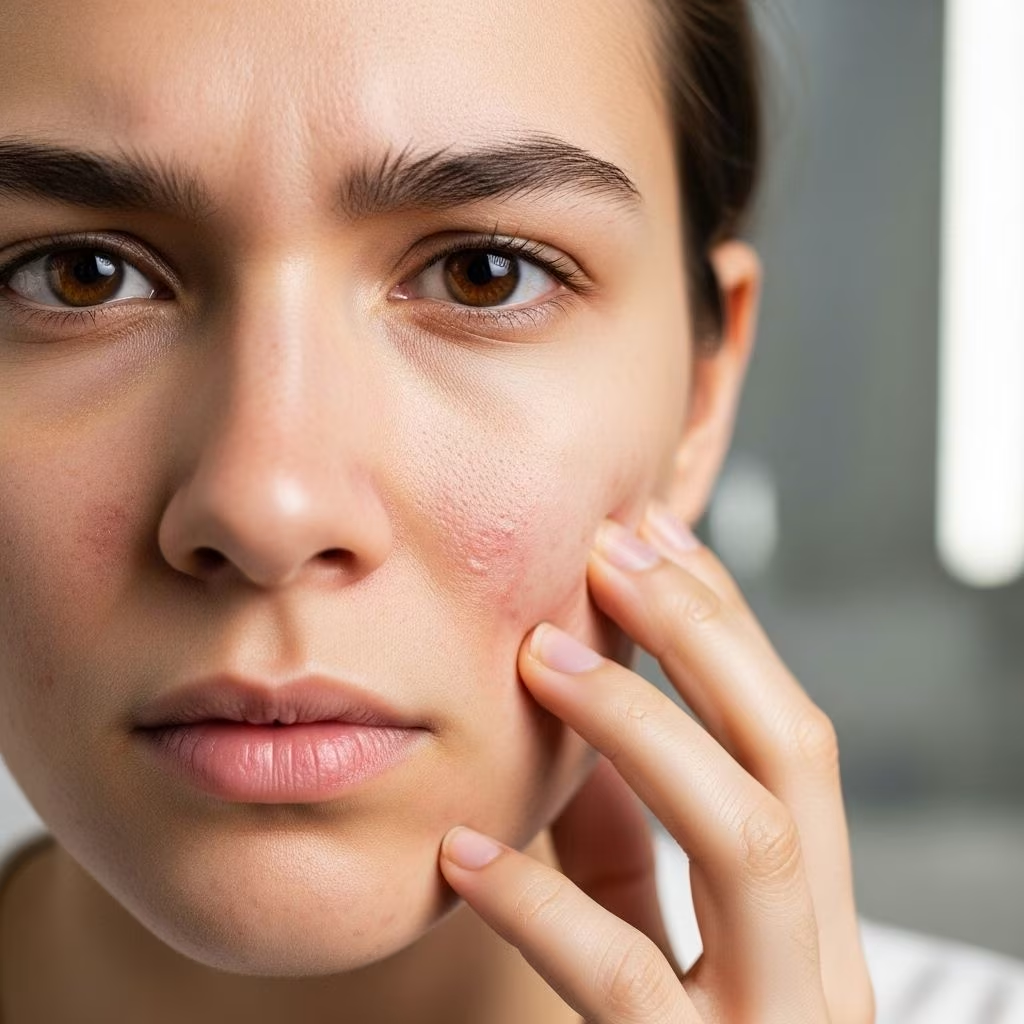
If you’ve been religiously applying spot treatments to your blemishes only to watch new pimples appear nearby, you’re not alone. Many people find themselves frustrated when their once-effective spot treatments seem to lose their power, leaving them wondering what went wrong. The truth is, spot treatments have inherent limitations that prevent them from delivering the comprehensive acne care your skin truly needs.
Why Spot Treatments Often Fail
Spot treatments are designed to provide quick, targeted relief for individual blemishes, but their effectiveness diminishes over time for several critical reasons. Understanding these limitations is the first step toward developing a more effective skincare strategy.
The Temporary Relief Trap
When you apply a spot treatment to a visible pimple, it may temporarily shrink the blemish by reducing inflammation and killing surface bacteria. However, this approach only addresses the symptom, not the underlying cause. The same conditions that created the original pimple remain untreated, leading to new breakouts in adjacent areas.
Insufficient Coverage
Acne develops in areas where pores are prone to clogging, which often extends beyond the visible blemish. Spot treatments only target the obvious breakout, leaving the surrounding acne-prone areas vulnerable to future blemishes. This creates a whack-a-mole effect where treating one pimple simply leads to another appearing nearby.
Bacterial Resistance and Adaptation
Over time, the acne-causing bacteria on your skin can develop resistance to the active ingredients in spot treatments. Propionibacterium acnes, the primary bacteria responsible for inflammatory acne, can adapt to repeated exposure to the same antimicrobial agents, making previously effective treatments less potent.
The Hidden Limitations of Spot Treatments
While spot treatments may seem like a logical solution for targeting individual blemishes, they come with several inherent limitations that prevent them from delivering long-term results.
Inadequate Prevention
The most significant limitation of spot treatments is their reactive rather than preventive nature. By the time a pimple becomes visible enough to treat, the acne formation process has already been underway for weeks. Spot treatments cannot prevent the microcomedones and early inflammatory processes that lead to future breakouts.
Skin Barrier Disruption
Frequent use of high-concentration spot treatments can damage your skin’s natural protective barrier. This disruption can lead to increased sensitivity, dryness, and ironically, more breakouts as your compromised skin becomes more vulnerable to environmental irritants and bacteria.
Uneven Treatment Distribution
Spot treatments create an uneven distribution of active ingredients across your face. While some areas receive high concentrations of treatment, other acne-prone areas remain untreated. This inconsistency can lead to imbalanced skin conditions and unpredictable results.
Understanding the Root Causes of Acne
To effectively address acne that no longer responds to spot treatments, it’s essential to understand the multifactorial nature of acne development.
Hormonal Influences
Hormonal fluctuations, particularly increases in androgens, stimulate sebaceous glands to produce excess oil. This increased sebum production creates an environment conducive to acne development across multiple areas of your face, not just isolated spots.
Genetic Predisposition
Your genetic makeup influences how your skin responds to hormonal changes, how quickly your skin cells turnover, and how effectively your immune system manages bacterial populations. These factors affect your entire complexion, making targeted spot treatments insufficient for comprehensive care.
Environmental and Lifestyle Factors
Diet, stress levels, sleep quality, and environmental pollutants all contribute to acne development. These systemic influences affect your skin’s overall health and cannot be addressed through localized spot treatments alone.
Why Full-Face Treatment Works Better
A comprehensive, full-face treatment approach addresses acne more effectively than spot treatments by targeting all the factors that contribute to breakouts.
Comprehensive Coverage
Full-face treatments ensure that all acne-prone areas receive consistent care, preventing the formation of new blemishes while treating existing ones. This approach addresses the entire affected area rather than playing catch-up with individual breakouts.
Balanced Active Ingredient Distribution
When active ingredients are applied evenly across your face, your skin can better tolerate the treatment while maintaining its natural balance. This reduces the risk of irritation and helps maintain your skin’s protective barrier function.
Prevention-Focused Strategy
Full-face treatments work proactively to prevent new breakouts by addressing the underlying conditions that promote acne development. This includes regulating oil production, promoting healthy cell turnover, and maintaining optimal skin pH levels.
Common Spot Treatment Mistakes
Many people unknowingly sabotage their spot treatment effectiveness through common application and usage errors.
Overuse and Over-concentration
Using spot treatments too frequently or applying products with excessively high concentrations can irritate your skin and actually prolong the healing process. This overuse can lead to contact dermatitis, making your skin more sensitive and prone to breakouts.
Improper Timing
Applying spot treatments at the wrong stage of blemish development can reduce their effectiveness. Many people wait until a pimple is fully formed before treatment, missing the optimal window for intervention.
Mixing Incompatible Ingredients
Combining spot treatments with other active ingredients without proper knowledge can lead to chemical reactions that neutralize the treatment’s effectiveness or cause skin irritation.
Effective Alternatives to Spot Treatments
When spot treatments stop working, several alternative approaches can provide better results for managing acne.
Retinoid-Based Treatments
Retinoids, including both over-the-counter retinol and prescription tretinoin, work by normalizing skin cell turnover and preventing the formation of comedones. These treatments address acne at its source by preventing pore blockages that lead to breakouts.
Chemical Exfoliants
Beta hydroxy acids like salicylic acid and alpha hydroxy acids such as glycolic acid provide gentle, consistent exfoliation that helps prevent pore blockages. Unlike spot treatments, these can be applied to larger areas for comprehensive prevention.
Professional Treatments
Dermatologist-administered treatments such as chemical peels, extractions, and light therapy can provide more intensive intervention for stubborn acne that doesn’t respond to over-the-counter solutions.
Building a Comprehensive Skincare Routine
Creating an effective skincare routine requires understanding your skin type and selecting appropriate products that work synergistically.
Morning Routine Framework
Start with a gentle cleanser to remove overnight buildup, follow with a treatment product containing salicylic acid or benzoyl peroxide, apply a lightweight moisturizer, and finish with broad-spectrum sunscreen. This routine prepares your skin for the day while providing consistent acne-fighting benefits.
Evening Routine Framework
Evening routines can incorporate stronger active ingredients like retinoids or higher concentrations of chemical exfoliants. Begin with thorough cleansing, apply your treatment products, and follow with a nourishing moisturizer to support skin repair overnight.
Weekly Intensive Treatments
Incorporate weekly treatments such as clay masks or stronger chemical exfoliants to provide deeper cleansing and exfoliation than daily products can achieve.
When to Consult a Dermatologist
Recognizing when to seek professional help is crucial for effective acne management, especially when over-the-counter solutions prove insufficient.
Signs You Need Professional Help
Consider consulting a dermatologist if your acne is inflammatory, leaves scarring, affects your self-esteem, or doesn’t respond to consistent over-the-counter treatment after 12 weeks. Professional intervention can prevent long-term skin damage and provide access to more effective treatments.
Professional Treatment Options
Dermatologists can prescribe stronger topical treatments, oral medications, or perform in-office procedures that aren’t available over-the-counter. These options include prescription retinoids, oral antibiotics, hormonal treatments, and professional chemical peels.
Long-Term Prevention Strategies
Effective acne management extends beyond topical treatments to include lifestyle and dietary considerations.
Dietary Modifications
Research suggests that high-glycemic foods and dairy products may exacerbate acne in some individuals. Consider keeping a food diary to identify potential dietary triggers and work with a healthcare provider to develop an appropriate eating plan.
Stress Management
Chronic stress can worsen acne by increasing hormone production and inflammation. Incorporate stress-reduction techniques such as regular exercise, adequate sleep, and mindfulness practices into your daily routine.
Environmental Considerations
Regularly clean items that come into contact with your face, including pillowcases, phone screens, and makeup brushes. Choose non-comedogenic personal care and cosmetic products to avoid pore-blocking ingredients.
Frequently Asked Questions
Q: How long should I try a spot treatment before determining it’s not working?
A: Give a spot treatment 4-6 weeks of consistent use before evaluating its effectiveness. However, if you notice increased irritation or new breakouts appearing regularly near treated areas, it may be time to switch to a full-face approach sooner.
Q: Can I use multiple spot treatments at the same time?
A: Using multiple spot treatments simultaneously can lead to over-drying and irritation. If one spot treatment isn’t working, it’s better to switch to a comprehensive skincare routine rather than layering more targeted treatments.
Q: Why do new pimples appear near where I used spot treatments?
A: This happens because spot treatments only address visible blemishes while leaving the surrounding acne-prone areas untreated. The same conditions that created the original pimple persist in nearby pores, leading to new breakouts.
Q: Are expensive spot treatments more effective than drugstore options?
A: Price doesn’t necessarily indicate effectiveness. Many drugstore spot treatments contain the same active ingredients as expensive alternatives. Focus on finding products with proven ingredients like salicylic acid or benzoyl peroxide rather than price point.
Q: Should I stop using spot treatments completely?
A: While full-face treatments are generally more effective, spot treatments can still be useful for occasional breakouts when used as part of a comprehensive routine. The key is not relying on them as your primary acne management strategy.
Q: How do I transition from spot treatments to a full-face routine?
A: Gradually introduce new products one at a time, starting with lower concentrations of active ingredients. Begin with a gentle cleanser and moisturizer, then slowly add treatment products while monitoring your skin’s response to avoid irritation.
References
- https://brickellmensproducts.com/blogs/grooming-manual/what-is-spot-treatment
- https://miiskin.com/acne/acne-spot-treatment/
- https://www.mdacne.com/article/hidden-danger-of-acne-spot-treatments
- https://blog.reneerouleau.com/how-to-use-a-spot-treatment/
- https://theordinary.com/en-us/blog/understanding-spot-solutions.html
- https://www.mayoclinic.org/diseases-conditions/acne/in-depth/acne-treatments/art-20045814
- https://pmc.ncbi.nlm.nih.gov/articles/PMC11266290/
- https://www.mydcsi.com/2024/06/24/strategies-for-acne-spot-treatment/
- https://www.aad.org/public/diseases/acne/diy/skin-color
- https://www.100percentpure.com/blogs/feed/the-dos-don-ts-of-acne-spot-treatments


