


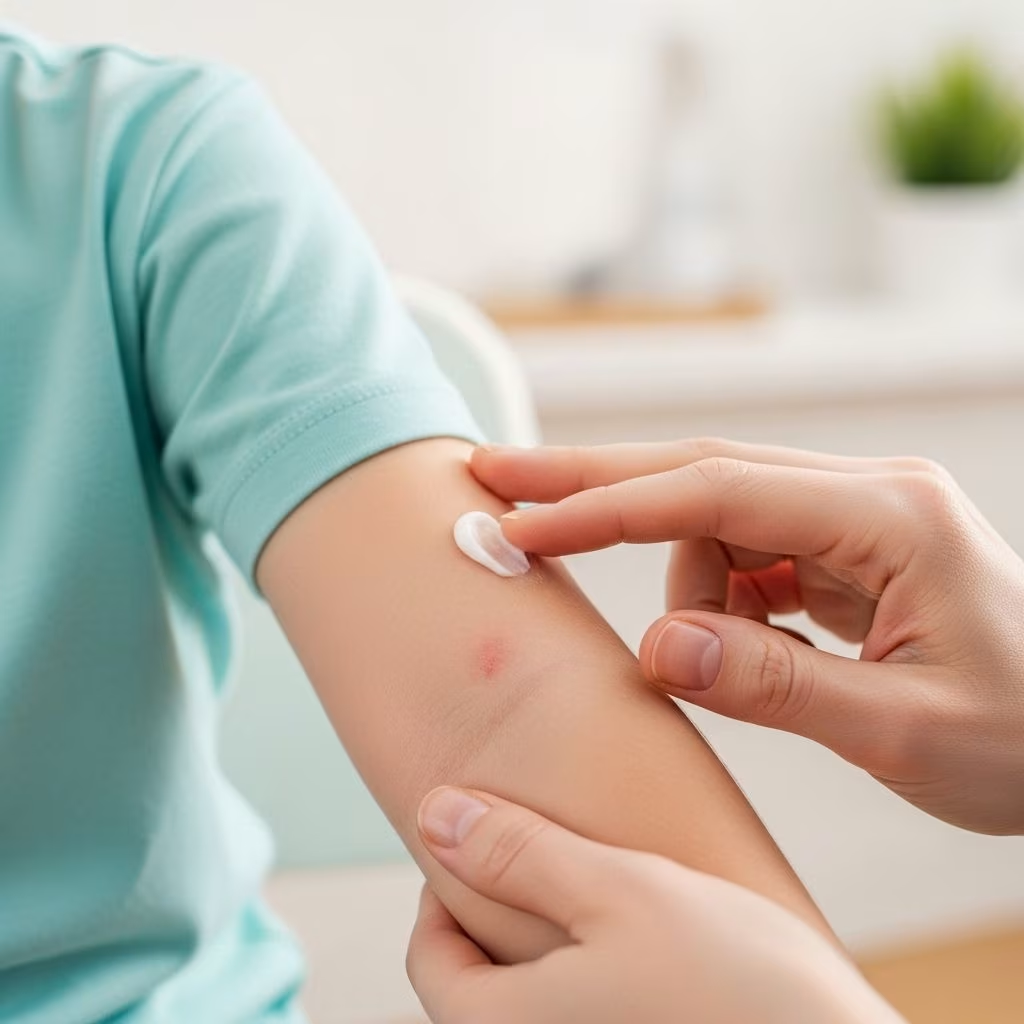
Pediatric eczema, medically known as atopic dermatitis, represents one of the most common chronic skin conditions affecting infants and toddlers. This inflammatory skin disorder impacts approximately 10-20% of children worldwide, often appearing during the first year of life. For parents and healthcare providers alike, understanding evidence-based protocols for managing this condition is essential to providing relief and preventing long-term complications. The condition manifests through characteristic symptoms including red, inflamed patches of skin, intense itching, dryness, and in some cases, small raised bumps that can weep or crust over. While the exact cause remains under investigation, research indicates a strong genetic component combined with environmental triggers and immune system hypersensitivities.
Managing pediatric eczema requires a comprehensive, multifaceted approach that addresses skin barrier dysfunction, inflammation, infection prevention, and itch control simultaneously. The protocols outlined in this guide are based on current clinical guidelines from leading pediatric dermatology organizations and represent best practices for caring for the delicate skin of infants and toddlers. These evidence-based strategies focus on establishing consistent skincare routines, appropriate use of topical medications, environmental modifications, and knowing when to escalate care to specialty providers.
Understanding Pediatric Eczema in Infants and Toddlers
Atopic dermatitis in young children presents unique challenges due to their developing immune systems and delicate skin barrier function. The condition typically manifests differently in infants compared to older children, with babies often showing eczema on their cheeks, scalp, and extensor surfaces of their arms and legs. As children transition into the toddler years, the distribution pattern often shifts to flexural areas such as the inner elbows, behind the knees, and around the wrists and ankles.
The pathophysiology of pediatric eczema involves a complex interplay between genetic predisposition, immune dysregulation, and environmental factors. Many children with atopic dermatitis have a family history of allergic conditions, including asthma, hay fever, or food allergies, forming what clinicians refer to as the atopic triad. The skin barrier in affected children shows impaired function, allowing increased water loss and easier penetration of allergens and irritants. This compromised barrier triggers an inflammatory cascade mediated by immune cells, leading to the characteristic redness, swelling, and intense itching that defines the condition.
Environmental triggers play a significant role in eczema flares and vary among individual children. Common triggers include harsh soaps and detergents, rough fabrics, extreme temperatures, low humidity, certain foods, dust mites, pet dander, and even stress or emotional factors. Many young children with severe eczema also have concurrent food allergies, particularly to cow’s milk, eggs, peanuts, wheat, and soy. Understanding these triggers helps families implement effective prevention strategies as part of their comprehensive management plan.
Clinical Assessment and Diagnosis
Accurate diagnosis of pediatric eczema begins with a thorough clinical assessment that includes detailed medical history and physical examination. Healthcare providers should inquire about the onset, duration, and pattern of skin symptoms, family history of atopic conditions, previous treatments attempted, and potential trigger factors. The distribution and appearance of skin lesions provide important diagnostic clues, with infants typically showing involvement of the face, scalp, and extensor surfaces, while toddlers more commonly develop lesions in flexural areas.
Physical examination focuses on identifying characteristic features of atopic dermatitis including xerosis (dry skin), erythema (redness), excoriations (scratch marks), lichenification (thickened skin from chronic scratching), and assessing for signs of secondary infection. Providers should evaluate the severity of the condition using standardized tools, noting the extent of body surface area affected, degree of inflammation, and impact on the child’s sleep and quality of life. This severity assessment guides treatment decisions and helps establish appropriate follow-up intervals.
Before initiating treatment, healthcare professionals must ensure proper diagnosis and rule out other conditions that may mimic eczema. These differential diagnoses include seborrheic dermatitis, contact dermatitis, scabies, psoriasis, and immunodeficiency disorders. Consulting with a healthcare professional is crucial before starting any treatment regimen, as accurate diagnosis ensures appropriate therapeutic interventions. In cases where the diagnosis remains unclear or the condition proves refractory to standard treatments, referral to a pediatric dermatologist or allergist may be warranted for further evaluation and specialized testing.
Foundational Care Protocols
Daily Bathing and the Soak and Seal Method
Establishing a consistent bathing routine forms the cornerstone of eczema management in young children. The Soak and Seal method represents an evidence-based approach recommended by dermatology experts to optimize skin hydration and reduce flare frequency. This protocol involves bathing the child in lukewarm water for five to ten minutes using a gentle, fragrance-free cleanser. During bathing, caregivers should avoid scrubbing affected areas and instead gently cleanse the skin to remove dirt and bacteria without causing additional irritation.
Following the bath, the protocol calls for patting the skin lightly with a soft towel, leaving it slightly damp rather than completely dry. This moisture retention proves critical for the next step. Within three minutes of exiting the bath, caregivers should apply any prescribed topical medications to affected areas, followed immediately by liberal application of a moisturizer to the entire body surface. This three-minute window is essential because waiting longer allows the skin to become even drier than before bathing. The moisturizer acts as a sealant, trapping water in the skin and reinforcing the compromised skin barrier.
Once-daily bathing with lukewarm water limited to five to ten minutes is recommended for patients with atopic dermatitis. Parents should use fragrance-free, dye-free cleansers specifically formulated for sensitive skin and avoid traditional soaps that can strip natural oils and further damage the skin barrier. After allowing a few minutes for the moisturizer to absorb, children can be dressed in soft, breathable fabrics. Moisturizing should not be limited to bath time alone; caregivers should reapply emollients throughout the day whenever the child’s skin appears dry or itchy.
Moisturizer Selection and Application
Choosing appropriate moisturizers represents a critical component of eczema management protocols. Ointment-based products generally provide superior occlusion and hydration compared to creams or lotions, making them the preferred formulation for most children with atopic dermatitis. Bland emollients such as petroleum jelly, mineral oil-based ointments, and ceramide-containing products help restore the skin barrier and reduce transepidermal water loss. Products should be free of fragrances, dyes, and other potential irritants that could trigger flares.
Application technique matters as much as product selection. Caregivers should apply moisturizers generously using their palms and stroking in a downward direction to avoid blocking hair follicles. The amount needed is often more than parents initially anticipate; a general guideline suggests that a family should go through a large container of moisturizer every one to two weeks when properly treating a child with moderate to severe eczema. Frequent reapplication throughout the day, not just after bathing, helps maintain skin hydration and provides a protective barrier against environmental irritants.
Environmental Modifications and Trigger Avoidance
Creating an eczema-friendly environment involves systematic identification and minimization of potential triggers. All skin care products, including soaps, shampoos, and laundry detergents, should be fragrance-free and dye-free to reduce irritation risk. Families should wash new clothing before first wear to remove manufacturing chemicals and use the gentle cycle with extra rinse for all laundry. Fabric softeners and dryer sheets often contain irritating chemicals and should be avoided in favor of unscented alternatives.
Temperature and humidity control in the home environment significantly impacts eczema symptoms. Maintaining moderate indoor temperatures and using humidifiers during dry seasons helps prevent excessive skin drying. Dressing children in layers of soft, breathable fabrics like cotton allows for temperature regulation without overheating, which can trigger itching. Rough fabrics such as wool should be kept away from direct skin contact, though they can be worn over cotton clothing if needed for warmth.
Topical Medication Guidelines
Topical Corticosteroid Protocols
Topical corticosteroids remain the first-line pharmacologic treatment for inflamed eczema in infants and toddlers. These medications work by reducing inflammation, suppressing immune responses, and providing relief from itching. The key to safe and effective use lies in selecting the appropriate potency based on the child’s age, severity of inflammation, and location of affected skin. Clinical protocols recommend starting with the mildest strength topical steroid still likely to be effective, following a stepwise approach to treatment.
For young infants under three years of age, low potency topical steroids are preferred to minimize potential side effects. The following table outlines evidence-based recommendations for topical steroid selection based on flare severity, skin location, and child’s age:
| Severity | Location | Age Under 3 Years | Age 3 Years and Older |
|---|---|---|---|
| Mild | Face/Genitals | 2.5% Hydrocortisone | 2.5% Hydrocortisone |
| Mild | Body | 2.5% Hydrocortisone | 0.025% Triamcinolone acetonide |
| Moderate | Face/Genitals | 0.025% Triamcinolone acetonide | 0.025% Triamcinolone acetonide |
| Moderate | Body | 0.025% Triamcinolone acetonide | 0.1% Triamcinolone acetonide |
| Severe | Face/Genitals | 0.025% Triamcinolone acetonide | 0.025% Triamcinolone acetonide |
| Severe | Body | 0.1% Triamcinolone acetonide | 0.05% Fluocinonide |
Application protocols typically call for twice-daily application to affected areas during active flares. Steroid medication should always be used in ointment formulation when possible, as ointments provide better skin penetration and additional moisturizing benefits compared to creams or lotions. For facial application, practitioners recommend using the lowest potency options to minimize risks of skin atrophy, telangiectasia, and perioral dermatitis. Treatment duration varies based on response, but most flares improve within several days to two weeks of appropriate therapy.
An important principle in topical steroid use involves avoiding oral steroids for eczema flares in children. While oral corticosteroids may provide rapid symptom improvement, they carry significant risks of systemic side effects and often lead to rebound flares when discontinued. The focus should remain on optimizing topical therapy, identifying triggers, and implementing comprehensive skin care protocols rather than relying on systemic steroids.
Application Technique and Safety Considerations
Proper application technique maximizes therapeutic benefit while minimizing potential adverse effects. After bathing and while the skin remains slightly damp, caregivers should apply the prescribed topical steroid to affected areas first, using a thin layer and gently rubbing it in until absorbed. Following steroid application, they should wait a few minutes before applying moisturizer to the entire body, including areas treated with medication. This layering approach ensures adequate medication delivery while maintaining overall skin hydration.
Safety concerns about topical corticosteroids often lead to undertreatment, a phenomenon termed steroid phobia. When used appropriately according to clinical protocols, topical steroids are safe and effective for managing pediatric eczema. Potential side effects primarily occur with prolonged use of high-potency formulations, particularly on thin-skinned areas. Regular follow-up with healthcare providers allows monitoring for any adverse effects and adjustment of treatment regimens as needed. Parents should be educated that intermittent, appropriate use of topical steroids as directed is far safer than allowing uncontrolled inflammation to persist.
Specialized Treatment Protocols
Bleach Bath Therapy
Dilute bleach baths represent an evidence-based adjunctive treatment for children with moderate to severe eczema, particularly those prone to secondary skin infections. The bleach concentration used in these baths approximates that of a chlorinated swimming pool and helps reduce bacteria on the skin surface, particularly Staphylococcus aureus, which commonly colonizes eczematous skin and can trigger or worsen flares. This therapy has demonstrated effectiveness in reducing inflammation and infection rates when used as part of a comprehensive treatment protocol.
The protocol for bleach bath therapy involves adding a precise amount of regular household bleach to bathwater based on the tub size. For a standard 40-gallon bathtub filled halfway, one-quarter cup of bleach is added to lukewarm water. For a full tub, one-half cup is used. It is crucial to use a measuring cup to ensure accurate dosing, as too much bleach may irritate the skin while too little provides insufficient benefit. The bleach should never be applied directly to the child’s eczema or added before the tub is filled with water.
Children should soak in the dilute bleach bath for five to ten minutes, typically two to three times per week. The face and head should be kept out of the water, though affected areas on the neck can be immersed. Following the bleach bath, the child should be rinsed with fresh water and the standard Soak and Seal protocol followed, including application of medications and moisturizers. Parents of children with bleach sensitivities or allergic asthma that might be aggravated by chlorine fumes should consult with their healthcare provider before starting bleach bath therapy to ensure this treatment is appropriate for their child.
Wet Wrap Therapy
Wet wrap therapy provides an intensive treatment option for severe, non-infected eczema flares that have not responded adequately to standard topical therapy. This technique involves applying topical medications and moisturizers to the skin, then covering affected areas with damp bandages or clothing, followed by a dry layer on top. The wet wraps enhance medication penetration, provide a cooling effect that soothes itching, create a physical barrier against scratching, and help lock moisture into the skin.
The protocol for wet wrap therapy begins with bathing the child and applying prescribed topical steroids to inflamed areas, followed by liberal application of moisturizer to the entire body. Damp tubular bandages or wet pajamas are then applied over the treated skin, with dry clothing or bandages layered on top. The wraps should feel comfortably damp but not dripping wet. Children typically wear wet wraps for several hours or overnight, with treatment courses lasting up to 72 hours under close medical supervision.
Wet wrap therapy should be implemented under the guidance of a dermatology specialist and requires close follow-up to monitor for complications such as infection, excessive skin hydration, or systemic absorption of topical steroids. This intensive treatment is reserved for severe cases and represents a bridge therapy to gain rapid control of severe flares before transitioning back to standard maintenance protocols. Parents require detailed instruction and demonstration of proper technique before attempting wet wraps at home.
Antihistamine Use for Symptom Management
First-generation oral antihistamines may be considered as an adjunctive treatment for itch control and sleep improvement in children with eczema, particularly during severe flares. Medications such as diphenhydramine and hydroxyzine provide sedating effects that help children sleep despite itching, thereby reducing nighttime scratching and allowing skin healing. However, antihistamines do not treat the underlying inflammation and should not replace appropriate topical therapy and skin care protocols.
The decision to use antihistamines should be made in consultation with a healthcare provider, who can recommend appropriate dosing based on the child’s age and weight. These medications are typically used on an as-needed basis rather than as routine daily therapy, particularly during periods of severe itching that interfere with sleep. Second-generation antihistamines, while causing less sedation, have not demonstrated significant benefit for eczema-related itching and are generally not recommended for this indication.
Long-Term Management Strategies
Maintenance Therapy and Flare Prevention
Long-term eczema management extends beyond treating active flares to implementing maintenance strategies that prevent future episodes and maintain skin barrier integrity. Even when the skin appears clear, consistent use of emollients helps maintain hydration and reinforces the compromised skin barrier characteristic of atopic dermatitis. Many dermatologists recommend continuing moisturizer application at least once or twice daily, even during periods of remission, to prevent flare recurrence.
Proactive therapy represents an emerging maintenance approach for children with frequent flares. This strategy involves applying low-potency topical corticosteroids or topical calcineurin inhibitors to previously affected areas two to three times per week, even when the skin appears normal, to prevent inflammation from recurring. This approach has demonstrated effectiveness in reducing flare frequency and severity while minimizing overall medication exposure compared to reactive treatment alone. Implementation of proactive therapy should occur under dermatologist guidance with regular monitoring.
Developing a Home Eczema Management Plan
All children with eczema should be provided with a written home eczema management plan that outlines daily skincare routines, medication instructions, trigger avoidance strategies, and guidance for managing flares. This personalized action plan serves as a reference for caregivers and ensures consistent implementation of treatment protocols across different care settings. The plan should specify which products to use, how often to apply them, when to step up treatment intensity, and when to seek medical attention.
An effective management plan includes clear instructions for recognizing early signs of flares and implementing prompt intervention to prevent progression. Parents should receive demonstrations of proper application techniques for both moisturizers and medications to ensure they can replicate these procedures at home. Regular review and updating of the management plan allows adaptation to the child’s changing needs as they grow and as their eczema pattern evolves.
Monitoring and Follow-Up Protocols
Regular follow-up with healthcare providers is essential for optimizing eczema management and addressing emerging concerns. Initial follow-up typically occurs within two to four weeks of starting new treatments to assess response and make necessary adjustments. Children with well-controlled eczema may transition to less frequent monitoring visits, while those with severe or refractory disease require closer supervision and potential specialist involvement.
Follow-up visits provide opportunities to assess treatment adherence, identify barriers to successful management, evaluate for potential triggers or complications, and adjust therapies based on response. Healthcare providers should inquire about the impact of eczema on the child’s sleep, quality of life, and family functioning, as these factors influence overall disease burden and may indicate need for treatment intensification. Documentation of disease severity using standardized assessment tools facilitates tracking of progress over time and supports communication among providers.
When to Refer to Specialists
While most cases of pediatric eczema can be managed successfully in primary care settings using the protocols outlined above, certain situations warrant referral to pediatric dermatology, allergy, or immunology specialists. Referral should be considered when eczema proves refractory to appropriate first-line treatments including consistent use of emollients, topical corticosteroids, and trigger avoidance measures. Children requiring frequent or prolonged courses of mid- to high-potency topical steroids to maintain control may benefit from specialist evaluation for alternative or adjunctive therapies.
Additional indications for specialist referral include diagnostic uncertainty, particularly when skin findings do not follow typical eczema patterns or when other conditions are suspected. Severe eczema with significant impact on quality of life, extensive skin involvement, or frequent infections requiring systemic antibiotics warrants subspecialty expertise. Children with suspected food allergies or other atopic conditions may benefit from allergy evaluation, including consideration of specific IgE testing or food challenges when appropriate.
Infants and young children with severe, treatment-resistant eczema associated with failure to thrive, recurrent serious infections, or other systemic symptoms require evaluation for potential immunodeficiency disorders or metabolic conditions that may manifest with eczema-like rashes. Specialist consultation provides access to advanced therapies including topical calcineurin inhibitors, phototherapy, and in select cases, systemic immunomodulating medications. Early specialist involvement in complex cases improves outcomes and reduces disease burden for affected children and their families.
Frequently Asked Questions
Q: How often should I bathe my infant or toddler with eczema?
A: Daily bathing is recommended for children with eczema, using lukewarm water for five to ten minutes with a gentle, fragrance-free cleanser. The key is following the Soak and Seal method by applying medications and moisturizers within three minutes after patting the skin dry to lock in hydration.
Q: Are topical steroids safe for long-term use in babies?
A: When used appropriately according to clinical protocols, topical steroids are safe and effective for managing pediatric eczema. The key is using the lowest potency needed for the specific area and severity, following prescribed application schedules, and having regular follow-up with healthcare providers to monitor for any adverse effects.
Q: Can food allergies cause or worsen eczema in infants?
A: Many young children with severe eczema have concurrent food allergies, particularly to cow’s milk, eggs, peanuts, wheat, and soy. However, eliminating foods from a child’s diet should only be done under medical supervision and after appropriate testing, as unnecessary restrictions can impact nutrition and development.
Q: When should I apply moisturizer versus topical steroid medication?
A: After bathing while skin is still damp, apply prescribed topical steroid to affected inflamed areas first, wait a few minutes, then apply moisturizer liberally to the entire body including treated areas. This layering ensures medication penetration while maintaining overall skin hydration.
Q: What should I do if my child’s eczema suddenly gets worse or looks infected?
A: Signs of infection include increased redness and warmth, honey-colored crusting, oozing, pustules, fever, or lack of response to usual treatments. Contact your healthcare provider promptly if you notice these symptoms, as infected eczema requires specific treatment including possible antibiotics.
Q: How long does it typically take to see improvement with eczema treatment?
A: With appropriate topical steroid therapy and consistent skincare routines, most eczema flares show improvement within several days to two weeks. However, complete healing may take longer, and maintenance therapy with moisturizers should continue even after the skin appears clear to prevent recurrence.
Q: Should I use ointments, creams, or lotions for my toddler’s eczema?
A: Ointment-based products are generally preferred for pediatric eczema because they provide superior hydration and occlusion compared to creams or lotions. Both medications and moisturizers should ideally be in ointment formulation, though creams may be more practical for daytime use on visible areas.
Q: Is it normal for eczema to get better and worse over time?
A: Yes, eczema is a chronic condition characterized by periods of flares and remissions. Many children experience improvement as they grow older, with some eventually outgrowing the condition. Consistent management protocols help reduce flare frequency and severity over time.
References
- https://www.childrensmercy.org/health-care-providers/pediatrician-guides/atopic-dermatitis/
- https://nationaleczema.org/children/treatment/
- https://www.chop.edu/clinical-pathway/atopic-dermatitis-clinical-pathway
- https://www.happyskindermatology.com/2025/01/17/top-eczema-treatments-for-infants-a-parents-guide/
- https://www.aap.org/en/patient-care/atopic-dermatitis/treatment-of-atopic-dermatitis/
- https://www.rch.org.au/clinicalguide/guideline_index/eczema/
- https://www.ncbi.nlm.nih.gov/books/NBK571009/
- https://www.aafp.org/pubs/afp/issues/2020/0515/p590.html


