


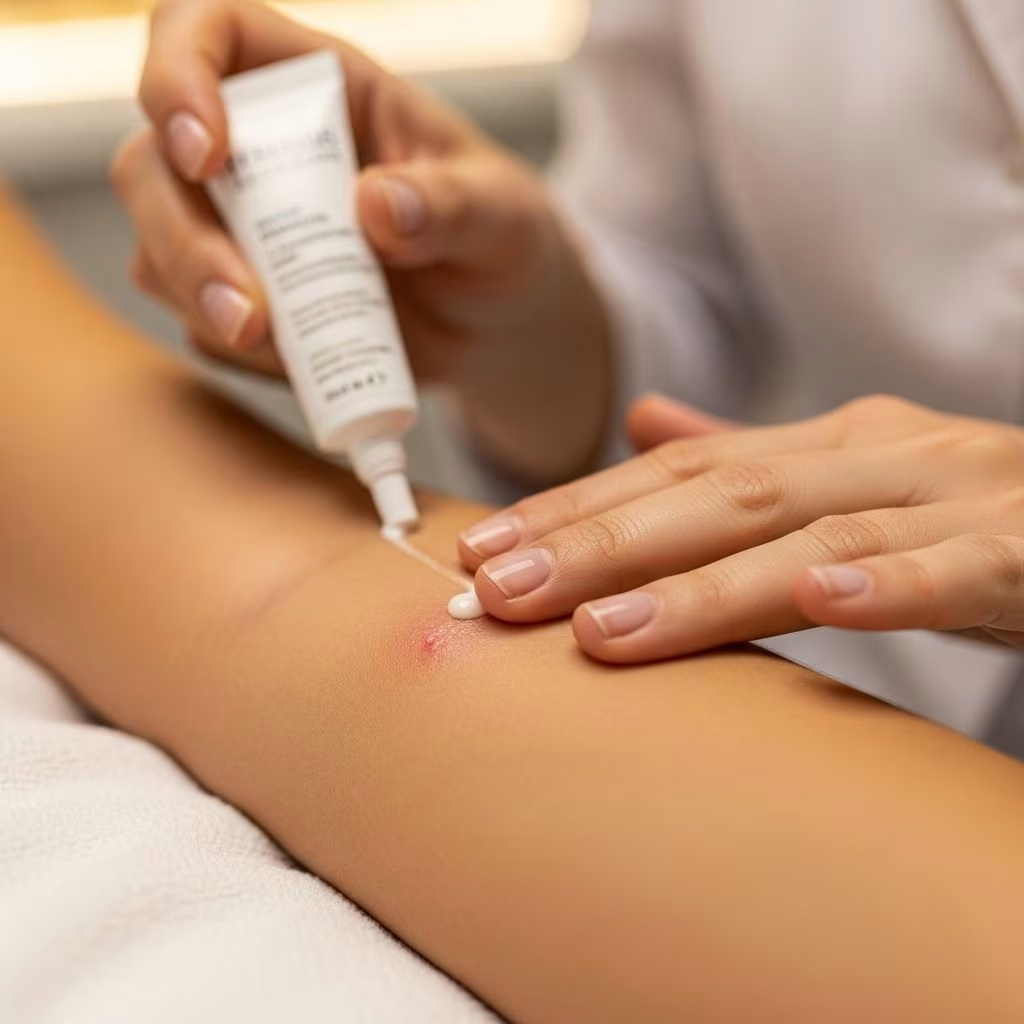
Finding the balance between achieving a sun-kissed look and maintaining healthy, eczema-prone skin poses unique challenges. This comprehensive guide explores essential strategies, expert recommendations, and evidence-based tips to help tanning bed users with mild eczema enjoy their glow without sacrificing skin health.
Understanding Eczema and Tanning
Eczema, also known as atopic dermatitis, is a chronic inflammatory skin condition marked by dryness, itchiness, and irritation. Mild cases often present as dry patches, sensitivity, and occasional flare-ups. For individuals with eczema, any disruption to the skin’s barrier (such as from UV exposure or strong chemicals) can exacerbate symptoms and potentially trigger more frequent reactions.
Tanning beds use artificial ultraviolet (UV) light to simulate a bronzed appearance. While some forms of medically supervised phototherapy employ controlled UV for certain skin diseases, recreational tanning beds are categorically different and not medically indicated for eczema.
Should People With Eczema Use Tanning Beds?
- Dermatologists do not recommend tanning beds as an eczema treatment.
- While some individuals have reported temporary symptom relief, tanning beds pose significant risks, including skin cancer and worsening eczema in many cases.
- If you choose to use tanning beds, vigilant preparation and care are essential to minimize skin stress.
Risks of Tanning Beds for Eczema-Prone Skin
Even for individuals with mild eczema, exposure to the UV rays emitted by tanning beds carries both immediate and long-term health hazards:
- Skin Cancer Risk: Tanning beds substantially increase the risk of both melanoma and non-melanoma skin cancers due to intense UVA and UVB exposure.
- Aggravation of Eczema: The artificial UV light, heat, and drying environment can compromise the skin barrier and spark eczema flares.
- Premature Aging: Prolonged tanning accelerates the appearance of fine lines, wrinkles, and leathery skin.
- Increased Sensitivity: Damage from UV can make skin more reactive to topical products, fragrances, and environmental irritants.
- Sunburn-like Reactions: Eczema-prone skin is more susceptible to burning, even in controlled environments like tanning beds.
| Risk Factor | Effect on Eczema-Prone Skin |
|---|---|
| UV Exposure | Destroys skin barrier, increases inflammation |
| Drying Environment | Exacerbates dryness, itching, and flaking |
| Heat | Triggers itching and flushes in sensitive zones |
| Chemical Contact | Increases risk of irritation with tanning products |
Skin Preparation Before Tanning
Protecting eczema-prone skin starts with careful planning ahead of each tanning session. Stepwise, gentle preparation helps fortify the skin barrier and reduces the likelihood of post-tanning irritations.
Preparation Steps
- Mild Cleansing: Use gentle, fragrance-free cleansers. Avoid harsh or exfoliating soaps that strip essential oils.
- Gentle Exfoliation: If your eczema is not flaring, a light exfoliation 48 hours before tanning can help remove dry buildup. Use gentle, non-abrasive products and avoid scrubbing—focus on thicker-skinned areas only.
- Hydration: Moisturize thoroughly 24–48 hours before tanning. Apply a rich, hypoallergenic moisturizer free from fragrances and dyes.
- Barrier Cream Application: Just before tanning, apply a barrier cream (with shea butter or aloe vera) to areas prone to dryness and irritation. This includes hands, elbows, knees, and any visible eczema patches.
- Patch Test: Always perform a 24-hour patch test on a small skin area with the intended product to check for reactions or sensitivity.
Key Do’s and Don’ts Before Tanning
- Do: Consult your doctor or dermatologist before starting any tanning routine.
- Do: Use prescribed emollients and stick to skincare products recommended by your healthcare provider.
- Don’t: Attempt tanning during an active eczema flare or if your skin is cracked, bleeding, or significantly inflamed.
Choosing Safe Tanning Products
Product selection is critical for tanning bed users with eczema. The wrong chemicals can sabotage your efforts and lead to severe skin reactions.
What to Look For
- Hypoallergenic and Fragrance-Free: These are least likely to irritate sensitive skin.
- Natural Moisturizers: Seek ingredients such as aloe vera, shea butter, and glycerin, which provide deep hydration and soothing action.
- Alcohol-Free Formulas: Avoid products containing alcohol, as these can dry and break down the skin barrier, worsening eczema.
- Enriched Formulations: Some tanners contain antioxidants and vitamin E to reduce oxidative stress caused by UV exposure.
- Low DHA Concentrations: Dihydroxyacetone (DHA), the main tanning agent, should be in a low concentration to reduce potential reactions.
Ingredients to Avoid
- Artificial fragrances
- Sulfates and detergents
- Alcohol
- Parabens and formaldehyde-releasing preservatives
- Harsh chemical exfoliants (like high-concentration AHAs or BHAs)
Best Practices During Tanning Bed Use
If you decide to use a tanning bed despite potential risks, follow these best practices for safety and minimal irritation:
- Limit Session Duration: Keep sessions brief (no longer than 5–7 minutes) to minimize UV exposure.
- Cover Sensitive Zones: Use clothing or bandages to protect active eczema areas from direct light.
- Hydrate Before Hand: Moisturize affected areas one hour before your session to lock in hydration.
- Monitor Your Skin: Watch for any stinging, redness, or discomfort; exit the session immediately if symptoms occur.
- Avoid Flare-Ups: Never use a tanning bed if you have an active eczema outbreak, open sores, or broken skin.
Post-Tanning Aftercare for Eczema
Post-tan care is just as important as preparation for maintaining skin integrity and comfort. Aim to soothe and replenish the skin’s barrier immediately after any tanning exposure.
- Shower Wisely: Rinse with lukewarm (not hot) water. Avoid scrubbing; pat skin gently with a soft towel after your shower.
- Moisturize Promptly: Apply a generous layer of your usual fragrance-free, hypoallergenic moisturizer while the skin is still slightly damp to lock in hydration.
- Avoid Rich Butters (if Sensitive): Opt for light creams unless you know your skin tolerates richer products well.
- Apply Medicated Creams: Use prescribed eczema treatments if signs of irritation appear.
- Monitor Skin Changes: Watch for new patches, increased redness, or unusual dryness, and reach out to your dermatologist if symptoms worsen.
- Use Medicated Talc: In skin folds (underarms, chest creases), a medicated talc can prevent friction and help keep skin calm.
Essential Skincare Routine for Eczema
Building a robust, gentle skincare routine protects your skin not only from the effects of tanning, but also from daily stressors that can cause eczema flares.
Morning Routine
- Cleanser: Fragrance-free, gentle liquid cleanser. Avoid bar soaps with strong detergents.
- Moisturizer: Use ceramide-rich creams with niacinamide and/or shea butter for optimal hydration.
- Sun Protection: Broad-spectrum SPF 30 or higher. Some eczema-friendly sunscreens are labeled hypoallergenic and suitable for sensitive skin.
- Soothe: Use a cooling cream or lotion if skin feels itchy or appears red upon waking.
Evening Routine
- Gentle Cleansing: Wash with lukewarm water and a creamy, non-foaming cleanser.
- Repair: Apply emollients and any prescribed medicated creams to flare zones.
- Barrier Support: Apply a thick ointment or overnight treatment for extra hydration.
Weekly Additions
- Mild Exfoliation: Only when eczema is calm. Use soft cloths or enzyme-based exfoliators sparingly.
- Patch Tests: For new products, always perform a small-area test to prevent widespread reactions.
Safer Alternatives to Tanning Beds
Instead of exposing sensitive skin to tanning beds, consider these safer alternatives for achieving a sun-kissed glow:
- Self-Tanners Suited for Eczema: Choose hypoallergenic, gentle self-tanning lotions with moisturizing bases and natural ingredients.
- Spray Tanning by a Specialist: Ask salons if they offer formulas designed for sensitive or eczema-prone skin. Demand a patch test before full application.
- Bronzing Lotions and Powders: Topical, wash-off products can highlight skin without long-term color change.
- Gradual Tan Moisturizers: These products blend moisturization with subtle tanning over several days, offering better control and less risk of sudden flares.
With all alternatives, diligent patch testing and close attention to ingredient lists are key to minimizing reactions.
Frequently Asked Questions (FAQs)
Q1: Are tanning beds safe for people with eczema?
No, dermatologists do not recommend tanning beds for treating eczema. The risks of UV-induced skin cancer and eczema flare-ups outweigh any perceived benefits.
Q2: Can gentle exfoliation help with tanning on eczema-prone skin?
Yes, mild exfoliation with non-abrasive products (only when eczema is not active) can help remove dry skin. However, avoid harsh scrubs and discontinue if you notice irritation.
Q3: What ingredients should I avoid in tanning or skincare products?
Avoid fragrances, alcohol, sulfates, and strong preservatives. Stick with products labeled hypoallergenic and test new products on a small skin area first.
Q4: Is self-tanning a safe alternative for people with eczema?
Yes, with caution. Choose formulas with gentle, nourishing ingredients and follow patch testing procedures before broader application.
Q5: When should I see a doctor regarding my skin and tanning?
If you notice an eczema flare, broken skin, or persistent irritation following tanning or self-tanning, consult your dermatologist promptly.
Q6: Can tanning beds ever provide therapeutic benefit for eczema?
No. While medical phototherapy may be prescribed by dermatologists using controlled equipment, commercial tanning beds lack the specificity, safety monitoring, and regulation required for medical care.
Conclusion
With careful planning, appropriate product choices, and adherence to both pre- and post-tan routines, tanning bed users with mild eczema can reduce their risk of flare-ups and irritation. However, the safest route is to avoid tanning beds, focusing on alternatives designed for sensitive, eczema-prone skin. Always keep dermatologist guidance central to your routine for optimal skin health and comfort.
References
- https://professionalbeauty.co.uk/site/newsdetails/spray-tanning-clients-who-have-eczema
- https://boebeaute.com/us/skin-talk/skin-types/self-tanners-for-eczema/
- https://www.laroche-posay.us/skincare-tips-and-advice/eczema-dry-skin/skincare-routine-for-eczema.html
- https://megatanonline.com/blogs/safe-tanning/tanning-bed-for-eczema
- https://www.medicalnewstoday.com/articles/indoor-tanning-and-eczema
- https://www.refinery29.com/en-us/tanning-beds-eczema-treatment-dermatologist-advice
- https://quicktansunbeds.co.uk/can-sunbeds-help-with-eczema/


