


Introduction
In the realms of sports science, nutrition, and even dermatology, peptides have emerged as an exciting class of bioactive molecules promising to revolutionize how we approach performance, recovery, and barrier support. While traditionally recognized for their role in skin health and anti-aging, recent research highlights their broader physiological benefits—particularly for those engaged in high-intensity, active routines. This article dives deep into the science of peptides, exploring their role in barrier support, synergistic effects with exercise, and their practical implications for athletes, fitness enthusiasts, and the general population.
What Are Peptides?
Peptides are short chains of amino acids, typically containing between two and fifty amino acids, with properties and functions distinct from both individual amino acids and intact proteins. They can be naturally produced in the body or derived from dietary proteins through processes such as digestion, fermentation, or enzymatic hydrolysis. Structurally simpler than proteins, peptides are more rapidly absorbed and can interact with specific cellular receptors, triggering diverse physiological responses.
- Peptides are more rapidly absorbed than whole proteins.
- They can interact with specific cellular receptors, influencing metabolism, recovery, and barrier function.
- Many bioactive peptides are derived from hydrolyzed food proteins or synthesized for specific therapeutic and performance uses.
Peptides and Barrier Support
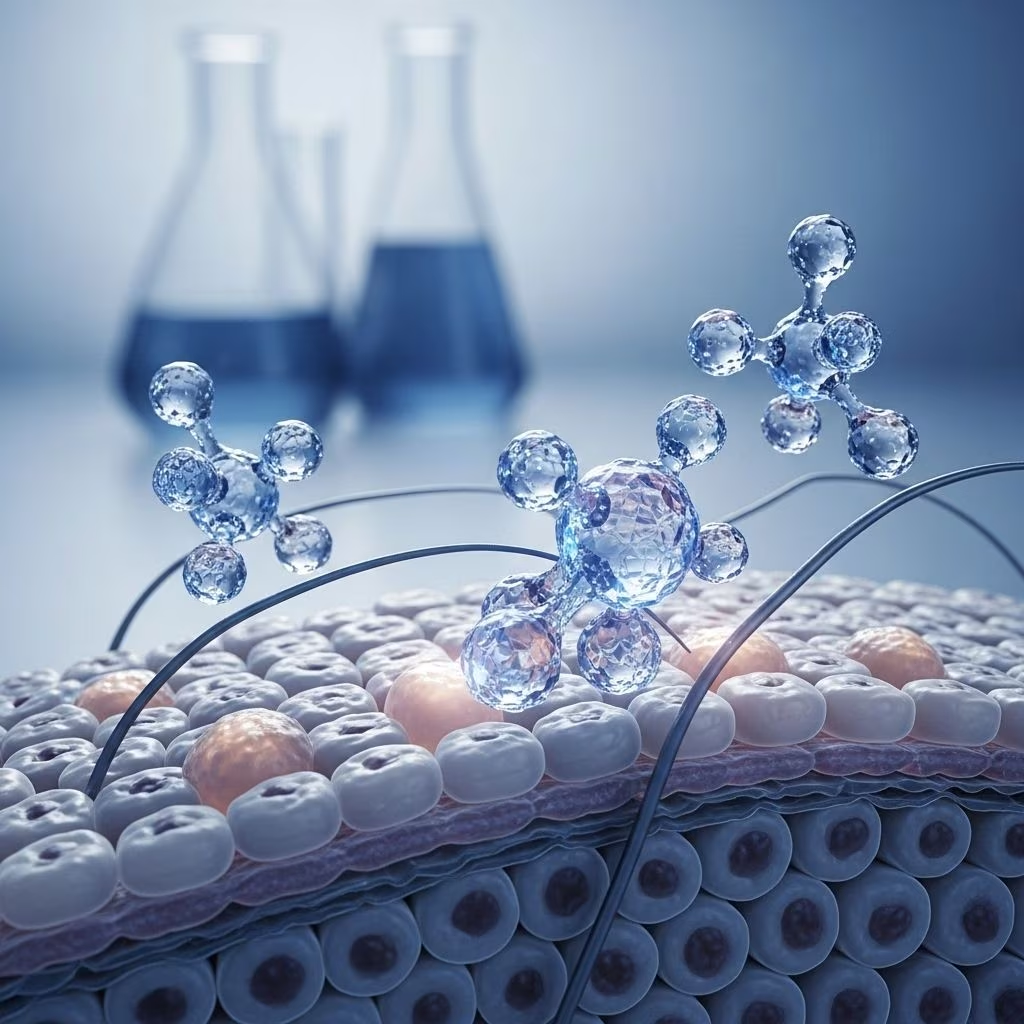
The concept of “barrier support” with peptides operates at multiple physiological levels. At the cellular level, peptides can reinforce the integrity of biological barriers—most notably, the skin’s epidermal barrier, but also gut, muscle, and connective tissue barriers.
Skin Barrier Support
In dermatology, peptides are renowned for their ability to stimulate collagen production, support skin hydration, and reduce inflammation. Collagen peptides, for example, help maintain the skin’s firmness and elasticity, while antimicrobial peptides play a role in protecting against pathogens.
- Collagen peptides stimulate collagen synthesis, improving skin elasticity and hydration.
- Certain peptides have antimicrobial properties, bolstering the skin’s defense against infection.
- Peptides can reduce inflammation and promote quicker healing of skin injuries.
Topical peptide formulations are now commonly found in skincare products, targeting wrinkles, inflammation, and even skin tone.
Muscle and Connective Tissue Barrier Support
In sports and active routines, peptides contribute to the repair and strengthening of muscle and connective tissue barriers following exercise-induced damage. Bioactive peptides derived from hydrolyzed proteins can reduce muscle damage, accelerate tissue repair, and improve structural adaptations within connective tissues. These effects are critical for athletes who experience frequent microtrauma during training and competition.
- Peptides can promote angiogenesis (formation of new blood vessels) and collagen production, supporting tissue repair and reducing injury risk.
- They help maintain the integrity of muscle and connective tissue barriers, facilitating quicker recovery.
Gut Barrier Support
Some bioactive peptides may also support the integrity of the gut barrier, preventing the translocation of harmful substances into systemic circulation—a benefit particularly relevant for athletes and those under intense physical stress.
Synergistic Effects in Active Routines
Peptides do not work in isolation; their true potential is realized when combined with physical activity and a holistic nutrition plan. The synergy between peptides and exercise can amplify benefits such as enhanced recovery, improved body composition, and optimized endurance.
Body Composition and Muscle Performance
Studies indicate that bioactive peptides can positively influence changes in body composition, supporting muscle hypertrophy and fat metabolism. For example, specific peptides may stimulate lipolysis (fat breakdown) while preserving lean muscle mass—a key goal for endurance and body composition athletes.
- Peptides may promote muscle growth and reduce muscle catabolism (breakdown) under stress.
- They can help athletes maintain favorable body composition ratios, supporting both performance and aesthetics.
Endurance and Stamina
Certain peptides enhance oxygen utilization by stimulating erythropoiesis (red blood cell production), thereby increasing oxygen delivery to working muscles and delaying fatigue. Mitochondrial peptides may also improve ATP production and mitochondrial biogenesis, leading to more efficient energy utilization during prolonged exercise.
- Peptides can improve aerobic capacity and endurance by optimizing oxygen delivery and mitochondrial function.
- Improved stamina allows for more intense and prolonged training sessions.
Inflammation and Recovery
One of the most compelling benefits of peptides in active routines is their ability to modulate inflammation and accelerate recovery. Peptides can reduce markers of inflammation, promote tissue regeneration, and alleviate post-exercise soreness. This accelerates the return to training and reduces the risk of overuse injuries.
- Peptides help reduce exercise-induced inflammation and oxidative stress, speeding up recovery.
- They support faster tissue repair, making them valuable for both acute and chronic injuries.
Joint and Connective Tissue Health
For endurance athletes, joint and tendon health is paramount. Peptides that stimulate collagen synthesis can strengthen connective tissues, reducing the risk of injuries common in sports like running, cycling, and weightlifting.
Mechanisms of Action
Understanding how peptides exert their effects is crucial for optimizing their use in active routines. Peptides primarily act as signaling molecules, binding to specific cell surface receptors and triggering cascades that influence metabolism, growth, and repair.
- Signaling: Peptides communicate with cells, directing them to initiate repair, growth, or metabolic changes.
- Hormone-like Effects: Some peptides mimic hormones (e.g., growth hormone-releasing peptides), enhancing muscle repair and recovery.
- Tissue-specificity: Certain peptides target muscle, connective tissue, or skin, providing localized benefits.
- Metabolic Regulation: Peptides can influence protein synthesis, fat metabolism, and energy utilization, aligning with the demands of active lifestyles.
Their interactions with pathways such as mTOR (mammalian target of rapamycin), glycogen synthase, and GLUT-4 (glucose transporter type 4) often exceed the effects of individual amino acids, offering a more nuanced approach to performance and recovery.
Barrier Support Beyond the Skin
While the skin barrier is a primary focus in dermatology, peptides also contribute to the integrity of internal barriers—such as the gut lining and muscle fascia. For athletes, this is particularly relevant:
- Gut Barrier: Intense exercise can compromise gut barrier function, leading to “leaky gut” and systemic inflammation. Some peptides may help seal the intestinal lining, reducing the risk of endotoxin translocation and subsequent immune activation.
- Muscle and Fascia: Peptides support the repair of muscle sarcolemma and fascia, essential for maintaining muscle function and preventing injuries.
- Connective Tissue: By stimulating collagen production, peptides strengthen tendons and ligaments, common sites of overuse injury in athletes.
This multi-barrier support underscores the systemic benefits of peptides beyond skin health, positioning them as a versatile tool for holistic athletic performance and recovery.
Practical Applications
Incorporating peptides into active routines requires an understanding of their sources, forms, and optimal timing.
Dietary Sources
Bioactive peptides are naturally present in many protein-rich foods, especially those that have undergone fermentation or hydrolysis (e.g., yogurt, kefir, hydrolyzed whey or collagen supplements). While whole food sources provide a broad spectrum of peptides, targeted supplementation can offer higher doses of specific sequences with known benefits.
Supplementation
Peptide supplements—often in the form of hydrolyzed proteins, collagen peptides, or synthetic peptides—are increasingly popular among athletes. These products are designed to deliver concentrated doses of bioactive sequences, supporting recovery, performance, and barrier function.
- Hydrolyzed Proteins: These are pre-digested proteins rich in bioactive peptides, ideal for post-workout recovery.
- Collagen Peptides: Popular for joint, skin, and connective tissue health, especially in endurance athletes.
- Synthetic Peptides: Used in clinical and sports settings for targeted effects, such as growth hormone stimulation or immune modulation.
Timing and Dosage
The timing of peptide intake can influence their effectiveness. For example, consuming hydrolyzed protein or collagen peptides post-exercise may accelerate muscle and connective tissue repair. Consistent daily intake supports ongoing barrier maintenance and overall resilience.
Types of Peptides for Active Routines
Not all peptides are created equal. Here’s a breakdown of the most relevant types for active lifestyles:
| Type | Primary Benefit | Common Sources/Forms |
|---|---|---|
| Collagen Peptides | Strengthens connective tissue, supports skin and joint health | Hydrolyzed collagen, supplements, bone broth |
| Growth Hormone Releasing Peptides (GHRPs) | Stimulates muscle repair, supports recovery | Synthetic peptides (e.g., GHRP-6, Ipamorelin) |
| Mitochondrial Peptides | Enhances energy production, reduces fatigue | Supplemental blends, naturally in certain foods |
| Antimicrobial Peptides | Supports immune defense, barrier integrity | Skin creams, some functional foods |
| Bioactive Food Peptides | General health, recovery, metabolic support | Fermented dairy, hydrolyzed plant proteins |
Safety and Considerations
Compared to anabolic steroids, peptides are generally considered to have a lower risk of significant side effects when used appropriately. However, there are important considerations:
- Quality and Purity: Supplement quality varies widely; third-party testing and reputable brands are essential.
- Regulatory Status: Some peptides are classified as prescription drugs or banned in competitive sports—check local and international regulations.
- Potential Side Effects: While rare, some individuals may experience gastrointestinal discomfort, allergic reactions, or hormonal changes.
- Holistic Approach: Peptides work best when combined with proper nutrition, adequate rest, and a structured training program.
Future Research Directions
Despite promising preliminary findings, more research is needed to fully elucidate the benefits and mechanisms of peptides in active routines. Key areas for future investigation include:
- Clarifying the effects of specific peptide sequences on human metabolism and performance.
- Exploring the long-term safety and efficacy of peptide supplementation in diverse athletic populations.
- Investigating the potential for peptides to support healthy aging, especially in preserving muscle mass and functional capacity.
The integration of peptides into mainstream sports nutrition and wellness is still evolving, but their role in barrier support and synergistic health benefits positions them as a frontier in performance and recovery science.
Frequently Asked Questions (FAQs)
Q: What are peptides and how are they different from proteins?
A: Peptides are short chains of amino acids, smaller than proteins. They are more easily absorbed and can have targeted physiological effects, whereas proteins are larger and need to be broken down into peptides and amino acids during digestion.
Q: How do peptides support barrier function in active individuals?
A: Peptides help maintain and repair the skin, gut, and connective tissue barriers by stimulating collagen production, reducing inflammation, and supporting tissue regeneration. This is especially valuable for athletes who experience frequent microtrauma and stress on these barriers.
Q: Can peptides improve athletic performance?
A: Emerging evidence suggests bioactive peptides may enhance muscle recovery, endurance, and body composition, but more research is needed to confirm these effects and identify optimal protocols for different sports.
Q: Are peptide supplements safe?
A: Peptides are generally considered safer than anabolic steroids, with a lower risk of severe side effects, but quality, dosage, and regulatory status should always be considered. Consult a healthcare professional before starting any new supplement regimen.
Q: What are the best dietary sources of peptides?
A: Fermented dairy products, hydrolyzed protein supplements, bone broth, and certain plant-based foods are rich in bioactive peptides. Supplements can provide higher doses of specific peptides for targeted benefits.
Q: Do peptides have benefits beyond sports performance?
A: Yes, peptides may support healthy aging, skin health, immune function, and overall well-being, making them relevant for both athletes and the general population.
References
- https://pmc.ncbi.nlm.nih.gov/articles/PMC8622853/
- https://www.onusiv.com/blog/6-biggest-benefits-of-peptides
- https://pliability.com/stories/best-peptides-for-athletic-performance
- https://palmbeachdermatologygroup.com/peptides-in-skincare-and-the-science/
- https://www.healthline.com/health/peptides-for-skin
- https://www.gerrishmedesthetics.com/the-promise-of-peptides-medical-benefits-and-future-potential/
- https://www.medicalnewstoday.com/articles/326701


