


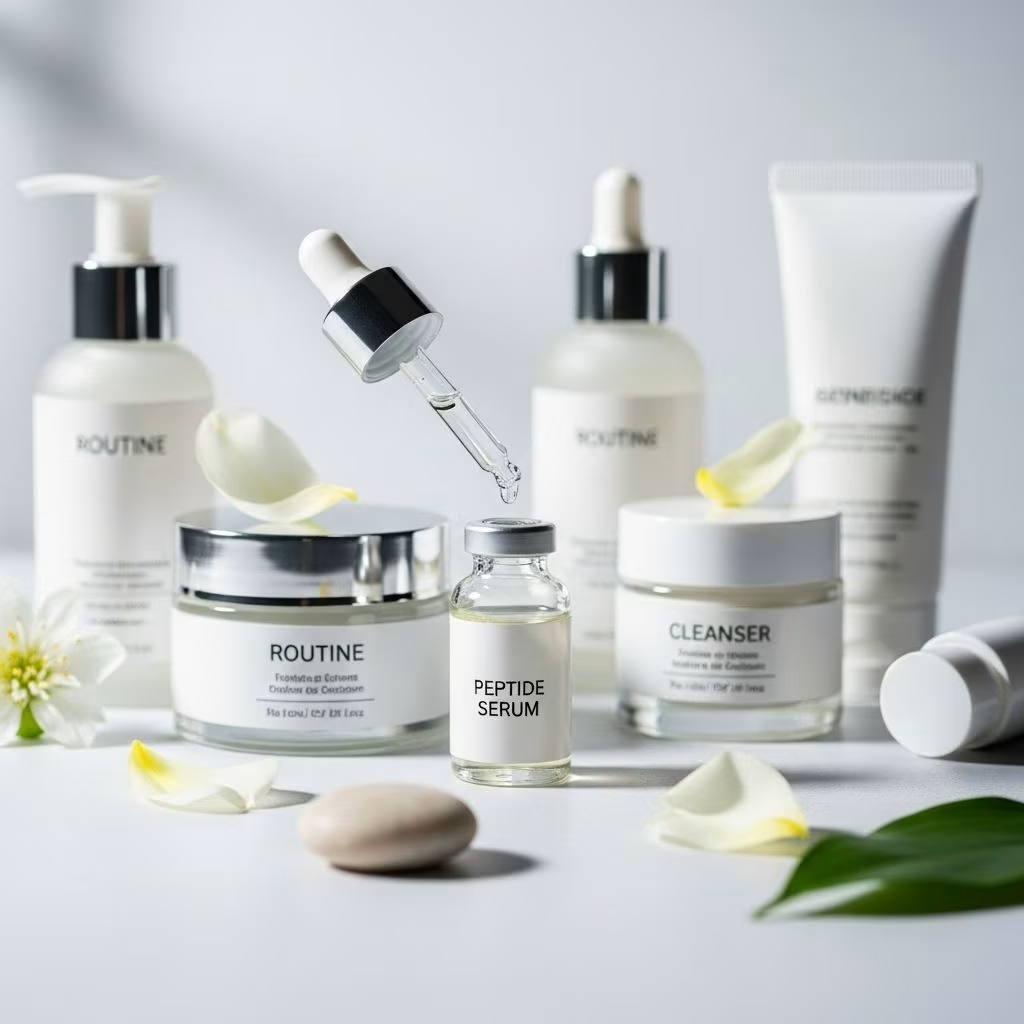
Peptides have surged in popularity, bridging gaps between wellness, athletic performance, and skincare. As signaling molecules, their potential to support cellular function, skin barrier integrity, and to harmonize with other active ingredients makes them central in modern health and cosmetic routines. This article explores in depth how peptides contribute to barrier protection, synergize with actives, and optimize overall well-being for every lifestyle.
What Are Peptides?
Peptides are short chains of amino acids, typically comprising 2 to 50 amino acids, acting as building blocks of proteins. Unlike larger protein molecules, their small size allows them to penetrate skin and tissues more effectively, imparting unique biological activity at both cellular and tissue levels. Functioning as messengers, hormones, or structural elements, peptides influence numerous physiological processes, including cellular repair, collagen synthesis, and immune modulation.
- Bioactive peptides: Obtained via digestion, fermentation, or enzymatic hydrolysis, they exhibit physiological benefits beyond basic nutrition, such as anti-inflammatory, antioxidative, or healing properties.
- Signaling peptides: Guide cellular activity by sending instructions to various cells, often stimulating collagen production in skincare.
- Carrier peptides: Facilitate the delivery of trace elements required for wound healing or tissue regeneration.
Types of Peptides and Their Physiological Functions
Peptides are classified by their sources and roles in the body. Understanding their diversity helps illuminate their synergy in active routines and role in barrier health.
- Signal Peptides: Trigger collagen and elastin synthesis, essential for youthful, resilient skin.
- Carrier Peptides: Attach to minerals (such as copper) and deliver them into the skin to promote healing and repair.
- Enzyme-Inhibitor Peptides: Slow down degradation of collagen and elastin by inhibiting enzymes that break them down.
- Neurotransmitter-Inhibitor Peptides: Soften expression lines by tempering nerve signals that trigger muscle contractions.
- Bioactive Peptides: Influence metabolic pathways, inflammatory response, muscle recovery, and tissue repair, extending their effects to athletic and general wellness routines.
Notable Peptide Examples
| Peptide Name | Primary Role | Common Uses |
|---|---|---|
| Palmitoyl Pentapeptide-4 | Signal peptide | Collagen boosting, anti-wrinkle creams |
| Matrixyl (Palmitoyl Tripeptide-1) | Signal peptide | Restoring skin firmness |
| Copper Peptides | Carrier peptide | Healing, improved skin barrier, anti-inflammation |
| Glutathione | Antioxidant peptide | Neutralizes free radicals; supports skin and immune health |
| BPC-157 | Bioactive peptide | Gut lining repair, wound healing, athletic recovery |
Skin Barrier Support with Peptides
The skin barrier is the frontline of defense against external aggressors, preventing water loss, and protecting against pathogens, irritants, and environmental stressors. Disruption of this barrier can manifest as dryness, irritation, sensitivity, and premature aging. Peptides are crucial allies in reinforcing and repairing the stratum corneum and maintaining barrier resilience.
- Collagen and Elastin Synthesis: Peptides send signals to fibroblasts, stimulating production of structural proteins essential for firm, hydrated, and plump skin. This also reinforces skin’s resistance to micro-tears and environmental damage.
- Strengthening Moisture Retention: By promoting glycosaminoglycan (GAG) synthesis, specific peptides enhance the skin’s ability to retain water.
- Inflammation Reduction: Some peptides reduce inflammatory mediators, aiding repair and soothing disrupted or sensitized skin.
- Accelerated Recovery: Support epithelial repair and wound healing, making them valuable in recovery post-procedures or in compromised barrier states.
Visible Benefits:
- Smoother, less sensitive skin
- Reduction in the appearance of fine lines and wrinkles
- Evened skin tone and minimized redness
- Increased skin elasticity and plumpness
Peptides and Synergy with Other Actives
Peptides reach their full potential when used synergistically with other active ingredients in skin and wellness routines. The strategy involves layer-compatible actives that target multiple pathways without overwhelming skin or body systems.
How Peptides Interact with Actives
- With Antioxidants (e.g., Vitamin C, E): Peptides and antioxidants combined amplify resilience against oxidative stress, promote structural repair, and brighten skin complexion.
- With Retinoids and Exfoliants: While retinoids accelerate cell turnover and exfoliants remove dead skin, peptides support faster recovery and dampen potential irritation. This allows for sustained use of potent actives without compromising the barrier.
- With Hyaluronic Acid: Moisturizing peptides pair well with hyaluronic acid, resulting in optimal hydration, reducing TEWL (transepidermal water loss), and reinforcing barrier structure.
- With Growth Factors: Both enhance cellular communication, thus supporting wound healing, skin firmness, and response to micro-injury or stress.
Best Practices for Combining Peptides
- Avoid high-concentration acids or aggressive exfoliants directly layered with peptides, as extreme pH environments may destabilize some peptide structures. Apply peptides after active treatments for optimal absorption.
- Peptide serums are ideally applied before occlusive moisturizers but after potent actives to lock in their benefits.
- Consistency matters: Peptide benefits compound over weeks and months of daily use. Integrate them in both morning and evening routines for persistent support.
Peptides in Athletic Performance and Recovery
Sport-centric routines have embraced peptides to expedite recovery, reinforce tissue health, and support long-term performance gains. Research shows bioactive peptides can benefit both elite athletes and the general population seeking resilience against exercise-induced stress.
- Muscle Recovery: Peptides accelerate post-exercise healing by promoting tissue regeneration, increasing blood flow, and controlling inflammation.
- Connective Tissue Reinforcement: They enhance synthesis of collagen in tendons and ligaments, reducing injury risk and speeding up rehabilitation after strains or tears.
- Endurance Support: By fostering erythropoiesis (red blood cell production), peptides improve oxygen delivery to muscles, mitigating fatigue.
- Fat Metabolism and Body Composition: Some peptides modulate hormone release (e.g., growth hormone secretagogues), supporting fat loss and muscle preservation.
Performance Synergy Table
| Peptide | Sports-Related Effects | Synergistic Pairings |
|---|---|---|
| BPC-157 | Speeds recovery, tissue healing | Physical therapy, protein supplements |
| Collagen Peptides | Strengthens joints, tendons | Vitamin C, omega-3 fatty acids |
| Growth Hormone Releasing Hexapeptides (GHRP) | Fat loss, muscle gain | Resistance training, balanced diet |
Peptides for Wellness and Anti-Aging
Peptide therapy extends beyond topical and athletic purposes, offering holistic benefits for overall health and longevity. Through mechanisms ranging from hormonal regulation to immune modulation, peptides are now central to many anti-aging protocols.
- Energy and Stamina: By enhancing mitochondrial efficiency, peptides support sustainable energy and counteract chronic fatigue.
- Mood and Cognition: Specific neuropeptides improve mental clarity, mood, and support neuroprotection, beneficial for aging populations at risk of cognitive decline.
- Immune Resilience: Certain immune-supporting peptides reduce inflammation and enhance recovery from illnesses.
- Gut Health: Bioactive peptides can reinforce gut barrier integrity, lower intestinal inflammation, and promote holistic digestive wellness.
- Sexual and Hormonal Health: Peptides that mimic hormones (e.g., gonadotropins) support reproductive functions and improve sexual wellness for both men and women.
Safety and Usage Considerations
Peptides are generally recognized as having a favorable safety profile, especially compared to synthetic steroids or aggressive pharmaceutical interventions. Nevertheless, it is imperative to approach peptide use with informed caution.
- Topical: Most cosmetics-grade peptides are non-irritating and considered safe for all skin types; however, patch testing is advised for sensitive individuals.
- Systemic/Injectable: These require medical supervision, precise dosing, and ongoing monitoring to minimize risks and optimize outcomes.
- Possible Side Effects: Include localized skin irritation (topical), mild nausea, or reactions at the site of injection (systemic); severe adverse effects are rare when protocols are established and adhered to.
- Interaction Caution: Not all peptides are compatible with every active or medication; consult a healthcare provider, especially in complex regimens or pre-existing conditions.
Frequently Asked Questions (FAQs)
Q: Can peptides be used with retinol or acids in my skincare routine?
A: Yes, most peptides are compatible with retinol and acids, and are best layered after these actives to support recovery and reduce irritation. However, avoid simultaneous direct mixing or extremely low pH environments that may destabilize sensitive peptides.
Q: How long does it take to see results from peptides?
A: Some benefits, such as increased hydration or reduced irritation, may occur within days to weeks. Improvement in wrinkles, firmness, or muscle recovery typically becomes noticeable after 6-12 weeks of consistent use, depending on the application and peptide type.
Q: Are peptides safe for long-term use?
A: When used as directed—topically or with medical supervision for systemic therapies—peptides show good long-term safety records. Cyclical or maintenance dosing is often employed to sustain benefits and minimize adaptation.
Q: Do peptides work for everyone?
A: Individual response can vary based on genetics, baseline health, and regimen adherence. Most adults with skin, performance, or wellness goals can benefit, but outcomes may differ.
Q: What is the best way to incorporate peptides in a daily routine?
A: For skin, use peptide serums after cleansing and prior to heavier creams. In wellness or athletics, follow a regimen under professional guidance to tailor peptide selection and timing to your goals.
References
This content is synthesized and paraphrased from reputable wellness, sports nutrition, and dermatological sources for educational purposes. For detailed scientific citations, please refer to original studies and reviews on peptides in skin care, wellness, and active performance.
References
- https://relivehealth.com/uncategorized/peptide-therapy-for-wellness-and-anti-aging-revitalize-your-health/
- https://pmc.ncbi.nlm.nih.gov/articles/PMC8622853/
- https://www.onusiv.com/blog/6-biggest-benefits-of-peptides
- https://pliability.com/stories/best-peptides-for-athletic-performance
- https://palmbeachdermatologygroup.com/peptides-in-skincare-and-the-science/
- https://www.healthline.com/health/peptides-for-skin
- https://www.gerrishmedesthetics.com/the-promise-of-peptides-medical-benefits-and-future-potential/
- https://www.medicalnewstoday.com/articles/326701


