


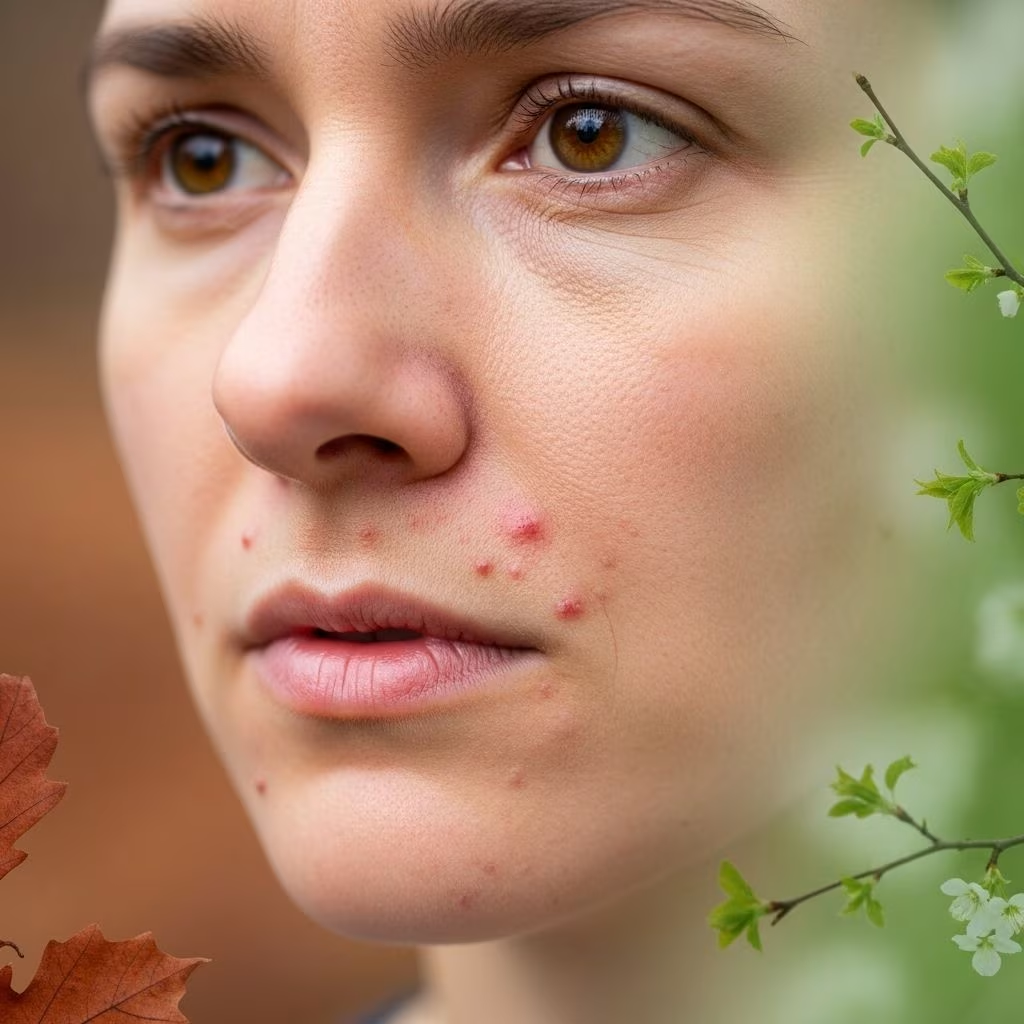
Perioral dermatitis is a chronic facial rash that frequently recurs, particularly around transitional seasons such as fall and spring. Understanding the reasons for seasonal flares, comprehensive symptomology, and treatment options is indispensable for optimizing management and preventing recurrences. This deep dive integrates current research to guide both patients and clinicians on prevention, early intervention, and patient-centered management.
What is Perioral Dermatitis?
Perioral dermatitis is a benign but persistent skin disorder, most often presenting with small inflammatory papules, pustules, or pink scaly patches around the mouth, but sometimes affecting the regions around the nose and eyes. The term “periorificial dermatitis” may be used when other central facial areas are also involved.
- Most common in: Young women (ages 16–45) and children.
- Typical locations: Perioral (around the mouth), but can spread to periocular (around the eyes) and perinasal (around the nose) areas.
The condition is often confused with acne or rosacea due to its similar appearance.
Recognizing Fall and Spring Flare-Ups
Many patients notice that their perioral dermatitis either flares up for the first time or worsens during the transition seasons—fall and spring. The reasons are multi-factorial, involving a mix of environmental and behavioral factors.
- Environmental changes: Drops or rises in humidity, increased wind, changing temperatures.
- Altered skincare habits: Switching moisturizers or sunscreens as seasons change.
- Changes in allergens: Different pollen, molds, or increased air pollution in certain seasons.
- Heavier sunscreen/cosmetic use: Especially in spring when people resume outdoor activities.
Common Causes and Triggers
The exact cause of perioral dermatitis remains unclear, but several consistently recognized triggers and risk factors have been identified.
Major Contributors and Theories
- Topical corticosteroids: Most significant risk factor. Use—sometimes even brief—followed by withdrawal leads to a flare-up.
- Inhaled and nasal corticosteroids: Can deposit on the skin around the nose and mouth.
- Cosmetics and moisturizers: Especially occlusive or comedogenic products.
- Fluorinated toothpaste: Strongly associated with outbreaks.
- Physical sunblocks and sunscreens
- Certain dental materials, chewing gum, dental fillings
- Hormonal fluctuations: More prevalent in women of childbearing age. Some improvement noted with oral contraceptive pills.
- Excessive facial cleansing: Disrupts the protective skin barrier.
- Use of facemasks: Particularly noted during the COVID-19 pandemic.
- Improper CPAP oxygen use
- Seasonal environmental factors: Wind, UV light, temperature fluctuations.
Potential Infectious Links
- Alteration of the local microflora (microbial imbalance).
- Possible involvement of Candida albicans, fusiform bacteria, and Demodex mites.
Summary Table: Triggers and their Relative Impact
| Trigger | Impact Strength | Notable Comments |
|---|---|---|
| Topical corticosteroids | Very high | Primary cause; withdrawal worsens rash |
| Fluorinated toothpaste | Moderate | Strong data for association |
| Heavy cosmetics/moisturizers | Moderate | Especially occlusive formulas |
| Environmental (wind, UV) | Moderate | Linked to seasonal flares |
| Facemasks, CPAP | Low-Moderate | Newer but consistent observations |
| Dietary/dental factors | Low | Chewing gum, fillings in select cases |
Distinctive Symptoms and Diagnosis
Perioral dermatitis most often presents as clusters of small, red papules or pustules, sometimes with associated scaly or flaky patches. It may burn, itch, or cause discomfort, especially around the mouth and lower face. Symptoms can extend to the nose, eyes, or forehead in severe or long-standing cases.
Key Symptoms
- Burning or stinging sensation in affected areas.
- Grouped papules/pustules (may contain clear or pus-filled fluid).
- Dryness, scaling, or flaking skin.
- Occasional involvement around the eyes (periocular dermatitis).
- Rarely, conjunctivitis (pink eye) may coexist.
Diagnosis
- Typically clinical—based on history and appearance.
- Skin biopsy or swab only when the diagnosis is unclear or infection suspected.
- Important to differentiate from rosacea, acne, seborrheic dermatitis, or contact dermatitis.
How Seasons Influence Flare-Ups
Fall and spring are peak seasons for perioral dermatitis flares. Multiple environmental and behavioral changes occur during these times, influencing the frequency and severity of outbreaks.
Mechanisms of Seasonal Flares
- Changes in ambient humidity and temperature: Both low humidity (heating systems in fall/winter) and rising humidity (spring) disrupt the skin barrier, increasing dryness or occlusion.
- Wind exposure: More frequent in fall and spring, wind dries the skin, increases transepidermal water loss, and exacerbates pre-existing rashes.
- Increased sun exposure (spring): UV radiation can worsen irritation or trigger inappropriate sunscreen/cosmetic use, which can occlude follicles or trigger allergies.
- Increased use of nasal sprays/decongestants: Seasonal allergies often lead to increased steroid nasal sprays, a known risk.
- Cosmetic/sunscreen changes: People often switch products seasonally, possibly introducing new irritants or allergens.
- Wearing masks for seasonal illness or allergies: Prolonged use can cause local irritation and microbial imbalances.
Evidence-Based Treatment Strategies
First-line management for perioral dermatitis remains avoidance of known triggers: especially topical corticosteroids, irritating cosmetics, and fluorinated toothpaste. However, abrupt discontinuation of topical steroids can briefly worsen the rash (steroid ‘rebound’); a careful taper or bridging therapy may be used.
Main Treatments
- Discontinuation of topical steroids (may require gradual reduction).
- Topical therapies:
- Metronidazole cream or gel.
- Topical calcineurin inhibitors (e.g., tacrolimus or pimecrolimus).
- Topical azelaic acid.
- Oral antibiotics (usually tetracyclines, e.g., doxycycline or minocycline) for moderate to severe disease or if topical treatment fails.
- Discontinuation or substitution of fluorinated toothpaste.
- Avoidance of thick, occlusive cosmetics and gentle skin care regimens.
Summary Table: Treatment Modalities and Typical Response
| Treatment | Indication | Effectiveness |
|---|---|---|
| Discontinue topical steroids | All patients | Essential, but may cause initial flare |
| Topical metronidazole | Mild-to-moderate cases | Very effective |
| Oral tetracyclines | Moderate/severe, refractory | High efficacy |
| Topical calcineurin inhibitors | Alternative when steroids are contraindicated | Moderate/Good |
| Switch toothpaste | If fluorinated toothpaste suspected | Often essential |
Additional Considerations
- Abrupt steroid cessation can cause a pronounced flare but is usually transient.
- Treatment duration can range from 2–6 weeks (topical) up to 8–12 weeks (oral antibiotics).
- Recurrence is possible; long-term avoidance of personal triggers is necessary.
Seasonal Prevention and Self-Care Tips
Given the propensity for fall/spring flares, practical preventive strategies are particularly important during these seasons.
- Use mild, non-foaming, fragrance-free cleansers.
- Avoid over-cleansing or aggressive scrubbing, especially in dry/windy weather.
- Moisturize regularly with non-comedogenic, basic formulations (glycerin, ceramides).
- Avoid known chemical irritants and allergens, especially when trying new products.
- Switch to non-fluorinated toothpaste.
- Limit or avoid nasal/inhaled corticosteroids if possible, especially during allergy seasons. Discuss alternatives with healthcare providers.
- Protect skin from wind/cold with scarves (washed frequently), and avoid heavy masks when feasible.
- If using makeup, select non-comedogenic, minimal-ingredient formulations.
- Wear broad-brimmed hats instead of heavy, occlusive sunscreens as much as practical in the spring.
- Keep a symptom journal to identify individual triggers and patterns.
Special Populations & Associated Conditions
- Children: Flare-ups often linked to lip licking, thumb sucking, drooling, or gum chewing.
- Those with atopic dermatitis or allergies: May be more susceptible due to impaired skin barrier.
- Comparison with rosacea: Both cause facial rashes; rosacea is more associated with flushing and prominent blood vessels.
- Rosacea flares more from alcohol/hot drinks and not usually linked to topical steroid use.
- Perioral dermatitis is nearly always worsened by steroid creams and oral care products.
Prognosis and Long-Term Management
Most cases resolve completely with proper therapy and avoidance of personal triggers. However, perioral dermatitis can be persistent or recurrent, especially with repeated environmental exposures or corticosteroid use.
- Long-term care: Ongoing avoidance of triggers is critical.
- Patient education: Especially on risks of topical/inhaled corticosteroids and selecting gentle skin care.
- Follow-up dermatology visits: Important for difficult, recurrent, or atypical cases.
Frequently Asked Questions (FAQs)
What triggers perioral dermatitis most often during fall or spring?
Seasonal shifts in humidity, wind, temperature, and increased use of topical steroids for allergies or other conditions commonly trigger flares.
Can perioral dermatitis be cured permanently?
Most people see complete resolution with proper management but may be prone to recurrences if exposed to triggers.
Should topical steroids ever be used for this condition?
No; steroid creams typically worsen perioral dermatitis. Their use may cause temporary improvement, but withdrawal usually prompts a severe rebound rash.
Is perioral dermatitis contagious?
No. The condition is not infectious and cannot be spread from person to person.
When should I see a dermatologist?
If the rash is severe, persistent, or disrupting your quality of life, or if you do not improve after avoiding triggers and using over-the-counter gentle skin care, you should see a dermatologist for further evaluation and treatment guidance.
References
This article synthesizes current best evidence, including data from major dermatology sources (NCBI, Cleveland Clinic, Medical News Today, DermNet, Mount Sinai), and patient education materials.
References
- https://www.ncbi.nlm.nih.gov/books/NBK525968/
- https://www.medicalnewstoday.com/articles/322181
- https://www.mountsinai.org/health-library/diseases-conditions/perioral-dermatitis
- https://my.clevelandclinic.org/health/diseases/21458-perioral-dermatitis
- https://dermnetnz.org/topics/periorificial-dermatitis
- https://mydoctor.kaiserpermanente.org/mas/news/10-things-to-know-about-perioral-dermatitis-skin-rash-2193962
- https://www.midlandskin.co.uk/perioral-dermatitis/
- https://www.healthline.com/health/perioral-dermatitis


