


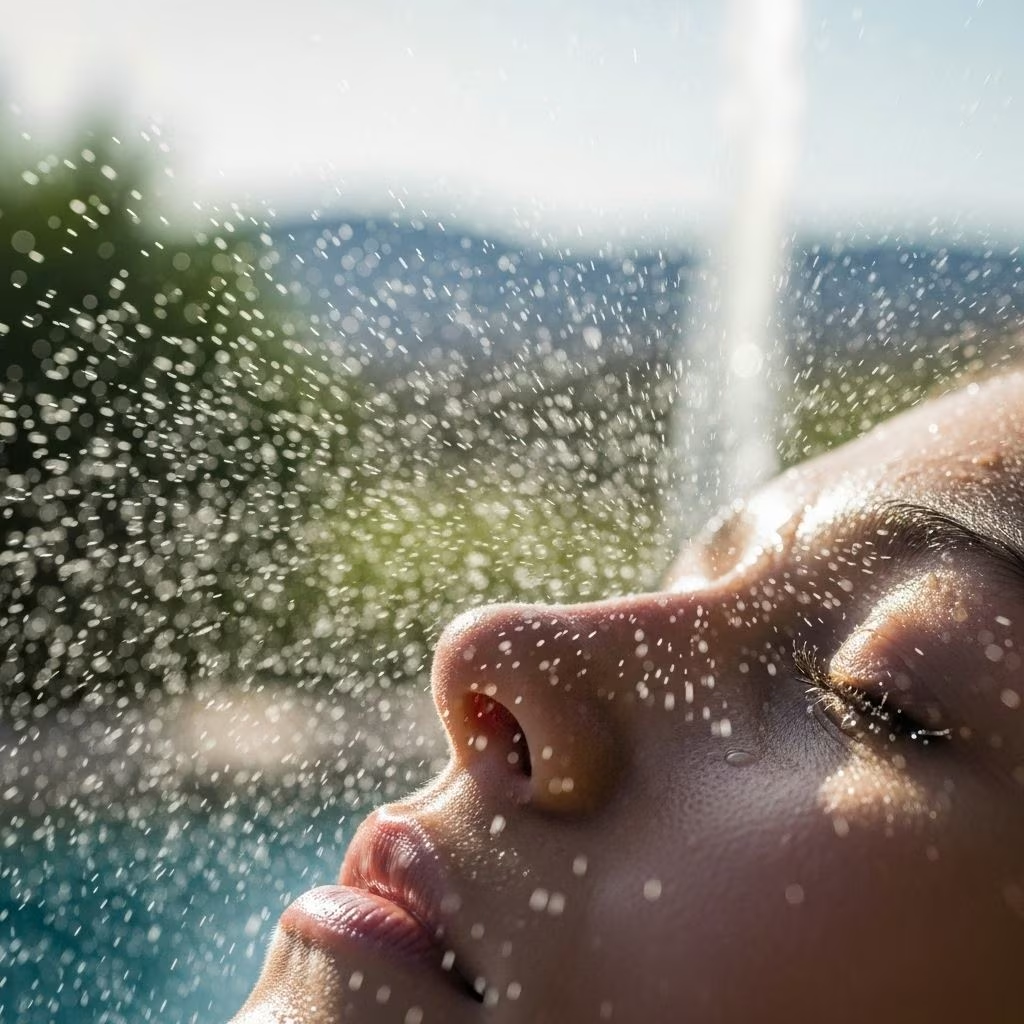
Thermal Water Mists: Efficacy in Various Climates, Applications and Limitations
Thermal water mists have gained considerable popularity for their purported cooling, soothing, and hydrating properties. Their applications span from personal skincare to urban climate management, particularly in outdoor environments where thermal comfort is a priority. However, their effectiveness is highly dependent on local climate conditions, intended use, and underlying scientific principles. This article explores the efficacy of thermal water mists in various climates, reviewing their mechanisms, practical applications, key limitations, and expert recommendations for optimal use.
Introduction to Thermal Water Mists
Thermal water mists are fine sprays of thermal (often mineral-rich) water delivered by pressurized bottles or environmental misting systems. Initially developed for cosmetic purposes, thermal mists are now widely used for urban cooling and atmospheric comfort, especially in regions experiencing high temperatures and low humidity. Their primary objective is to enhance thermal comfort, reduce skin irritation, and provide transient cooling effects for both people and environments.
- Common applications include on-the-go skin hydration, soothing irritation post-sun exposure, makeup setting, and heat mitigation in outdoor urban settings.
- Thermal water sources often contain minerals such as calcium, magnesium, and selenium, which are claimed to promote skin health.
Mechanisms of Action: How Do Thermal Water Mists Work?
The efficacy of thermal water mists primarily relies on two interconnected mechanisms:
- Evaporative Cooling:
- When water droplets are sprayed onto a surface (skin, outdoor spaces), they absorb heat and evaporate, thereby taking away sensible heat and reducing local temperatures.
- This process can alter mean radiant temperature (MRT) and physiological equivalent temperature (PET) noted in urban microclimate studies.
- Infrared and Thermal Regulation:
- Water droplets can interact with environmental infrared radiation, influencing thermal imaging and temperature measurement—effects pronounced in fog or mist-laden scenarios.
- Environmental radiation can cause thermal changes within mist droplets themselves.
In skincare, thermal mists can hydrate the surface layers of the skin, act as anti-irritants, and reinforce the skin’s barrier function. However, the degree of benefit often depends on the mineral composition of the water and the climate in which it is used.
Efficacy in Different Climate Conditions
| Climate Type | Thermal Mist Efficacy | Supporting Data |
|---|---|---|
| Hot, Dry (Arid/Semi-arid) | Highly effective for surface and ambient cooling; rapid evaporation maximizes heat dissipation. | Outdoor misting reduced mean radiant temperature (MRT) by up to 7.6°C; PET dropped by 6.5°C on average. |
| Hot, Humid (Tropical) | Limited cooling effect; slower evaporation, high ambient humidity reduces heat dissipation. | Water mist does not prevent core temperature increases and may provide only transient surface cooling. |
| Temperate | Moderate effects; aids comfort during heat spells, less noticeable in mild weather. | Evaporative cooling works best in low humidity and moderate temperatures. |
| Cold or Cool Climates | Minimal efficacy for cooling; may cause chill or discomfort, counter-productive for core body cooling. | Infrared radiation of mist droplets affected by ambient temperature; cooling rarely needed. |
Key findings:
- Thermal water mists offer maximum cooling in hot, dry climates, where air can absorb more evaporated moisture and reduce local MRT efficiently.
- Effectiveness drops in humid climates, as evaporation slows and the body’s ability to dissipate heat via sweat is already compromised.
- In colder environments, misting may induce discomfort or paradoxically increase perceived chill, making them unsuitable for cooling applications.
- External environmental temperatures strongly alter mist behavior; in foggy or mist-laden settings, infrared thermography is less reliable and images blur as the temperature differences between the environment and the target narrow.
Urban Comfort: Outdoor Cooling Applications
Urban heat islands and dense pedestrian environments frequently employ misting systems for thermal comfort, especially in outdoor restaurants, parks, and event venues.
- Misters can decrease mean radiant temperature by up to 7.6°C, and lower the universal thermal climate index (UTCI) significantly, improving perceived comfort levels for inhabitants and customers.
- Combining water mists with shade structures yields the greatest gains; for example, in a hot, dry Arizona climate, PET and UTCI dropped by 15.5°C and 9.7°C respectively when mist and shade were combined.
- Motivations for use include expanded seating capacity for businesses, enhanced customer comfort, and aesthetic appeal.
- Challenges include infrastructural cost, routine maintenance, water resource management, and variable effectiveness stemming from changing humidity and wind conditions.
Urban planners must evaluate the tradeoff between water use and comfort, particularly in regions where water scarcity is a concern. Although misting is highly effective in improving urban outdoor comfort, further consideration is needed for sustainability, resource management, and potential environmental impacts.
Skincare and Dermatological Benefits
Thermal water mists are widely marketed in the cosmetic and dermatological sectors for their ability to soothe, hydrate, and refresh the skin. Key benefits include:
- Hydration: Minerals in thermal water can reinforce the skin’s natural barrier and fortify against environmental stressors.
- Soothing: Thermal water mists are used to calm irritation, especially after sunburn, shaving, or exposure to pollutants.
- Convenience: Portable mist bottles enable rapid refreshment in hot conditions, during travel, or after physical activity.
Limitations:
- Transient Effects: Surface hydration is temporary and often wears off quickly unless followed by an occlusive moisturizer.
- Climate Dependence: In humid settings, the skin’s ability to absorb and evaporate water is compromised, reducing the efficacy of mist products.
- Poor Cooling in Extreme Heat: Studies indicate that misting the upper body does not significantly reduce core temperature in extremely hot, humid environments and should not be relied on for heat safety.
Tradeoffs, Limitations and Safety Concerns
- Water Use: Urban cooling with misters can consume large amounts of water—sustainability becomes a serious concern in drought-prone regions.
- Core Cooling: Research shows that misting provides perception of comfort but does not always lower core temperature, particularly in humid extreme heat.
- Environmental Effects: Misting may sometimes increase local humidity, reducing overall heat dissipation and increasing potential thermal stress.
- Imaging & Measurement Distortion: Infrared thermal imaging systems used in firefighting or safety scenarios can be compromised by mist and fog, with radiation attenuation blurring images especially as temperature differences narrow.
- Health Safety: In cold climates, misting may induce chill, especially in vulnerable populations such as young children, the elderly, or those with cardiovascular disease.
Summary of Key Research Findings
- Multiple studies note the greatest benefits of thermal water mists occur in hot, dry environments, with direct improvements in perceived comfort and cooling metrics.
- In humid climates, both urban and physiological cooling benefits are modest or negligible—mist should not be used for heat stroke prevention.
- Urban application requires careful planning for water use, maintenance, and sustainability, as well as evaluation of environmental tradeoffs.
- For skincare, mists provide temporary hydration and anti-irritant effects but require follow-up moisturizers for lasting benefit.
Recommendations for Optimal Use
- Climate Suitability: Maximize mist use in hot, dry environments and minimize use in humid, cold, or heat-stressed conditions unless seeking short-term relief.
- Combine with Shading: Utilize misters alongside shade structures for most significant comfort improvements, particularly in outdoor urban settings.
- Skincare Routine: Follow misting with an emollient or occlusive moisturizer to lock in hydration.
- Monitor Water Usage: Implement strict water management practices in outdoor urban misting, especially where drought risk is high.
- Do Not Substitute for Cooling Interventions: In extremely hot or humid environments, do not rely on mists for body cooling—use air conditioning, adequate hydration, and shade whenever possible.
- Safety: Avoid misting in cold climates or on vulnerable populations during times of high temperature differential to prevent induced chill.
Frequently Asked Questions (FAQ)
Q: Are thermal water mists effective for preventing heat stroke or heat-related illness?
A: No. While mists can improve sensation of comfort, studies show they do not prevent increases in core temperature and should not be used as a substitute for medical cooling strategies in extremely hot, humid climates.
Q: What is the best climate for using thermal water mists?
A: Hot, dry climates yield the best results due to rapid evaporation. Urban misting systems are particularly beneficial in desert or semi-arid regions.
Q: Can misting cause harm in certain situations?
A: Yes. In cold climates or among populations sensitive to temperature, excess misting may induce chill or contribute to respiratory irritation. Always assess climate and vulnerability before extensive use.
Q: Do mineral-rich thermal water mists have added skin benefits?
A: Select minerals like calcium and magnesium may reinforce skin barrier and have anti-irritant properties, but the overall hydration effect remains temporary unless occlusion moisturizers are used.
Q: Are misting systems sustainable for urban cooling?
A: While highly effective for comfort, their large water consumption may impact regional sustainability—consider recycled water, local climate context, and environmental needs before large-scale adoption.
References
- Evaporative misters for urban cooling and comfort: effectiveness and motivations for use. Int J Biometeorol. 2022; PMID: 33244662
- The research on infrared radiation affected by smoke or fog in different environmental temperatures. Nature, 2024
- Ineffectiveness of Water Mist Spray to the Upper Body of Healthy … PMC12490558


