


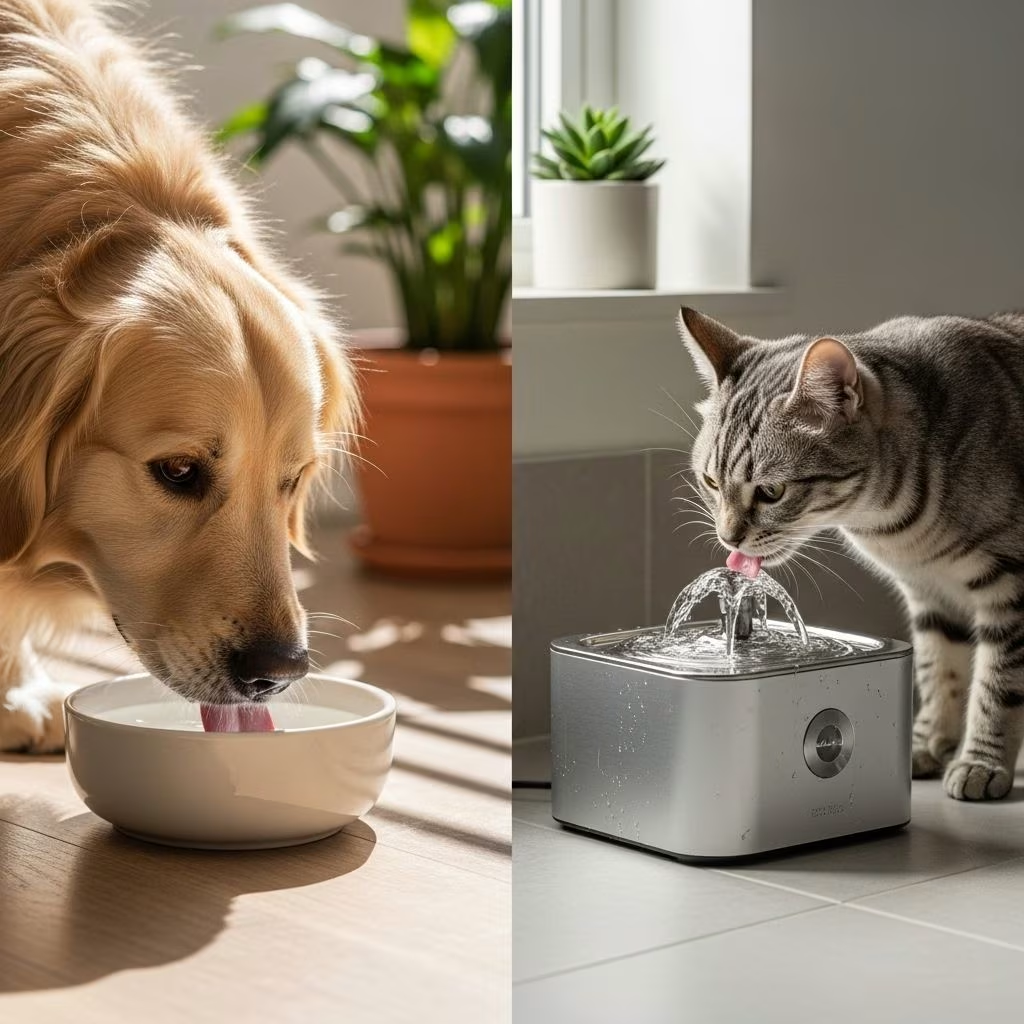
Proper hydration is a cornerstone of pet health, yet many dog and cat owners underestimate its importance. Water supports countless physiological processes: temperature regulation, joint lubrication, waste elimination, nutrient transport, and more. Recognizing your pet’s hydration needs and implementing effective strategies can prevent health issues, boost vitality, and support your furry companion’s longevity.
The Importance of Hydration in Pets
Water is the most critical nutrient for both dogs and cats. Approximately 70% of a pet’s body is composed of water, underscoring its vital roles in:
- Regulating body temperature
- Transporting nutrients and oxygen
- Lubricating joints and organs
- Moisturizing airways
- Supporting nervous system function
- Eliminating metabolic waste
Insufficient hydration can quickly lead to lethargy, organ dysfunction, and potentially life-threatening consequences in both species .
How Much Water Do Dogs and Cats Need?
The daily water requirement depends on the species, weight, age, diet, activity level, and environmental factors. General guidelines are as follows:
| Species | Weight (lbs / kg) | Recommended Intake | Example |
|---|---|---|---|
| Dog | Per pound (0.45 kg) | ~1 ounce (30 ml) per lb (60-80 ml per kg) | 10 lb dog: ~10 oz (300 ml) |
| Cat | Per 5 lbs (2.25 kg) | 3.5-4.5 oz (100-133 ml) per 5 lbs (40–60 ml per kg) | 10 lb cat: ~7-9 oz (210-270 ml) |
These needs increase with higher activity, hot weather, pregnancy/lactation, and illness. Adjustments are also necessary depending on diet — pets on wet food require less supplemental water than those on kibble .
Sample Water Needs Chart (Dogs and Cats)
| Weight (kg) | Dog (ml/day) | Cat (ml/day) |
|---|---|---|
| 2 | 120–160 | 80–120 |
| 4 | 240–320 | 160–240 |
| 6 | 360–480 | 240–360 |
| 8 | 480–640 | 320–480 |
| 10 | 600–800 | – |
Always consult your veterinarian to determine your pet’s precise hydration needs, especially if underlying health conditions are present.
Factors Affecting Water Intake
Several factors influence how much water your dog or cat needs and consumes each day:
- Diet Type: Wet (canned) foods contain 65%+ moisture, significantly reducing supplementary water needs compared to dry kibble (<20% moisture).
- Activity Level: Active dogs and cats, as well as working or sporting breeds, require more water due to increased fluid loss from panting and metabolism.
- Environmental Temperature: Warm weather or hot indoor environments increase water requirements to cool the body.
- Age: Puppies, kittens, and elderly pets have unique hydration needs. Young animals are more susceptible to dehydration; seniors may drink less due to reduced thirst or mobility issues.
- Health Status: Illness (such as kidney disease, diabetes, gastrointestinal upset) can increase or decrease water requirements.
- Physiological State: Pregnant, lactating, or growing animals require more frequent and higher volumes of water.
Signs of Dehydration in Dogs and Cats
Recognizing early signs of dehydration is essential for timely intervention. Common signs include:
- Lethargy or weakness
- Dry, tacky gums (normal gums should be moist and glistening)
- Loss of skin elasticity (the “skin tent” test: gently pinch the skin at the scruff and release; slow return suggests dehydration)
- Sunken eyes
- Panting (in cats, this is always abnormal)
- Decreased urine output, dark or concentrated urine
- Loss of appetite
If you observe any of these symptoms or suspect dehydration, seek veterinary attention promptly. Chronic or severe dehydration can cause kidney failure, organ dysfunction, and death .
How to Encourage Healthy Drinking Habits
Some pets — particularly cats — naturally have low thirst drives. These practical strategies help boost healthy drinking behavior:
- Always provide multiple bowls of clean, fresh water in various easily accessible locations.
- Clean water bowls daily to avoid bacterial buildup and off-putting odors.
- Consider pet fountains: Many pets prefer moving or circulating water.
- Try varied bowl materials: Glass, ceramic, stainless steel, and plastic — some pets have strong preferences.
- Offer chilled water in hot weather to make it more appealing.
- Offer wet food (or mix water into kibble): Wet food increases overall fluid intake.
- Add pet-safe broths or water flavor enhancers, such as diluted tuna juice for cats or low-sodium chicken broth for dogs (avoid anything with onions, garlic, or artificial sweeteners).
- Feed moist treats: Such as watermelon, cucumber, or pet-specific ice cubes (confirm safety with your vet).
For cats prone to dehydration, experiment with the water’s bowl shape, water type (filtered vs. tap), and temperature, as feline preferences can be highly individualized .
Hydration Strategies for Multi-Pet Households
Competition, anxiety, or hierarchy may discourage some pets from drinking when others are near. Use these tips to ensure all animals stay hydrated:
- Provide several water bowls in separate locations to reduce resource guarding and stress.
- Ensure all pets can access water without confrontation, particularly in mixed-species households (dogs and cats together).
- Regularly refresh each bowl, as some pets dislike stale or contaminated water.
- Monitor intake for each animal, especially if you have pets with medical needs or differing sizes — mismeasurement is common in blended groups.
Special Hydration Considerations
Puppies & Kittens
- Have high metabolic rates and require frequent access to fresh water.
- May need encouragement to drink and benefit from shallow dishes easily accessible to their size.
Seniors
- May be less inclined to seek water due to reduced sense of thirst or mobility limitations.
- Monitor for early signs of dehydration, as age-related organ changes (e.g., reduced kidney function) increase vulnerability.
Pets with Health Problems
Increased water intake is beneficial for:
- Dogs or cats with urinary tract diseases (helps dilute urine and prevent crystals or stones).
- Cats with chronic constipation (helps maintain softer stools).
- Animals recovering from illness or with vomiting/diarrhea, under veterinary guidance.
Always consult your veterinarian before making major changes to diet or hydration routines in pets with health problems.
Frequently Asked Questions (FAQs)
Q: What kind of water is best for my pets — tap, filtered, or bottled?
A: Most healthy pets do well with clean, fresh tap water. If your tap water is heavily chlorinated, filtered water may reduce taste/smell issues. Avoid distilled water as it lacks minerals and may not be palatable. Always change water daily and ensure bowls are clean.
Q: Why is my dog or cat suddenly drinking much more (or less) than usual?
A: Significant changes in water intake can indicate illness — such as diabetes, kidney disease, or hormonal imbalances. Consult a veterinarian for evaluation if you notice any marked deviation from normal drinking patterns .
Q: Can pets get enough water from wet food alone?
A: Wet foods do contain substantial moisture (up to 80%), so pets eating predominantly canned diets may drink less water. However, a fresh source of drinking water should always be available .
Q: What are safe ways to flavor water for picky pets?
A: Small amounts of low-sodium chicken or beef broth (ensure no onions, garlic, or artificial sweeteners) or the juice from canned tuna packed in water can entice pets to drink. Always check with your vet before regularly adding flavorings.
Q: How do I monitor if my pet is drinking enough?
A: Measure water in bowls at the start and end of each day. Watch for changes in urination, energy, and check for dehydration symptoms (see above).
References
- Ontario SPCA and Humane Society. How much water should your cat/dog be drinking?
- Emancipet. How Much Water Should My Dog or Cat Drink?
- OVC Pet Nutrition. Beat the Heat: Your Guide to Pet Hydration.
- Hill’s Pet. How Much Water Should Dogs & Cats Drink Each Day?
- Purina Institute. Hydration in pets.
- Cornell Feline Health Center. Hydration.
- Castle Hills Animal Hospital. Pet Hydration Awareness.
By understanding and supporting your pet’s hydration needs, you can greatly improve their quality of life. Individual requirements may vary, so when in doubt, consult your veterinarian for personalized guidance.
References
- https://ontariospca.ca/blog/how-much-water-should-your-cat-dog-be-drinking/
- https://emancipet.org/blog/2021/07/how-much-water-should-my-dog-or-cat-drink/
- https://ovcpetnutrition.uoguelph.ca/2023/07/03/beat-the-heat-your-guide-to-pet-hydration/
- https://www.hillspet.com/pet-care/nutrition-feeding/how-much-water-should-dogs-and-cats-drink
- https://www.purinainstitute.com/centresquare/focused-nutrition/hydration-in-pets
- https://www.vet.cornell.edu/departments-centers-and-institutes/cornell-feline-health-center/health-information/feline-health-topics/hydration
- https://www.castlehillsvet.com/blog/pet-hydration-awareness
- https://www.vet-center.eu/eu/water-intake-calculator
- https://www.clevelandwater.com/who-we-are/news/what-know-about-pet-hydration


