


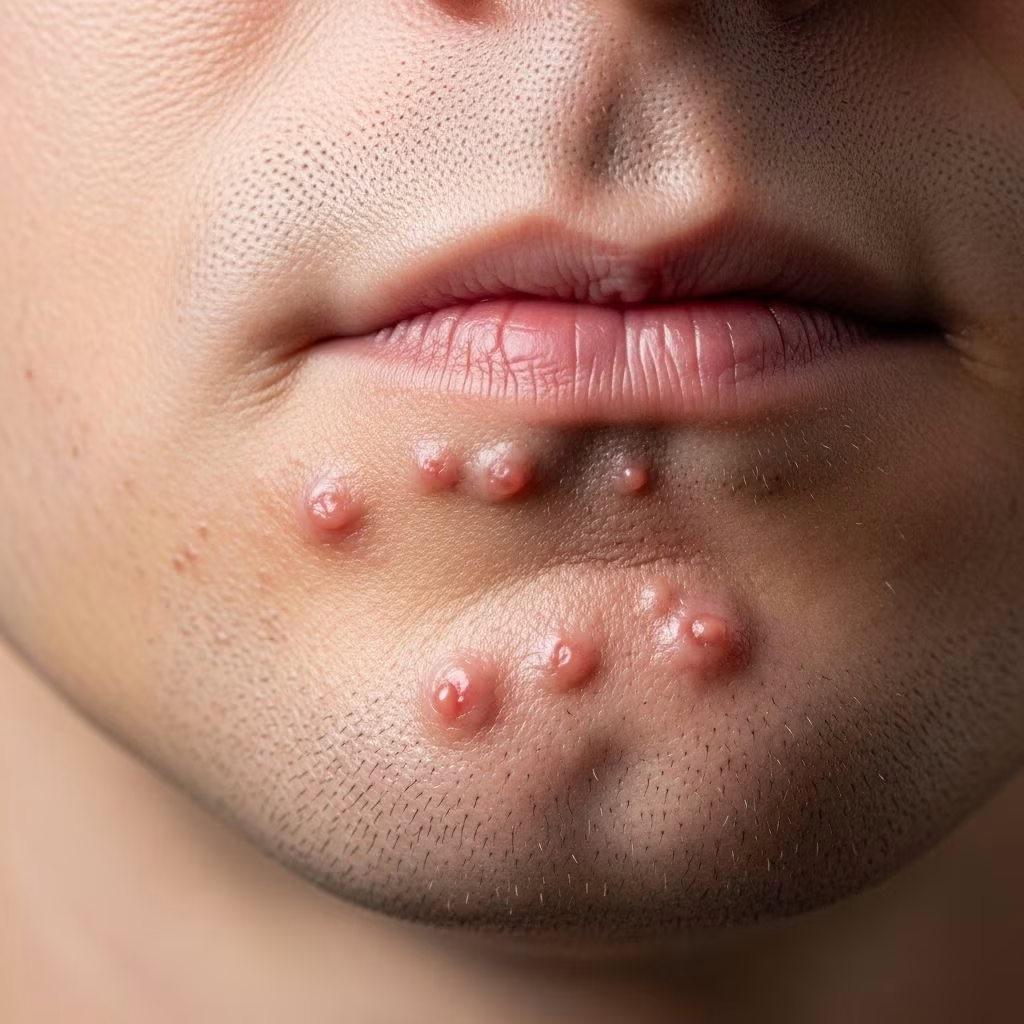
Cystic acne is the most severe form of acne, characterized by deep, painful breakouts that can be emotionally and physically distressing. Unlike typical pimples, cystic acne lesions develop deep within the skin, often leading to stubborn inflammation, pain, and long-term scarring if left untreated. Understanding cystic acne’s symptoms, causes, and treatment options is essential for successful management and clear, healthy skin.
What Is Cystic Acne?
Cystic acne is a severe form of inflammatory acne resulting from deep blockages of hair follicles (pores) with oil, bacteria, and dead skin cells. This type of acne develops nodules or cysts—large, red, painful lumps deep within the skin—that are prone to rupture and scarring. While acne affects around 80% of adolescents and young adults, cystic acne is less common, affecting a smaller percentage and requiring medical intervention due to its intensity and scarring risk.
Symptoms of Cystic Acne
- Large, painful bumps: Cysts are bigger than typical pimples, tender, and deep under the skin.
- Redness and swelling: Inflammation is prominent, with noticeable redness surrounding lesions.
- Pus-filled lesions: The lumps may turn into pus-filled cysts, resembling boils.
- Areas commonly affected: Face (especially the jawline, cheeks, and chin), chest, back, shoulders, upper arms, and neck.
- Possible scarring: Even after the cyst resolves, indented or raised scars and discoloration (post-inflammatory hyperpigmentation) may remain.
- Lingering for weeks to months: Lesions take much longer to resolve than typical pimples, sometimes persisting for several months.
Causes and Risk Factors
The development of cystic acne follows a similar pathway as general acne but is marked by greater depth and inflammation. Key causes and risk factors include:
- Hormonal fluctuations: Androgen surges during puberty, menstrual cycles, pregnancy, or hormone disorders increase oil production, raising the risk of blockages leading to cysts.
- Genetic predisposition: Family history of severe acne increases likelihood.
- Oily skin: More common in individuals with naturally oily skin types.
- Bacteria: Propionibacterium acnes (P. acnes) bacteria that thrive in blocked pores contribute to inflammation and infection.
- High-stress levels: May worsen existing acne but aren’t usually a direct trigger.
- Certain medications: Steroids, lithium, and some anticonvulsants can aggravate acne severity.
- Friction and pressure: Helmets or tight clothing can mechanically irritate skin, making acne worse.
Note: Eating chocolate, nuts, greasy foods, or poor hygiene do not directly cause cystic acne; these myths persist but lack scientific evidence.
Cystic Acne vs. Other Types of Acne
| Type of Acne | Description | Depth | Scarring Risk |
|---|---|---|---|
| Whiteheads/Blackheads | Non-inflammatory blocked pores (open or closed) | Superficial | Low |
| Papules/Pustules | Red, inflamed bumps with/without pus | Surface/Mid-layer | Moderate |
| Nodular Acne | Large, hard, painful lumps under the skin | Deep | High |
| Cystic Acne | Large, soft, pus-filled, painful bumps deep in the skin | Deepest | Highest |
Cystic acne primarily differentiates itself through the size, depth, pain, and scarring risk of lesions.
Treatment Options for Cystic Acne
Due to its severity, cystic acne rarely responds to over-the-counter products. Most cases require prescription treatments under a dermatologist’s care. Comprehensive treatment plans often combine several approaches for maximum effectiveness.
Topical Treatments
- Prescription retinoids: Medications like tretinoin, adapalene, and tazarotene help shed dead cells, unclog pores, and promote skin renewal.
- Topical antibiotics: Clindamycin or erythromycin reduce surface bacteria and inflammation. Typically combined with retinoids or benzoyl peroxide.
- Benzoyl peroxide: Powerful antibacterial agent that decreases P. acnes and helps prevent resistance to topical antibiotics.
Oral Medications
- Oral antibiotics: Doxycycline, minocycline, or tetracycline reduce bacteria and inflammation, especially in widespread cases. Usage is limited to prevent resistance.
- Hormonal therapy: For women, birth control pills regulate hormones; anti-androgen medications like spironolactone control oil production and hormonal acne.
- Isotretinoin (Accutane): The gold standard for severe cases, this potent oral retinoid can often induce long-term remission. It reduces oil production, shrinks oil glands, and normalizes skin shedding. Used under close supervision due to notable side effects and strict safety protocols (especially regarding pregnancy).
In-Office Dermatological Procedures
- Cortisone (steroid) injections: Rapidly reduce swelling and pain in large, persistent cysts—often flattening them within days.
- Chemical peels: Salicylic acid and glycolic acid peels clear clogged pores, reduce oil, and improve exfoliation, sometimes lightening spots left by cysts.
- Photodynamic therapy: A combination of photosensitizing agents and specialized light to shrink oil glands and reduce acne-causing bacteria.
Home Care and Lifestyle Measures
- Gentle skin care: Use mild, non-comedogenic cleansers and moisturizers. Avoid scrubbing skin harshly or over-cleansing.
- Stop pimple popping: Never squeeze or pick at cysts—this increases scarring risk and can worsen the infection.
- Choose non-comedogenic products: Ensure makeup, sunscreen, and skin/hair care are oil-free and non-pore-clogging.
- Review medications: Consult your doctor if you suspect oral medications are worsening your acne.
- Diet: While evidence is mixed, a balanced diet low in processed sugars may help. Focus on whole grains, fruits, vegetables, and lean proteins.
Managing Scarring and Hyperpigmentation
Cystic acne frequently causes lasting marks. Fortunately, multiple professional procedures can minimize their appearance:
- Laser resurfacing: Removes surface skin layers and promotes collagen production for smoother skin.
- Dermabrasion: Surgical removal of surface skin for severe, indented scars.
- Radiofrequency microneedling: Initiates healing deep in the skin, remodelling scarred tissue.
- Chemical peels and fillers: Improve skin texture and minimize dark spots or shallow scars.
- Prescription creams: Topical retinoids and creams containing ingredients like hydroquinone may reduce discoloration.
Consultation with a board-certified dermatologist ensures that the treatment chosen is appropriate for your scar type.
Skin Care Tips for Clearing and Preventing Cystic Acne
- Follow a gentle, consistent skin routine—avoid harsh scrubs, alcohol-based toners, or vigorous cleansing.
- Cleanse skin twice daily with a non-comedogenic, mild cleanser.
- Use oil-free, non-comedogenic moisturizer and sunscreen daily.
- Avoid touching your face, especially with unwashed hands.
- Launder pillowcases and wash hair regularly.
- Manage stress through relaxation and self-care.
- Consult with a dermatologist promptly for persistent or worsening cystic lesions.
Common Myths and Misconceptions
- “Bad hygiene causes cystic acne”: While keeping skin clean is vital, over-washing can worsen acne by stripping protective oils. Cystic acne’s root causes are hormonal and genetic, not hygiene.
- “Diet always fixes acne”: There’s no universal ‘acne diet’. Certain foods may worsen acne for some but not others.
- “Acne only affects teenagers”: Adult-onset cystic acne is common, particularly among women due to hormonal imbalances.
- “You should pop cysts to help them heal”: Squeezing increases scarring and infection risks—resist the urge.
Frequently Asked Questions (FAQs)
Q: Can cystic acne heal without intervention?
A: Unlikely. Without medical treatment, cystic lesions often persist and can cause permanent scarring or worsen over time. Early professional management is essential.
Q: How long does it take for cystic acne to clear up with treatment?
A: Full improvement may take 3 months or more. Patience is needed as many therapies require weeks to show significant results.
Q: Is isotretinoin safe?
A: When prescribed and monitored by a dermatologist, isotretinoin is highly effective for severe cystic acne. It carries risks, including birth defects during pregnancy, so close supervision is required.
Q: Will cystic acne always cause scars?
A: Not always, but risk is high. The sooner you begin professional treatment, the less likely long-term scarring becomes.
Q: Can home remedies cure cystic acne?
A: No. While supportive skin care at home is crucial, effective clearance requires prescription medication or professional intervention.
When to See a Dermatologist
See a dermatologist promptly if you have:
- Severe, painful, or recurrent deep acne lesions
- Signs of scarring or discoloration
- No improvement after several weeks of over-the-counter treatment
- Emotional distress or low self-esteem related to acne
Early dermatological intervention enhances both the likelihood of effective acne control and the prevention of permanent scars.
Conclusion
Cystic acne represents the most intense, stubborn form of acne, demanding expert attention and a tailored treatment approach. From advanced medications to specialized skin procedures, numerous solutions are available to control breakouts, minimize scarring, and restore clearer, healthier skin. Working closely with a skin specialist and maintaining supportive lifestyle habits will provide the best chance for long-term clarity and confidence.
References
- https://www.medicalnewstoday.com/articles/103258
- https://www.aurorahealthcare.org/services/dermatology/acne/cystic-acne
- https://my.clevelandclinic.org/health/diseases/21737-cystic-acne
- https://www.healthline.com/health/beauty-skin-care/cystic-acne
- https://www.webmd.com/skin-problems-and-treatments/cystic-acne
- https://www.mayoclinic.org/diseases-conditions/acne/symptoms-causes/syc-20368047
- https://my.clevelandclinic.org/health/diseases/12233-acne
- https://www.sknclinics.co.uk/conditions/cystic-acne
- https://www.nhs.uk/conditions/acne/treatment/


