


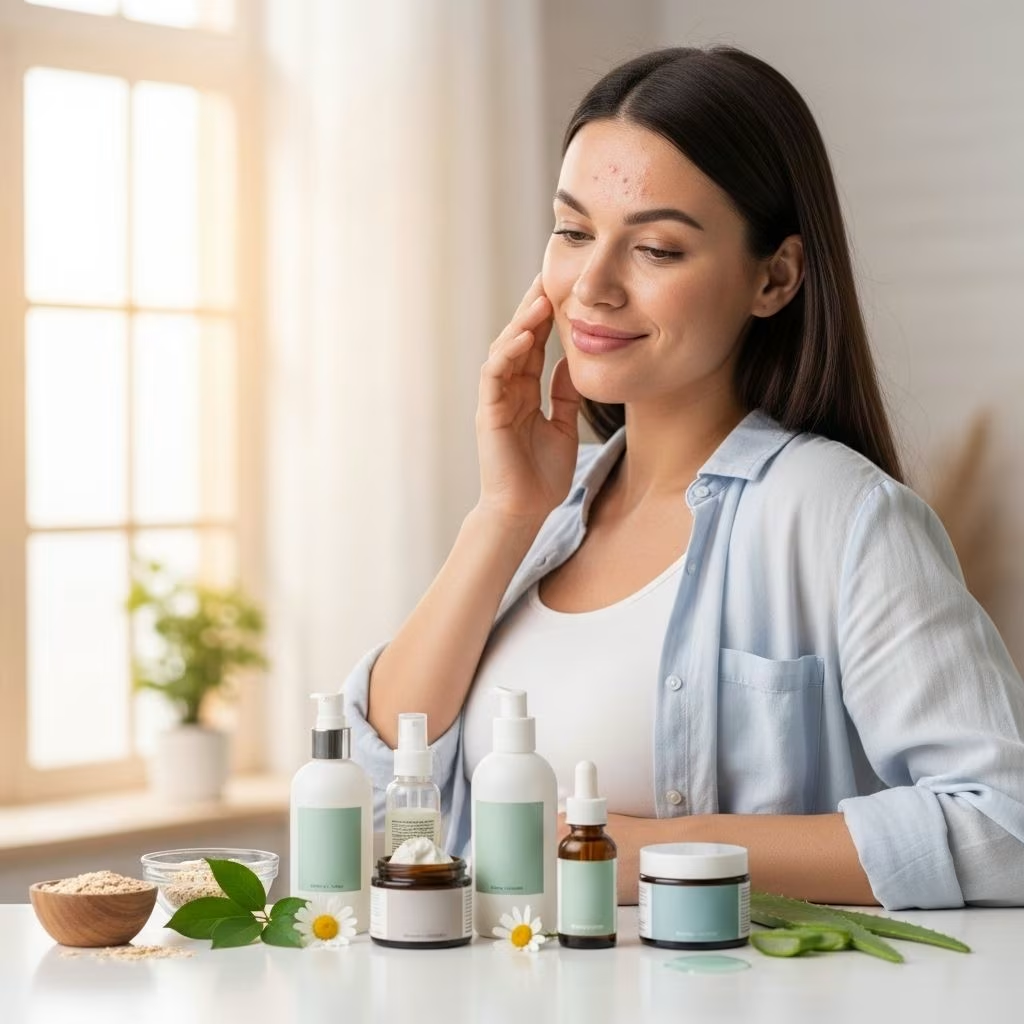
Pregnancy is a time of profound bodily changes – and for many women, these shifts include unwelcome changes to their skin. Acne is a common concern for expectant mothers, triggered by hormonal fluctuations unique to this transition. However, managing acne during pregnancy requires special consideration, as not all treatments are safe for developing babies. This comprehensive guide explores the causes of pregnancy acne, details safe treatments, highlights ingredients to avoid, and provides practical, dermatologist-recommended tips to help expectant mothers achieve clearer skin while prioritizing safety.
Understanding Pregnancy Acne: What Causes It?
Many pregnant women notice an increase in acne outbreaks, especially in the first and second trimesters. The primary culprit is the surge in hormones, particularly androgens like progesterone, which stimulate the skin’s sebaceous glands to produce more sebum (oil). Excess oil, combined with dead skin cells and bacteria, clogs pores and leads to breakouts.
Other contributing factors include:
- Increased blood volume and fluid retention, which can affect skin function.
- Emotional stress, which can trigger hormonal fluctuations.
- Genetic predisposition; women who had acne before pregnancy are more likely to experience it again.
How Common Is Acne During Pregnancy?
Pregnancy acne is very common – estimates suggest that up to 50% of women will experience some degree of acne flare-up while pregnant. It is most likely to occur in the first trimester, when hormone levels change rapidly, though for some women it persists or develops later in pregnancy.
Fortunately, for most women, pregnancy acne resolves naturally after childbirth once hormone levels normalize.
Safe Acne Treatments During Pregnancy
Many standard acne remedies are not recommended during pregnancy due to potential risks to the fetus. However, there are several safe and effective options for expectant mothers. Treatment usually depends on the severity of acne.
Topical Treatments Considered Safe
- Azelaic Acid: Has antibacterial and anti-inflammatory properties; considered safe in pregnancy with no known risks of birth defects. Also helps with post-acne pigmentation. Available in gel or cream forms and can be used once or twice daily.
Citation: - Benzoyl Peroxide: Found in many over-the-counter products, it is generally safe when used sparingly and on small areas (e.g., face). Use under medical supervision.
Citation: - Topical Clindamycin: A prescription antibiotic gel or lotion for moderate acne; considered safe during all trimesters but should only be used when necessary.
Citation: - Low-Concentration Salicylic Acid: Short-term, low-strength (not peels or oral forms) use is generally considered safe but always consult your doctor.
Citation: - Glycolic Acid: An alpha-hydroxy acid (AHA) generally deemed safe at low concentrations and when used occasionally for exfoliation.
Citation:
For mild-to-moderate acne, these topical approaches are usually effective. Always patch-test new products and avoid applying them to large skin areas without medical guidance.
Systemic Treatments
- Oral Antibiotics: For severe or persistent acne, certain oral antibiotics—such as penicillin, amoxicillin, and cephalexin—may be considered safe in specific trimesters after medical evaluation.
Citation: - Oral Clindamycin or Metronidazole: Can be used in stubborn cases and are generally well-tolerated with no known teratogenic effects.
Citation:
Always consult a dermatologist or healthcare provider for oral medication during pregnancy; never self-medicate.
Other Medical and Procedural Options
- Light and Laser Therapies: Certain blue and red light therapies, as well as some lasers, may be used to reduce inflammation and bacteria. Always seek dermatological supervision as some procedures require numbing agents, which may not be suitable in pregnancy.
Citation: - Intralesional Corticosteroid Injections: For deep, painful nodules, small amounts of corticosteroids can be injected locally. This is reserved for select cases under strict medical supervision.
Citation:
Table: Overview of Safe and Unsafe Acne Treatments in Pregnancy
| Treatment | Safety in Pregnancy | Notes |
|---|---|---|
| Azelaic Acid | Safe | Topical; for mild-moderate acne |
| Benzoyl Peroxide | Safe (limited use) | Use on small areas and under supervision |
| Low-Concentration Salicylic Acid | Generally Safe (topical, limited, low strength) | No peels or oral forms |
| Topical/Erythromycin, Clindamycin | Safe | Prescription required, localized area |
| Glycolic Acid | Safe (low concentration) | Not for extensive or strong peels |
| Oral Tetracyclines (Doxycycline, Minocycline) | Unsafe | Can cause fetal harm, avoid |
| Topical Retinoids (Tretinoin, Adapalene, Tazarotene) | Unsafe | Linked to birth defects, contraindicated |
| Oral Isotretinoin | Unsafe | High risk of birth defects, strictly avoided |
Natural and Home Remedies for Pregnancy Acne
Natural and gentle remedies can be safe adjuncts for mild breakouts, especially for women who prefer to avoid pharmaceutical products. While scientific evidence for these remedies is limited, they are generally regarded as low risk when used conservatively.
- Apple Cider Vinegar: Acts as a natural astringent. Dilute one part vinegar in three parts water and apply gently to affected areas with a cotton ball.
- Raw Honey: Natural antibacterial properties. Dab on breakouts, leave for 10 minutes, rinse.
- Baking Soda: Used as a spot treatment; mix a small amount with water to create a paste. Apply to individual blemishes (avoid sensitive skin and never use large quantities).
- Coconut Oil: Some anecdotal evidence supports its use as a moisturizer, though it may not suit oily or acne-prone skin.
- Oatmeal Masks: Soothe and gently exfoliate red or irritated skin.
Always patch-test new natural remedies, and consult your doctor if you have any allergic tendencies or sensitivity.
Acne Ingredients to Avoid During Pregnancy
Some acne treatments pose significant risks to a developing baby, especially due to their potential teratogenic (birth defect causing) effects. The following ingredients should be strictly avoided during pregnancy:
- Oral Isotretinoin (Accutane): Highly teratogenic; exposure can cause serious birth defects and miscarriage. Contraindicated at all stages.
Citation: - Topical Retinoids (Tretinoin, Adapalene, Tazarotene): Vitamin A derivatives commonly found in prescription and nonprescription products. Risk of fetal abnormalities; should not be used.
Citation: - Oral Tetracyclines (Doxycycline, Minocycline, Tetracycline): Damage developing bones and teeth in the fetus, especially after the 15th week. Avoid throughout pregnancy.
Citation: - High Concentration Salicylic Acid: Oral formulas and strong chemical peels can cross the placenta and are not considered safe. Only low, short-term, topical use is permitted.
Citation: - Hydroquinone: Skin lightener often used for post-acne marks; limited safety data so best avoided.
- Hormonal Therapies: Including spironolactone, flutamide, and others, should be avoided due to insufficient safety data and potential hormonal disturbance.
If you accidentally use an unsafe product once, the risk is low, but it’s imperative to discontinue and consult with your provider right away.
Tips for Managing Pregnancy Acne Safely
Beyond ingredients, adopting good daily skin practices is essential for reducing breakouts and supporting skin health during pregnancy.
- Cleanse gently: Use a mild, fragrance-free cleanser twice daily with lukewarm water. Avoid scrubbing or using rough exfoliants.
- Opt for oil-free moisturizers: Look for non-comedogenic, gentle moisturizers to maintain hydration balance.
- Avoid picking or squeezing pimples: This can worsen inflammation, cause infection, and increase hyperpigmentation risk.
- Use oil-free and non-comedogenic makeup: Remove makeup thoroughly at night to prevent pore blockage.
- Change pillowcases and towels regularly: Oils and bacteria on fabrics can contribute to breakouts.
- Manage stress: Try gentle yoga, meditation, or simple breathing exercises. Stress management supports overall skin and pregnancy health.
- Eat a balanced diet: Although diet typically has limited impact on acne, some women report improvement with reduced dairy or highly processed foods. Ensure good hydration and plenty of fruits and vegetables.
- Consult your doctor before starting new treatments: Whether it’s an over-the-counter cream or a home remedy, always discuss with your healthcare provider for safety assurance.
When to See a Dermatologist
While many cases of pregnancy acne can be managed at home, seek professional assistance if you:
- Have severe, painful, or cystic acne.
- Notice worsening or spreading lesions despite gentle care.
- Develop signs of infection (redness, warmth, pus, fever).
- Are unsure about product safety or are concerned about medication effects.
Dermatologists can provide personalized, trimester-specific options and help mitigate scarring or hyperpigmentation for long-term skin health.
Frequently Asked Questions
Can pregnancy acne be prevented?
No method guarantees prevention due to the hormonal nature of pregnancy acne. However, gentle skincare, avoiding comedogenic products, and healthy lifestyle adjustments may minimize severity.
Is it safe to use acne spot treatments while pregnant?
Some spot treatments with benzoyl peroxide or azelaic acid are safe in moderation. Avoid retinoids, salicylic acid peels, and other unsafe ingredients. Always consult with your doctor.
How long does pregnancy acne last?
For most women, acne improves after delivery as hormone levels normalize. In some, breakouts can persist into breastfeeding, but often resolve within months postpartum.
Are professional facials safe during pregnancy?
Many facials are safe if they avoid high-risk chemicals. Request ingredient lists, avoid strong peels/retinoids, and alert your esthetician to your pregnancy.
Is there any risk to the baby from pregnancy acne itself?
No. Pregnancy acne, while bothersome, does not pose any direct risk to the fetus. The main concerns arise from unsafe treatments.
References
- American Academy of Dermatology Association
- PMC: Treatment of Acne Vulgaris During Pregnancy
- EADV: Acne in Pregnancy
- WebMD, Healthline, The Bump, Aviva Dermatology
References
- https://pmc.ncbi.nlm.nih.gov/articles/PMC9823189/
- https://www.aad.org/public/diseases/acne/derm-treat/pregnancy
- https://eadv.org/wp-content/uploads/2023/09/PREGNANCY-Acne.pdf
- https://www.thebump.com/a/pregnancy-safe-acne-treatment
- https://www.webmd.com/skin-problems-and-treatments/acne/acne-during-pregnancy-treatments-causes
- https://www.avivaderm.com/treating-pregnancy-acne-safely/
- https://www.healthline.com/health/pregnancy/acne-remedies


