


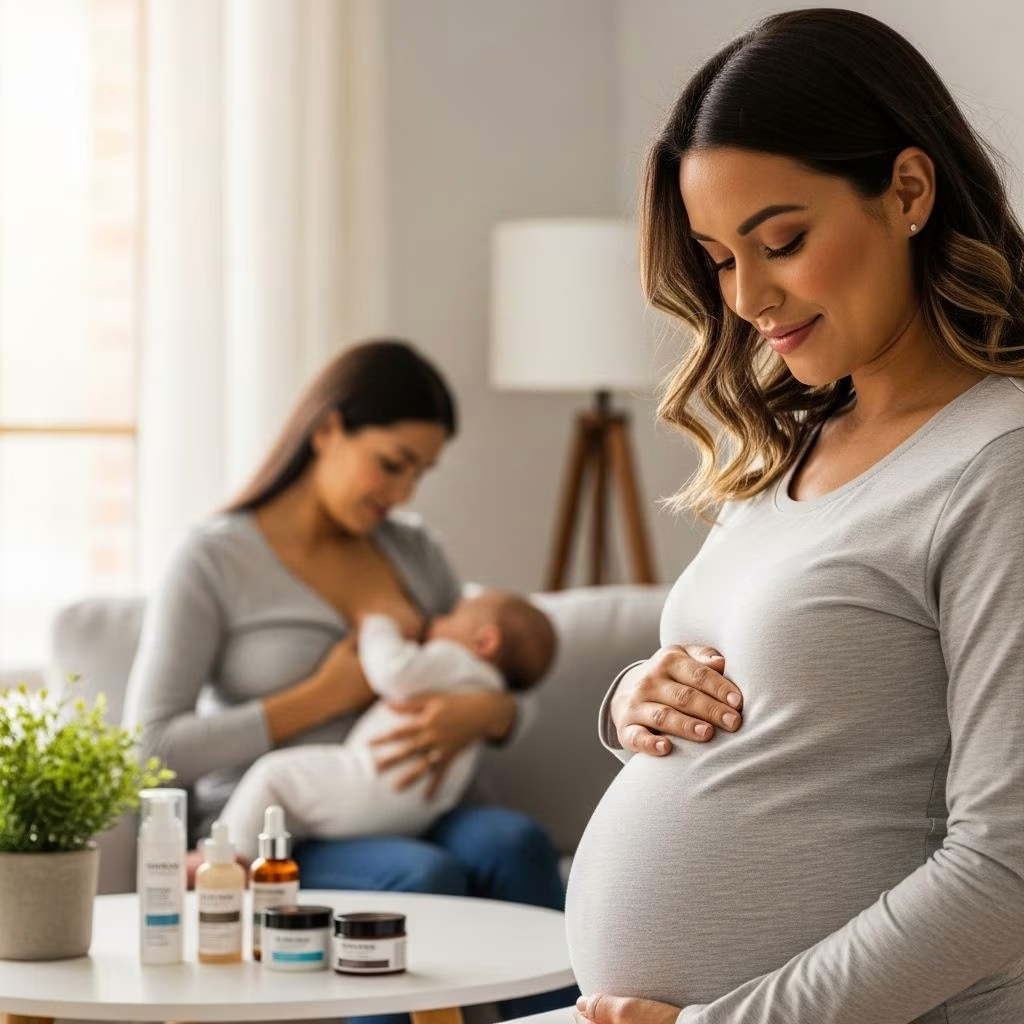
Pregnancy and breastfeeding bring numerous changes to a woman’s life—including the need to scrutinize the products used on skin and in daily routine. Knowing which active ingredients are safe or should be avoided is crucial for the well-being of both mother and baby. This comprehensive guide synthesizes scientific research, expert consensus, and regulatory guidance to help expectant and new mothers make informed decisions about skincare, cosmetics, and other actives during this special period.
Introduction: Why Ingredient Safety Matters
During pregnancy and breastfeeding, substances absorbed through the skin or inhaled can reach the developing fetus or nursing baby. Certain skincare and cosmetic ingredients have been linked to birth defects, hormone disruption, or other health risks, which is why vigilance is advised. Regulatory agencies, including the FDA and ACOG, recommend prudent use and avoidance of products with known or suspected risks.
What Are Actives?
“Actives” are ingredients within skincare, cosmetics, or personal care products that perform a specific function—such as exfoliating, moisturizing, treating acne, or protecting against sun damage. Examples include retinoids, salicylic acid, benzoyl peroxide, hydroquinone, and more. These ingredients can be present in various forms and concentrations depending on product type and formulation.
Overview: Actives to Avoid and Safer Alternatives
- Avoid: Retinoids, high-dose salicylic acid, hydroquinone, phthalates, parabens, chemical sunscreens, formaldehyde, tetracyclines, and high-dose essential oils.
- Use with caution: Benzoyl peroxide, low-dose salicylic acid, glycolic acid, and aluminum chloride (in high concentrations).
- Generally safe: Azelaic acid, hyaluronic acid, zinc oxide, titanium dioxide, and mineral sunscreens.
Active Ingredients to Avoid During Pregnancy
Scientific research and clinical observations have identified several ingredients that can pose risks during pregnancy and breastfeeding, mostly due to their absorption, systemic effects, or impact on fetal development.
- Retinoids (Vitamin A derivatives): Includes prescription retinoids (e.g., isotretinoin, tretinoin), as well as over-the-counter retinol and retinyl palmitate. Prescription retinoids are strongly linked to severe birth defects and neurocognitive impairment in exposed children.
- Isotretinoin, Accutane, Tazorac: These oral or topical medications require strict contraceptive measures and discontinuation well before a planned pregnancy due to documented teratogenic risks.
- High-dose Salicylic Acid: Oral or high-concentration peels are linked to potential developmental issues. Low-dose topical use may be acceptable, but always under medical supervision.
- Hydroquinone: Although not directly linked to congenital malformations, its high absorption rate raises concerns about fetal exposure. Best avoided for managing pregnancy-induced pigmentation.
- Phthalates: Endocrine disruptors commonly found in fragrances, nail polish, and some plastics. Associated with developmental and reproductive dysfunction.
- Parabens: Widely used preservatives. Associated with poor birth outcomes in some studies. Recommended to avoid or minimize exposure by choosing paraben-free products.
- Chemical Sunscreens: Ingredients like oxybenzone, avobenzone, octocrylene, and homosalate are easily absorbed and flagged as potential endocrine disruptors. Prefer mineral-based sunscreens.
- Formaldehyde: Found in some nail products and hair treatments; has been linked to miscarriage and fertility problems.
- Tetracyclines: Antibiotics like doxycycline and minocycline can impair bone and tooth development in fetuses.
- High-potency Essential Oils: Some essential oils (e.g., pennyroyal, wormwood) have been associated with toxicity and even miscarriage. Consult your provider before using any essential oils during pregnancy.
Actives to Use With Caution
- Benzoyl Peroxide: Common in acne treatments. Generally considered safe in low concentrations, but best used in consultation with a healthcare provider.
- Low-dose Salicylic Acid: Topical use in low concentrations (as in most over-the-counter acne products) is usually regarded as safe, but high concentrations or oral use should be avoided.
- Glycolic Acid: A type of alpha-hydroxy acid (AHA) for exfoliation. Used in moderation, it is generally accepted as safe; high concentrations should be avoided.
- Aluminum Chloride: Used in antiperspirants. Safe in low concentrations, but high levels should be avoided.
Pregnancy- and Breastfeeding-Safe Alternatives
Multiple clinically supported options can help manage common pregnancy skincare concerns without significant risk.
- Azelaic Acid: Effective for treating acne and pigmentation (including melasma) and considered safe in pregnancy.
- Mineral Sunscreens: Zinc oxide and titanium dioxide offer effective sun protection without systemic absorption or hormone disruption.
- Hyaluronic Acid: A hydrating agent that is non-irritating and safe during pregnancy and breastfeeding.
- Gentle Moisturizers and Emollients: Products free of fragrance, alcohol, parabens, and phthalates are ideal.
- Oats and Allantoin: Naturally soothing ingredients useful for sensitive or inflamed skin.
Ingredient Safety Comparison Table
| Ingredient | Use During Pregnancy | Use During Breastfeeding | Notes |
|---|---|---|---|
| Retinoids (isotretinoin, adapalene, tretinoin, retinol) | Must Avoid | Best Avoided | Linked to birth defects; see prescriber if exposed |
| Salicylic Acid (topical, low dose) | Use with Caution | Use with Caution | Low-dose topical okay, avoid oral/high-dose |
| Benzoyl Peroxide | Generally Safe | Generally Safe | Prefer low strength; possible drying/irritant |
| Hydroquinone | Must Avoid | Best Avoided | High systemic absorption rates |
| Phthalates and Parabens | Minimize/Avoid | Minimize/Avoid | Potential endocrine disruptors |
| Chemical Sunscreen (Oxybenzone, Avobenzone) | Must Avoid | Must Avoid | Use mineral sunscreen only |
| Mineral Sunscreen (Zinc Oxide, Titanium Dioxide) | Safe | Safe | No hormone disruption |
| Glycolic Acid (AHA) | Use with Caution | Use with Caution | Safer in lower concentrations |
| Azelaic Acid | Safe | Safe | Helps with acne and pigmentation |
Everyday Products: Beyond Skincare
Pregnancy and breastfeeding safety extends beyond just facial skincare. Review ingredients in:
- Hair Dyes and Chemical Treatments: Prefer ammonia- and peroxide-free options, and avoid direct scalp application during pregnancy’s first trimester.
- Nail Polish and Removers: Seek “3-Free” or “5-Free” lacquers (free of formaldehyde, toluene, DBP, and others), and use removers without aggressive solvents.
- Deodorants: Use low-aluminum formulas and avoid those with high concentrations unless approved by a healthcare professional.
- Fragrances and Sprays: Choose fragrance-free products whenever possible to limit phthalate exposure.
- Cleansers and Household Items: Choose safer alternatives for cleaning, avoiding harsh chemicals, and always ventilate well.
Regulatory and Expert Guidance
- The FDA does not require pre-market approval for cosmetics but expects them to be safe for intended use. However, safety evidence for use in pregnancy is often limited.
- The American College of Obstetricians and Gynecologists (ACOG) and international health agencies advise erring on the side of caution and using the most minimalistic and non-controversial products possible.
- Ask your healthcare provider or pharmacist before starting any new medication, supplement, or skincare regimen during pregnancy or breastfeeding.
Tips for Healthy Skincare and Habits
- Read ingredient labels: Stay informed about the products you buy; look for reputable brands that fully list all ingredients.
- Patch test new products: Hormonal changes can increase skin sensitivity.
- Opt for fragrance-free and hypoallergenic formulations: Reduces the risk of irritation and exposure to hidden chemicals.
- Support the skin barrier: Gentle, hydrating cleansers and moisturizers help prevent excessive dryness or irritation caused by hormonal fluctuations.
- Consult professionals: Dermatologists and OB-GYNs can provide up-to-date recommendations tailored to your circumstances.
- Embrace sun safety: Use mineral sunscreens, wear protective clothing, and avoid peak sun hours to protect skin with increased photosensitivity.
Frequently Asked Questions (FAQs)
Q: Can I use retinol creams during breastfeeding?
No. Though the risk during breastfeeding is low, most experts recommend avoiding topical retinoids due to limited safety data and the potential for systemic absorption affecting the infant.
Q: Is it safe to use acne products such as salicylic acid or benzoyl peroxide?
Low-dose topical salicylic acid and benzoyl peroxide are generally considered safe in pregnancy and breastfeeding, but always consult a healthcare professional before starting new acne treatments.
Q: What kind of sunscreen should I use while pregnant or breastfeeding?
Choose mineral sunscreens based on zinc oxide or titanium dioxide. These create a physical barrier without systemic absorption and do not contain hormone-disrupting chemicals found in some chemical sunscreens.
Q: Are essential oils safe to use in skin or aromatherapy?
Not all essential oils are safe during pregnancy or lactation. Some can be harmful or even toxic. Always confirm with your healthcare provider before use, and ensure proper dilution and usage discipline.
Q: Do I need to change my entire cosmetics and skincare routine?
Many products can be continued, but review each ingredient critically. Focus on cutting out strong actives, fragrances, and chemical preservatives, especially those listed above as avoidable during pregnancy and breastfeeding.
Q: How can I reduce chemical exposure in daily life?
- Opt for glass or stainless-steel food containers.
- Avoid microwaving plastic containers.
- Switch to fragrance-free cleaning and hygiene products.
- Read ingredient lists—and stay up to date on safety recommendations.
Conclusion
Making informed choices about active ingredients in personal care products is essential for mother and baby safety during pregnancy and breastfeeding. By favoring evidence-based, low-risk options and seeking guidance from healthcare professionals, mothers can maintain effective self-care while minimizing avoidable risks.
References
- https://www.healthline.com/health/pregnancy/pregnancy-safe-skin-care
- https://www.thebump.com/a/safe-skincare-products-during-pregnancy
- https://www.womenscare.com/cosmetic-and-beauty-ingredients-to-avoid-while-pregnant/
- https://pmc.ncbi.nlm.nih.gov/articles/PMC3114665/
- https://www.fda.gov/cosmetics/resources-consumers-cosmetics/cosmetics-pregnancy
- https://www.seslhd.health.nsw.gov.au/sites/default/files/groups/Royal_Hospital_for_Women/Mothersafe/documents/skinhaircareandcosmetictreatmentsapril2021.pdf
- https://mothertobaby.org/fact-sheets/
- https://www.ema.europa.eu/en/documents/regulatory-procedural-guideline/guideline-exposure-medicinal-products-during-pregnancy-need-post-authorisation-data_en.pdf


