


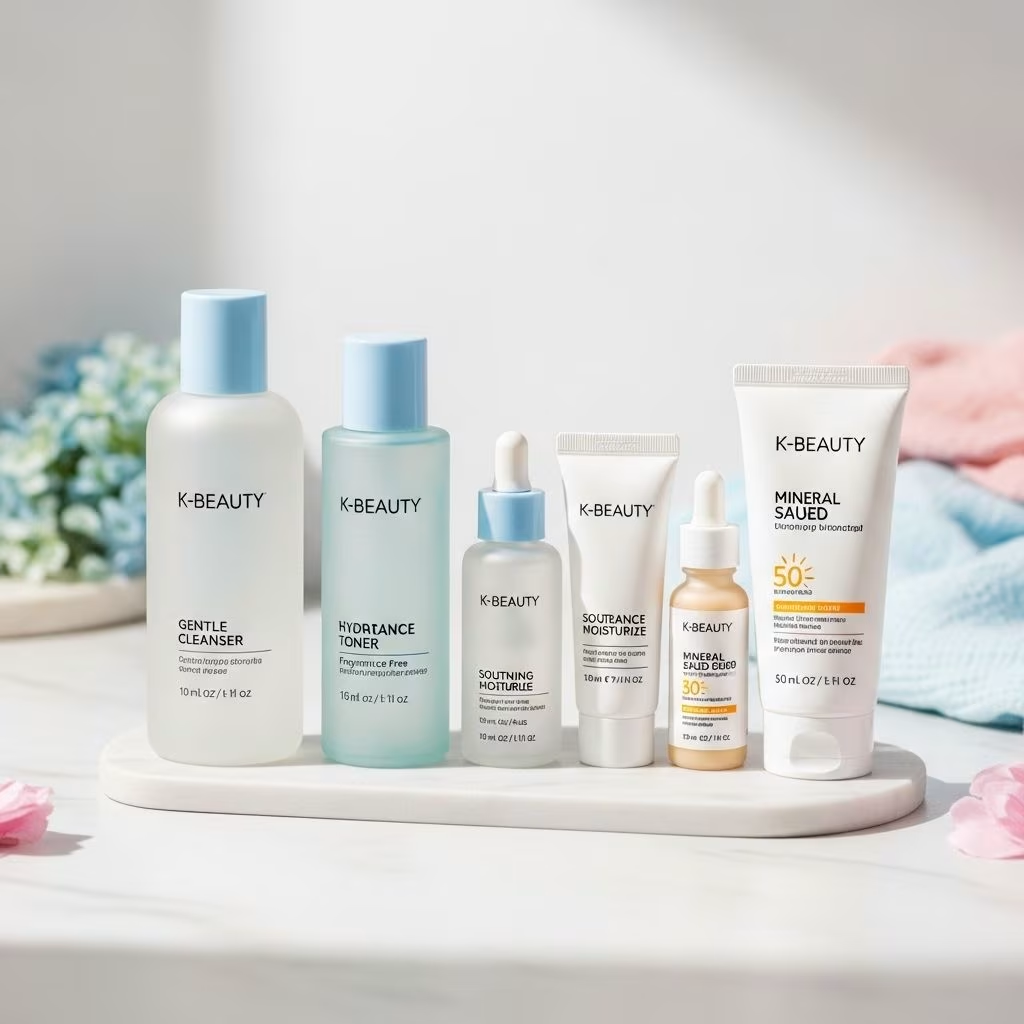
Pregnancy and nursing are transformative periods that bring incredible changes to your body, including your skin. Many expecting and new mothers who follow Korean beauty routines wonder how to adapt their beloved skincare regimens during this special time. The good news is that K-beauty’s gentle, layered approach can be safely modified to support your skin through hormonal changes while protecting your growing baby.
Understanding which ingredients are safe and which to avoid becomes essential during pregnancy and breastfeeding. Korean skincare products are known for their thoughtful formulations and emphasis on hydration and nourishment, making them excellent choices when selected carefully. This comprehensive guide will help you navigate K-beauty during pregnancy and nursing, ensuring both you and your baby stay healthy while maintaining that coveted glass skin glow.
Understanding Skin Changes During Pregnancy
Your skin undergoes significant transformations during pregnancy due to hormonal fluctuations, increased blood volume, and changes in metabolism. These changes can manifest in various ways, and understanding them helps you address concerns appropriately with safe K-beauty products.
Hormonal acne is one of the most common issues faced by pregnant women. The natural rise in hormones, particularly during the first and second trimesters, can trigger increased sebum production, leading to breakouts even if you never experienced acne before. This condition is temporary and typically resolves once hormone levels stabilize after delivery.
Melasma or chloasma, often called the mask of pregnancy, appears as darkened patches on the face due to increased melanin production. This hyperpigmentation commonly affects the forehead, cheeks, and upper lip. Sun exposure can worsen these dark patches, making sun protection crucial during pregnancy.
Increased skin sensitivity is another hallmark of pregnancy. Products you used without issue before may suddenly cause irritation, redness, or allergic reactions. Your skin barrier may become more compromised, requiring gentler formulations and extra hydration.
Stretch marks can develop as your skin rapidly expands, particularly on the abdomen, breasts, thighs, and buttocks. While no product can completely prevent stretch marks, maintaining skin hydration and elasticity through safe moisturizers can help minimize associated discomfort.
Ingredients to Avoid in K-Beauty Products
When you are pregnant or nursing, certain ingredients commonly found in skincare products should be avoided due to potential risks to fetal development or lack of sufficient safety data. Korean skincare brands are generally transparent about ingredients, making it easier to identify what to skip.
Retinoids and Vitamin A Derivatives
Retinol, retinyl palmitate, and retinyl linoleate must be completely excluded from your pregnancy skincare routine. Vitamin A plays an important role in fetal development, but isotretinoin, a strong vitamin A derivative used in prescription acne medications, has been definitively linked to birth defects when taken orally. While topical retinol has poor skin absorption and studies suggest minimal risk, the limited research on topical retinoid use during pregnancy means experts universally recommend avoiding all vitamin A-based skincare products during early pregnancy and throughout gestation. If you have been using retinol-containing products before discovering your pregnancy, do not panic, simply discontinue use immediately and consult your healthcare provider.
High-Percentage Hydroxy Acids
Betaine salicylate and salicylic acid, common BHA ingredients in K-beauty exfoliants and toners, should be avoided in high concentrations during pregnancy. While topical BHA application results in minimal skin absorption, oral salicylic acid is known to thin the blood and is unsafe during pregnancy. Doctors therefore recommend avoiding excessive or frequent use of BHA-containing skincare products. Small amounts, such as a toner with less than two percent salicylic acid used once or twice daily, are generally considered safe, but high-percentage facial and body peels containing these acids pose greater concern. AHA products in concentrations above ten percent glycolic acid should also be used cautiously. Products containing willow bark, a natural source of salicylic acid, are similarly excluded from pregnancy-safe lists due to insufficient safety evidence.
Chemical Sunscreen Filters
Certain chemical sunscreen ingredients including homosalate, octisalate, octinoxate, and octocrylene are best avoided during pregnancy. While studies have not definitively confirmed risks, some chemical sunscreen ingredients may be absorbed through the skin and have been linked in preliminary research to potential concerns. Mineral sunscreens containing titanium dioxide and zinc oxide are safer alternatives that sit on the skin surface rather than being absorbed, and they typically cause less sensitivity, which is beneficial given increased skin reactivity during pregnancy.
Hydroquinone and Skin Lightening Agents
Hydroquinone, often used to lighten hyperpigmentation, is absorbed through the skin very quickly. The limited research on hydroquinone use during pregnancy, combined with its high absorption rate, leads many experts to recommend avoiding it entirely. Alpha-arbutin, while gentler, should also be approached with caution during pregnancy.
Other Ingredients to Watch
Parabens, widely used as preservatives in cosmetics, are best minimized during pregnancy due to their potential endocrine-disrupting properties. Essential oils in high concentrations should be used cautiously, as some may trigger uterine contractions or allergic reactions in sensitive pregnancy skin. Always check product labels carefully and when in doubt, consult your obstetrician or dermatologist.
Safe K-Beauty Ingredients for Pregnancy
Korean skincare offers abundant pregnancy-safe ingredients that effectively address skin concerns without compromising safety. These alternatives allow you to maintain a beneficial skincare routine throughout your pregnancy and nursing journey.
Vitamin C is an excellent substitute for retinol, offering brightening and anti-aging benefits without safety concerns. This powerful antioxidant helps reduce hyperpigmentation, boosts collagen production, and protects against environmental damage. Look for stable forms like ascorbic acid or gentler derivatives like sodium ascorbyl phosphate in K-beauty serums and essences.
Niacinamide, also known as vitamin B3, is completely safe during pregnancy and addresses multiple concerns including hyperpigmentation, enlarged pores, uneven texture, and inflammation. This versatile ingredient strengthens the skin barrier, regulates sebum production, and brightens skin tone, making it ideal for pregnancy-related skin changes.
Hyaluronic acid is a hydration powerhouse that is perfectly safe for expecting mothers. This humectant draws moisture into the skin, providing the deep hydration needed to combat pregnancy-related dryness and maintain skin elasticity. K-beauty products often feature multiple molecular weights of hyaluronic acid for optimal penetration and surface hydration.
Glycolic acid in low concentrations, typically under ten percent, provides gentle exfoliation without the concerns associated with BHA products. This AHA helps address dullness and texture issues while remaining pregnancy-appropriate when used moderately.
Peptides are completely safe during pregnancy and excellent for maintaining youthful skin. These amino acid chains support collagen production and skin repair without any known risks to developing babies.
Centella asiatica, also known as cica or tiger grass, is a staple in K-beauty that soothes inflammation, supports wound healing, and strengthens the skin barrier. This gentle botanical is ideal for sensitive pregnancy skin.
Natural oils like rosehip oil, jojoba oil, and squalane provide nourishment and help prevent stretch marks when applied to the body. These oils support skin elasticity and barrier function safely throughout pregnancy.
Mineral sunscreen ingredients including titanium dioxide and zinc oxide offer broad-spectrum protection without absorption concerns. These physical blockers are essential for preventing melasma worsening during pregnancy.
Morning K-Beauty Routine for Expecting Mothers
A pregnancy-safe morning K-beauty routine focuses on hydration, protection, and gentle care. This streamlined approach maintains skin health without overwhelming sensitive pregnancy skin.
Step 1: Gentle Cleanser
Begin with a low-pH gel or cream cleanser that removes overnight oils without stripping your skin. Pregnancy skin can be more sensitive, so avoid harsh foaming cleansers with sulfates. Look for hydrating cleansers with ingredients like glycerin, ceramides, or rice extract that cleanse while maintaining moisture balance.
Step 2: Hydrating Toner or Essence
Apply a hydrating toner or essence to prep your skin for subsequent products. Choose alcohol-free formulas with hyaluronic acid, beta-glucan, or fermented ingredients that provide lightweight hydration and strengthen the skin barrier. Pat gently into skin rather than rubbing to minimize irritation.
Step 3: Treatment Serum
Select a pregnancy-safe serum addressing your primary concern. A vitamin C serum helps prevent and fade dark spots while providing antioxidant protection. Alternatively, a niacinamide serum controls oil production and minimizes pores. For extreme sensitivity, a centella asiatica serum soothes inflammation and supports barrier repair.
Step 4: Eye Cream
Gently tap a peptide or caffeine-based eye cream around the orbital bone to address puffiness and fine lines. Pregnancy fatigue often manifests as tired-looking eyes, making this step particularly beneficial.
Step 5: Moisturizer
Lock in all previous layers with a pregnancy-safe moisturizer suited to your skin type. Gel-creams work well for oily skin, while richer creams benefit dry skin. Look for formulas with ceramides, squalane, or natural oils that support barrier function without clogging pores.
Step 6: Mineral Sunscreen
Complete your morning routine with broad-spectrum mineral sunscreen containing at least SPF 30. This step is non-negotiable during pregnancy, as hormonal changes make your skin more susceptible to hyperpigmentation. Apply generously to face, neck, and any exposed areas, reapplying every two hours when outdoors. Consider wearing a wide-brimmed hat for additional protection against melasma.
Evening Skincare Routine During Pregnancy
Your nighttime routine allows for deeper treatment and repair while your skin regenerates during sleep. This pregnancy-safe evening regimen maximizes skin benefits without risky ingredients.
Step 1: Oil-Based Cleanser
Remove makeup, sunscreen, and oil-soluble impurities with a gentle cleansing oil or balm. Massage thoroughly but gently to dissolve all residue without tugging at delicate pregnancy skin. Emulsify with water and rinse completely.
Step 2: Water-Based Cleanser
Follow with a gentle water-based cleanser to remove any remaining impurities and complete the double cleanse. This ensures your skin is perfectly clean for treatment products without over-cleansing.
Step 3: Exfoliation
One to two times weekly, use a gentle exfoliant to address texture and dullness. Choose low-percentage glycolic acid products, PHAs, or gentle enzyme exfoliants rather than physical scrubs that can irritate sensitive pregnancy skin. Skip this step on nights when your skin feels particularly reactive.
Step 4: Hydrating Toner
Layer your hydrating toner or essence as in the morning routine, potentially applying multiple thin layers if your skin feels particularly dry or dehydrated.
Step 5: Treatment Serum or Ampoule
Apply your evening treatment product, which may differ from your morning serum. Consider a hyaluronic acid ampoule for intense hydration, a peptide serum for anti-aging benefits, or a niacinamide treatment for brightening and pore refinement. You can layer multiple lightweight serums if addressing different concerns.
Step 6: Sheet Mask
Two to three times weekly, incorporate a hydrating or soothing sheet mask for an extra boost. Look for masks with hyaluronic acid, ceramides, centella asiatica, or honey that provide concentrated hydration and calming benefits.
Step 7: Eye Cream
Apply your eye treatment as in the morning, using gentle patting motions to avoid pulling delicate eye area skin.
Step 8: Night Cream or Sleeping Mask
Seal everything with a nourishing night cream or sleeping mask. Evening products can be richer than daytime moisturizers since you do not need to worry about makeup application. Choose formulas with peptides, ceramides, or natural oils that support overnight repair and regeneration.
Addressing Common Pregnancy Skin Concerns
Pregnancy brings specific skin challenges that can be effectively managed with safe K-beauty products and targeted approaches.
Managing Pregnancy Acne
Hormonal acne during pregnancy requires gentle yet effective treatment. Focus on low-percentage AHA toners used sparingly, oil-free hydrators with niacinamide, and anti-inflammatory ingredients like centella asiatica. Avoid picking or squeezing blemishes, which can lead to scarring and further inflammation. Keep skin clean with twice-daily gentle cleansing, and use non-comedogenic products throughout your routine. Clay masks with kaolin or bentonite can help absorb excess oil once weekly without over-drying. Remember that pregnancy acne is temporary and typically resolves postpartum as hormones stabilize.
Preventing and Treating Melasma
While you cannot completely prevent melasma during pregnancy, you can minimize its severity and prevent worsening. Diligent sun protection is paramount: wear mineral sunscreen daily, reapply every two hours when outdoors, seek shade when possible, and wear protective hats and clothing. Vitamin C serums help prevent new pigmentation from forming and gradually fade existing dark spots. Niacinamide also helps regulate melanin production and brighten skin tone. Avoid harsh treatments or aggressive brightening products, as these can backfire on sensitive pregnancy skin. Most melasma fades significantly within several months after delivery when hormones normalize.
Combating Dryness and Sensitivity
Increased skin sensitivity and dryness during pregnancy responds well to K-beauty’s emphasis on hydration and barrier support. Layer multiple hydrating products, starting with lightweight essences and building to richer creams. Incorporate ceramides, which replenish the skin barrier and reduce moisture loss. Avoid hot water when cleansing, which strips natural oils and exacerbates dryness. Use a humidifier in your bedroom to prevent overnight moisture loss. Choose fragrance-free products when possible, as pregnancy can increase fragrance sensitivity. If irritation occurs, simplify your routine to just cleanser, hydrating toner, and moisturizer until skin calms.
Minimizing Stretch Mark Appearance
While no product can completely prevent stretch marks, maintaining skin hydration and elasticity can help minimize their appearance and reduce associated itching. Apply rich body creams or oils containing shea butter, cocoa butter, rosehip oil, or centella asiatica to your abdomen, breasts, hips, and thighs twice daily. Massage products in thoroughly to improve circulation and product absorption. Start this practice early in pregnancy and continue postpartum. Stay well-hydrated by drinking plenty of water, which supports skin elasticity from within. Remember that stretch marks are natural and fade to barely visible silver lines over time.
Body Care for Pregnant and Nursing Mothers
Do not neglect your body skin during pregnancy and nursing. K-beauty body care products can help you address concerns beyond your face with safe, effective formulations.
Choose gentle, hydrating body washes with neutral pH that cleanse without stripping moisture. Avoid antibacterial soaps with triclosan and heavily fragranced products that may irritate sensitive pregnancy skin. Look for body washes with ceramides, oat extract, or coconut-derived cleansers.
Apply body lotion or cream immediately after showering while skin is still damp to lock in moisture. Focus on areas prone to dryness and stretch marks including the abdomen, breasts, hips, and thighs. Rich formulas with shea butter, cocoa butter, or natural oils provide intensive hydration and support skin elasticity.
For areas experiencing particular stretching or itching, consider specialized belly creams or oils. Massage these products in circular motions to improve absorption and blood flow. This ritual also provides an opportunity to connect with your growing baby.
Your breasts undergo significant changes during pregnancy and nursing, becoming larger and more sensitive. Use gentle, unscented moisturizers on breast skin, avoiding the nipple and areola area if nursing. After breastfeeding is established, pure lanolin or coconut oil can soothe cracked or sore nipples safely.
Do not forget sun protection on your body. Apply mineral sunscreen to exposed areas like arms, legs, and décolletage, especially as melasma can develop on the body as well as the face.
Transitioning Your Routine While Nursing
The postpartum period brings its own skin challenges as hormones shift again. While nursing, many of the same pregnancy skincare restrictions apply since active ingredients can potentially pass through breast milk to your baby.
Continue avoiding retinoids, high-percentage hydroxy acids, and hydroquinone while breastfeeding. These ingredients are best reintroduced only after you have finished nursing. However, you can generally be slightly less restrictive than during pregnancy, as the transmission of topical products through breast milk is minimal compared to placental transfer.
Focus on repair and recovery during the nursing period. Sleep deprivation, stress, and continued hormonal fluctuations can cause acne, dryness, and dullness. Prioritize hydration both topically and internally by drinking plenty of water. Use nourishing, barrier-supporting products that require minimal steps since time is precious with a newborn.
Sheet masks become valuable allies for stressed new mothers, providing intensive treatment in fifteen to twenty minutes while you rest or feed your baby. Keep hydrating masks in your routine for quick skin boosts.
If you experienced melasma during pregnancy, continue diligent sun protection and gentle brightening with vitamin C and niacinamide. Most hyperpigmentation gradually fades within six to twelve months postpartum, though some may persist longer.
Be patient with your skin during this transition. Postpartum hormones can continue causing changes for several months. Maintain your gentle, hydrating K-beauty routine and resist the urge to use aggressive treatments too quickly. Once you finish nursing, gradually reintroduce stronger active ingredients like retinol under professional guidance.
Frequently Asked Questions
Q: Can I use my regular K-beauty routine during pregnancy?
A: Not all K-beauty products are pregnancy-safe. You need to carefully check ingredients and avoid retinoids, high-percentage hydroxy acids, certain chemical sunscreens, and hydroquinone. However, many K-beauty staples like hyaluronic acid, niacinamide, vitamin C, and centella asiatica are completely safe and beneficial during pregnancy.
Q: Are Korean sheet masks safe during pregnancy?
A: Most Korean sheet masks are pregnancy-safe, particularly those focused on hydration and soothing with ingredients like hyaluronic acid, ceramides, aloe vera, and honey. Always check the ingredient list and avoid masks containing retinol, high-percentage acids, or whitening agents like hydroquinone or arbutin.
Q: What is the best K-beauty ingredient for pregnancy acne?
A: Niacinamide is excellent for pregnancy acne as it regulates sebum production, reduces inflammation, and is completely safe during pregnancy and nursing. Centella asiatica also helps calm inflamed acne without risks. Low-percentage glycolic acid can be used occasionally for gentle exfoliation.
Q: How can I prevent melasma during pregnancy with K-beauty products?
A: Diligent daily use of mineral sunscreen with zinc oxide or titanium dioxide is essential for preventing melasma worsening. Combine this with vitamin C serums that inhibit melanin production and provide antioxidant protection. Niacinamide also helps regulate pigmentation safely during pregnancy.
Q: When can I resume using retinol after giving birth?
A: If you are not breastfeeding, you can resume retinol use after delivery once postpartum bleeding stops and your skin barrier is stable. If you are nursing, wait until you have completely finished breastfeeding before reintroducing retinoids to ensure no potential transfer through breast milk.
Q: Are natural and organic K-beauty products safer during pregnancy?
A: Not necessarily. Natural does not automatically mean pregnancy-safe, as some botanical ingredients and essential oils can be problematic during pregnancy. Always check specific ingredients rather than relying on natural or organic labels. Many synthetic ingredients like niacinamide and hyaluronic acid are perfectly safe and effective during pregnancy.
Q: Can I get Korean facial treatments while pregnant?
A: Many Korean facial treatments are safe during pregnancy if they avoid prohibited ingredients and aggressive techniques. Hydrating facials, gentle enzyme treatments, and LED light therapy are generally safe. Avoid chemical peels with high-percentage acids, microneedling, and treatments using electrical currents. Always inform your esthetician that you are pregnant so they can modify treatments accordingly.
Q: What should I do if I used retinol before knowing I was pregnant?
A: Do not panic. Topical retinol has poor skin absorption, and occasional use early in pregnancy is unlikely to cause harm. Discontinue the product immediately and inform your obstetrician at your next appointment. They can provide personalized guidance based on how much and how long you used the product.
Q: How many steps should my pregnancy K-beauty routine include?
A: There is no magic number, but many pregnant women find that six to eight steps work well: cleansing, toner, serum, eye cream, moisturizer, and sunscreen in the morning, with double cleansing and potentially an additional treatment product at night. Listen to your skin and simplify if you experience increased sensitivity.
Q: Are snail mucin products safe during pregnancy?
A: Yes, snail mucin or snail secretion filtrate is considered safe during pregnancy. This K-beauty favorite provides hydration, supports healing, and contains beneficial nutrients without any known pregnancy risks. It can be an excellent addition to your pregnancy skincare routine for maintaining skin health and addressing minor concerns.
References
- https://koreanskincare.com/blogs/skintalks/pregnancy-safe-skincare-products
- https://www.haruharubeauty.com/us/lifestyle/my-situation/pregnancy-safe/
- https://www.youtube.com/watch?v=46mijxKvbq4&vl=en
- https://asianbeautyessentials.com/collections/pregnancy-safe-skin-care-cosmetics
- https://sokoglam.com/collections/pregnancy-safe
- https://asianbeautyessentials.com/blogs/the-idol-beauty-blog/pregnancy-safe-skincare


