


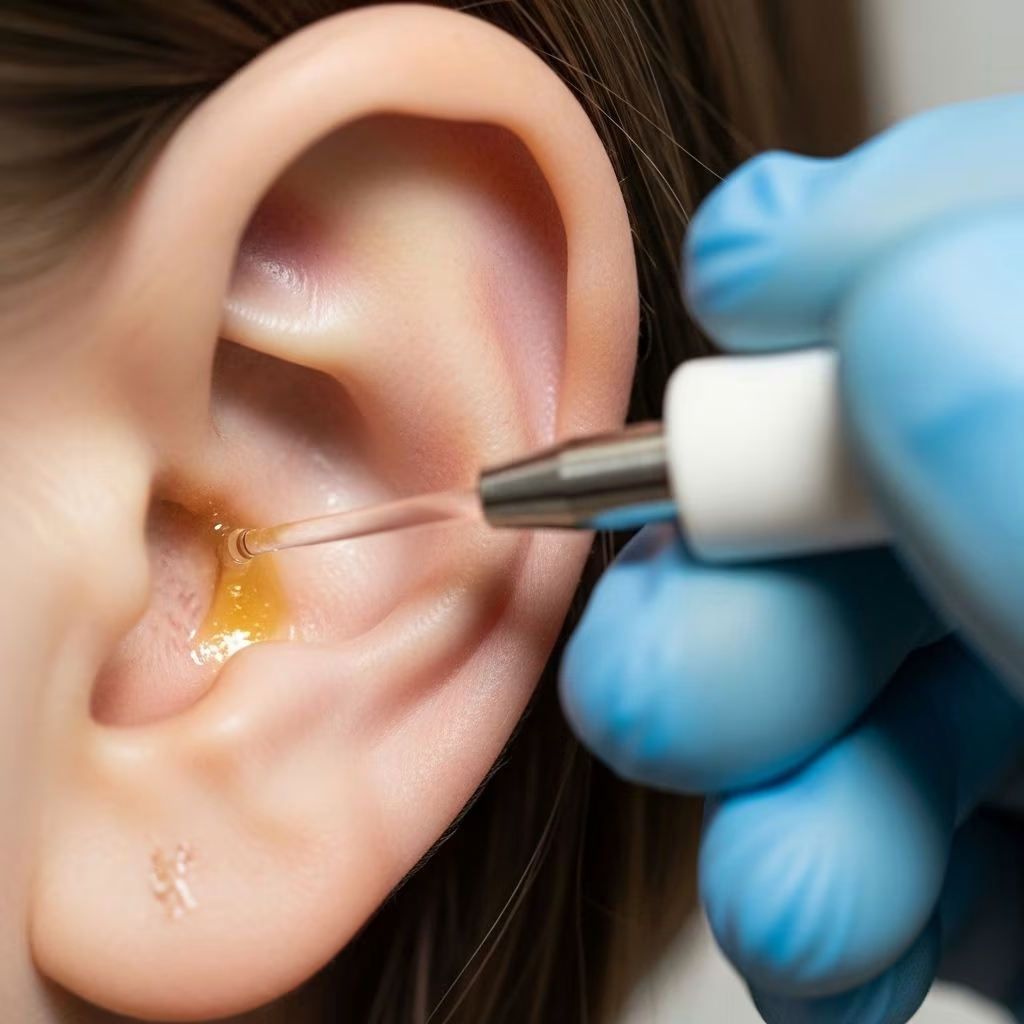
Safe Earwax Removal Protocols for Pain
Earwax buildup can lead to pain, hearing loss, and discomfort. Proper, safe removal protocols—whether at home or in clinical settings—are essential to relieve symptoms and protect ear health. This guide examines expert-recommended methods to help individuals and health care providers remove earwax safely and effectively, especially when pain is present.
Understanding Earwax and Associated Pain
Earwax, also called cerumen, is a natural secretion of glands in the outer ear canal. It protects the ear by trapping dust and microorganisms, lubricating the canal, and preventing infection. However, excessive accumulation or impaction can cause pain, pressure, temporary hearing loss, tinnitus, and even dizziness.
- Normal function: Traps debris and repels water.
- Impaction risks: Causes mechanical blockage, irritation, and potential infection.
- Pain triggers: Swelling from impacted wax, pressure on sensitive nerve endings, or secondary infection.
Risk Factors for Painful Earwax Buildup
Certain factors can increase the risk of painful earwax accumulation:
- Frequent use of hearing aids or earplugs, which pushes wax deeper.
- Narrow or hairy ear canals, which trap wax.
- Age-related changes, as older adults often produce dryer or thicker wax.
- Genetic predisposition for sticky or hard cerumen.
- Attempts to clean ears with cotton swabs or sharp objects, causing impaction or injury.
Safe Home Earwax Removal Methods
When pain from earwax buildup is mild and there are no contraindications, safe home remedies may offer relief. The following protocols are recommended by clinicians and research institutions:
1. Over-the-Counter Ear Drops
- Available at pharmacies, made with hydrogen peroxide, mineral oil, glycerin, or saline.
- Softens hard wax and facilitates natural drainage.
- Instructions: Tilt the head sideways, instill the recommended number of drops, and keep the position for several minutes. Tilt to the other side to drain.
2. Ear Irrigation with Bulb Syringe
- Use warm (body temperature) water or saline solution.
- Flushes out softened wax gently without damaging the ear canal.
- Contraindicated if there is a damaged eardrum, history of ear surgery/infections, or in only one functioning ear.
- Steps:
- Apply wax-softening drops first.
- Gently squirt water into the ear, let it drain, repeat as necessary.
- Dry the ear afterward to reduce risk of infection.
3. External Cleaning (Outer Ear)
- Use a warm, damp cloth to clean around the ear’s outer opening.
- Do not insert the cloth or any instrument into the canal.
Home Protocol Table: Recommended vs Discouraged
| Method | Safe? | Best For | Discouraged If |
|---|---|---|---|
| Ear Drops | Yes | Soft, mild impaction | Perforated eardrum, allergies |
| Bulb Syringe Irrigation | Yes | Softened wax | Ear infection/surgery, hole in eardrum |
| Cotton Swabs | No | None | Can worsen impaction, injure ear |
| Ear Candles | No | None | Ineffective, risk of burns/injury |
| Sharp Objects | No | None | Can damage ear canal/eardrum |
Professional Earwax Removal Protocols
For severe pain, recurrent blockage, or failed home treatment, clinical intervention is necessary. Physicians and audiologists utilize tools and protocols to maximize safety and minimize discomfort.
1. Electronic Water Irrigation
- Uses controlled, low-pressure devices to flush earwax.
- Contraindications: ear infections, holes in eardrum, mastoid cavity, implants, or single functioning ear.
- Risks: Rare complications include infection or eardrum perforation (~1/1000 cases).
- Aftercare: Dry the ear canal to prevent infection.
2. Manual Removal Under Direct Visualization
- Microsuction: Suction device used under magnification (operating microscope or video system) to extract wax safely.
- Ear Curettes/Forceps: Spoon-like tool or forceps to remove wax delicately.
- Indications: Hard, impacted wax, or near the eardrum where irrigation is risky.
- Potential side effects: Minor bleeding, discomfort.
3. Specialist Referral
- If removal is complicated by anatomical variations, chronic infections, or failed initial attempts, referral to otolaryngology or audiology is indicated.
Dangerous and Discouraged Removal Techniques
Some popular earwax removal practices are dangerous, ineffective, or can worsen pain and injury. Avoid the following methods:
- Cotton Swabs: Push wax deeper, risk of canal or drum injury.
- Ear Candles: No evidence of efficacy; risk of burns, ear canal blockage, or drum perforation.
- Sharp Objects: Can cause bleeding, infection, or permanent damage.
Contraindications and When to Avoid Removal
Safe earwax removal means recognizing when NOT to attempt it without medical guidance:
- Known or suspected perforated eardrum
- Chronic or recurrent ear infections
- Recent ear surgery
- Presence of a foreign body in the ear
- Previous complications during wax removal
In these cases, consult a healthcare provider before proceeding. Attempting removal may result in severe pain or permanent hearing loss.
Pain Management During Earwax Removal
Earwax impaction can be painful, and removal may sometimes cause temporary discomfort. These strategies help manage pain during the process:
- Softening agents: Using drops before removal reduces friction and pain.
- Gentle techniques: Avoid aggressive or high-pressure irrigation.
- Professional supervision: Clinicians use visualization to avoid injury.
- Topical analgesics: In rare cases, numbing drops may be prescribed for intense discomfort.
- Nonsteroidal anti-inflammatory drugs (NSAIDs): Used for associated ear pain or post-removal soreness.
Care After Earwax Removal
Proper aftercare minimizes the risk of infection, irritation, or recurrence:
- Keep ears dry for at least 24 hours after irrigation.
- Monitor for signs of infection: persistent pain, discharge, swelling, fever.
- Use a warm cloth to gently clean the outside of the ear.
- Avoid future impaction: Limit use of hearing aids/earplugs when possible, and avoid inserting objects into the ear canal.
- For chronic issues, request regular clinical cleaning and assessment.
Frequently Asked Questions (FAQs)
Q: What are the first signs of painful earwax buildup?
A: Mild pain, fullness, tinnitus, temporary hearing loss, itching, or dizziness may be early symptoms of impaction.
Q: Can I treat earwax pain at home safely?
A: Yes, in uncomplicated cases you can use over-the-counter softening drops, saline irrigation (with a bulb syringe), and external cleaning. Avoid cotton swabs, candles, and sharp objects.
Q: When should I see a healthcare provider for earwax pain?
A: If home measures fail, pain is severe, or if you have a history of ear infections, drum perforation, or ear surgery, contact an audiologist or physician. Also, seek help if you notice bleeding, persistent discharge, or worsening hearing loss.
Q: Is microsuction painful or risky?
A: Microsuction may cause minor discomfort, but is considered safe when performed by trained professionals. Rarely, it may cause minor bleeding or irritation.
Q: How can I prevent recurrent painful earwax impaction?
A: Regular clinical cleaning if prone, avoid cotton swabs and hearing aids unless needed, and use safe ear drops once or twice a month as directed by your provider.
References and Further Reading
- National Institute for Health and Care Excellence (NICE) Guidelines
- UCLA Health Earwax Removal Protocols
- Harvard Health Publishing Earwax Removal Recommendations
- The Hearing Center MCC Earwax Management Guide
References
- https://pmc.ncbi.nlm.nih.gov/articles/PMC9888562/
- https://www.uclahealth.org/news/article/6-things-you-need-know-about-earwax-removal
- https://www.health.harvard.edu/staying-healthy/got-an-ear-full-heres-some-advice-for-ear-wax-removal
- https://thehearingcentermcc.com/patient-resources/effective-earwax-removal-techniques-a-guide-by-the-hearing-center-mcc/
- https://www.nm.org/healthbeat/healthy-tips/quick-dose-are-there-safe-ways-to-remove-ear-wax
- https://health.clevelandclinic.org/ear-wax-removal-101-the-best-and-safest-ways-to-clear-clogged-ears
- https://mydoctor.kaiserpermanente.org/ncal/structured-content/earwax-blockage-508173
- https://www.health.harvard.edu/staying-healthy/should-you-try-these-tools-to-clean-your-ears


