


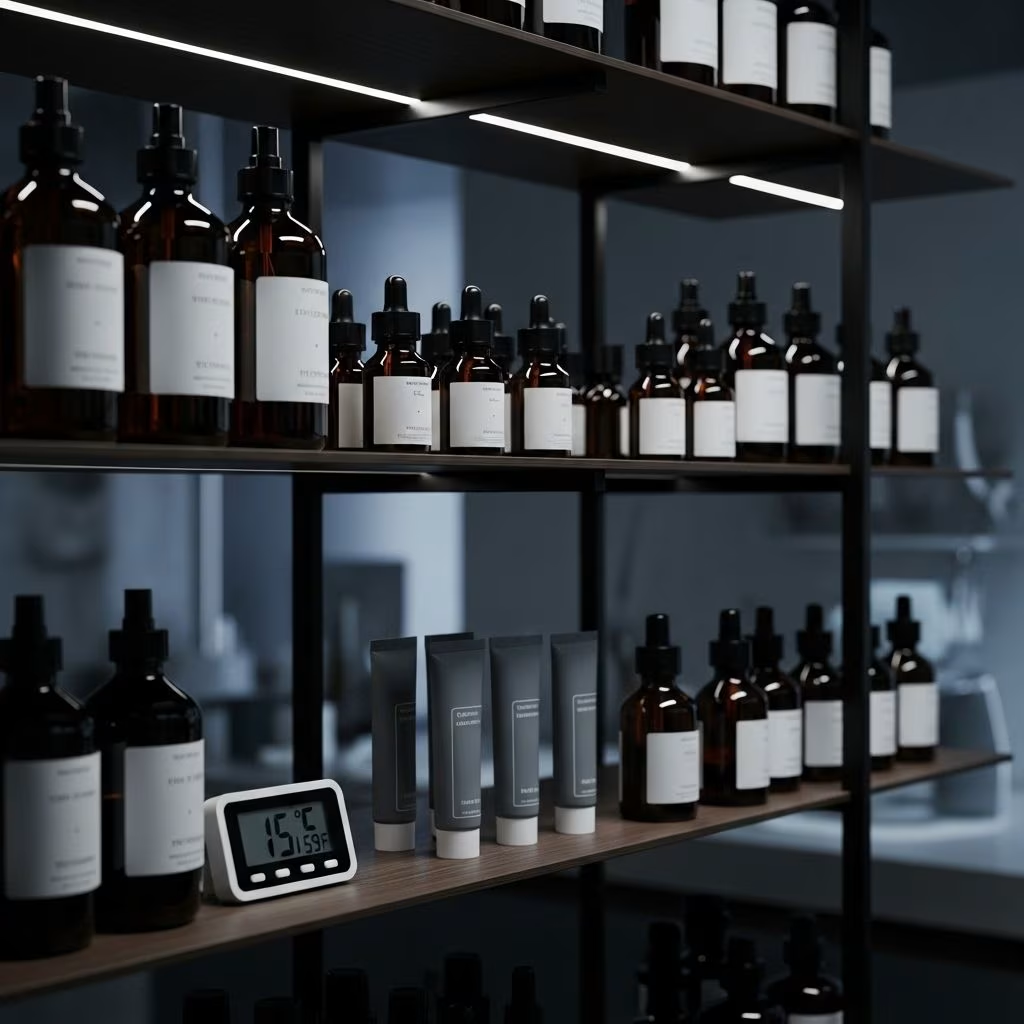
Introduction
Spot treatments are an essential part of any skincare routine, especially for those battling acne, blemishes, or targeted skin concerns. However, the benefits of these concentrated formulas can be significantly diminished—or even negated—if they are not stored properly. One of the most overlooked factors in skincare is storage temperature, which directly affects the stability, potency, and shelf life of active ingredients.
Why Storage Temperature Matters for Spot Treatments
Spot treatments often contain potent active ingredients such as benzoyl peroxide, salicylic acid, retinoids, or vitamin C, all of which are sensitive to environmental factors like heat, light, and humidity. Temperature extremes—both hot and cold—can cause these ingredients to break down, oxidize, or even change texture, leading to reduced efficacy and shorter product lifespans. As a general rule, most skincare products, including spot treatments, are best stored at room temperature in a cool, dry place away from direct sunlight. This helps maintain their chemical stability and maximizes their intended results.
Understanding Product Formulations and Ingredient Stability
Not all spot treatments are created equal, and their storage needs vary based on their active ingredients. Here’s a breakdown of how common actives react to temperature:
- Retinoids and Retinol: These vitamin A derivatives are highly unstable when exposed to heat and light. Refrigeration can dramatically extend their shelf life, but freezing should be avoided as it can destroy their potency.
- Vitamin C (Ascorbic Acid): Vitamin C is notorious for oxidizing quickly, especially in heat. Refrigerating vitamin C serums can slow this degradation, but newer stabilized formulas may fare well at room temperature. Let refrigerated products warm up for a few minutes before use to restore their original texture and absorption.
- Niacinamide: This antioxidant and anti-inflammatory ingredient is stable at room temperature and does not require refrigeration.
- Benzoyl Peroxide and Salicylic Acid: These common acne fighters are also sensitive to heat. Keeping them cool can help preserve their efficacy throughout their shelf life.
| Ingredient | Stable at Room Temp? | Benefit from Refrigeration? | Cold/Frozen Risks |
|---|---|---|---|
| Retinol/Tretinoin | No (degrades in heat/light) | Yes (extends shelf life) | Do not freeze |
| Vitamin C | Sometimes (stabilized formulas only) | Yes (slows oxidation) | Texture change |
| Niacinamide | Yes | No | None |
| Benzoyl Peroxide | No (degrades in heat) | Yes | Minimal |
| Salicylic Acid | No (degrades in heat) | Yes | Minimal |
Optimal Storage Conditions for Different Product Types
While the ideal temperature for most skincare products—and thus spot treatments—is between 55°F and 75°F (13°C to 24°C), some formulas benefit from even cooler environments. Here’s a quick guide:
- Serums and Lightweight Treatments: Often contain unstable actives like vitamin C and retinol; refrigeration can extend their life.
- Creams and Lotions: Typically formulated with oils and fatty acids. Refrigeration can cause texture changes (thickening or separation), especially in saturated oils and waxes. Unsaturated oils and fatty acids may tolerate chilling better. Always allow refrigerated creams to return to room temperature before use.
- Gels and Clear Solutions: Often alcohol-based; less prone to spoilage, but may still degrade in heat or sunlight. Store in a cool, dark place.
It’s essential to read product packaging, as manufacturers often specify recommended storage temperatures. If no guidance is provided, default to cool, dry, and dark conditions.
Common Mistakes in Spot Treatment Storage
- Storing in the Bathroom: Frequent temperature and humidity fluctuations from showers and baths can accelerate ingredient breakdown. Consider storing sensitive products outside the bathroom.
- Leaving Products in Direct Sunlight: UV exposure catalyzes oxidation, especially in vitamin C and retinoid formulas.
- Exposing to Extreme Cold: Freezing can irreversibly damage the product’s texture and efficacy.
- Not Resealing Properly: Exposure to air increases oxidation. Always secure lids and consider extra protection like zip-lock bags for refrigerated items.
Spot Treatment Storage Temperature: A Guide by Product Type
Retinoids (Retinol, Adapalene, Tretinoin)
Retinoids are among the most unstable skincare actives. Store these in the refrigerator if you live in a warm environment or are not using them daily. Do not freeze, and minimize air exposure.
Vitamin C Serums
Pure vitamin C (ascorbic acid) benefits from refrigeration. If using a stabilized or encapsulated vitamin C, room temperature storage may suffice. Always check the label for guidance.
Benzoyl Peroxide and Salicylic Acid
These acne fighters are less effective if stored in heat. Keep them in a cool, dry place, and consider refrigeration in hot climates.
Niacinamide
This ingredient is stable at room temperature; refrigeration is unnecessary.
Oils and Emulsions
Oils and emulsions may separate or thicken when refrigerated, particularly those with saturated fats. Unsaturated oils may tolerate refrigeration better. If texture changes occur, allow the product to return to room temperature before use.
The Role of Packaging and Air Exposure
Packaging plays a crucial role in product longevity. Air-tight, opaque, or UV-protective containers are best for sensitive ingredients. If you refrigerate products, wrap them in wax or parchment paper, then seal in a zip-lock bag to minimize air and moisture exposure. Always allow refrigerated products to warm up slightly before application to improve spreadability and absorption.
Mini Skincare Fridges: Are They Worth It?
Mini skincare fridges, popular among beauty enthusiasts, are designed to keep products at a slightly higher temperature (around 55°F to 65°F) than a standard refrigerator. This can help avoid the extreme cold that might damage creams or emulsions. These devices are especially useful for those who want to keep their products cool without the risk of freezing or drastic texture changes. If you don’t have a mini fridge, a cool, dark drawer or cabinet works well for most spot treatments.
How to Tell If Your Spot Treatment Has Gone Bad
Signs that your spot treatment may have degraded due to improper storage include:
- Noticeable changes in color, texture, or smell
- Separation of ingredients that does not recombine with shaking
- Reduced efficacy—the product no longer works as well as before
If you observe any of these changes, it’s best to discard the product to avoid skin irritation or diminished results.
Expert Tips for Maximizing Spot Treatment Shelf Life
- Always Check Labels: Follow the manufacturer’s storage recommendations.
- Avoid Temperature Extremes: Store products away from radiators, windows, and cars.
- Minimize Air Exposure: Reseal tightly after each use and consider additional protective packaging if refrigerating.
- Use Clean Hands or Applicators: Prevent contamination, which can shorten shelf life.
- Rotate Stock: Use older products first and purchase in quantities you’ll use within a few months.
Frequently Asked Questions (FAQs)
Do all spot treatments need to be refrigerated?
No—only those with unstable actives like retinol and vitamin C benefit from refrigeration. Most other spot treatments are fine at room temperature if stored away from heat and sunlight.
What is the ideal temperature for storing spot treatments?
Between 55°F and 75°F (13°C and 24°C) is ideal for most products. For heat-sensitive formulas, a few degrees cooler can help, but avoid freezing.
Can I store my spot treatments in the bathroom?
While convenient, the bathroom is not ideal due to humidity and temperature fluctuations. Store sensitive products in a bedroom drawer or another cool, dry, and dark place.
How does temperature affect the texture of my spot treatment?
Cold temperatures can cause creams and emulsions to thicken or separate; heat can make them runny or accelerate oxidation. Always check the product’s consistency.
Is a skincare mini fridge a good investment?
Mini fridges are useful for those who want to keep products cool without the risk of freezing, but they are not strictly necessary if you can store your products in a consistently cool and dark environment.
How long do refrigerated spot treatments last?
Refrigeration can extend the shelf life of unstable actives, sometimes doubling or tripling their effective life. However, always follow the product’s expiration date.
Can freezing ruin my spot treatment?
Yes, freezing can irreversibly damage the product’s texture and active ingredients, especially retinoids and vitamin C.
What should I do if my product changes color or smell?
Discontinue use—these changes often indicate the product has oxidized or degraded and may no longer be effective or safe for your skin.
Conclusion
Proper spot treatment storage temperature is a critical, yet often overlooked, aspect of skincare. By understanding the stability needs of your products’ active ingredients, selecting the right storage environment, and avoiding common mistakes, you can maximize both the efficacy and lifespan of your spot treatments. Always check product labels for specific instructions, and when in doubt, default to cool, dry, and dark storage. With these practices, your spot treatments will deliver the best possible results for your skin, every time.
References
- https://skintypesolutions.com/blogs/skincare/which-skincare-products-should-not-be-refrigerated
- https://www.esmiskin.com/blogs/esmi-skin-central/storing-your-skincare-products-the-complete-guide
- https://www.schweigerderm.com/skin-care-articles/cosmetic-dermatology/how-to-properly-store-your-skincare/
- https://www.cutislaserclinics.com/blog/skincare-storage-should-you-refrigerate-your-products/
- https://dermavenue.com/blogs/news/how-to-properly-store-your-skincare
- https://www.lovelyskin.com/blog/p/dear-lovelyskin-how-does-temperature-affect-beauty-products
- https://us.typology.com/library/skincare-storage-how-to-store-creams-moisturizers-and-co


