


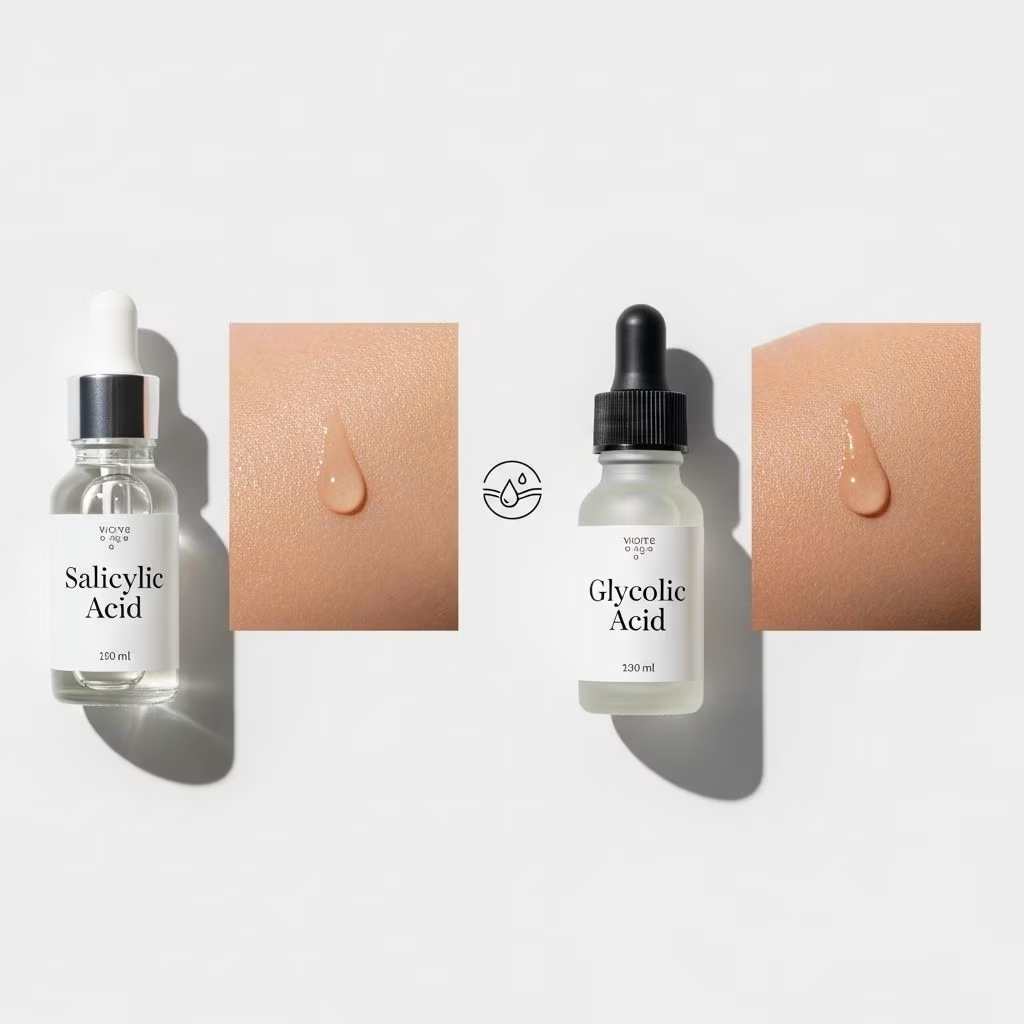
Salicylic vs. Glycolic Acid After Heavy Sweating: A Comprehensive Guide
Physical activity is essential for maintaining a healthy lifestyle, but it can also lead to increased sweat production, which may affect your skin. Both salicylic and glycolic acids are popular exfoliants used in skincare routines, but they serve different purposes and are suited for different skin types. Understanding the differences between these acids can help you choose the right product for your skin, especially after heavy sweating.
Introduction to Salicylic and Glycolic Acids
Salicylic Acid is a beta hydroxy acid (BHA), known for its ability to penetrate deep into pores to unclog them and reduce sebum production. It is particularly effective for oily skin or acne-prone skin conditions like blackheads and whiteheads. Its oil-soluble nature allows it to effectively target pores, making it ideal for clearing out clogs and preventing future breakouts.
Glycolic Acid, on the other hand, is an alpha hydroxy acid (AHA) with a small molecular size, allowing it to penetrate the skin’s surface easily. It is widely used for its ability to exfoliate the skin, improve texture, reduce fine lines and wrinkles, and treat hyperpigmentation. Glycolic acid is more suitable for dry or aging skin, as it stimulates collagen production and promotes cell turnover.
Table of Content
1. [Introduction to Salicylic and Glycolic Acids](#introduction-to-salicylic-and-glycolic-acids)2. [Skin Benefits of Salicylic Acid](#skin-benefits-of-salicylic-acid)3. [Skin Benefits of Glycolic Acid](#skin-benefits-of-glycolic-acid)4. [Choosing Between Salicylic and Glycolic Acid After Heavy Sweating](#choosing-between-salicylic-and-glycolic-acid-after-heavy-sweating)5. [Tips for Using Both Acids in Your Routine](#tips-for-using-both-acids-in-your-routine)6. [Irritation Potential and Sensitivity](#irritation-potential-and-sensitivity)7. [Frequently Asked Questions](#frequently-asked-questions)
Skin Benefits of Salicylic Acid
Salicylic acid is particularly beneficial for individuals with oily or acne-prone skin. Here are some of its key benefits:
– Exfoliates Pores: It effectively cleans pores from the inside, breaking down excess oil and dead skin cells, which helps prevent acne and blackheads.- Reduces Sebum Production: By reducing sebum, salicylic acid helps control oiliness and reduces the appearance of pores.- Anti-Inflammatory Properties: It has mild anti-inflammatory properties, which can help soothe redness and irritation often associated with acne and oily skin.
Skin Benefits of Glycolic Acid
Glycolic acid is ideal for those with dry, dull, or aging skin due to its several benefits:
– Improves Skin Texture: It effectively exfoliates the skin’s surface, promoting smoother texture and brighter complexion.- Reduces Fine Lines and Wrinkles: By stimulating collagen production, glycolic acid helps reduce the appearance of fine lines and wrinkles.- Treats Hyperpigmentation: It is effective in treating dark spots and hyperpigmentation, making it a great choice for those looking to even out their skin tone.
Choosing Between Salicylic and Glycolic Acid After Heavy Sweating
After heavy sweating, it’s crucial to adjust your skincare routine based on your skin type and concerns:
### For Oily Skin- Salicylic Acid: If you have oily skin, salicylic acid is the better choice. It not only exfoliates pores but also helps control oil production, which can be exacerbated by sweating. Its ability to penetrate deep into pores makes it highly effective for preventing clogged pores and acne breakouts.### For Dry or Sensitive Skin- Glycolic Acid: For those with dry or sensitive skin, glycolic acid can be beneficial. However, it’s important to start with lower concentrations to avoid irritation. Glycolic acid helps improve skin texture and can be useful for reducing fine lines and wrinkles, but it may not be the best choice immediately after intense sweating if your skin is sensitive.
Tips for Using Both Acids in Your Routine
It is possible to use both salicylic and glycolic acid in your routine, but it’s recommended to use them on alternating days to avoid over-exfoliation:
– Alternating Days: Use salicylic acid one day for its pore-cleansing benefits and glycolic acid the next for its surface exfoliation.- Start Slowly: Begin with lower concentrations of each acid and gradually increase as your skin becomes more tolerant.- Monitor Skin Reaction: Be attentive to how your skin reacts to each product, adjusting your routine as needed to prevent irritation.
Irritation Potential and Sensitivity
Both salicylic and glycolic acids can cause irritation if not used carefully:
– Glycolic Acid: It can cause redness and stinging, especially in sensitive or dry skin. Starting with lower concentrations (around 5-10%) is recommended.- Salicylic Acid: Generally well-tolerated, but over-exfoliation can lead to dryness. It’s essential to moisturize after using salicylic acid, especially if you have dry skin.
Frequently Asked Questions (FAQs)
Q: What is the main difference between salicylic and glycolic acid?
A: Salicylic acid is a beta hydroxy acid that penetrates pores to unclog them, ideal for oily skin. Glycolic acid is an alpha hydroxy acid that exfoliates the skin’s surface, suitable for dry or aging skin.
Q: Can I use both salicylic and glycolic acid together?
A: Yes, but it’s advisable to use them on alternating days to avoid over-exfoliation and potential irritation.
Q: How do I choose between salicylic and glycolic acid after heavy sweating?
A: If you have oily skin, choose salicylic acid to control oil and prevent breakouts. For dry skin, glycolic acid can help improve texture but start with lower concentrations to avoid irritation.
Q: Are there any side effects of using salicylic and glycolic acid?
A: Both acids can cause irritation, dryness, or redness, especially if used incorrectly. Start with low concentrations and monitor your skin’s reaction.
References
- https://lovekinship.com/blogs/news/glycolic-acid-vs-salicylic-acid
- https://www.laroche-posay.com.au/blog/glycolic-acid.html
- https://chemistconfessions.com/blogs/salicylic-vs-glycolic-acid
- https://www.100percentpure.com/blogs/feed/glycolic-acid-vs-salicylic-acid-whats-the-real-difference-for-your-skin
- https://www.healthline.com/health/beauty-skin-care/glycolic-acid-vs-salicylic-acid
- https://cosmedica-skincare.com/blogs/news/glycolic-vs-salicylic-acid-when-should-i-use-them
- https://www.youtube.com/watch?v=IIX-wEJ7J2o


