


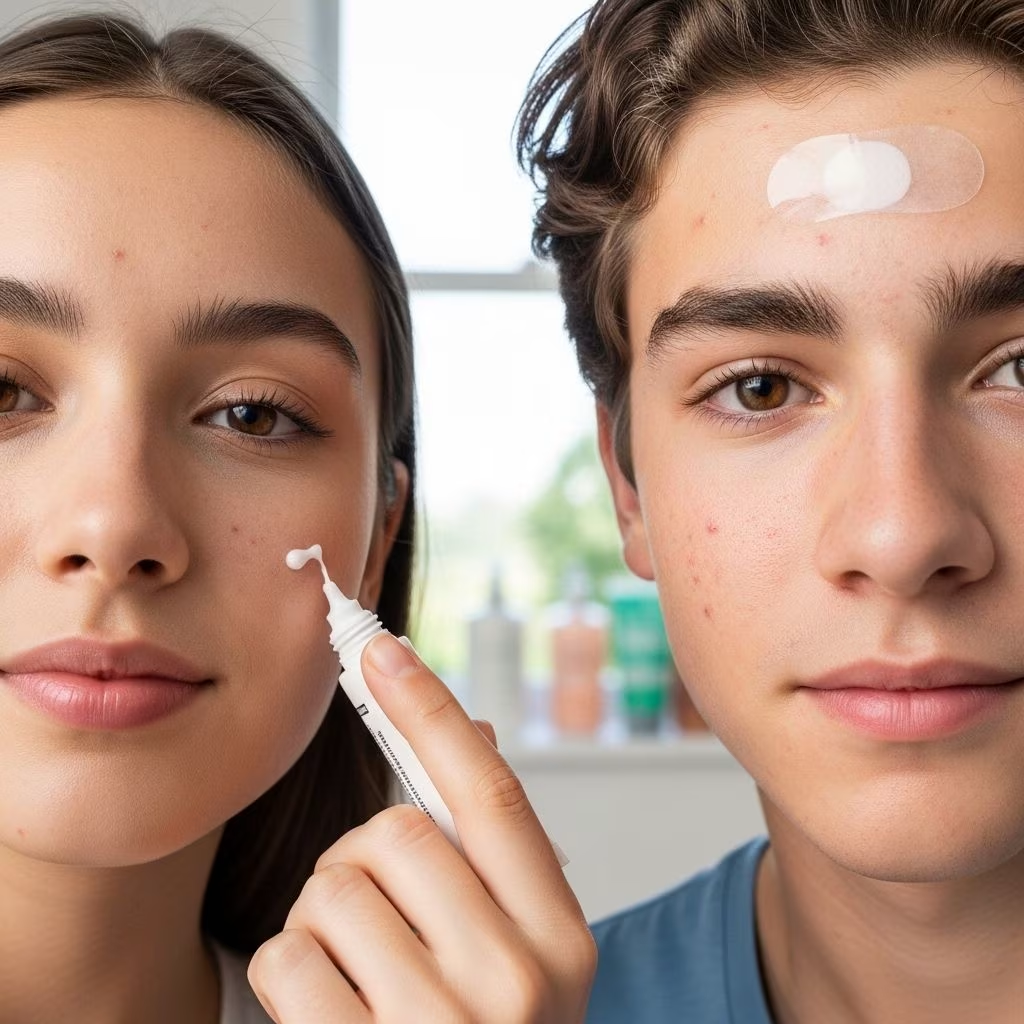
Spot Treatments for Teens & Pre-Teens: The Complete Guide
Acne is an extremely common skin condition affecting millions of teens and pre-teens. Navigating the world of spot treatments and acne care can be daunting—whether you’re just spotting that first blemish or regularly facing flare-ups. This guide delivers expert advice, recommended routines, science-backed ingredients, and answers to common questions regarding treating and preventing acne in youth.
Understanding Teen and Pre-Teen Acne
Acne, which includes pimples, blackheads, whiteheads, and cysts, is most prevalent during the teenage years and can start even before adolescence (‘pre-teen acne’). Hormonal changes cause increased oil production, which in turn leads to clogged pores and outbreaks. While acne is not physically harmful, it can have significant effects on self-esteem, confidence, and mental health.
- Prevalence: Over 85% of teens experience some form of acne.
- Emotional Impact: Acne can lead to distress, social withdrawal, and reduced self-esteem.
- Affected Areas: Face and upper body—especially the forehead, nose, chin, chest, and back.
What Causes Acne in Young Skin?
Understanding the root causes of acne can help guide treatment strategies and prevention methods.
- Hormonal Changes: Increased androgens during puberty stimulate oil (sebum) production.
- Clogged Pores: Dead skin cells and excess oil trap bacteria, leading to inflammation.
- Bacterial Growth: Cutibacterium acnes (formerly Propionibacterium acnes) exacerbates swelling and redness.
- Genetics: Family history can increase risk.
- External Factors: Diet, stress, skincare products, and even dirty face masks may play a role.
Key Ingredients in Spot Treatments
Spot treatments target individual pimples and outbreaks. The most effective products contain clinically-proven ingredients that speed healing, reduce inflammation, and prevent scarring.
| Ingredient | How It Works | Forms/Application | Notes |
|---|---|---|---|
| Benzoyl Peroxide | Kills acne-causing bacteria, reduces inflammation | Creams, gels, cleansers (2.5–10%) | Can cause dryness and bleach fabric |
| Salicylic Acid | Exfoliates, unblocks pores | Spot gels, facial cleansers (0.5–2%) | Milder, often less irritating |
| Adapalene (Topical Retinoid) | Unclogs pores, reduces future breakouts | Gel, cream (0.1–0.3%) | Prescription or OTC; apply minimal amount |
| Clindamycin & Erythromycin (Topical Antibiotics) | Reduces bacteria, calms inflammation | Prescription gels/solutions | Only for moderate/severe acne |
| Hydrocolloid Patches | Absorbs pus/oil; protective barrier | Pimple patches | Best for single pustules; can contain medication |
How Spot Treatments Work
- Benzoyl peroxide and topical antibiotics focus on killing bacteria and reducing inflammation.
- Salicylic acid and retinoids focus on preventing pore blockage and reducing new breakouts.
- Hydrocolloid patches serve as a protective cover, speeding pimple healing and reducing urge to touch.
Building an Effective Skincare Routine
Consistency is key. Spot treatments are most effective when combined with a simple daily skincare routine that respects young, sensitive skin.
Daytime Routine
- Step 1: Cleanser
Use a gentle, non-comedogenic facial cleanser—look for ingredients like salicylic acid, benzoyl peroxide, or ceramides. - Step 2: Spot Treatment
Apply a targeted product (e.g., benzoyl peroxide, adapalene) directly on active pimples. - Step 3: Moisturizer
Use an oil-free, lightweight moisturizer to maintain the skin’s barrier. Ingredients like ceramides, hyaluronic acid, or niacinamide are beneficial. - Step 4: Sunscreen
Broad-spectrum SPF 30+ is crucial, especially when using treatments that may increase sensitivity.
Nighttime Routine
- Step 1: Cleanser
Wash again with a gentle product, especially if using makeup or sunscreen during the day. - Step 2: Spot Treatment/Serum
Apply treatment gel (salicylic acid, adapalene, or benzoyl peroxide as directed) to entire affected area, not just individual spots. - Step 3: Moisturizer
Use a nighttime moisturizer without sunscreen.
Special Notes:
- Consistency is critical: Continue routine for at least three months to see significant results.
- Gentle Application: Avoid scrubbing, which can worsen irritation.
- Face Masks: Use clean face masks to prevent worsening acne, especially for mask-wearers.
Choosing the Right Products for Your Skin Type
The success of spot treatments depends largely on selecting the best products for your skin’s needs and sensitivity level.
- For sensitive skin: Look for lower concentrations of benzoyl peroxide (2.5%), avoid harsh scrubs, and use products labeled “gentle” or “non-comedogenic.”
- For oily skin: Consider gel or foaming cleansers with salicylic acid or benzoyl peroxide (up to 10% for severe cases).
- For dry skin: Prioritize products with hydrating ingredients (hyaluronic acid, ceramides) and use retinoids with caution.
- For combination skin: Use lightweight moisturizers and spot treat only where needed.
How to Use Spot Treatments Safely
- Apply as directed: Follow package directions or physician advice. Overuse can cause dryness, redness, or even chemical burns.
- Patch test: Before fully using a new product, test on a small area for 24–48 hours to check for allergies or reactions.
- Cover the area: For best results, treat the entire affected area rather than just individual spots; acne is a widespread skin process.
- Avoid layering treatments: Using multiple strong treatments simultaneously can irritate and damage skin.
- Do not pick or squeeze pimples: Reduces risk of scarring and infection.
- Myth: Acne can be washed away.
Fact: Overwashing or using harsh cleansers can irritate skin further. Gentle cleaning is most effective. - Myth: Facial scrubs and astringents help.
Fact: These often worsen acne by stripping oils and irritating skin. - Mistake: Inconsistent application.
Tip: Adhering to routine daily for at least three months yields better results. - Mistake: Picking at pimples.
Tip: Leads to scarring and prolonged healing. - Mistake: Spot treating only.
Tip: For most, applying acne treatments across the affected area prevents future outbreaks. - Severe, painful, or cystic acne: When deep, persistent pimples do not improve after three months of routine care, consult a pediatrician or dermatologist.
- Possible infection or scarring: If acne seems infected or scarring is developing, seek prompt medical advice.
- Other treatments: Professionals may prescribe stronger topical retinoids, oral antibiotics, or recommend additional therapies based on individual needs.
- Start with tried-and-true spot treatment ingredients like benzoyl peroxide, salicylic acid, and adapalene.
- Keep routines simple, regular, and suitable for individual skin types.
- Avoid harsh cleansers, scrubs, and picking at pimples.
- If acne persists or worsens, consult a doctor for personalized care.
- https://health.clevelandclinic.org/acne-treatment-for-teens
- https://www.cerave.com/skin-smarts/skin-concerns/acne/teenage-acne-skincare-routine
- https://www.mayoclinichealthsystem.org/hometown-health/speaking-of-health/tips-for-managing-teen-acne
- https://www.healthychildren.org/English/health-issues/conditions/skin/Pages/What-Causes-Acne.aspx
- https://www.mayoclinic.org/diseases-conditions/acne/in-depth/acne-treatments/art-20045814
- https://www.vivantskincare.com/blogs/acne/how-to-preempt-preteen-acne
- https://www.bouldermedicalcenter.com/teen-acne-survival-kit/
json
Common Mistakes and Myths
When Professional Help Is Needed
Frequently Asked Questions (FAQs)
Q: What is the safest spot treatment ingredient for teens?
Benzoyl peroxide (2.5–5%) and salicylic acid (0.5–2%) are widely proven to be safe and effective as first-line treatments.
Q: How long does it take for spot treatments to work?
Noticeable improvement typically takes 4–12 weeks when used consistently, according to expert sources.
Q: Can natural remedies like tea tree oil help?
Tea tree oil may be effective for mild acne, but can cause irritation or allergic reactions; only use if products are formulated for young skin and patch-tested first.
Q: Should teens moisturize even if their skin is oily?
Yes. Proper moisturization prevents dryness and helps the skin tolerate acne treatments. Use oil-free, non-comedogenic moisturizers.
Q: When is it time to see a dermatologist?
If acne is severe, painful, scarring, or not improving after consistent over-the-counter care for three months, seek medical advice.
Summary
Spot treatments offer powerful tools to combat acne in teens and pre-teens—but success depends on choosing the right products, building a consistent routine, and understanding when professional intervention is needed. By focusing on safe, proven ingredients and gentle care techniques, young individuals and their parents can promote healthier skin and stronger confidence.


