


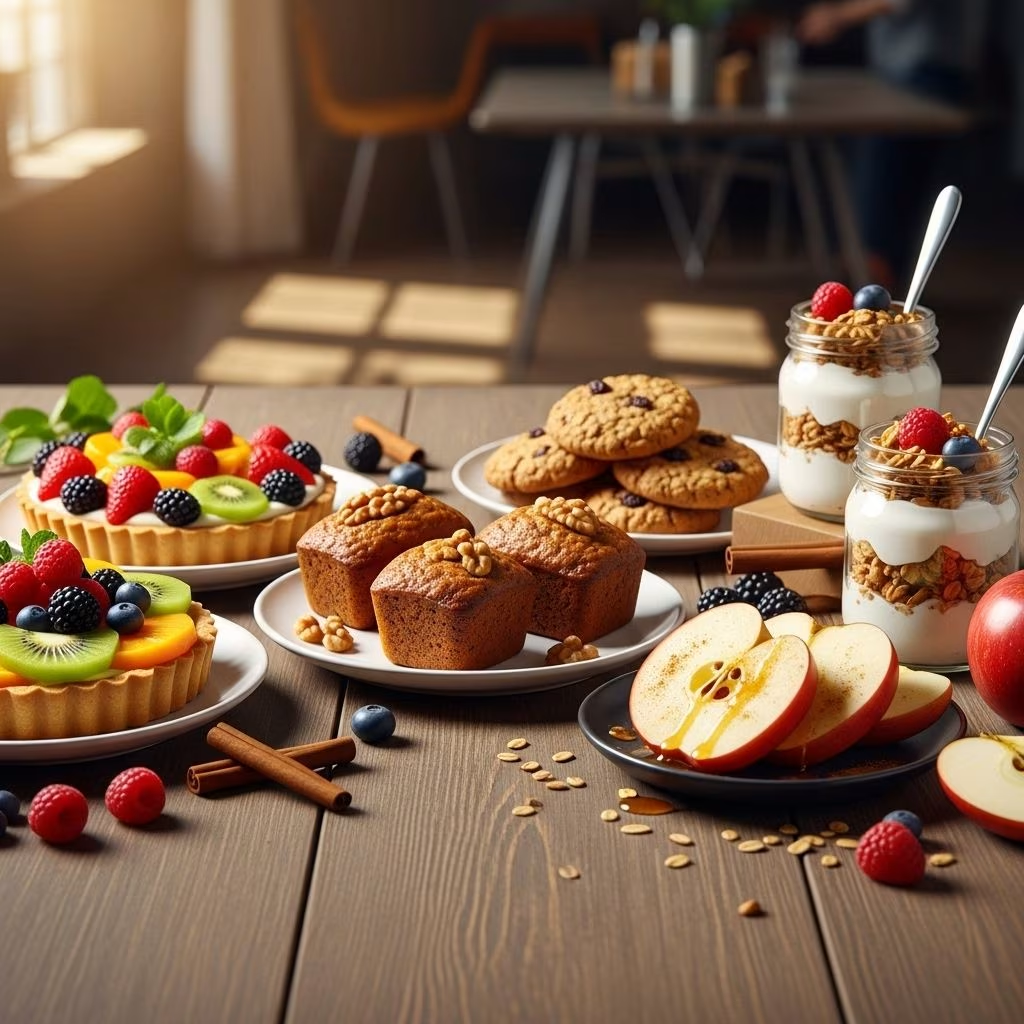
School Bake Sales & Healthy Eating Strategy
School bake sales are a beloved tradition, often evoking images of home-baked treats, heartfelt fundraising efforts, and vibrant community engagement. Yet, in the face of rising childhood obesity, shifting federal regulations, and new perspectives on student wellness, bake sales have become a focal point in the debate about healthy eating in schools. This comprehensive article examines the intersection of school bake sales and healthy eating strategies, tracing evolving policies, community reactions, and innovative solutions for supporting both school funding and student health.
Introduction
The intersection of school bake sales and healthy eating strategies is neither new nor simple. School fundraisers—long reliant on the universal appeal of sweets—are facing increased scrutiny as childhood obesity rates and public health concerns escalate. The need to balance tradition and community engagement against regulatory mandates and the imperative for healthier environments has sparked debate and innovation across the country.
The Tradition and Role of School Bake Sales
Bake sales have served as a mainstay of school fundraising for decades. Their inherent simplicity, low cost, and high engagement potential make them attractive for parent-teacher associations, sports teams, and clubs looking to cover expenses or support various causes.
- Community Involvement: Bake sales foster connections among families, students, staff, and local businesses.
- Accessibility: Low financial barrier for participation—anyone can bake or contribute.
- Fundraising Impact: Supports extracurricular activities, educational trips, and classroom resources.
Yet, the popularity of bake sales has contributed to a proliferation of calorie-rich, low-nutrient foods in school environments, raising concerns about their impact on student health.
Challenges: Nutrition, Obesity, and Regulation
Schools are increasingly seen as vital settings for promoting healthy eating, given children can consume over half of their daily calories at school. Yet, junk food sales for fundraising run counter to these goals.
- Childhood Obesity: Roughly one in three children in the U.S. is overweight or obese, elevating risks for chronic disease and shorter lifespans.
- Environmental Factors: Profusion of unhealthy snacks—soda, cookies, cakes—during school hours undermine wellness policies.
- Public Health vs. School Needs: Nutrition advocates push for healthier options; schools counter that bake sales are crucial for fundraising.
Policy Debate: Bans and Exemptions
Recent years have seen a mounting policy response:
- Federal Regulations: The Healthy, Hunger-Free Kids Act (2010) and USDA’s Smart Snacks in School program set nutrition standards for food sold in schools.
- Bake Sale Bans: In some cases, states and districts have proposed or enacted bans on bake sales during school hours, sparking public backlash.
- Exemptions: Many states—facing community pushback—have granted exemptions, allowing a set number of bake sales annually.
| State | Bake Sale Policy | Comments |
|---|---|---|
| Massachusetts | Tried bake sale ban; reversed after outcry | Community pressure led to legislative reversal |
| Georgia | Up to 30 exemptions/year | Advocates warned of putting revenue over health |
| Oklahoma, South Carolina | Broad exemptions | Pushback against federal standards |
| Arizona | Moving for exemptions | Official opposition to restrictions on fundraisers |
| National | States set own bake sale rules | Federal law allows flexibility |
This decentralized approach underscores controversies at the heart of the debate: Who decides what children should eat at school, and what role should tradition and fundraising play?
Health Impact of School Food Regulations
Do bans or restrictions on energy-dense foods at school make a difference? Emerging research sheds light on the effects:
- A Mexican study predicted that banning nonessential, energy-dense foods could reduce children’s daily caloric intake by about 33 kcal, translating to an average 0.8 kg reduction in weight and 1.5 percentage points drop in obesity prevalence in one year.
- Compliance is critical—the more schools adhere, the greater the health benefits.
- Canadian and Brazilian studies show similar outcomes, with declines in BMI among students following implementation of healthier food standards.
- In the U.S., districts with stricter food standards reported slightly lower per-student food revenues, but the decline was not precipitous and depended on the breadth of healthier fundraising alternatives adopted.
The evidence increasingly supports the idea that changing the types of foods sold in schools—whether in bake sales, vending machines, or cafeterias—can positively impact students’ health outcomes, provided compliance and implementation are robust.
Rethinking Bake Sales: Healthy Fundraising Ideas
Rather than abandoning bake sales, many schools are seeking healthier or alternative fundraising options that honor tradition while supporting wellness goals.
- Healthy Recipe Bake Sales: Use reduced-sugar, whole grain, lower-fat recipes for baked goods.
- Non-Food Fundraisers: Organize walk-a-thons, read-a-thons, car washes, or product sales (books, crafts, school supplies).
- Fruit and Veggie Sales: Sell fruit baskets, veggie trays, or snack packs as alternatives to sweets.
- School Gardens: Fundraisers involving selling produce grown on school grounds have educational and health benefits.
- Healthy Snack Drives: Sponsor sales of nuts, dried fruit (not sugared), and whole grain snacks.
Case studies from Chicago Public Schools reveal success in “beyond the bake sale” fundraising, where innovation, community involvement, and education about healthy eating improved both financial outcomes and wellness.
Community Perspectives and the Freedom of Choice Debate
The prospect of bake sale bans has provoked robust community reactions, often pitting parents, teachers, and school officials against nutrition advocates and public health authorities.
- Freedom of Choice: Critics of bake sale restrictions argue they infringe on personal freedoms and local control, suggesting parents know best for their children.
- Tradition vs. Health: For many, bake sales symbolize cherished community traditions. Others call for responsible adult decision-making in light of obesity challenges.
- Corporate Influence: Food companies sometimes leverage “choice” arguments to resist changes, complicating the debate.
- Legislative Complexity: The need to accommodate local traditions has led to nuanced federal laws that allow states discretion in fundraising exemptions.
Ultimately, most stakeholders agree that finding a middle ground—preserving valued traditions while making incremental progress on health—is possible with thoughtful policies and creative fundraising.
Legal and Safety Considerations (Allergens & Compliance)
- Allergy Laws: Regulations like Natasha’s Law in the UK govern allergen labeling mainly for registered food businesses, but parent-led bake sales may be exempt; schools still need to inform families about allergen risks when selling homemade goods.
- Compliance and Safety: Schools must ensure food safety standards are met, especially for perishable items; compliance with school wellness policies is necessary even when local regulations allow exemptions.
- Record Keeping: Keeping track of bake sale exemptions, pricing, and ingredient sources is good practice for transparency and legal protection.
Implementing Healthy Eating Strategies in Schools
Effective and sustainable healthy eating strategies require a multi-pronged approach:
- Education: Integrate nutrition education across grades, teaching children about balanced diets and smart food choices.
- Policy Alignment: Align school fundraising policies with wellness goals; set clear standards for approved foods while honoring the need for flexible, community-focused events.
- Stakeholder Engagement: Include parents, teachers, and students in decision-making to build consensus and implement initiatives that have broad support.
- Monitoring & Evaluation: Regularly assess the health, financial, and social impact of fundraising practices; adjust strategies as needed based on feedback and outcomes.
Transforming school fundraising to support healthy eating need not mean abandoning tradition—it is about evolving practices to meet the needs of today’s students and communities.
Frequently Asked Questions (FAQs)
Q: Are bake sales completely banned in U.S. schools?
A: No. Federal law allows states to set their own policy on bake sales. Many states allow exemptions for a certain number of fundraisers per year, while some districts implement stricter policies to support student wellness.
Q: What are some healthy alternatives to traditional bake sale items?
A: Schools can offer whole grain baked goods, fruit baskets, veggie trays, or low-sugar snacks. Non-food fundraisers are also a popular alternative.
Q: Do nutrition policies negatively impact fundraising revenue for schools?
A: Not significantly, especially when schools introduce healthy or creative alternatives. Some districts report small declines in food revenue, but overall fundraising capacity remains strong.
Q: How do schools manage allergen risks at bake sales?
A: Schools should inform communities about ingredients and potential allergens, even if local laws do not explicitly require labeling. Prioritize transparency and communication.
Q: Who decides local school bake sale policies?
A: Policy is determined at the state and local district level, following federal guidelines that allow for exemptions and flexibility. Community input and board decisions often shape final practices.
Conclusion
School bake sales remain a vibrant piece of community life and school tradition. As public health priorities shift and nutrition standards evolve, schools are at the forefront of balancing these values with new approaches to fundraising. The key to harmonizing bake sales with healthy eating strategy lies in adaptation—modifying recipes, diversifying fundraising options, and engaging the entire school community in the pursuit of wellness. By navigating regulatory complexities and embracing innovation, schools can preserve timeless traditions while fostering environments that nurture the health and success of every student.
References
- https://centerforhealthjournalism.org/our-work/insights/bake-sale-ban-uproar-just-latest-roadblock-healthier-schools
- https://pmc.ncbi.nlm.nih.gov/articles/PMC11086919/
- https://associationsnow.com/2015/02/associations-help-school-boards-beat-bake-sale-blues/
- https://www.usda.gov/about-usda/news/blog/setting-record-straight-healthy-school-meal-rules-allow-bake-sales
- https://digitalcommons.unomaha.edu/cgi/viewcontent.cgi?article=1058&context=slcecurriculum
- https://healthyschoolscampaign.org/blog/beyond-the-bake-sale-healthy-fundraising-in-chicago-public-schools-5530/
- https://theallergyteam.com/how-does-natashas-law-affect-school-cake-sales/
- https://pmc.ncbi.nlm.nih.gov/articles/PMC7346735/


