


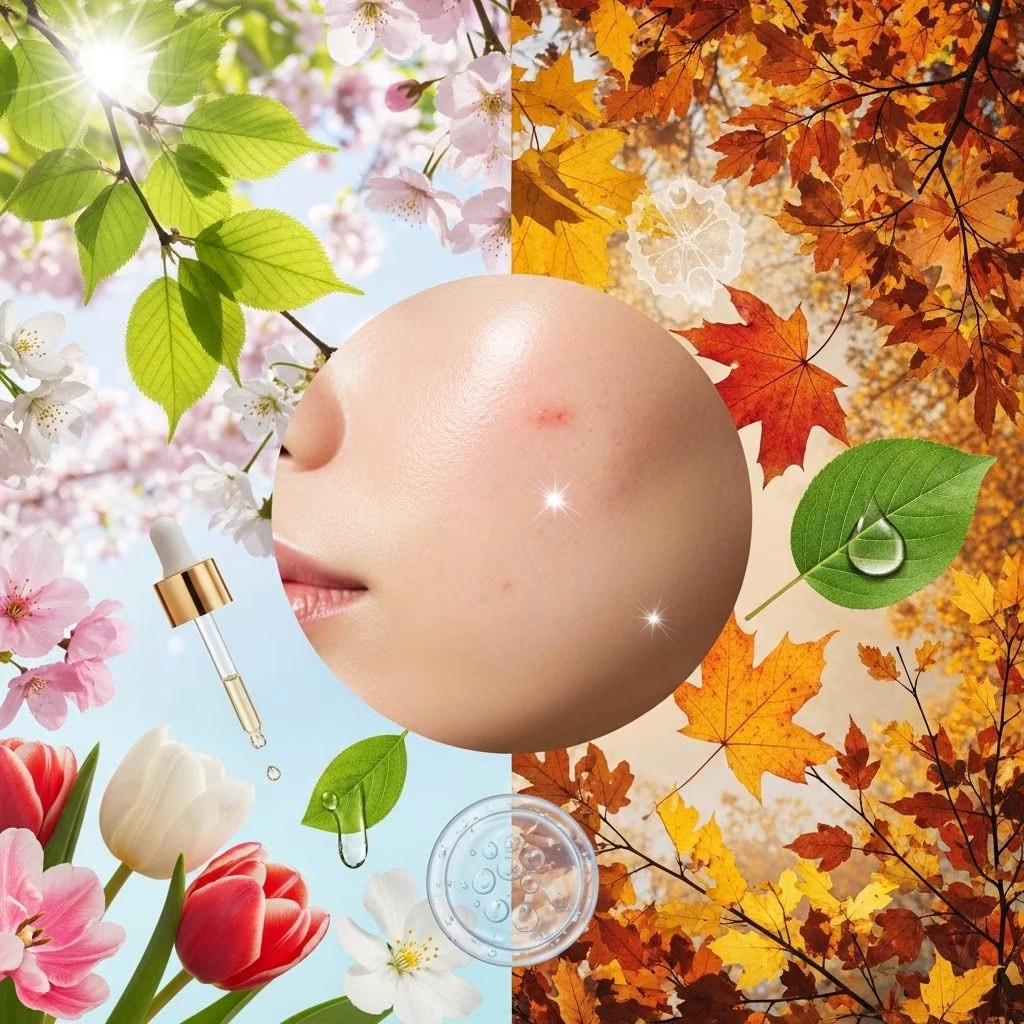
Acne is a persistent concern for people of all ages, but many notice that their skin acts up particularly as the seasons shift, especially in spring and autumn. These transitional times can wreak havoc on even the most diligent skincare routines. Understanding why seasonal acne occurs and how to adjust your skincare accordingly is key to achieving clearer and healthier skin year-round.
What is Seasonal Acne?
Seasonal acne refers to the tendency for breakouts to increase or worsen during specific times of the year, most notably during the transitions between seasons such as spring and autumn. During these periods, environmental changes—like shifts in temperature, humidity, and sun exposure—can throw off your skin’s equilibrium, resulting in clogged pores and inflamed skin.
Key facts:
- Skin is highly responsive to environmental conditions such as temperature, humidity, and UV exposure.
- Rapid or marked changes destabilize natural oil production and disrupt the skin barrier.
- Spring and autumn are particularly notable due to dramatic fluctuations in weather and lifestyle habits.
How Seasonal Changes Affect Acne
Just as your wardrobe changes with the weather, so should your skincare routine. Key environmental variables that affect your skin include:
- Temperature: Warmer or cooler weather alters how active your sebaceous (oil) glands are.
- Humidity: High humidity often increases oiliness; low humidity dries out the skin.
- UV Exposure: Sunlight can trigger inflammation and post-inflammatory pigmentation, particularly in acne-prone skin.
- Allergens: Spring pollen and fall mold spores can cause not just allergies, but additional skin irritation.
Why Acne Worsens in Spring
The arrival of spring brings warmer days, increased humidity, and more time spent outdoors. While many people look forward to the end of winter dryness, spring can introduce new skin challenges:
- Increased Sebum (oil) Production: Higher temperatures activate oil glands, leading to more oil on the skin’s surface.
- More Sweat: Greater outdoor activities and rising temperatures cause increased sweating. Sweat mixes with sebum and dirt, resulting in clogged pores and potential breakouts.
- Pore Clogging: As sweat and oil interact with sunscreen, makeup, and environmental pollutants, your pores are more likely to become blocked.
- Change in Skincare Products: Heavier moisturizers from winter may not be replaced quickly with lighter, spring-appropriate formulas, contributing to occlusion.
- Outdoor Allergens: Plants release pollen and other allergens that can irritate sensitive skin.
- Frustration for All Ages: Spring acne can affect teens going to prom, adults enjoying the sunlight, and everyone in between.
To counter these effects, experts recommend switching to non-comedogenic products, cleansing after sweating, and being diligent with lightweight sun protection.
Autumn Breakouts: The Fall Flare-Up
Autumn—when hot, humid days are replaced by cooler, drier air—also sees a rise in skin issues for many. The reasons stem from both summer’s lingering impact and the onset of new environmental stressors:
- Residual Oil Production: After summer, skin may still be producing oil at higher levels, even as ambient humidity drops.
- Dead Skin Cell Buildup: Cooler weather and drier air prompt dehydration of the outer skin, leading to accumulation of dead skin cells which clog pores.
- Skin Barrier Disruption: Fluctuating temperatures and dry air impair the protective outer layer, making skin more susceptible to bacteria and inflammation.
- Fall Allergens: Mold, decaying leaves, and even increased indoor heating can irritate the skin.
The combination of leftover summer oil, new seasonal dryness, and accumulation of dead skin creates the perfect environment for breakouts, especially in September and October.
The Science Behind Seasonal Acne
Understanding the root causes of acne formation is crucial to its successful management. Acne develops due to the intersection of several biological factors, all of which can be aggravated by seasonal shifts:
- Excess Sebum: Oil glands ramp up sebum production in response to temperature and humidity.
- Follicular Occlusion: Oil mixed with dead skin gets trapped in hair follicles, blocking pores.
- Bacterial Growth: The blocked pores create an oxygen-poor environment ideal for Cutibacterium acnes (formerly Propionibacterium acnes), which multiplies and triggers inflammatory responses.
- Inflammation: The immune response to bacteria and damaged skin cells promotes redness, swelling, and the visible symptoms of acne.
Seasonal factors like sun exposure, sweat, and rapid shifts between dry and humid weather amplify one or all components of this acne-causing ‘perfect storm’.
Table: How Seasons Affect Acne Pathways
| Environmental Factor | Acne Mechanism | Spring | Autumn |
|---|---|---|---|
| Humidity | Increases oiliness, clogs pores | High | Moderate to Low |
| UV exposure | Inflammation, hyperpigmentation | Rising (more outdoor time) | Falling (but still present early) |
| Sweat | Mixes with sebum and dirt | High (sports, activities) | Variable (indoor heating) |
| Dead skin cells | Pore blockage | Moderate | High (dry air) |
Common Triggers and Risk Factors
Some individuals are more prone to seasonal acne than others. Key risk factors include:
- Genetics: Family history of acne increases susceptibility.
- Skin Type: Oily and combination skin types are more affected by humidity and sweat.
- Lifestyle: Athletes and those with increased outdoor exposure (sports, gardening, outdoor jobs) experience more sweat-induced breakouts.
- Hormones: Puberty, menstruation, and stress all influence breakouts and may be compounded by environmental changes.
- Improper Skincare: Failure to switch products to match the season (e.g., not choosing lighter moisturizers in spring) exacerbates problems.
Prevention Strategies for Seasonal Acne
The best way to combat seasonal acne is a combination of proactive prevention and responsive care. Dermatologists recommend the following strategies:
- Switch to Non-Comedogenic Products: Especially important in warmer weather or when humidity rises. Look for products labeled “non-comedogenic” and free of heavy oils.
- Cleanse Skin Regularly: Cleanse morning and night, and always after heavy sweating. Consider gentle exfoliation to remove dead skin cells (no more than 2-3 times per week).
- Adapt Moisturizer to the Season: Use lighter, gel-based, or water-based moisturizers in the spring and autumn. Avoid heavy creams unless your skin is extremely dry.
- Protect Against UV Exposure: Use an oil-free sunscreen whichever season you are in. Reapply if you sweat or after washing your face.
- Shower Promptly After Outdoor Activities: Sweat, sunscreen, and dirt should be washed away soon after activity to prevent buildup.
- Wear Breathable Clothing: Loose, natural fibers reduce friction and allow skin to breathe, minimizing acne mechanica (breakouts from friction and occlusion).
- Avoid Heavy Makeup: Swap out occlusive foundations for lighter, mineral formulations.
- Support Your Skin Barrier: Look for products with ceramides, hyaluronic acid, or niacinamide to maintain a healthy barrier function.
- Manage Stress and Allergens: Allergies are more plentiful in transition seasons; treat underlying allergies and avoid skin irritants where possible.
Treatment Options for Seasonal Acne
If prevention isn’t enough and breakouts occur, several treatment avenues are available. For mild to moderate acne:
- Topical Treatments: Use over-the-counter (OTC) treatments such as benzoyl peroxide, salicylic acid, or adapalene. These reduce bacterial count, skin inflammation, and unclog pores.
- Spot Treatments: Apply directly to the affected area, preferably at the first sign of a breakout.
- Prescription Options: For stubborn cases, consult a dermatologist who may prescribe topical or oral antibiotics, retinoids, or other medications tailored to your skin type and lifestyle.
- Sunscreen for Sensitive Skin: Mineral-based sunscreens with zinc oxide or titanium dioxide tend to be less irritating for acne-prone skin.
- Professional Procedures: Options like chemical peels, light therapy, or extractions can be helpful in recalcitrant cases.
For severe or cystic acne, always seek medical advice. Correct diagnosis and treatment are critical to avoid scarring.
Lifestyle and Hygiene Adjustments
- Change and Wash Linens Frequently: Pillowcases, hats, and towels easily accumulate oils and bacteria.
- Keep Hair Clean and Off the Face: Oily hair can contact skin and promote comedones.
- Hydrate Well: Both spring and autumn can see shifts in hydration needs; drink adequate water and use hydrating products as needed.
- Monitor Diet: While evidence is mixed, some report breakouts after consuming dairy or high-glycemic foods, though more research is needed.
- Practice Mindful Stress Management: Stress hormones exacerbate acne. Meditation, sufficient rest, and relaxation help maintain balance.
Frequently Asked Questions (FAQs)
Q: Are breakouts in spring and autumn common for everyone?
A: Most people experience some degree of skin change as seasons shift, though severity varies by genetics, lifestyle, and skincare habits.
Q: Should I use the same skincare products year-round?
A: No. Seasonal changes call for modifications – for example, using lighter products in warm weather and heavier moisturizers in cold, dry air.
Q: Does diet play a role in seasonal acne flare-ups?
A: Diet can influence acne to some extent, especially high-glycemic and dairy-rich diets, but environmental factors are more significant triggers during transition seasons.
Q: Is it necessary to see a dermatologist?
A: If self-care and OTC treatments do not work, consult a dermatologist. They can prescribe tailored medications and help manage more severe or persistent acne outbreaks.
Q: How can I tell if my sunscreen or skincare products are worsening my acne?
A: Look for labels that say “non-comedogenic,” “oil-free,” or “won’t clog pores.” Do patch tests before fully switching products, especially during seasonal changes.
Q: What about sweat pimples from spring sports?
A: Sweat pimples occur when sweat and oil get trapped by tight clothing and gear. Showering immediately after activities and wearing breathable fabrics can help prevent these breakouts.
Conclusion: Embracing Clearer Skin All Year
Seasonal acne in spring and autumn can be challenging, but it’s manageable with awareness, prevention, and the right skincare adaptations. By understanding why your skin acts up during these transitional times—and responding proactively—you can minimize flare-ups and enjoy healthier, clearer skin throughout the year. For persistent or severe acne, professional guidance from a dermatologist remains the best approach.
References
- https://www.schweigerderm.com/skin-care-articles/acne/seasonal-acne-why-breakouts-change-with-the-weather/
- https://www.olanskydermatology.com/acne-solutions-and-treatment-options-for-spring/
- https://slmdskincare.com/blogs/learn/springtime-acne-prone-skin-tips
- https://stellishealth.com/understanding-seasonal-acne/
- https://www.codexlabscorp.com/blogs/skincare/why-does-acne-flare-up-in-spring-summer-or-with-warmer-weather
- https://health.clevelandclinic.org/sweat-pimples
- https://www.teladochealth.com/library/article/prevent-winter-acne-expert-tips
- https://www.altitudedermatology.com/blog-post/how-seasonal-changes-affect-skin-conditions


