


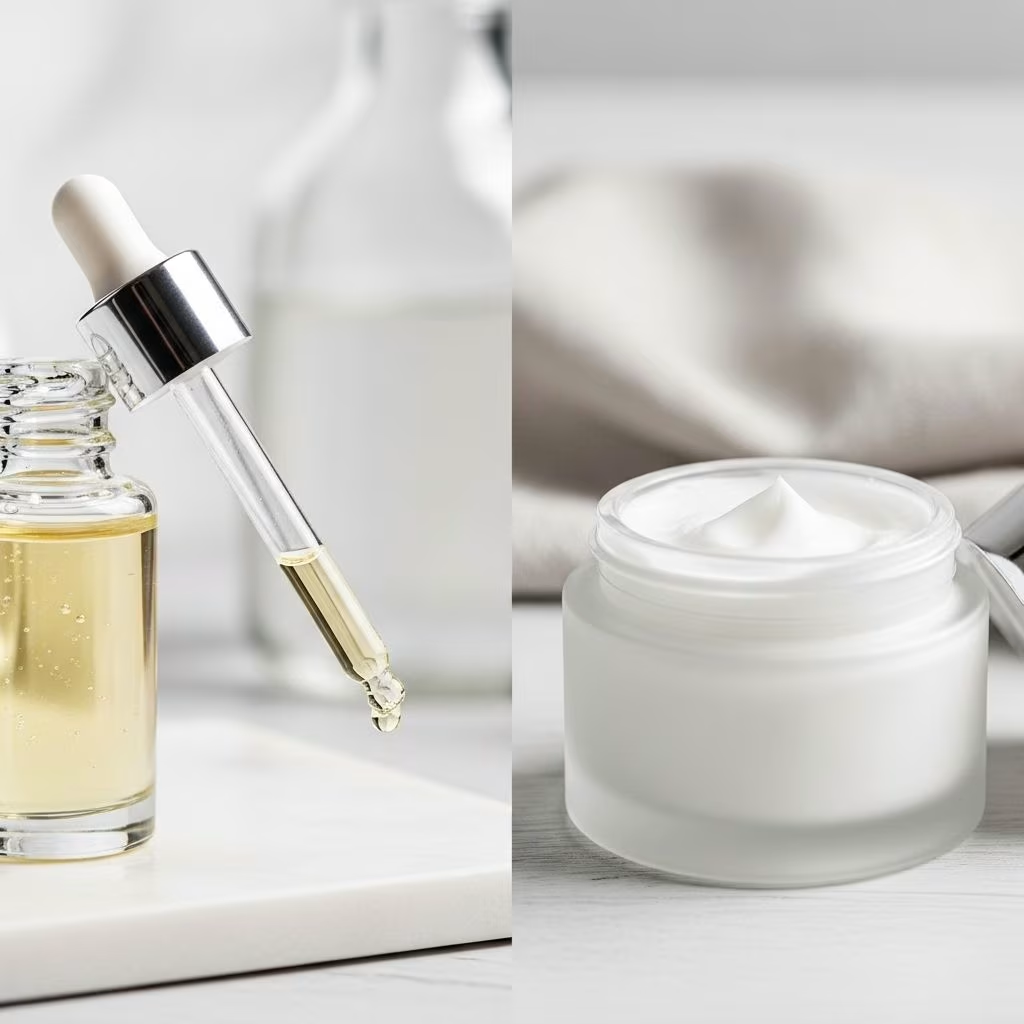
Introduction to Serums and Creams
Skincare routines often involve a variety of products, each serving a specific purpose. Two of the most integral components are serums and creams. Both are designed to benefit the skin, but they differ significantly in their formulation, function, and application. This article will delve into the differences between serums and creams, exploring their textures, purposes, and how they work within a skincare routine.
Understanding Serums
Serums are lightweight, fast-absorbing formulas packed with high concentrations of active ingredients. They are designed to penetrate deep into the skin, addressing specific concerns such as aging, dullness, and acne. Common active ingredients in serums include hyaluronic acid, vitamin C, niacinamide, and peptides. Serums are typically applied after cleansing and before moisturizing, serving as the treatment step in a skincare routine.
Key Characteristics of Serums:
- Texture: Thin, often gel- or water-based, allowing for quick absorption.
- Purpose: Targets specific skin concerns by delivering active ingredients deeply into the skin.
- Active Ingredients: High concentrations of ingredients like hyaluronic acid, vitamin C, and peptides.
- Application: Applied after cleansing and before moisturizing.
Understanding Creams
Creams are thicker and richer than serums, providing surface-level hydration and moisture retention. They are designed to lock in the benefits of previous skincare steps, such as serums, and create a protective barrier on the skin’s surface. This helps prevent water loss and soothe dryness. Creams often contain occlusive agents like shea butter or squalane and barrier-strengthening ingredients like ceramides.
Key Characteristics of Creams:
- Texture: Thicker and creamier, creating a protective layer on the skin.
- Purpose: Moisturizes and protects the skin, supporting the skin barrier.
- Active Ingredients: May include occlusive agents and barrier-strengthening ingredients.
- Application: Applied after serums to seal in benefits.
Comparison Table: Serums vs. Creams
| Feature | Serum | Cream |
|---|---|---|
| Texture | Lightweight, liquid or gel | Thick, creamy |
| Purpose | Treats specific concerns | Moisturizes and protects |
| Absorption | Deep into skin | Mostly stays on surface |
| Use Case | Targeted treatment | Hydration and barrier support |
| When to Apply | After cleansing, before moisturizer | After serum |
Do You Need Both a Serum and a Cream?
Yes, incorporating both serums and creams into your skincare routine can be beneficial. Serums address specific skin concerns by delivering active ingredients deeply, while creams provide hydration and support the skin barrier, ensuring that the benefits of serums are retained. This complementary approach helps maintain long-term skin health.
How to Layer Serum and Cream Correctly
To maximize the effectiveness of your skincare products, it’s essential to layer them correctly:
- Cleanse: Start with a gentle cleanser to prepare the skin.
- Apply Serum: Use 1–2 drops on clean, damp skin to enhance absorption.
- Wait: Let the serum absorb for about 30 seconds.
- Apply Cream: Follow with a moisturizer to lock in the benefits.
Choosing the Right Product Based on Skin Concerns
When selecting between serums and creams, consider your primary skin concerns:
| Skin Concern | Use a Serum | Use a Cream |
|---|---|---|
| Fine lines & wrinkles | Vitamin C or retinol serum | Peptide or ceramide cream |
| Dullness & uneven tone | Brightening serum | Hydrating cream |
| Dehydration | Hyaluronic acid serum | Squalane-rich cream |
| Barrier repair | Niacinamide serum | Ceramide cream |
FAQs
Q: What is the primary difference between serums and creams?
A: Serums are lightweight and designed to penetrate deep into the skin, addressing specific concerns, while creams are thicker and provide surface-level hydration and protection.
Q: Should I use a serum or a cream first?
A: Always apply a serum before a cream. Serums deliver active ingredients deep into the skin, and creams help lock in those benefits.
Q: Can I use both serums and creams together?
A: Yes, using both can be beneficial. Serums provide targeted treatments, while creams support hydration and barrier function.
Q: How often should I apply serums and creams?
A: Serums can be applied once or twice a day depending on the product, while creams are typically applied morning and night to maintain hydration.
Conclusion
Both serums and creams are essential components of a comprehensive skincare routine. Understanding their differences and roles can help you maximize their benefits, leading to healthier, more resilient skin. By combining these products effectively, you can address specific skin concerns while maintaining overall skin health.
References
- https://villagedermatology.net/what-is-the-difference-between-a-serum-and-a-cream/
- https://infuse-skin.com/blogs/news/serums-vs-creams
- https://lovekinship.com/blogs/news/serum-or-moisturizer-first
- https://www.revivalabs.com/whats-the-difference-between-a-serum-gel-cream-or-lotion/
- https://shikobeauty.com/blogs/how-tos/serum-vs-essence-vs-emulsion-moisturizer
- https://brickellmensproducts.com/blogs/grooming-manual/serums-vs-creams-whats-the-difference
- https://misshaus.com/blogs/blog/serum-or-moisturizer-which-comes-first


