


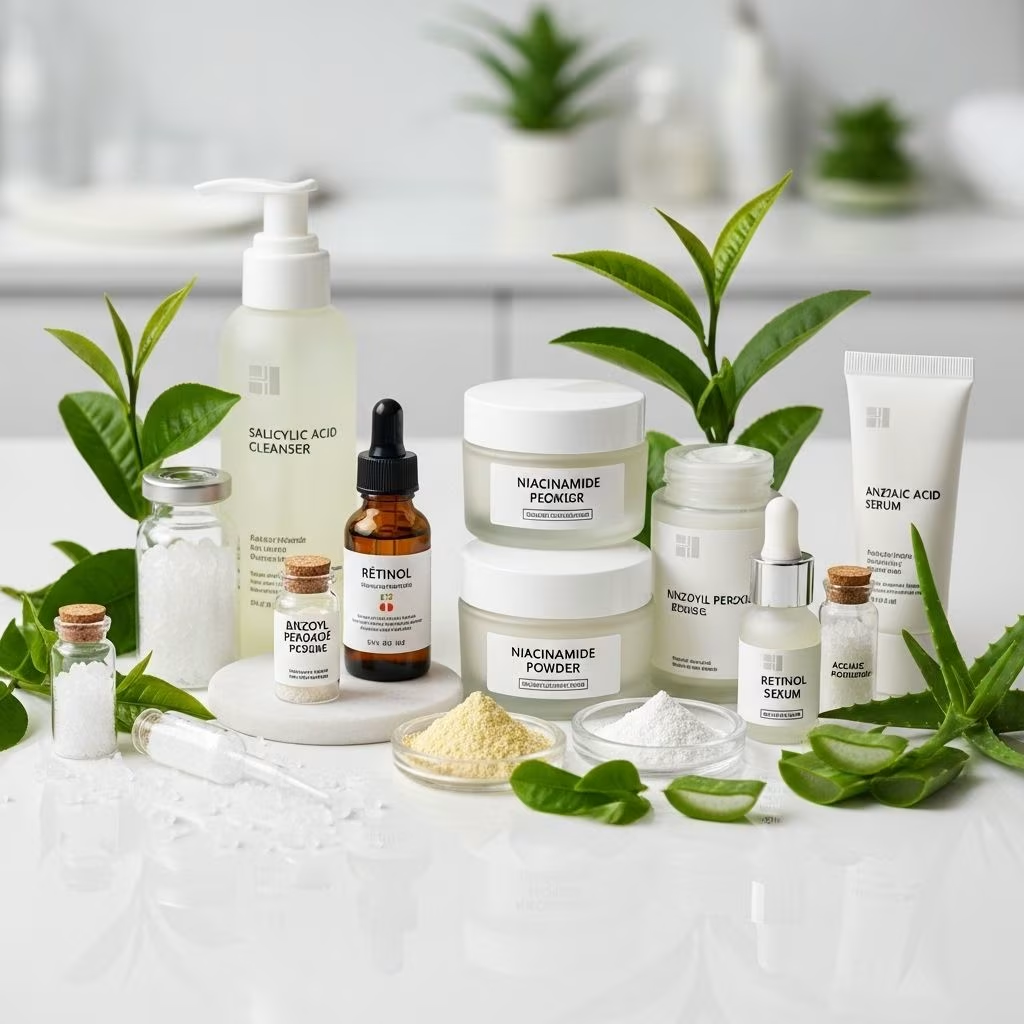
Dealing with acne-prone skin requires more than just a basic cleansing routine. The key to achieving clear, healthy skin lies in understanding and incorporating the right active ingredients into your skincare regimen. Active ingredients are powerful compounds specifically formulated to target acne at its source, whether that’s clogged pores, excess oil production, bacteria, or inflammation. This comprehensive guide explores the most effective actives for acne-prone skin, how they work, and how to use them safely for optimal results.
Understanding Acne and Active Ingredients
Acne develops when hair follicles become clogged with oil and dead skin cells, creating an environment where bacteria can thrive. This process leads to inflammation, resulting in various types of blemishes including whiteheads, blackheads, papules, pustules, and cystic acne. Active ingredients work through different mechanisms to address these underlying causes, making them essential components of any effective acne treatment strategy.
The term “active ingredient” refers to components in skincare products that have been scientifically proven to produce specific therapeutic effects. Unlike inactive or supporting ingredients, actives directly target skin concerns and produce measurable results. For acne-prone skin, these ingredients typically work by exfoliating dead skin cells, reducing oil production, killing bacteria, or reducing inflammation.
Understanding how different actives work helps you choose the right treatments for your specific type of acne. Some actives excel at preventing clogged pores, while others focus on reducing existing inflammation or preventing bacterial growth. The most effective acne treatment plans often incorporate multiple actives that work synergistically to address acne from various angles.
Beta Hydroxy Acids: Salicylic Acid
Salicylic acid stands as one of the most widely recommended actives for acne-prone skin, and for good reason. As a beta hydroxy acid derived from willow bark, salicylic acid possesses a unique oil-soluble nature that sets it apart from other exfoliating acids. This oil solubility allows it to penetrate deep into pores, dissolving the sebum and cellular debris that contribute to acne formation.
The mechanism of action for salicylic acid involves breaking down the bonds between dead skin cells, facilitating their removal from the skin’s surface. Unlike water-soluble alpha hydroxy acids that primarily work on the skin’s surface, salicylic acid can travel through the lipid layers of the skin, making it exceptionally effective at unclogging pores from within. This deep-penetrating action makes salicylic acid particularly beneficial for blackheads and whiteheads.
Beyond its exfoliating properties, salicylic acid offers anti-inflammatory and antibacterial benefits. These additional properties help reduce the redness and swelling associated with active breakouts while simultaneously preventing new acne from forming. The combination of exfoliation, pore-clearing, and anti-inflammatory effects positions salicylic acid as one of the best ingredients for treating acne scars and preventing future breakouts.
Products containing salicylic acid typically range from 0.5% to 2% concentration for over-the-counter formulations. Modern formulations like Biogenic Sallic-210 offer encapsulated and stabilized forms that deliver up to 2% water-soluble salicylic acid without causing skin irritation or recrystallization. This innovation allows for more effective delivery while minimizing the dryness and irritation traditionally associated with salicylic acid treatments.
When incorporating salicylic acid into your routine, start with lower concentrations and gradually increase as your skin builds tolerance. Those with dry or sensitive skin should exercise particular caution, as salicylic acid can cause dryness, peeling, and redness. Pregnant individuals should consult with healthcare providers before using salicylic acid products, as high concentrations may pose risks during pregnancy.
Benzoyl Peroxide: The Bacterial Fighter
Benzoyl peroxide has maintained its position as a gold-standard acne treatment for over five decades, demonstrating consistent efficacy in combating acne-causing bacteria. This active ingredient works primarily by targeting Propionibacterium acnes, the bacteria responsible for inflammatory acne lesions. By releasing oxygen into the pores, benzoyl peroxide creates an environment hostile to these anaerobic bacteria, effectively reducing their population and preventing new breakouts.
The antibacterial action of benzoyl peroxide occurs rapidly, making it an excellent choice for treating active breakouts. Unlike antibiotics, bacteria do not develop resistance to benzoyl peroxide, ensuring its long-term effectiveness as an acne treatment. This characteristic makes benzoyl peroxide particularly valuable for individuals who require ongoing acne management.
Benzoyl peroxide is available in concentrations ranging from 2.5% to 10%, with higher percentages not necessarily providing better results. Research suggests that lower concentrations like 2.5% can be just as effective as 10% formulations while causing less irritation. The 4% concentration offers a middle ground, providing strong antibacterial action with manageable side effects for most users.
When selecting benzoyl peroxide products, opt for formulations developed with dermatologists that include skin-soothing ingredients. Products should ideally be fragrance-free to minimize irritation risk. Benzoyl peroxide cleansers work well for both facial and body acne, allowing the active ingredient to work during cleansing without requiring extended contact time that might increase irritation.
One important consideration with benzoyl peroxide involves its bleaching properties. This active can discolor fabrics, including towels, pillowcases, and clothing. Using white towels and pillowcases or allowing the product to fully absorb before contact with fabrics helps prevent unwanted bleaching. Additionally, benzoyl peroxide can increase sun sensitivity, making daily sunscreen application essential when using this active ingredient.
Alpha Hydroxy Acids for Acne Treatment
Alpha hydroxy acids represent another class of chemical exfoliants beneficial for acne-prone skin. Unlike the oil-soluble salicylic acid, AHAs are water-soluble and work primarily on the skin’s surface. The most common AHA used for acne treatment is glycolic acid, derived from sugar cane, which offers the smallest molecular size among AHAs, allowing for effective penetration.
Glycolic acid works by dissolving the bonds holding dead skin cells together, promoting their shedding and revealing fresher, clearer skin beneath. This exfoliating action helps prevent pores from becoming clogged with dead skin cells and excess sebum, addressing one of the primary causes of acne formation. Regular use of glycolic acid can improve skin texture, reduce the appearance of acne scars, and promote overall skin clarity.
For acne-prone skin, glycolic acid concentrations typically range from 5% to 10% in over-the-counter products. Professional treatments may use higher concentrations, but these should only be administered by trained skincare professionals. The exfoliating action of glycolic acid makes it particularly effective when combined with other acne-fighting ingredients, creating comprehensive treatment approaches.
AHAs work best for surface-level acne concerns, including texture irregularities, mild breakouts, and post-inflammatory hyperpigmentation left behind by previous acne lesions. While they don’t penetrate pores as deeply as salicylic acid, their surface-level exfoliation complements deeper-acting treatments. AHAs also increase sun sensitivity significantly, making rigorous sun protection absolutely essential when incorporating these acids into your routine.
Retinoids: Vitamin A Derivatives
Retinoids represent one of the most powerful classes of actives for treating acne-prone skin. These vitamin A derivatives work through multiple mechanisms, including increasing cell turnover, preventing pore blockages, and reducing inflammation. Adapalene, a topical retinoid available in over-the-counter formulations, has gained particular recognition for its effectiveness in treating various forms of acne.
The mechanism by which retinoids combat acne involves normalizing the keratinization process within hair follicles. Abnormal keratinization contributes to pore blockages, and retinoids help regulate this process, preventing the formation of comedones. Additionally, retinoids possess anti-inflammatory properties that help reduce the redness and swelling associated with inflammatory acne lesions.
Adapalene is available in 0.1% gel formulations over the counter, while stronger concentrations and different formulations require prescriptions. This retinoid has demonstrated effectiveness against blackheads, whiteheads, and inflammatory papules. Recent combination formulations pairing adapalene with benzoyl peroxide have shown enhanced efficacy, with the adapalene 0.3% and benzoyl peroxide 2.5% combination proving particularly effective for treating acne vulgaris.
Retinoids require patience, as results typically take 8-12 weeks to become noticeable. During the initial weeks of use, some individuals experience a “purging” period where acne temporarily worsens before improving. This occurs as the retinoid accelerates cell turnover, bringing underlying congestion to the surface more quickly. Persistence through this phase usually leads to significant improvement in skin clarity.
When introducing retinoids, start with application 2-3 times per week, gradually increasing frequency as tolerance builds. Apply retinoids to completely dry skin, as moisture can increase penetration and potential irritation. Retinoids significantly increase photosensitivity, making daily broad-spectrum sunscreen application non-negotiable. Pregnant or nursing individuals should avoid retinoids entirely due to potential risks.
Niacinamide: The Multi-Tasker
Niacinamide, also known as vitamin B3, has emerged as a versatile active ingredient offering multiple benefits for acne-prone skin. This water-soluble vitamin works through several mechanisms to improve skin health, including regulating sebum production, strengthening the skin barrier, and providing anti-inflammatory effects. Its gentle nature makes it suitable for most skin types, including sensitive skin.
One of niacinamide’s primary benefits for acne-prone skin involves its ability to regulate sebum production. Excessive oil production contributes significantly to acne development, and niacinamide helps normalize this process without causing the dryness associated with many other acne treatments. This sebum-regulating effect makes niacinamide particularly valuable for individuals with oily, acne-prone skin.
The anti-inflammatory properties of niacinamide help reduce the redness and irritation associated with active breakouts. This makes it an excellent complement to more aggressive acne treatments, helping to soothe skin while other actives work to clear blemishes. Niacinamide also supports the skin’s barrier function, helping to maintain proper hydration and protect against environmental stressors that can exacerbate acne.
Niacinamide is typically used in concentrations ranging from 2% to 5% in skincare products, though formulations up to 10% are available. This active ingredient plays well with others, making it easy to incorporate into routines containing multiple actives. Unlike many other acne treatments, niacinamide doesn’t increase sun sensitivity, though sunscreen remains essential for overall skin health.
Research has shown that niacinamide can also help fade post-inflammatory hyperpigmentation, the dark spots left behind after acne heals. This additional benefit makes it valuable for addressing both active breakouts and their aftermath. The combination of sebum regulation, anti-inflammatory effects, and barrier support positions niacinamide as an essential component of comprehensive acne treatment routines.
Azelaic Acid: The Gentle Alternative
Azelaic acid represents a naturally occurring compound offering antibacterial, anti-inflammatory, and keratin-regulating properties. This multi-functional active ingredient provides an excellent option for individuals seeking effective acne treatment with potentially less irritation than some other actives. Azelaic acid works particularly well for those dealing with both acne and hyperpigmentation.
The antibacterial properties of azelaic acid help combat the bacteria responsible for acne formation. Additionally, it possesses anti-inflammatory effects that reduce redness and swelling associated with breakouts. Perhaps most notably, azelaic acid helps prevent the buildup of keratin, a protein that can contribute to clogged pores when it accumulates excessively.
Azelaic acid demonstrates particular effectiveness against post-inflammatory hyperpigmentation and rosacea-related redness, making it valuable for individuals dealing with multiple skin concerns simultaneously. Over-the-counter formulations typically contain 10% azelaic acid, while prescription-strength products may contain up to 20%. The lower concentration products work well for maintaining clear skin and addressing mild acne.
One advantage of azelaic acid involves its tolerability profile. While some initial tingling or mild irritation may occur, many individuals find azelaic acid gentler than alternatives like retinoids or high-percentage salicylic acid. This makes it suitable for sensitive skin types or those who have experienced excessive dryness or irritation with other acne treatments.
Natural Actives for Acne
Natural active ingredients offer gentler alternatives or complementary treatments for acne-prone skin. These botanically-derived compounds can provide effective results while typically causing less irritation than synthetic actives. Understanding the benefits and limitations of natural actives helps you make informed decisions about incorporating them into your skincare routine.
Willow Bark Extract: As the natural source of salicin, a compound similar to salicylic acid, willow bark offers gentle exfoliating properties. This botanical active helps unclog pores and promote cell turnover while providing anti-inflammatory benefits. Willow bark can actually heal existing acne while preventing future flare-ups, making it valuable for ongoing acne management. Its gentler nature compared to synthetic salicylic acid makes it suitable for sensitive skin types.
Tea Tree Oil: This essential oil possesses natural antibacterial and anti-inflammatory properties that help combat acne-causing bacteria. Tea tree oil works particularly well for spot treatments on individual blemishes. When using tea tree oil, always dilute it properly, as undiluted application can cause significant irritation. A concentration of 5% tea tree oil has shown effectiveness comparable to 5% benzoyl peroxide with fewer side effects.
Green Tea Extract: Rich in polyphenols and antioxidants, green tea extract provides anti-inflammatory and antibacterial benefits. These properties help reduce redness and combat acne-causing bacteria while protecting skin from oxidative stress. Green tea extract works well in combination with other actives, enhancing overall treatment effectiveness without increasing irritation risk.
Aloe Vera: While primarily known for its soothing properties, aloe vera also offers antibacterial benefits that support acne treatment. Its hydrating and calming effects make it valuable for soothing irritated, acne-prone skin, particularly when using more aggressive active ingredients. Aloe vera helps maintain skin barrier integrity while other actives work to clear blemishes.
Dipotassium Glycyrrhizate: Derived from licorice, this ingredient offers soothing anti-inflammatory properties ideal for calming irritated skin. It helps regulate sebum production while providing skin conditioning benefits. Typically used at concentrations between 0.05% and 0.5%, dipotassium glycyrrhizate enhances product performance while delivering gentle care for sensitive, acne-prone skin.
Sulfur and Clay-Based Treatments
Sulfur has served as an acne treatment for hundreds of years, maintaining its relevance in modern skincare due to its multifaceted benefits. This abundant element works as a keratolytic agent, meaning it softens and thins the epidermis to prevent clogged pores. Sulfur removes dead skin cells that block pores while helping eliminate excess oil that can lead to breakouts.
The mechanism of sulfur involves reducing bacteria growth on the skin’s surface while promoting the shedding of dead skin cells. These dual actions make sulfur particularly effective for oily, acne-prone skin. Sulfur is often combined with other active ingredients like salicylic acid or benzoyl peroxide to enhance overall effectiveness, creating comprehensive treatment approaches.
One consideration with sulfur involves its distinctive odor, which can be unpleasant for some users. Modern formulations have worked to minimize this issue, but testing products before committing to regular use remains advisable. Additionally, sulfur can cause dryness, making proper moisturization essential when incorporating sulfur-based treatments into your routine.
Clay Treatments: Various types of clay, including kaolin and bentonite, offer excellent benefits for acne-prone skin. Clays work by absorbing excess oil from the skin’s surface while drawing out impurities from pores. This purifying action helps prevent new breakouts while improving overall skin clarity. Clay masks provide intensive treatment that complements daily active ingredient use.
Different clays offer varying levels of absorption and suitability for different skin types. Kaolin clay provides gentle absorption suitable for sensitive skin, while bentonite clay offers more intensive oil control for very oily skin types. Using clay treatments 1-2 times weekly helps maintain clear skin without over-drying, making them valuable additions to comprehensive acne treatment regimens.
Combining Actives Safely
While individual active ingredients offer significant benefits, strategic combination of multiple actives can enhance treatment effectiveness. However, combining actives requires careful consideration to avoid excessive irritation, compromised skin barrier function, or reduced effectiveness due to incompatible ingredients. Understanding which actives work well together helps you build effective, safe treatment routines.
Safe Combinations: Niacinamide combines well with nearly all other actives, making it an excellent foundation ingredient. Pairing niacinamide with salicylic acid or benzoyl peroxide provides enhanced results while the niacinamide helps minimize irritation. Azelaic acid works well with niacinamide, creating gentle yet effective treatment combinations suitable for sensitive skin.
Retinoids can be combined with benzoyl peroxide, as demonstrated by successful prescription combination products. However, when layering these ingredients separately, apply them at different times of day to minimize irritation. Using benzoyl peroxide in the morning and retinoids at night provides effective treatment without overwhelming the skin.
Combinations to Approach with Caution: Combining multiple exfoliating acids requires careful consideration. Using both AHAs and BHAs together can provide enhanced exfoliation but may cause excessive irritation for many individuals. If combining these acids, use them on alternate days or different times of day while monitoring skin response closely.
Retinoids and vitamin C can potentially destabilize each other when used simultaneously. Using vitamin C in the morning and retinoids at night separates these actives, allowing both to work effectively. Some advanced formulations have addressed stability concerns, but layering these ingredients requires attention to product formulation specifics.
Building Tolerance: When combining multiple actives, introduce them gradually rather than simultaneously. Start with one active ingredient, allow your skin to adjust for several weeks, then introduce additional actives one at a time. This methodical approach helps identify any ingredients causing adverse reactions while allowing your skin to build tolerance progressively.
Building Your Acne Treatment Routine
Creating an effective routine for acne-prone skin involves more than simply applying active ingredients. A comprehensive approach addresses cleansing, treatment, hydration, and protection, ensuring your skin receives everything needed to heal and maintain clarity. The following framework helps you build a routine tailored to your specific needs.
Morning Routine: Begin with a gentle, pH-balanced cleanser that removes overnight oil buildup without stripping skin. Follow with a vitamin C serum or niacinamide treatment to provide antioxidant protection and oil regulation. If using benzoyl peroxide, apply it after these treatments. Always finish with a lightweight, non-comedogenic moisturizer and broad-spectrum SPF 30 or higher sunscreen.
Evening Routine: Start with an oil-based cleanser if wearing sunscreen or makeup, followed by a water-based cleanser for thorough cleansing. Apply treatment actives like salicylic acid, retinoids, or azelaic acid on clean, dry skin. Wait 20-30 minutes after cleansing before applying retinoids to minimize irritation. Follow actives with a nourishing moisturizer to support skin barrier function overnight.
Weekly Treatments: Incorporate clay masks or sulfur treatments 1-2 times weekly for intensive pore-cleansing. These treatments complement daily active ingredient use without contributing to daily routine complexity. Consider gentle exfoliating treatments using AHAs if not using daily chemical exfoliants, ensuring you don’t over-exfoliate skin.
Adjusting Your Routine: Monitor your skin’s response to treatments and adjust accordingly. If experiencing excessive dryness, reduce active ingredient frequency or concentration. If seeing minimal improvement after 8-12 weeks, consider introducing additional actives or consulting a dermatologist for prescription options. Remember that acne treatment requires patience, with most actives requiring several weeks to show results.
Supporting Skin Health: Beyond topical treatments, support skin health through adequate hydration, balanced nutrition, stress management, and sufficient sleep. These factors significantly impact skin condition and treatment effectiveness. Clean pillowcases regularly, avoid touching your face, and remove makeup thoroughly each evening to support your treatment routine’s effectiveness.
Frequently Asked Questions
Q: Can I use multiple active ingredients at once when starting acne treatment?
A: No, it’s best to introduce active ingredients gradually, one at a time, over several weeks. Starting with multiple actives simultaneously can cause excessive irritation and makes it difficult to identify which ingredient might be causing adverse reactions. Begin with one active ingredient, allow your skin to adjust for 2-4 weeks, then introduce additional actives if needed.
Q: How long does it take to see results from acne actives?
A: Most acne treatments require 8-12 weeks to show significant results, though some improvement may be visible sooner. Retinoids typically take the longest at 12 weeks, while benzoyl peroxide may show faster results. Consistency is crucial, as stopping treatment prematurely prevents you from experiencing full benefits. If you see no improvement after 12 weeks, consult a dermatologist.
Q: Should I use different active ingredients for morning and evening routines?
A: Yes, separating actives between morning and evening applications often works best. Use benzoyl peroxide or vitamin C in the morning with sunscreen, and save retinoids or stronger exfoliating acids for evening application. This separation minimizes interaction between actives while allowing each to work effectively during appropriate times.
Q: Why is my acne getting worse after starting treatment with actives?
A: Initial worsening, called “purging,” is common, especially with retinoids and chemical exfoliants. These ingredients accelerate cell turnover, bringing underlying congestion to the surface faster. Purging typically occurs during weeks 2-6 of treatment and should improve afterward. If worsening continues beyond 8 weeks or causes severe irritation, discontinue use and consult a dermatologist.
Q: Do I still need moisturizer if I have oily, acne-prone skin?
A: Yes, moisturizer is essential even for oily, acne-prone skin. Many acne actives can be drying, and skipping moisturizer can actually trigger increased oil production as skin tries to compensate for dehydration. Choose lightweight, oil-free, non-comedogenic moisturizers formulated for acne-prone skin to maintain proper hydration without clogging pores.
Q: Can I use acne actives if I have sensitive skin?
A: Yes, but start with gentler actives like niacinamide, azelaic acid, or willow bark extract. Use lower concentrations and apply less frequently at first. Avoid combining multiple strong actives, and always use a gentle, fragrance-free moisturizer. If you experience persistent irritation, consult a dermatologist for guidance on appropriate treatments for sensitive, acne-prone skin.
Q: Is it necessary to use sunscreen daily when treating acne?
A: Absolutely. Many acne actives, including retinoids, AHAs, BHAs, and benzoyl peroxide, increase sun sensitivity significantly. Daily broad-spectrum SPF 30 or higher sunscreen prevents sun damage, reduces hyperpigmentation risk, and protects healing skin. Choose non-comedogenic, oil-free sunscreens formulated for acne-prone skin to avoid clogging pores.
Q: What should I do if over-the-counter actives aren’t working for my acne?
A: If you’ve used appropriate actives consistently for 12 weeks without significant improvement, consult a dermatologist. They can prescribe stronger treatments like prescription retinoids, oral antibiotics, hormonal therapies, or isotretinoin for severe cases. Professional guidance ensures you receive appropriate treatment for your specific acne type and severity.
References
- https://eightsaintsskincare.com/blogs/page-eight/ready-to-banish-breakouts-for-good-here-are-acne-ingredients-that-work
- https://www.letsmakebeauty.com/blog/post/top-6-acne-fighting-ingredients-essential-actives-for-clear-skin
- https://www.cerave.com/skin-smarts/skin-concerns/acne/benzoyl-peroxide-derm-recommended-best-acne-ingredients
- https://www.webmd.com/skin-problems-and-treatments/acne/features/best-ingredients-for-acne-prone-skin
- https://www.aad.org/public/diseases/acne/diy/adult-acne-treatment
- https://pmc.ncbi.nlm.nih.gov/articles/PMC11266290/
- https://www.skinmedica.com/us/skin-concern/acne-and-blemishes/20078886.html
- https://my.clevelandclinic.org/health/diseases/12233-acne


