


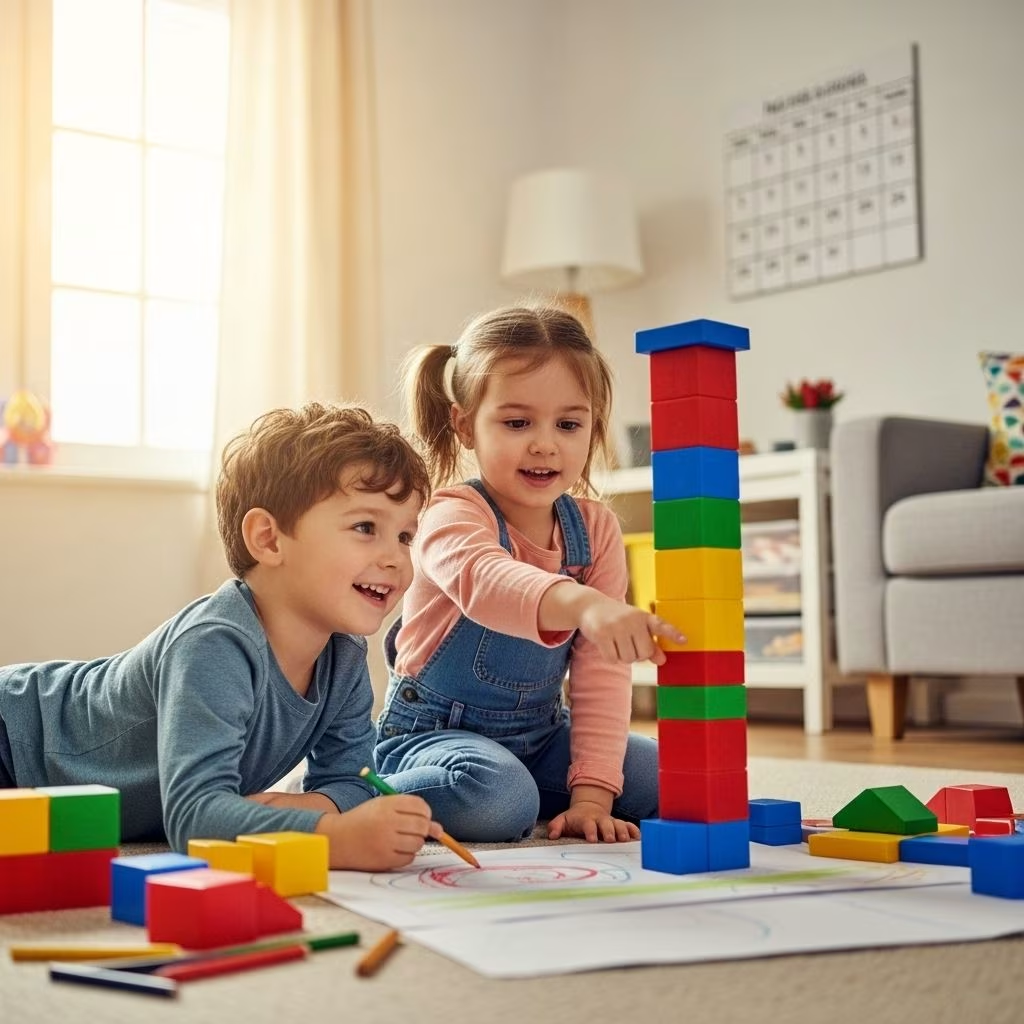
Shared Play Schedule Routine for Sibling Harmony
Creating a shared play schedule routine is an effective way to encourage harmony among siblings. This approach involves organizing playtime in a structured manner to promote teamwork, communication, and mutual understanding. By implementing such a routine, families can help their children develop essential social skills and strengthen their bonds.
Benefits of Shared Play Schedule Routine
Shared play offers numerous benefits for both children and the family as a whole. It:
- Fosters Cooperation and Teamwork: By working together towards a common goal, siblings learn to rely on each other’s strengths and weaknesses, enhancing their ability to collaborate.
- Improves Communication Skills: Shared play encourages siblings to negotiate roles and rules, thereby improving their communication skills.
- Enhances Problem-Solving Abilities: Facing challenges together helps siblings develop problem-solving skills, which are crucial in everyday life.
- Reduces Conflict: Structured play reduces competition and rivalry among siblings, promoting a more harmonious environment.
- Creates Lasting Memories: Engaging in playful activities together helps create cherished family memories.
Implementing a Shared Play Schedule Routine
To effectively implement a shared play schedule routine, consider the following steps:
- Plan Engaging Activities: Choose games or activities that challenge all participants equally, without an obvious winner or loser. Examples include treasure hunts, blindfolded obstacle courses, and team-based board games like Pictionary or Battleships.
- Set Clear Expectations: Explain the rules and objectives to all siblings, ensuring they understand the importance of teamwork and cooperation. Avoid assigning the lead role to a dominant sibling.
- Utilize Reward Systems: Implement a reward chart to motivate siblings to work well together. Positive reinforcement can be highly effective in encouraging collaborative behavior.
- Supervise and Encourage Participation: Monitor the playtime to ensure all children are actively participating. Praise their efforts regularly to maintain a positive atmosphere.
- Make It a Routine: Incorporate shared play into your family’s daily or weekly routine to maintain consistency and make it a habit.
Examples of Shared Play Activities
| Activity | Description |
|---|---|
| Treasure Hunt | A fun activity where siblings work together to solve clues and find hidden treasures. |
| Blindfolded Obstacle Course | Trust-building exercise where one sibling guides another through obstacles. |
| Pictionary | A team-based drawing game that encourages collaboration and communication. |
| Building Forts | A creative activity that fosters teamwork and imaginative play. |
Overcoming Challenges
While implementing a shared play schedule routine, you may encounter challenges such as sibling rivalry or disagreements. Here are some strategies to address these issues:
- Address Dominance Issues: Ensure that no single sibling dominates the playtime. Encourage leadership roles to be shared among siblings.
- Encourage Open Communication: Teach siblings to express their feelings and concerns respectfully during play.
- Set Conflict Resolution Strategies: Teach children how to resolve disputes peacefully and respectfully.
- Be Patient: Building harmony takes time, so remain patient and consistent in your approach.
Role of Parents in Shared Play
Parents play a crucial role in facilitating shared play by setting up a supportive environment and acting as role models for positive behavior.
Key roles include:
- Planning and Supervising: Parents should plan activities and supervise play to ensure active participation and safety.
- Encouraging Cooperation: Parents should model and encourage cooperative behavior, celebrating successes and offering constructive feedback on conflicts.
- Providing Positive Reinforcement: Parents should use positive reinforcement techniques, such as praise or reward charts, to motivate siblings to work well together.
Frequently Asked Questions (FAQs)
Q: Why is shared play important for siblings?
A: Shared play helps siblings develop essential social skills such as communication, cooperation, and problem-solving, while strengthening their bond and creating lasting memories.
Q: How can I ensure that all siblings are actively participating in shared play?
A: By carefully selecting activities that are engaging for all age groups and providing clear instructions and supervision, you can ensure active participation from all siblings.
Q: What should I do if conflicts arise during shared play?
A: Address conflicts promptly by encouraging respectful communication and teaching children how to resolve disputes peacefully. Remain calm and patient, as building harmony takes time.
Q: How often should we have shared play sessions?
A: Aim for at least one dedicated shared play session per week, ideally incorporating it into your family’s routine. Consistency is key to developing a strong bond among siblings.
Q: Can shared play activities be adapted for children with different abilities?
A: Yes, shared play activities should be inclusive and adaptable to accommodate children with different abilities. Ensure that all activities are accessible and enjoyable for all participants.
References
- https://www.supernanny.co.uk/Advice/-/Parenting-Skills/-/Routine-and-Teamwork/Shared-Play-Technique.aspx
- https://childdevelopmentinfo.com/parenting/building-strong-sibling-bonds-through-play/
- https://www.babywisemom.com/structured-playtime-with-siblings/
- https://pathways.org/videos/parents-guide-to-sibling-play
- https://www.precisionfamilytherapy.com/post/the-benefits-of-sibling-involvement-in-at-home-aba-therapy
- https://playto.com/blog/sibling-relationships-in-daycare
- https://www.exchangefamilycenter.org/exchange-family-center-blog/2018/4/10/connecting-with-your-child-through-play-the-surprising-benefits-of-parent-child-playtime
- https://digitalcommons.usu.edu/cgi/viewcontent.cgi?article=9636&context=etd


