


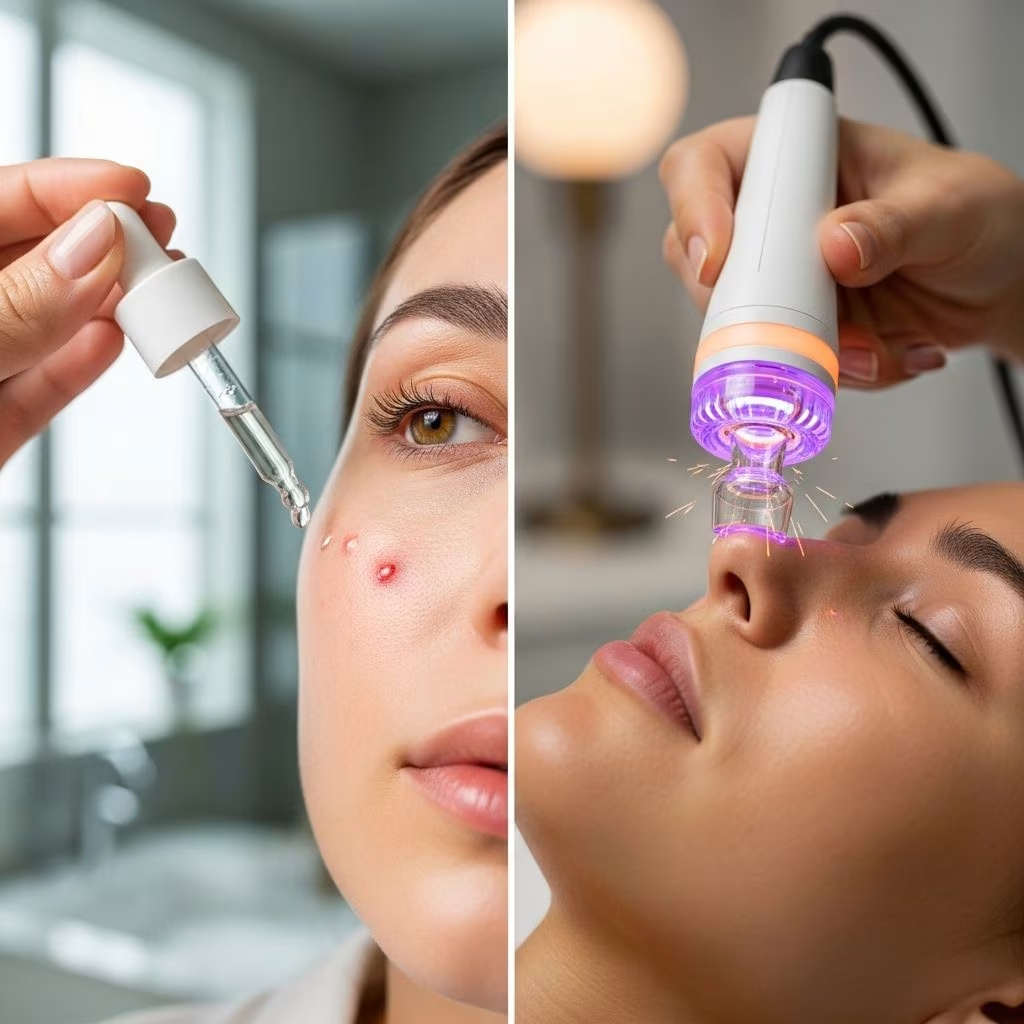
Targeted skincare approaches have evolved remarkably, with both spot treatments and high-frequency wands securing a strong place in acne management and anti-aging routines. This comprehensive guide unveils how each solution works, their comparative benefits, and practical advice for integrating them into your skincare regimen for best results.
Introduction to Targeted Skincare
Modern skincare increasingly emphasizes personalized, targeted therapies for common concerns like acne, pigmentation, and signs of aging. While classic spot treatments offer direct action on blemishes, high-frequency wands represent a leap in skincare technology, promising not just spot treatment but broader rejuvenation benefits through innovative mechanisms.
What Is Spot Treatment?
Spot treatments are topical products specifically formulated to address localized skin issues, primarily acne breakouts, blemishes, or inflamed lesions. These solutions are usually applied only to affected areas, minimizing unnecessary exposure for the rest of the skin.
- Main Ingredients: Common actives include benzoyl peroxide, salicylic acid, sulfur, and more recently, retinoids or niacinamide.
- Purpose: Reduce inflammation, dry out blemishes, kill acne-causing bacteria, and accelerate healing.
- Application: Typically dabbed or dotted on pimples or problem spots, often as the final step in a skincare routine.
- Variations: Available in creams, gels, patches, and serums customized for different skin types and severities of acne.
Popular Types of Spot Treatments
- Benzoyl peroxide creams for bacteria elimination
- Salicylic acid gels for exfoliating clogged pores
- Hydrocolloid patches for absorbing pus and reducing size
- Sulfur-based masks for rapid drying
What Is a High-Frequency Wand?
A high-frequency wand is a handheld device used in professional and at-home settings, employing low-level electrical currents to target skin concerns such as acne, aging, and dullness. Originally developed over a century ago, this technology has gained popularity owing to its versatility, convenience, and multi-targeted effects.
- Mechanism: Emits an alternating electric current via a glass electrode filled with neon or argon gas, producing ozone upon contact with the skin.
- Effects: Ozone generation helps kill bacteria, enhances blood circulation, and stimulates collagen synthesis.
- Attachments: Various electrode shapes (mushroom, spoon, spot, comb) allow tailored treatments for face, scalp, and body.
- Key Uses: Rapidly reduce inflammation, speed up healing for spots, smooth fine lines, calm puffiness, and improve overall skin tone.
Popular High-Frequency Wand Applications
- Acne and cystic breakouts
- Fine lines and early wrinkles
- Puffy eyes and dark circles
- Scalp stimulation for hair growth
How Each Method Works
Spot Treatment: Direct Chemical Action
Spot treatments work through direct application of medical-grade ingredients to inflamed or infected skin. Their mechanisms include:
- Chemical exfoliation to unclog pores (salicylic acid)
- Bacterial eradication (benzoyl peroxide, sulfur)
- Reducing oil production and soothing redness (niacinamide, tea tree oil)
High-Frequency Wand: Electrical and Ozone Therapy
High-frequency wands use alternating electric currents to create heat and ozone at the skin’s surface. The thermal and antibacterial effects produce diverse benefits:
- Ozone kills Propionibacterium acnes and other skin pathogens instantly
- Increases local blood flow, delivering nutrients and oxygen to speed healing
- Induces gentle tissue warming, promoting collagen and elastin synthesis
- Encourages lymphatic drainage and reduces swelling
The result is rapid spot healing, immediate redness reduction, and a jumpstart for skin’s repair.
Effectiveness: Speed, Depth, and Skin Concerns
When comparing spot treatments with high-frequency wands, understanding their efficacy across different parameters is vital.
| Factor | Spot Treatment | High-Frequency Wand |
|---|---|---|
| Speed of Results | Varies (typically 12–72 hrs) | Often immediate on redness/inflammation |
| Depth of Action | Surface-level; penetration depends on ingredient | Limited to epidermis but enhances circulation |
| Best For | Mild to moderate isolated pimples | Cystic acne, inflamed/bigger spots, post-procedure care |
| Adjunct Use | Daily or as needed | 2–5 times weekly, spot or area use |
| Additional Benefits | Minimal; focused on acne | Improves tone, texture, aging signs, scalp/hair care |
- For cystic or stubborn acne: High-frequency wands show faster results and improved healing for large, painful lesions.
- For occasional mild spots: Spot treatments remain practical, cost-effective, and accessible for self-care.
- For broader skin rejuvenation: High-frequency devices may deliver systemic anti-aging and glow-enhancing effects beyond just acne.
Ease of Use and Convenience
- Spot treatment: Extremely simple—apply a small amount directly to the affected area, requires no tools or expertise.
- High-frequency wand: Requires a device, electrode placement, clean dry skin, and brief learning, but treats larger areas in sessions lasting 2–10 minutes.
- Versatility: High-frequency wands serve multiple purposes (acne, aging, swelling, scalp), reducing need for multiple tools, while spot treatments are single-use.
Cost Analysis and Accessibility
- Spot treatments: Low initial cost (often $10–30 per tube/patch), but ongoing expense as products are used up and require repurchase for each new breakout.
- High-frequency wand: Higher upfront investment (from $40 for basic models to $300+ for professional kits), but long-term savings from multi-functionality and device longevity.
- Professional vs. At-home: Both treatments are available at home, but high-frequency devices also allow results comparable to many clinic procedures, potentially reducing spa visit costs.
Cost-Efficiency Verdict
High-frequency wands offer better long-term cost-benefit for those committed to consistent use addressing multiple skin concerns. Spot treatments remain an affordable entry point for occasional breakouts.
Side Effects and Safety
Both spot treatments and high-frequency wands are generally safe when used appropriately, but each carries specific precautions.
- Spot treatment risks: Possible irritation, redness, peeling, overdrying, especially with overuse or higher concentrations.
- High-frequency wand risks: Mild tingling, temporary redness, rare risk of burns if used on wet skin or for excessive durations. Not suitable for metal implants, pacemakers, pregnancy, or certain chronic conditions.
- Always follow manufacturer instructions and perform patch tests.
- Consult professionals if uncertain, especially when combining with potent actives (retinoids, acids).
How to Integrate into Your Skincare Routine
Creating synergy between spot treatments and high-frequency wand therapy can maximize benefits and minimize side effects.
Sample Routine for Acne-Prone Skin
- Double cleanse at night to remove makeup and impurities.
- Pat skin completely dry.
- Apply high-frequency wand over target areas for 2–5 minutes.
- Layer toner/hydrating mist.
- Dab spot treatment directly on stubborn pimples.
- Seal with EGF serum or light moisturizer to accelerate repair.
- Morning: Always finish with broad-spectrum SPF.
Alternate use every other day for sensitive skin or for first-timers.
Expert Insights and Recommendations
Skincare professionals consistently endorse high-frequency therapy for clients seeking rapid results, especially for deep, inflamed, or cystic lesions. As Kerry Benjamin—aesthetician and founder—notes:
“High frequency is one of the most effective tools I recommend for targeting breakouts. It clears bacteria, reduces inflammation, and helps prevent scarring—all without harsh ingredients.”
Many dermatologists advocate starting with spot treatments for mild breakouts, escalating to high-frequency wand therapy for persistent or severe acne, or when additional skin rejuvenation is desired.
Frequently Asked Questions (FAQs)
Can I use both spot treatments and a high-frequency wand together?
Yes; high-frequency therapy can be used before spot treatments (on clean, dry skin). Allow the skin to calm, then apply topical spot solutions. Avoid direct application on open wounds or severely irritated skin.
Are high-frequency wands safe for all skin types?
Generally yes, but those with highly sensitive skin should use lower intensity settings and shorter sessions. Medical contraindications include electronic implants and pregnancy.
How quickly can I see results from a high-frequency wand?
Results for inflammation and redness can appear within hours. Spot size reduction typically occurs within 12–24 hours for non-severe acne.
Does the high-frequency wand treat deeper skin layers?
The effects are mostly at the surface and just below (epidermis); for deep dermal issues, additional modalities like radiofrequency or LED may be used.
Which is better for cystic acne?
High-frequency wands are typically more effective for cystic, inflamed, or hormonal breakouts due to their fast-acting and antibacterial properties.
Comparison Table: Spot Treatment vs. High-Frequency Wand
| Aspect | Spot Treatment | High-Frequency Wand |
|---|---|---|
| Mechanism | Chemical actives (e.g. acids, benzoyl peroxide) | Electrical current, ozone generation |
| Primary Use | Pimples, small blemishes | Acne, inflammation, anti-aging, scalp care |
| Speed | Moderate (12–72 hours typical) | Fast for inflammation (hours) |
| Versatility | Specific to acne, occasional variants for dark spots | Treats multiple skin and scalp issues |
| Convenience | Very simple, no tools needed | Requires device, brief learning period |
| Safety | Potential dryness, irritation | Overall safe, but not for all (device contraindications) |
| Cost | Low per use, recurring | High initial, long-term savings if used regularly |
Conclusion: Which Is Right for You?
Spot treatments remain a mainstay for treating minor, occasional blemishes due to their accessibility, low cost, and fast-absorbing chemical action. For severe, inflamed, or cystic acne, and for users seeking faster action and long-term skin improvement, the high-frequency wand offers advanced results, convenience, and a multi-benefit approach, including rejuvenation and improved tone. Ultimately, your choice can be tailored to personal skincare goals, severity of breakouts, and preferred investment in your regimen. For many, a combination of both methods provides the best of both worlds for consistently clear, healthy skin.
References
- https://stackedskincare.com/blogs/blog/high-frequency-vs-led-what-s-better-for-breakouts
- https://www.trulyyoumedspa.com/blog/the-ultimate-guide-to-high-frequency-wand-treatment
- https://lucsuer.com/blogs/wikipedia-of-high-frequency-facial-wand/high-frequency-wands-vs-traditional-skincare-tools-a-comparative-analysis
- https://www.harpersbazaar.com/uk/beauty/skincare/a65600559/high-frequency-wands/
- https://www.lipotherapeia.com/the-peach-factor-blog/radiofrequency-vs-high-frequency-wand
- https://puredailycare.com/pages/nuderma-comparison-chart-how-to-choose-your-nuderma-wand
- https://facelogicdallas.com/comparing-high-frequency-vs-radio-frequency-facial-treatments-for-optimal-skin-health/


