


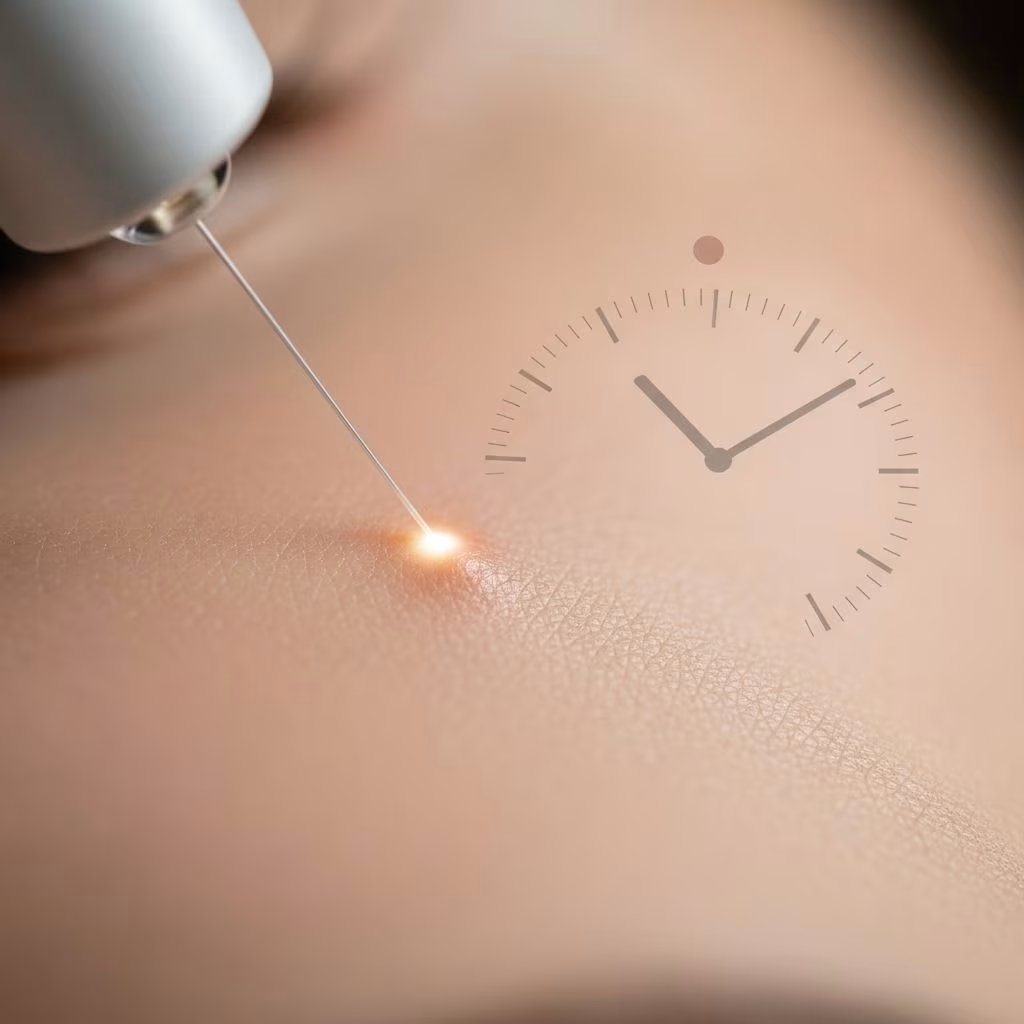
Understanding Acne Spot Treatment
Spot treating acne involves applying targeted medications directly to individual blemishes or problem areas rather than treating the entire face. This approach is commonly used for mild to moderate acne and can include topical antibiotics, benzoyl peroxide, salicylic acid, or prescription retinoids. Understanding when to discontinue these treatments is crucial for maintaining healthy skin and preventing potential side effects.
The primary goal of spot treatment is to reduce inflammation, eliminate bacteria, and promote healing of active breakouts. However, continuing spot treatments indefinitely can lead to skin irritation, antibiotic resistance, and other complications. Recognizing the appropriate time to stop is essential for successful acne management.
Standard Treatment Timelines
Most acne treatments require patience, as results typically don’t appear immediately. The timeline for when to consider stopping spot treatments varies depending on the type of medication and severity of acne.
General Treatment Duration
For topical treatments, most dermatologists recommend giving the medication at least 6-8 weeks to show noticeable improvement. This timeline allows the skin to adjust to the treatment and for the medication to effectively target acne-causing factors. Many patients make the mistake of stopping treatments too early, before the full benefits can be realized.
Complete acne clearance can take several months or even years, depending on the individual case. However, spot treatments are typically used for shorter durations, focusing on active breakouts rather than long-term maintenance.
Prescription Medication Timelines
When using prescription medications for spot treatment, the timeline becomes more structured:
- Topical antibiotics: Should be used for no more than 3-4 months to prevent antibiotic resistance
- Benzoyl peroxide combinations: Can be used longer but may require periodic breaks to prevent excessive drying
- Retinoid treatments: May be used long-term but often transition from spot treatment to maintenance therapy
Key Signs It’s Time to Stop Spot Treating
Recognizing when to discontinue spot treatments requires careful observation of your skin’s response and overall condition. Several key indicators suggest it may be time to stop or modify your approach.
Significant Improvement in Skin Condition
The most obvious sign to consider stopping spot treatments is when your acne has significantly improved or cleared. This doesn’t necessarily mean waiting for 100% clearance, but rather achieving a stable condition where new breakouts are minimal and manageable.
Look for these positive indicators:
- Fewer new breakouts appearing
- Existing blemishes healing faster
- Reduced inflammation and redness
- Improved overall skin texture
Skin Irritation or Adverse Reactions
Continuing spot treatments despite skin irritation can worsen acne and damage the skin barrier. Signs that indicate you should stop or modify your treatment include:
- Persistent redness or burning sensation
- Excessive dryness or peeling
- Development of contact dermatitis
- Increased sensitivity to other skincare products
Plateau in Treatment Response
If your skin condition plateaus and shows no further improvement after 8-12 weeks of consistent use, it may be time to reassess your treatment approach. This could indicate that the current spot treatment has reached its maximum effectiveness for your particular case.
Antibiotic Treatment Duration Guidelines
Antibiotic treatments, whether topical or oral, require special consideration due to the risk of developing antibiotic resistance. Professional guidelines provide clear recommendations for when to stop these treatments.
Oral Antibiotic Timeline
For oral antibiotics used in acne treatment, the standard duration is 3-4 months maximum. This timeframe balances effectiveness with the prevention of antibiotic resistance. At the 6-week mark, healthcare providers typically assess treatment response and may adjust the approach if necessary.
The course typically follows this pattern:
- Weeks 1-2: Initial adjustment period with minimal visible changes
- Weeks 3-6: Gradual improvement should become noticeable
- Weeks 6-12: Continued improvement and assessment period
- Week 12-16: Maximum treatment duration before discontinuation
Topical Antibiotic Considerations
Topical antibiotics used for spot treatment should also be limited in duration, typically 3-4 months. These medications are often combined with benzoyl peroxide to enhance effectiveness and reduce the risk of resistance development.
Preventing Antibiotic Resistance
To minimize the risk of antibiotic resistance, follow these guidelines:
- Use antibiotics in combination with other acne treatments
- Don’t exceed recommended treatment duration
- Complete the full prescribed course even if improvement occurs early
- Attend regular follow-up appointments for monitoring
Transitioning to Maintenance Care
Once spot treatments have achieved their intended results, transitioning to a maintenance approach is crucial for preventing new breakouts and maintaining clear skin.
Maintenance Treatment Options
After discontinuing intensive spot treatments, most people benefit from a maintenance regimen that includes:
- Gentle daily cleansing: Using a mild, non-comedogenic cleanser
- Moisturizing: Maintaining skin barrier function with appropriate moisturizers
- Periodic use of active ingredients: Reduced frequency application of previously effective treatments
- Sun protection: Daily sunscreen use to prevent post-inflammatory hyperpigmentation
Gradual Treatment Reduction
Rather than stopping spot treatments abruptly, consider a gradual reduction approach:
- Reduce application frequency from daily to every other day
- Transition to lower concentration products
- Focus on prevention rather than active treatment
- Monitor skin response during the transition period
Common Mistakes to Avoid
Understanding common mistakes in acne spot treatment can help you make informed decisions about when to stop and how to maintain results.
Stopping Too Early
One of the most frequent mistakes is discontinuing treatment as soon as improvement is noticed. Acne treatments typically require consistent use for several weeks to months to achieve stable results. Stopping too early often leads to a return of breakouts.
Over-Treatment
Conversely, continuing aggressive spot treatments beyond the necessary duration can cause:
- Skin irritation and sensitivity
- Disruption of the skin barrier
- Increased risk of side effects
- Development of treatment resistance
Inconsistent Application
Irregular use of spot treatments can impede progress and make it difficult to determine when stopping is appropriate. Consistency is key to evaluating treatment effectiveness.
When to Seek Professional Guidance
While many people successfully manage mild acne with over-the-counter spot treatments, certain situations require professional evaluation to determine when to stop treatment.
Indications for Professional Consultation
Consider consulting a dermatologist when:
- Acne is moderate to severe
- Over-the-counter treatments haven’t shown improvement after 6-8 weeks
- You’re experiencing significant side effects
- Acne is causing scarring or post-inflammatory hyperpigmentation
- You’re unsure about treatment duration or next steps
Benefits of Professional Monitoring
Healthcare providers can offer valuable guidance on:
- Appropriate treatment duration for your specific case
- Signs that indicate treatment should be modified or stopped
- Alternative treatment options if current approaches aren’t effective
- Strategies for long-term acne prevention
Frequently Asked Questions
Q: How long should I use benzoyl peroxide for spot treating acne?
A: Benzoyl peroxide can be used for extended periods, but for intensive spot treatment, 2-3 months is typically sufficient. After improvement, you can reduce frequency or concentration for maintenance.
Q: What happens if I stop acne treatment too early?
A: Stopping treatment prematurely often leads to a return of breakouts. Most acne treatments require 6-8 weeks minimum to show significant improvement, and maintaining results requires ongoing care.
Q: Can I use spot treatments indefinitely?
A: While some ingredients like benzoyl peroxide can be used long-term, intensive spot treatment should eventually transition to maintenance therapy. Antibiotics specifically should not be used indefinitely due to resistance concerns.
Q: How do I know if my acne spot treatment is working?
A: Look for reduced inflammation, fewer new breakouts, faster healing of existing blemishes, and overall improvement in skin texture. Significant changes typically become noticeable after 6-8 weeks of consistent use.
Q: Should I stop spot treatment if my skin becomes dry or irritated?
A: Mild dryness is common initially, but persistent irritation, burning, or excessive peeling indicates you should reduce frequency or stop treatment. Consider using a gentler formulation or consulting a dermatologist.
Q: What’s the difference between stopping spot treatment and maintenance therapy?
A: Stopping spot treatment means discontinuing intensive, targeted application to active breakouts. Maintenance therapy involves using gentler, less frequent applications of acne-fighting ingredients to prevent new breakouts.
The decision of when to stop spot treating acne requires careful consideration of multiple factors, including treatment duration, skin response, and individual circumstances. By understanding the appropriate timelines, recognizing key indicators, and following professional guidelines, you can effectively transition from active treatment to maintenance care while maintaining healthy, clear skin.
References
- https://www.aad.org/public/diseases/acne/derm-treat/antibiotics
- https://www.nhs.uk/conditions/acne/treatment/
- https://www.mayoclinic.org/diseases-conditions/acne/diagnosis-treatment/drc-20368048
- https://pmc.ncbi.nlm.nih.gov/articles/PMC6715335/
- https://www.aad.org/member/clinical-quality/guidelines/acne
- https://www.aafp.org/pubs/afp/issues/2017/0601/p740.html
- https://www.goodrx.com/conditions/acne/acne-treatment-guide


