


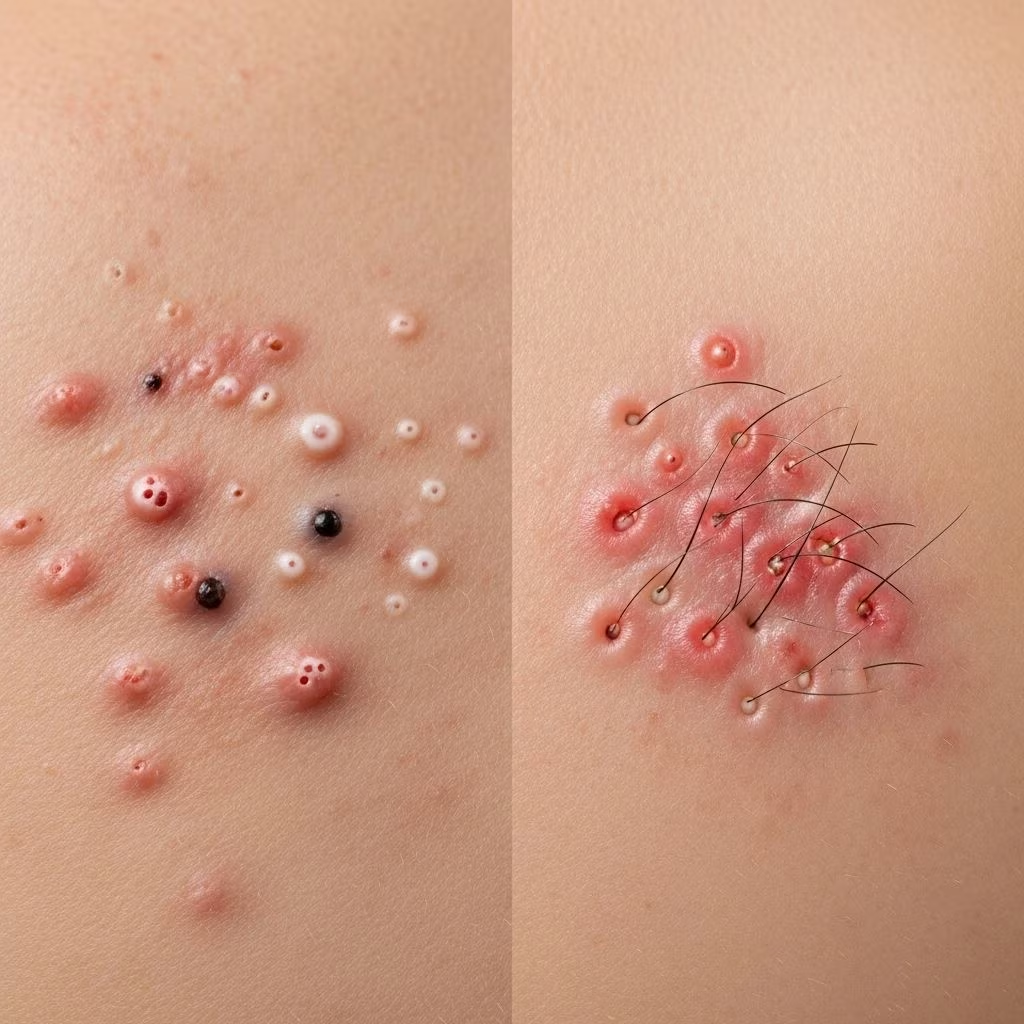
Skin blemishes on the body can be confusing, especially when trying to determine if you’re dealing with body acne or folliculitis. Both conditions can look similar, yet their causes, symptoms, and treatments differ significantly. This article dives deep into the distinctions between body acne and folliculitis, their causes, diagnosis, and the latest targeted treatment options.
What is Body Acne?
Body acne refers to acne vulgaris that appears on areas beyond the face—commonly the chest, back, shoulders, and sometimes buttocks. It originates from the inflammation of sebaceous (oil) glands attached to hair follicles, leading to clogged pores, bacterial overgrowth (notably Propionibacterium acnes), and inflammation. This results in the formation of blackheads, whiteheads, papules, pustules, nodules, and, in severe cases, cysts—similar to facial acne but distributed over larger body surfaces.
The condition is often chronic and is influenced by hormonal fluctuations, genetics, excessive sebum production, and external factors like diet, stress, and certain medications. Body acne is especially common in adolescents and young adults but can persist into adulthood.
What is Folliculitis?
Folliculitis is the inflammation or infection of hair follicles anywhere on the body where hair grows—most frequently the face, scalp, chest, back, arms, thighs, and buttocks. It presents as small, red, often itchy or tender bumps, sometimes with a central pustule that may ooze clear fluid. Unlike acne, folliculitis is typically caused by external factors such as bacteria (especially Staphylococcus aureus), fungi, viruses, yeast (e.g., Pityrosporum), or even physical irritation from shaving, friction, or occlusive clothing.
There are several types of folliculitis, including bacterial, fungal (yeast), and non-infectious (irritant) forms. Recurrence is common, as it depends on the balance of the skin’s microbiome and immune response.
Key Differences Between Body Acne and Folliculitis
While acne and folliculitis can look alike, several features help distinguish between them:
| Feature | Body Acne | Folliculitis |
|---|---|---|
| Cause | Clogged pores, excess oil, P. acnes bacteria, hormonal and genetic factors | Infection (bacteria, fungi, yeast), irritation, or injury of hair follicles |
| Typical Locations | Face, chest, back, shoulders | Any hair-bearing area, often at friction or shaved sites |
| Lesions | Blackheads, whiteheads, papules, pustules, cysts | Red bumps, pustules (often with hair in center), possible follicular rash |
| Associated Symptoms | Oily skin, less itching, more common tenderness or pain | Often itchy, sometimes painful, may spread as a rash |
| Onset & Course | Chronic, often hormonal peaks, responds to acne treatments | Recurrent or triggered by external factors, responds to antimicrobials |
Causes and Risk Factors
Body Acne Causes
Body acne arises from:
- Overactive sebaceous glands producing excess oil
- Clogging of pores by dead skin cells and oil
- Bacterial proliferation, especially P. acnes
- Hormonal changes (puberty, menstruation, stress)
- Genetic predisposition
- Diet and lifestyle factors (high-glycemic foods, dairy, sweating, tight clothing)
Folliculitis Causes
Folliculitis is triggered by:
- Bacterial infections (commonly S. aureus)
- Fungal or yeast infections (e.g., Malassezia, Candida)
- Physical irritation from shaving, waxing, or friction
- Sweating, occlusive clothing, or hot tub use
- Contact with oil or chemicals
- Compromised immune system
Symptoms and Clinical Presentation
Body Acne Symptoms
- Open (blackheads) or closed (whiteheads) comedones
- Red, inflamed papules and pustules
- Nodules and cysts in severe cases
- Distribution on chest, back, shoulders, and sometimes buttocks
- Possible post-inflammatory hyperpigmentation or scarring
Folliculitis Symptoms
- Clusters of red, itchy bumps centered around hair follicles
- Pustules (small pus-filled bumps, sometimes with visible hair)
- Possible pain or tenderness, especially after shaving
- Rash may spread if untreated
- Often more itchy than acne, especially in superficial cases
Diagnosis: How to Know Which One You Have
Accurate diagnosis is essential for effective treatment:
- Physical Examination: Dermatologists assess lesion type, distribution, and associated symptoms. Acne typically features blackheads and whiteheads, while folliculitis is more likely to present as red, itchy bumps directly around hair follicles.
- Medical History: History of shaving, waxing, occlusive clothing, or occupational exposures can suggest folliculitis. Chronic, widespread lesions with comedones suggest acne.
- Microscopy and Cultures: In uncertain cases, scrapings or cultures can identify infectious agents (bacteria, fungus, yeast).
- Response to Treatment: Acne responds to topical retinoids, benzoyl peroxide, and oral antibiotics. Folliculitis may resolve with antimicrobials or antifungals.
Targeted Treatment Approaches
Body Acne Treatment Options
- Topical Treatments: Benzoyl peroxide, salicylic acid, retinoids (e.g., adapalene, tretinoin), and topical antibiotics (e.g., clindamycin).
- Oral Medications: Antibiotics (tetracyclines, macrolides), hormonal therapies (birth control pills, spironolactone), and isotretinoin for severe, resistant cases.
- Procedures: Chemical peels, laser therapy, and extraction by a dermatologist.
- Lifestyle Modifications: Shower after sweating, wear loose clothing, avoid picking or squeezing lesions, and consider dietary changes if relevant.
Folliculitis Treatment Options
- Topical Antibiotics/Antifungals: Mupirocin, clindamycin, or ketoconazole depending on the cause.
- Oral Antibiotics/Antifungals: For widespread or deep infections (e.g., fluconazole for fungal folliculitis, doxycycline for bacterial).
- Warm Compresses & Hygiene: Gentle cleansing, warm compresses, and avoiding further irritation (e.g., shaving until resolved).
- Preventive Measures: Use clean razors, avoid tight clothing, and practice good skin hygiene.
Prevention Strategies
- For Body Acne: Maintain a consistent skincare routine with non-comedogenic products, shower after sweating, avoid harsh scrubbing, and consider dietary modifications if certain foods trigger breakouts.
- For Folliculitis: Shave in the direction of hair growth, use clean razors, avoid occlusive clothing, and keep skin clean and dry. Use antibacterial or antifungal washes if prone to recurrent infections.
- General: Manage stress, avoid picking at lesions, and consult a dermatologist for persistent or severe cases.
Frequently Asked Questions
Q: Can acne and folliculitis occur at the same time?
A: Yes, it’s possible to have both conditions simultaneously, especially if you are prone to both oily skin and follicular irritation or infection.
Q: How can I tell if it’s acne or folliculitis?
A: Acne usually involves blackheads and whiteheads and is associated with oily skin, while folliculitis often presents as itchy, red bumps directly around hair follicles, sometimes after shaving or friction.
Q: Are certain people more at risk for folliculitis?
A: Yes, people who shave frequently, use hot tubs, have diabetes, or have weakened immune systems are more prone to folliculitis.
Q: Can folliculitis be contagious?
A: Some forms of bacterial or fungal folliculitis can spread to others through direct contact or shared items like towels and razors.
Q: How long does it take for treatment to work?
A: Mild cases may resolve within a week with proper treatment. Chronic or severe cases may require several weeks of therapy and preventive care.
Conclusion
Distinguishing between body acne and folliculitis is crucial for selecting the right treatment and achieving clearer skin. While both conditions can cause red, inflamed bumps, their underlying causes differ—acne is rooted in sebaceous gland dysfunction and clogged pores, while folliculitis arises from infection or irritation of hair follicles. Accurate diagnosis by a dermatologist, targeted therapy, and preventive strategies are key to managing these common skin concerns effectively. If you’re unsure about your skin condition or it persists despite treatment, consult a healthcare professional for personalized care.
References
- https://acnetreatmentskincareslc.com/what-is-the-difference-between-folliculitus-and-acne/
- https://drzenovia.com/blogs/skin-journal/is-it-acne-or-folliculitis-skin-stories
- https://fldscc.com/why-folliculitis-gets-confused-with-acne/
- https://pmc.ncbi.nlm.nih.gov/articles/PMC5821164/
- https://qaziclinic.com/resources/folliculitis-and-acne-difference/
- https://www.youtube.com/watch?v=UimULNtcx3M
- https://my.clevelandclinic.org/health/diseases/17692-folliculitis
- https://www.london-dermatology-centre.co.uk/blog/acne-or-not/
- https://rightasrain.uwmedicine.org/well/prevention/body-acne


