


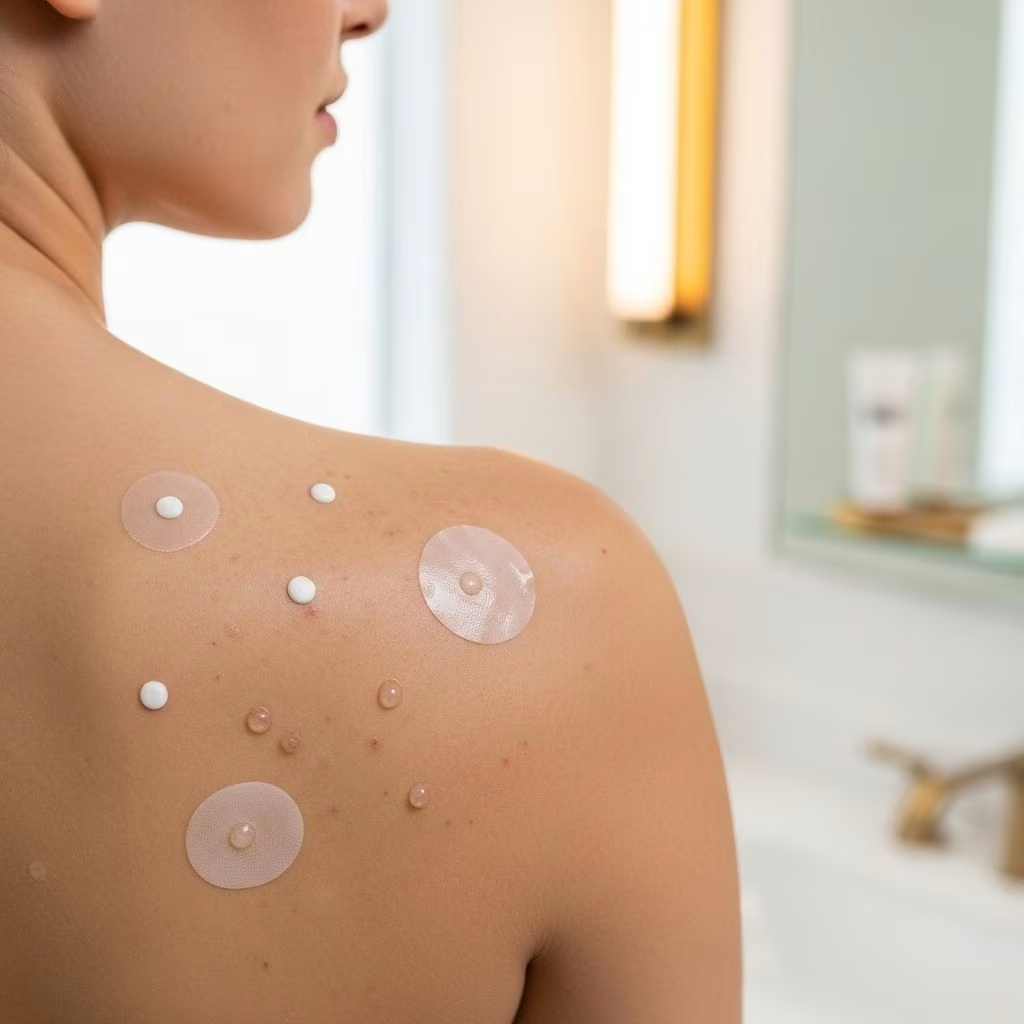
Spot Treatments for Body Acne: The Complete Guide
Body acne, also known as truncal acne, is a common concern affecting millions of people worldwide. Unlike facial acne, it frequently appears on the chest, back, shoulders, and buttocks, causing both physical discomfort and emotional distress. Although many people reach for topical solutions labelled as spot treatments to address sudden flare-ups, the efficacy, safety, and best practices around these treatments require careful consideration. This guide thoroughly examines spot treatments for body acne, explores their optimal usage, highlights alternative and advanced therapies, and provides actionable advice based on expert dermatological insights.
Understanding Body Acne
Body acne is driven by similar mechanisms as facial acne—clogged pores, excess oil production, bacterial overgrowth (Cutibacterium acnes, formerly P. acnes), hormonal influences, and inflammation. Common triggers include:
- Tight clothing that causes friction and traps sweat
- Excessive sweating from exercise or heat
- Genetic predisposition
- Use of heavy lotions or body creams
- Hormonal changes (adolescence, menstruation, pregnancy)
The resulting lesions may be papules, pustules, nodules, or cysts, and can be both unsightly and painful.
What Are Spot Treatments for Body Acne?
Spot treatments are products formulated to be applied directly onto visible pimples, aiming to quickly reduce redness, inflammation, and size of the lesion. Unlike full-body treatments, their effects are localized, offering rapid, targeted action.
- Pimple patches: Hydrocolloid bandages infused with actives to expedite healing
- Topical gels or creams: Typically contain anti-bacterial, anti-inflammatory, or exfoliating agents
- Solutions: Zinc oxide suspension, sulfur masks, or concentrated benzoyl peroxide
These products are widely available over the counter and are valued for convenience and their rapid action on emergent pimples.
Key Ingredients in Effective Spot Treatments
Understanding what powers a spot treatment helps users choose the product that matches their skin’s needs and tolerance:
| Ingredient | Function | Notes |
|---|---|---|
| Benzoyl Peroxide | Kills acne-causing bacteria, reduces inflammation | Concentrations of 2.5%-10% are typical, but higher strengths can cause irritation |
| Salicylic Acid | Exfoliates pores, helps unclog and reduce swelling | Best for comedonal acne (blackheads/whiteheads) |
| Adapalene (OTC retinoid) | Normalizes cell turnover, prevents clogged pores | Milder than prescription retinoids, suitable for sensitive skin |
| Zinc Oxide | Soothes irritation, mild antibacterial effect | Common in overnight spot treatments or pimple patches |
| Sulfur | Drying and anti-inflammatory | Often blended with other actives to reduce harshness |
| Hydrocolloid | Absorbs pus, protects the lesion, accelerates healing | Works best on open or draining pimples |
| Tea Tree Oil | Natural antibacterial, reduces swelling | Can be irritating in high concentrations |
| Topical Antibiotics (e.g., Clindamycin) | Reduce bacterial load and inflammation | Prescription only; risk of resistance if overused |
According to dermatologists, benzoyl peroxide and adapalene are the preferred over-the-counter choices for spot treatment, given their efficacy and tolerability for most skin types.
How to Use Spot Treatments Properly
For best results and lowest risk of irritation, follow these expert steps:
- Cleanse the area gently with a non-comedogenic, fragrance-free body wash
- Pat skin dry before application
- Apply a thin layer of spot treatment only to the visible lesion; avoid adjacent healthy skin
- Allow the treatment to dry before covering with clothing
- Limit frequency to once or twice daily to avoid excessive dryness or irritation
- Do not pick or squeeze pimples, as this increases scarring risk
Limitations & Risks of Spot Treatments
While spot treatments serve a valuable purpose, several drawbacks warrant caution:
- Temporary relief only: They shrink visible pimples but do not prevent future breakouts or address underlying causes.
- Recurrence: New pimples frequently appear in untreated areas, leading to a cycle of breakouts.
- Potential for irritation: Overuse can cause dryness, peeling, burning, and in rare cases, allergic contact dermatitis.
- Cost: Frequent use of OTC spot treatments adds up, and may not be cost-effective compared to routine therapy.
- Development of resistance: When using topical antibiotics, improper application may promote bacterial resistance.
Experts recommend that individuals with recurring or severe body acne combine spot treatments with a more comprehensive regimen, tailored to their unique skin type and triggers.
Full-Face and Full-Body Approach
The majority of dermatologists advocate for treating the entire area prone to acne outbreaks, not just single pimples. This approach can:
- Lower cumulative breakouts and prevent chronic inflammation
- Improve overall skin texture and clarity
- Reduce post-inflammatory hyperpigmentation and scarring
Full-face and full-body therapies commonly include:
- Body washes with benzoyl peroxide or salicylic acid
- Topical retinoids (adapalene, tretinoin)
- Topical antibiotics if infection suspected
- Systemic treatments: Hormonal therapy, oral isotretinoin for severe or resistant cases
A customized regimen combining preventive and acute therapy usually yields the best outcomes, particularly for those with persistent or widespread body acne.
Advanced & Alternative Therapies for Body Acne
For moderate to severe or treatment-resistant body acne, several advanced options are available:
Photodynamic Therapy (PDT)
- Uses topical photosensitizers (e.g., aminolevulinic acid) and specific light wavelengths to destroy sebaceous glands and eliminate P. acnes bacteria
- Promotes significant lesion reduction but may cause temporary redness, swelling, or discomfort post-treatment
Red and Blue Light Therapy
- Blue light: Activates bacterial porphyrins, killing P. acnes with shallow penetration
- Red light: Improves tissue repair and has deeper penetrative effects for anti-inflammation
- Combined use boosts healing for inflammatory lesions
Innovative Topical Agents
- Surfactant oil gel: Shows antibacterial and anti-inflammatory action, targets P. acnes
- Nitric oxide-releasing nanoparticles: Demonstrate immune regulation and reduction in inflammatory acne lesions
Many of these therapies require dermatologist supervision and are reserved for particularly challenging or resistant acne presentations.
Lifestyle Tips for Clearer Skin
Beyond topical and systemic interventions, adopting healthy habits can reduce the risk of breakouts and support ongoing skin clarity:
- Wear loose, breathable clothing (cotton preferred) to reduce irritation
- Shower promptly after sweating, workouts, or heat exposure
- Avoid comedogenic body lotions or sunscreens; opt for “oil-free” and “non-comedogenic” formulas
- Wash bedding and towels regularly to remove oils and bacteria
- Limit friction from backpacks, sports gear, or tight bras
These interventions, especially when combined with targeted medical therapies, foster lasting results for clearer body skin.
Frequently Asked Questions (FAQs)
Q1. Do spot treatments for body acne really work?
A: Spot treatments can shrink visible pimples quickly, providing short-term relief, but often fail to prevent future breakouts because they do not address the underlying causes of acne such as clogged pores and hormonal triggers.
Q2. What’s the main drawback of relying only on spot treatments?
A: Spot treatments isolate individual pimples, leaving untreated areas still prone to new lesions. This can lead to uneven results and recurring breakouts. Dermatologists recommend combining spot treatments with a broader, preventive skincare routine for better success.
Q3. Are there side effects or risks with frequent spot treatment use?
A: Overuse can result in dryness, peeling, burning, and irritation. Some individuals may experience allergic reactions—especially with high-concentration benzoyl peroxide or tea tree oil. Always start with the lowest concentration for your skin type.
Q4. Which ingredients are best in spot treatments?
A: Benzoyl peroxide, salicylic acid, adapalene, and hydrocolloid patches are most frequently recommended by professionals for their efficacy and safety profiles.
Q5. Should I use spot treatments alone for body acne?
A: Ideally, no. Spot treatments should supplement, not replace, full-body or full-face regimens targeting the root causes of acne for more lasting results.
Q6. What about prescription options?
A: For more severe or persistent body acne, prescription topical retinoids (tretinoin), antibiotics (clindamycin), or systemic medications (oral contraceptives, isotretinoin) may be necessary—always under medical guidance.
Q7. Are light or laser therapies effective for body acne spots?
A: Advanced therapies like photodynamic therapy and red/blue light treatments can improve moderate to severe lesions, particularly those not responding to standard topical agents.
Q8. Can pimple patches be used on the body?
A: Yes, hydrocolloid-based pimple patches are safe and effective for inflamed body lesions. They may be larger than facial patches and adapt well to curved skin areas.
Q9. How can I prevent future body acne?
A: Preventive strategies include regular use of medicated body washes, non-comedogenic moisturizers, showering post-exercise, and managing friction from clothing or gear.
Q10. When should I see a dermatologist?
A: If acne is worsening, not responding to OTC treatments, causing scarring, or affecting emotional well-being, consult a dermatologist for a tailored treatment plan and possible prescription therapies.
Summary
Spot treatments play an important but limited role in managing body acne. For optimal results, individuals should combine swift, localized interventions with proven full-body strategies, evidence-based medical therapies, and healthy lifestyle habits. Collaboration with dermatology professionals ensures safe, effective, and sustainable acne management, reducing both the impact and recurrence of lesions for a smoother, healthier complexion.
References
- https://www.mdacne.com/article/hidden-danger-of-acne-spot-treatments
- https://pmc.ncbi.nlm.nih.gov/articles/PMC11266290/
- https://rightasrain.uwmedicine.org/well/prevention/body-acne
- https://www.ama-assn.org/public-health/prevention-wellness/what-doctors-wish-patients-knew-about-acne-treatment
- https://www.mayoclinic.org/diseases-conditions/acne/in-depth/acne-treatments/art-20045814
- https://www.aad.org/public/diseases/acne/diy/adult-acne-treatment
- https://www.webmd.com/skin-problems-and-treatments/acne/body-acne
- https://springstderm.com/a-dermatologists-guide-to-treating-back-acne/


