


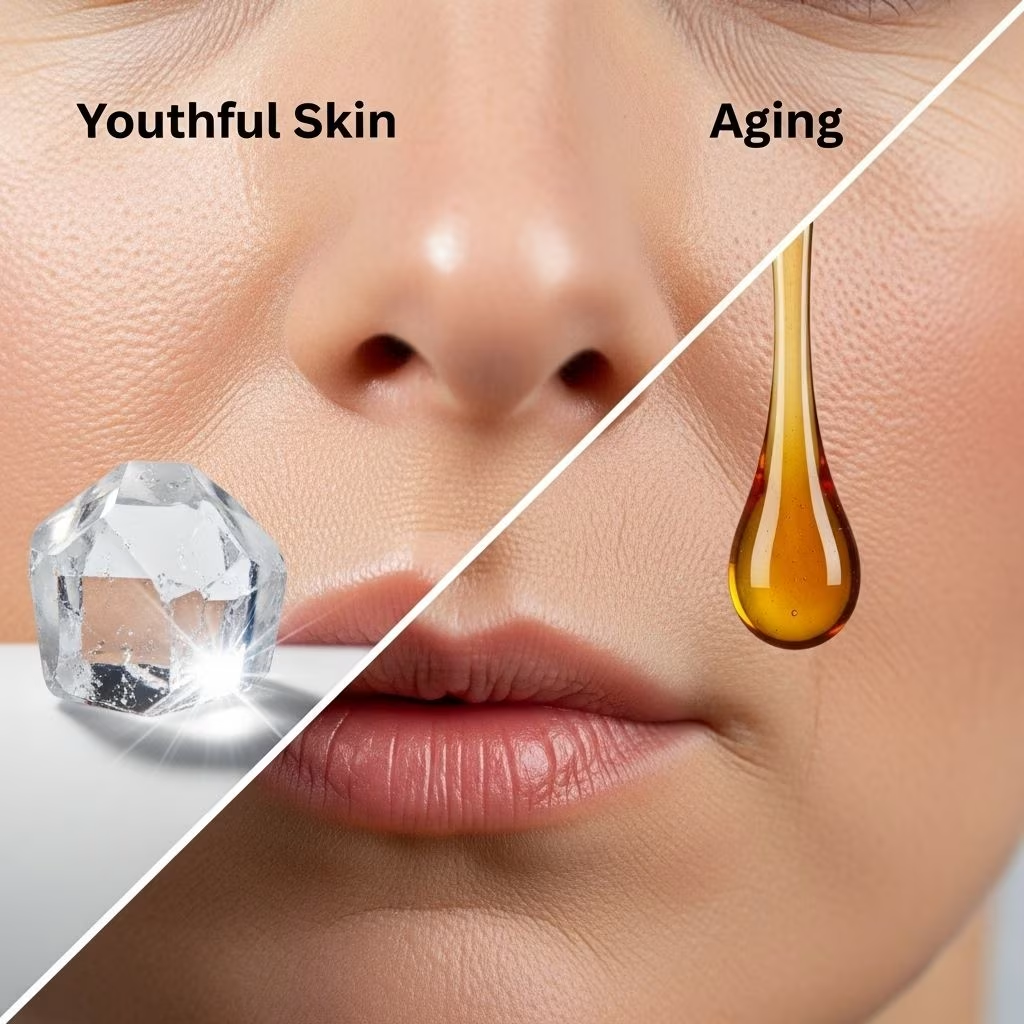
Sugar and Skin Elasticity: Fructose vs. Sucrose
The relationship between dietary sugar and skin health has become a focal point in anti-aging research, especially regarding how sugars such as fructose and sucrose influence skin elasticity and youthfulness. This comprehensive article explores the mechanisms behind sugar-induced skin aging, comparing the distinct effects of fructose and sucrose, and provides strategies to maintain firmer, younger-looking skin.
Introduction: Sugar and Skin Elasticity
Healthy, supple skin depends largely on the integrity of two key proteins: collagen and elastin. These fibers provide skin with its firmness, stretch, and capacity to recover after movement. Sugar, particularly when consumed in excess, has been shown to disrupt the function and structure of these proteins, leading to decreased elasticity and classic signs of aging such as wrinkles, dullness, and sagging.
How Sugar Affects Skin Structure
Sugars interact with skin via a chemical reaction known as glycation. This process occurs when sugar molecules bond non-enzymatically to proteins or lipids. In the skin, glycation predominantly affects collagen and elastin fibers, making them stiff, less flexible, and more prone to damage.
- Collagen: Provides strength and structure to the skin.
- Elastin: Gives skin its ability to stretch and snap back.
- Glycation: Results in cross-linking and hardening of these fibers, impairing their function.
Over time, the accumulation of stiff, glycated proteins can visibly reduce skin’s resilience, leading to increased wrinkling and sagging.
Glycation and Advanced Glycation End Products (AGEs)
Glycation is a naturally occurring but irreversible reaction in which sugar binds to structural proteins in the dermis, converting into advanced glycation end-products (AGEs). AGEs are notorious for their ability to:
- Make collagen and elastin rigid and dysfunctional
- Trigger oxidative stress and inflammation
- Accelerate the aging of the skin (including wrinkles and yellowing)
Researchers have found that AGEs accumulate in the skin with age and can be accelerated by external factors such as UV radiation and poor dietary habits.
Timeline of Glycation Impact
- Begins early in life
- Clinical manifestations (e.g., wrinkling, loss of firmness) usually appear after age 30
- Continues to progress as AGEs accumulate and proteins degrade
Fructose and Its Effects on Skin Elasticity
Fructose, a monosaccharide found in fruits and used as a component in high-fructose corn syrup, plays a particularly active role in glycation. Studies indicate that fructose forms AGEs even more rapidly than glucose.
- Fructose is a reducing sugar, making it highly reactive in glycation pathways.
- AGEs formed by fructose are chemically more aggressive in promoting collagen cross-linking and fiber stiffening.
- This rapid glycation leads to earlier and more pronounced loss of elasticity and increased formation of wrinkles in skin exposed to high levels of fructose.
While some fructose intake is unavoidable, high consumption—such as from sweetened beverages, processed foods, and desserts—can amplify skin aging risks.
Key Findings on Fructose Glycation
- Fructose-derived AGEs form several times faster than those from glucose or sucrose.
- May contribute to the advanced fragmentation of collagen in skin, impairing healing and regeneration, especially in diabetic individuals.
Sucrose and Skin Aging
Sucrose—the familiar table sugar—is composed of glucose and fructose molecules. Upon digestion, sucrose is broken down into these two monosaccharides, each participating in glycation reactions, yet not all sugars behave identically.
- Sucrose’s contribution to skin aging is indirect: it must first be cleaved into glucose and fructose before participating in glycation.
- The glycation potential depends on how rapidly the body’s enzymes break sucrose down and how much enters circulation at one time.
- Compared to fructose, sucrose does not drive glycation as rapidly or aggressively—but its combined glucose and fructose content still poses a significant risk for AGEs formation.
High-sucrose diets have been associated with general increases in blood sugar, predisposing individuals to accelerated skin glycation and loss of elasticity over time.
Comparing Fructose and Sucrose: Which Is Worse for Your Skin?
| Sugar Type | Chemical Structure | AGE Formation Speed | Impact on Skin Elastin/Collagen | Main Dietary Sources |
|---|---|---|---|---|
| Fructose | Monosaccharide | Very Rapid | Accelerated stiffness, fragmentation, and loss of elasticity | Fruits, honey, high-fructose corn syrup, sweetened drinks |
| Sucrose | Disaccharide (glucose + fructose) | Moderate (after breakdown) | Contributes through both glucose and fructose pathways | Table sugar, desserts, baked goods, processed foods |
Most research confirms that fructose, due to its rapid and more aggressive glycation properties, is more detrimental to skin elasticity than sucrose when consumed in excess.
External Factors: UV, Lifestyle, and Diabetes
Sugar is not the sole culprit in skin aging. The cumulative impact of other environmental and health factors can accelerate glycation and skin deterioration:
- UV radiation: Intensifies glycation and AGEs buildup in skin, compounding the effects of dietary sugar.
- Smoking and Air Pollution: Both amplify internal oxidative stress, increasing glycation-driven inflammation and protein damage.
- Diabetes: Chronic high blood glucose leads to systemic and skin-specific glycation effects. Diabetic patients exhibit more fragmented collagen, impaired healing, and marked loss of elasticity.
Lifestyle choices—such as poor diet, lack of sun protection, and smoking—can dramatically impact how quickly sugars damage your skin.
Visual Signs of High Glycation Impact
- Wrinkles and fine lines
- Sagging and loss of firmness
- Dull, yellowish or hardened appearance (due to AGEs pigment)
Prevention and Protective Strategies
Can you prevent or undo sugar-induced skin aging? While glycation is irreversible, several strategies can significantly slow its progression and minimize damage:
- Limit intake of added sugars: Reduce consumption of sweetened drinks, desserts, and processed foods.
- Choose complex carbohydrates: Whole grains, vegetables, and legumes release sugars more slowly, providing less substrate for rapid glycation.
- Antioxidant-rich diet: Vitamins C and E, polyphenols (found in berries, green tea, and spices) may help neutralize free radicals produced during glycation.
- Use sun protection: Minimize UV-induced glycation by wearing sunscreen or protective clothing.
- Regular skin care: Moisturizers and topical ingredients that support collagen production are beneficial.
- Avoid smoking and environmental pollutants: These factors accelerate skin aging synergistically with sugar intake.
Emerging research is also exploring active compounds that can inhibit glycation or protect skin proteins from its effects.
Novel Anti-Glycation Ingredients
- Recent advances include patented anti-glycation agents proven to shield skin from collagen cross-linking and enhance resilience.
- Natural extracts (e.g., brown algae, pomegranate, cinnamon) show promise in inhibiting glycation and promoting healthier skin structure.
Frequently Asked Questions (FAQs)
Q: Can limiting sugar in my diet visibly improve my skin?
A: Reducing dietary sugars can slow the formation of AGEs, helping to preserve collagen and elastin integrity. While it cannot reverse existing glycation damage, it may reduce further loss of elasticity, dryness, and wrinkling.
Q: Are the effects of fructose on skin worse than those of sucrose?
A: Yes, fructose participates in glycation more rapidly than sucrose (which is metabolized into fructose and glucose). High-fructose diets have a more aggressive impact on collagen and elastin cross-linking.
Q: How do AGEs make skin look older?
A: AGEs make collagen stiff and fragmented, leading to visible wrinkles, fine lines, loss of firmness, and a yellowish or dull appearance over time.
Q: Is sugar the only dietary factor contributing to skin aging?
A: No. Sun exposure, smoking, pollution, and genetics also play major roles, although dietary sugar is a modifiable factor that can be controlled.
Q: Are there products that help prevent sugar-induced skin aging?
A: Yes. Some anti-aging products feature patented anti-glycation ingredients. Routine use of antioxidants and collagen-boosting skincare may offer additional protection.
Conclusion
The integrity of skin’s collagen and elastin can be significantly compromised by high sugar intake, especially from rapidly glycation-inducing sugars such as fructose. Although sucrose and fructose both participate in glycation, fructose is more potent and accelerates the loss of skin elasticity more aggressively. Adopting low-sugar dietary strategies, choosing complex carbohydrates, protecting your skin from UV radiation, and using advanced anti-glycation skincare can mitigate the aging impacts of sugar, helping your skin stay firmer, bouncier, and younger for longer.
References
- https://www.beiersdorf.com/newsroom/press-information/all-press-releases/2024/04/22-pioneering-anti-aging-innovation-with-a-new-active-ingredient-targeting-sugar-induced-skin-aging
- https://pubmed.ncbi.nlm.nih.gov/20620757/
- https://pmc.ncbi.nlm.nih.gov/articles/PMC9655929/
- https://www.isdin.com/us/blog/skincare/moisturizers/whats-glycation-and-how-to-fight-it/
- https://www.unitypoint.org/news-and-articles/the-link-between-sugar-and-aging
- https://wsro.org/sugars-health/skin-health-and-dietary-sugars
- https://onlinelibrary.wiley.com/doi/10.1111/jocd.16295


