


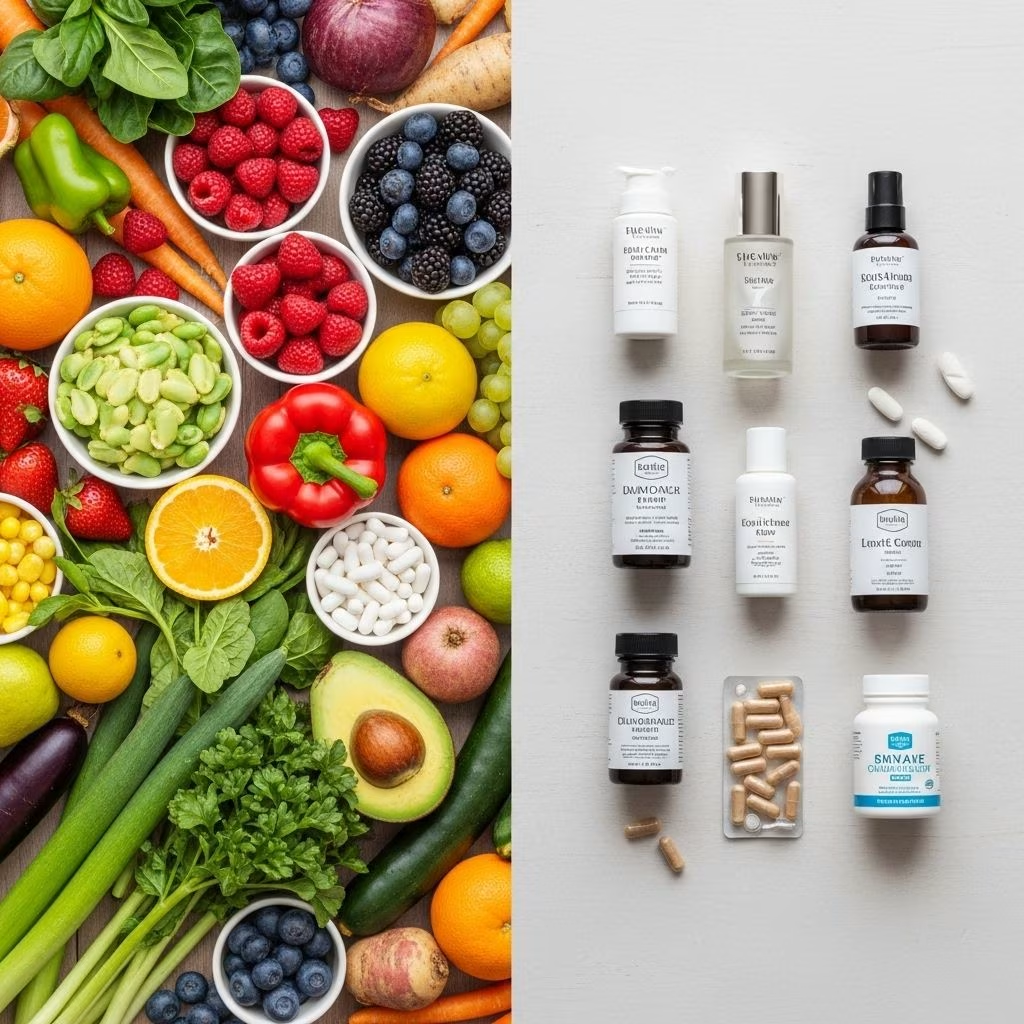
A vegan diet has surged in popularity due to ethical, environmental, and health reasons. But what does cutting out all animal products mean for your skin? This comprehensive guide examines the scientific evidence for how a vegan lifestyle impacts skin health, explores the benefits and risks, and pinpoints key supplements that can help prevent deficiencies for those striving for radiant, healthy skin.
Vegan Diet: The Basics
A vegan diet excludes all animal-derived foods, including meat, dairy, eggs, and often honey. Instead, it focuses on foods such as:
- Fruits and vegetables
- Legumes (beans, lentils, chickpeas)
- Whole grains (quinoa, brown rice, oats)
- Nuts and seeds
- Plant-based oils
Motivations for choosing a vegan diet often include animal welfare concerns, environmental sustainability, and potential health benefits, such as lower rates of chronic diseases.
The Skin and Nutrition Connection
Skin is the body’s largest organ, serving as a barrier, immune defense layer, and a visible reflection of internal health. Nutrient intake plays a fundamental role in skin structure, function, and appearance. Deficiencies or imbalances can manifest in problems including dryness, premature aging, blemishes, and inflammatory disorders.
Key nutrients affecting skin health include:
- Vitamins (A, C, D, E, and B12)
- Minerals (zinc, iron, selenium)
- Essential fatty acids (especially omega-3s)
- Antioxidants (polyphenols, carotenoids, phytochemicals)
- Protein (for tissue repair and collagen synthesis)
Benefits of a Vegan Diet for Skin Health
A well-balanced vegan diet can provide many skin benefits, primarily due to its emphasis on whole, nutrient-rich plant foods. Some of the most significant advantages include:
1. High Antioxidant Content
Plant-based diets are rich in antioxidants such as Vitamin C, Vitamin E, beta-carotene, polyphenols, and numerous phytochemicals. These nutrients help protect the skin from oxidative stress, reduce signs of premature aging like wrinkles and dark spots, and may improve overall skin radiance.
Fruits and vegetables in a vegan diet can provide up to 33 times more antioxidants than animal-based foods.
2. Reduced Dairy Intake: Lowered Risk of Acne
Research consistently links dairy consumption—especially low-fat/skim milk—to higher rates of acne and skin congestion. By eliminating dairy, a vegan diet may help decrease breakouts and inflammation in sensitive individuals.
3. Anti-Inflammatory Effects
Many plant foods provide anti-inflammatory compounds that can soothe inflammatory skin conditions like acne, atopic dermatitis (eczema), psoriasis, and hidradenitis suppurativa. Fiber, polyphenols, and phytonutrients found in these foods help regulate immune responses and calm skin irritation.
4. Improved Lifestyle Practices
Adoption of a vegan lifestyle often coincides with other healthy behaviors: increased water intake, higher levels of physical activity, and emphasis on fresh, whole foods. These changes cumulatively support cleaner, brighter, and healthier-looking skin.
5. Possible Protection Against Chronic Skin Conditions
Several studies suggest that a vegan diet may reduce the risk or severity of:
- Psoriasis
- Atopic dermatitis (eczema)
- Acne vulgaris
This protection comes from the overall decrease in systemic inflammation and improvement in gut-skin axis health.
Potential Risks: Nutritional Deficiencies and Skin Issues
While the upsides are considerable, a restrictive vegan diet can present risks for skin health if not carefully planned. The most notable concerns revolve around nutrient deficiencies that can affect the skin’s function and appearance.
| Nutrient | Role in Skin Health | Risks When Deficient | Vegan Food Sources |
|---|---|---|---|
| Vitamin B12 | Cell replication, pigmentation, wound healing | Hyperpigmentation, eczema, slow healing, mouth sores | Fortified foods, supplements |
| Omega-3 Fatty Acids (EPA, DHA) | Hydration, barrier function, anti-inflammation | Dryness, loss of elasticity, increased inflammation | Flaxseeds, chia seeds, walnuts, algae oil |
| Zinc | Skin renewal, wound healing, acne prevention | Dermatitis, acne, slow healing | Pumpkin seeds, legumes, whole grains, supplements |
| Iron | Oxygen delivery, glow, healing | Pale skin, dark circles, dryness | Legumes, spinach, quinoa, fortified cereals |
| Vitamin A | Cell turnover, sebum regulation | Dry, scaly skin, impaired healing | Carrots, sweet potatoes, green leafy vegetables |
| Protein | Tissue repair, collagen, structure | Brittle skin, decreased elasticity, slower recovery | Legumes, tofu, tempeh, seitan, quinoa |
Common Deficiencies and How They Affect Skin
- Vitamin B12: Essential for DNA synthesis and cell reproduction. Deficiency leads to hyperpigmentation, angular cheilitis (mouth sores), eczema, and slow wound healing. Only reliably available through fortified foods and supplements in vegan diets.
- Omega-3 Fatty Acids: Vital for hydration, elasticity, and reducing inflammation. Plant sources contain alpha-linolenic acid (ALA), which converts inefficiently to EPA and DHA—the forms used by the body. Algae-based supplements can help bridge the gap.
- Zinc: Supports immune response and wound healing. Deficiency may result in dermatitis and acne-like eruptions. While found in plant foods, absorption can be lower; supplements may be necessary for some individuals.
- Iron: Required for hemoglobin production and skin glow. Non-heme iron from plants is less readily absorbed, but combining with Vitamin C-rich foods can improve absorption.
- Vitamin A: Precursor beta-carotene is present in many plant foods, but conversion varies by individual. Severe deficiency is rare but possible with extreme dietary restriction.
Other Considerations
- High Glycemic Load: Reliance on simple carbs (white rice, potatoes, white bread) may cause blood sugar spikes, increased oil production, and breakouts, especially if the vegan diet lacks variety and whole foods.
- Low Protein Intake: Not consuming enough high-quality plant protein can delay wound healing and affect skin’s firmness. Balance across pulses, tofu, tempeh, and pseudocereals like quinoa is crucial.
- Vitamin D: Usually obtained from sun exposure and fortified plant milks; deficiency can affect skin immune function.
Essential Supplements for Skin Health on a Vegan Diet
To ensure optimal skin health, certain supplements are recommended for vegans and those primarily on a plant-based diet:
- Vitamin B12: Critical for health; always supplement with either a daily or weekly dose as recommended.
- Algae-based Omega-3 (EPA/DHA): Important for skin hydration, elasticity, and inflammation mitigation.
- Vitamin D: Especially in winter months or for those with minimal sun exposure. Choose D2 or vegan D3 (from lichen).
- Zinc: Consider a supplement if levels are low or if experiencing chronic skin issues.
- Iron: Supplementation may be needed for those with documented deficiency. Take with Vitamin C for better absorption.
- Protein powders: Useful for those struggling to meet protein needs via food alone, especially in physically active individuals.
Tips for Healthy Skin While on a Vegan Diet
- Eat a varied, whole-food plant-based diet: Focus on a colorful mix of fruits, vegetables, legumes, grains, nuts, and seeds.
- Avoid reliance on processed vegan foods with high sugar and refined carbs.
- Include sources of healthy fats: Avocados, nuts, seeds, and plant oils support cell membrane integrity and skin barrier function.
- Monitor your nutrient status: Periodic blood tests for B12, vitamin D, iron, and zinc help ensure adequacy.
- Pair non-heme iron sources with vitamin C-rich foods to maximize absorption.
- Hydrate with adequate fluids.
- Supplement as needed, especially vitamin B12, omega-3s, and vitamin D.
Frequently Asked Questions (FAQs)
Q: Does going vegan automatically improve skin health?
A: Not automatically. Benefits are most pronounced with a balanced, well-planned diet rich in whole plant foods. Poorly planned vegan diets can lead to deficiencies or high glycemic intake, which may negatively affect skin.
Q: Can a vegan diet help with acne?
A: Cutting out dairy and increasing antioxidants may help reduce acne for some individuals. However, consuming too many high-glycemic vegan foods can contribute to breakouts. Balanced plant-based diets tend to be most beneficial.
Q: Which nutrients should vegans supplement for healthy skin?
A: Vitamin B12, omega-3s (EPA/DHA), vitamin D, and possibly zinc and iron if blood tests indicate deficiency.
Q: Are vegan diets risky for skin health?
A: The risk of skin problems due to nutritional deficiency on a vegan diet is low if it is well-balanced. Most deficiencies arise due to poor dietary planning, not the diet itself.
Q: How can vegans ensure enough omega-3s for skin health?
A: Relying only on plant sources like flaxseed, chia seeds, and walnuts gives ALA, which converts poorly to EPA and DHA. Algae-based omega-3 supplements are recommended to ensure optimal intake.
Conclusion
When thoughtfully planned, a vegan diet offers significant skin benefits, including higher antioxidant intake, reduced exposure to skin-troubling dairy, and anti-inflammatory advantages. However, being mindful of potential deficiencies in B12, omega-3s, iron, zinc, and vitamin D is essential. By eating a nutrient-dense, diverse diet and utilizing proper supplements, vegans can enjoy not only the ethical and health rewards of plant-based living but also vibrant, healthy skin.
References
- https://iconic-elements.com/en/veganism-what-are-the-pros-and-cons-for-your-skin/
- https://pmc.ncbi.nlm.nih.gov/articles/PMC10531971/
- https://www.businessinsider.com/vegan-diet-skin-benefits-2018-7
- https://curology.com/blog/is-there-a-link-between-the-vegan-diet-and-acne/
- https://pmc.ncbi.nlm.nih.gov/articles/PMC10343921/
- https://www.news-medical.net/news/20230912/Vegan-diets-and-skin-inflammatory-disorders-whats-the-link.aspx
- https://www.nhs.uk/live-well/eat-well/how-to-eat-a-balanced-diet/the-vegan-diet/


