


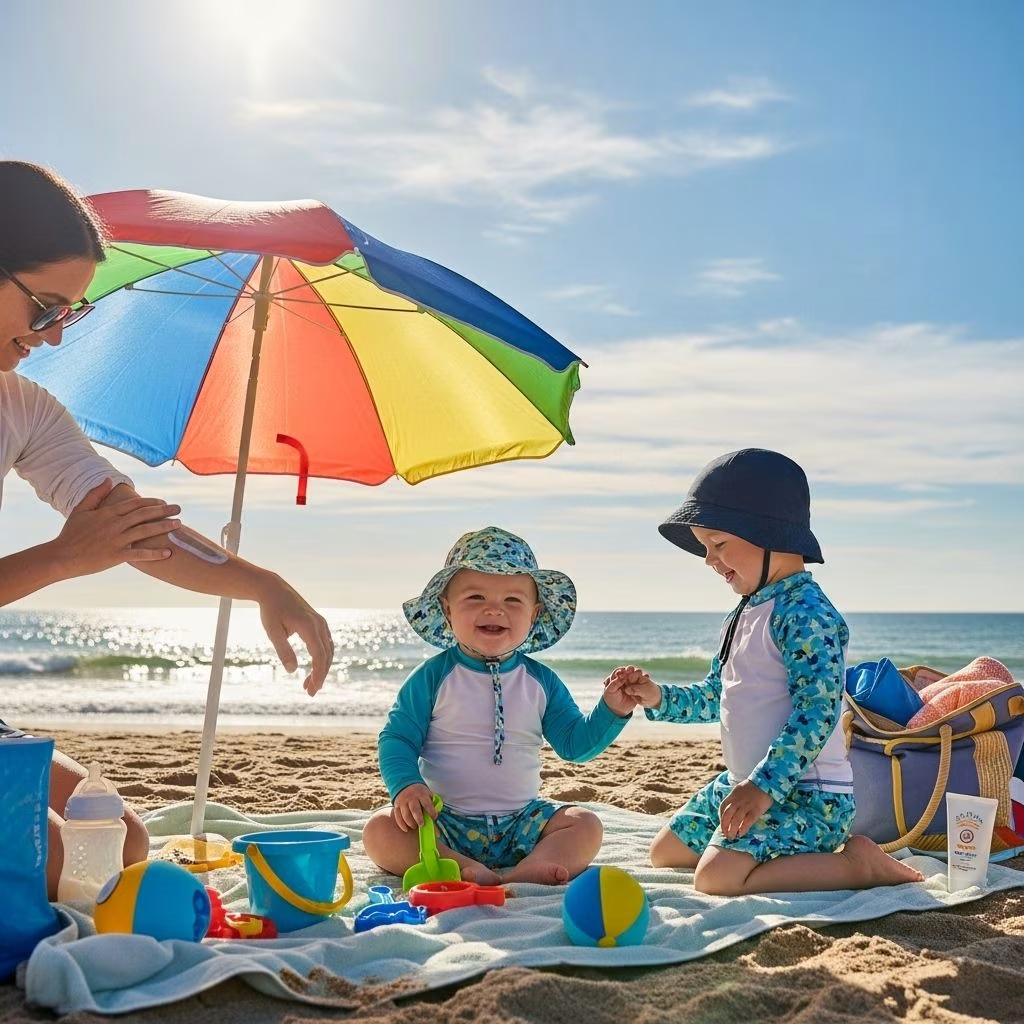
Parents of infants and toddlers face a unique challenge: safeguarding their children’s delicate, developing skin from the risks of sun exposure. Early, careful sun protection isn’t just about preventing discomfort from sunburn. It lays the foundation for healthy skin and can significantly reduce the long-term risk of skin cancer, including melanoma, later in life. This comprehensive guide provides vital information and actionable steps for families to confidently enjoy sunshine while minimizing risk.
Why Sun Protection Matters for Infants and Toddlers
Sun safety is not just a summer concern—it is a daily essential for young children. Infants and toddlers have thinner, more sensitive skin than adults, making them significantly more susceptible to both immediate sunburn and long-term damage such as skin cancer.
- One blistering sunburn in childhood can nearly double the risk of developing melanoma in later life.
- 90% of non-melanoma skin cancers and 86% of melanomas are associated with solar ultraviolet (UV) exposure.
- Early sun protection habits lead to a lifetime of healthier skin and lower cancer risk.
Understanding the Unique Risk to Young Children
Babies and toddlers lack the protective melanin content found in older children and adults. Their skin burns quickly, even after brief exposure, and their body temperature regulation is underdeveloped, making heat-related illnesses more likely.
- Infants under 12 months should never be exposed to direct sun when UV levels are 3 or higher.
- Sunburn isn’t just uncomfortable—it can cause fever, dehydration, and even heatstroke.
- The most intense UV radiation typically occurs between 11 am and 3 pm, even on cloudy days.
Core Sun Safety Principles for Infants and Toddlers
Adopting a layered approach offers the best defense against UV rays. This involves a combination of sheltering, appropriate clothing, and sunscreen when developmentally suitable.
- Infants under 6 months: Avoid sunscreen. Use shade, clothing, hats, and physical barriers.
- Children over 6 months: Use sun-protective clothing and hats; apply broad-spectrum, water-resistant sunscreen to exposed areas.
- Limit time outdoors during peak UV hours (11 am–3 pm).
- Ensure adequate hydration to prevent heat stress.
Consistency in these measures creates effective protection for young, vulnerable skin.
Choosing Protective Clothing and Gear
The right clothing is the first line of defense. It is comfortable, easy to use, and highly effective in blocking harmful rays.
- Long-sleeved, lightweight shirts and pants: Opt for tight weaves or clothing with a UPF (Ultraviolet Protection Factor) label.
- Wide-brimmed hats: These protect the face, neck, and ears—areas prone to sunburn.
- UV-protective sunglasses: Choose sunglasses with labels indicating 100% UVA and UVB protection.
- Light, breathable socks and shoes to protect sensitive feet.
A quick check: Hold fabrics up to the light. If you can see through them, UV rays can too.
Sun-Protective Clothing vs. Regular Clothing
| Sun-Protective Clothing (UPF) | Regular Lightweight Clothing |
|---|---|
| Blocks up to 98% of UV rays | May block under 50% of UV rays depending on weave |
| Labeled with a UPF rating (e.g., 30 or 50+) | Often lacks any UV-performance labeling |
| Made of tightly woven synthetic fibers | Typically natural or blended fibers |
| Designed for comfort and quick drying | Not specialized for moisture wicking or temperature regulation |
Shade Strategies: Creating Safe Outdoor Environments
Shade is among the most effective and accessible ways to shield children from UV rays, especially those under 6 months of age.
- Stroller sunshades and canopies: Always extend these when outdoors. Never drape blankets or towels directly over strollers, as this can reduce airflow and cause overheating.
- Portable umbrellas or canopies: Provide instant shade for sitting or play areas.
- Seek natural shade: Trees, awnings, and park shelters offer broad, cooling protection.
- Avoid direct sun especially during mid-day hours.
All About Sunscreen: Usage Guidelines
Sunscreen is essential for children over 6 months, but should be minimized or avoided when possible in those younger. When used appropriately, it can dramatically lower the risk of sunburn and skin cancer.
- Babies under 6 months: Avoid sunscreen unless protective shade and clothing are unavailable, in which case a small amount of broad-spectrum (UVA & UVB), mineral-based sunscreen (zinc oxide or titanium dioxide) can be applied to limited areas (e.g., face, back of hands).
- Babies and toddlers over 6 months: Apply a broad-spectrum, water-resistant sunscreen with an SPF of 30 or higher (preferably SPF 50+).
- Preferred formulas: Mineral-based (zinc oxide or titanium dioxide) are less likely to irritate sensitive skin.
- Application tips:
- Apply sunscreen 20 minutes before sun exposure.
- Cover all exposed areas, including the tops of the feet, backs of the hands, ears, and neck.
- Reapply every two hours or immediately after swimming or excessive sweating.
- Avoid sprays; creams offer more reliable coverage and less inhalation risk for young children.
Never rely on sunscreen alone—clothing and shade matter most.
Timing and Minimizing Sun Exposure
Young children should spend as little time as practical outside when sunlight is strongest. Use the following strategies:
- Plan outdoor time before 11 am or after 3 pm, when UV radiation is lower.
- Check daily UV indexes using weather services. When the index is 3+, rigorous protection is crucial, and infants should stay indoors if possible.
- Never leave infants or toddlers unattended in the sun or in vehicles, even for brief periods.
Hydration and Heat Safety
It’s not just sunburn that poses dangers—heat stress is a major risk for young children, whose glands and temperature regulation are immature.
- Offer fluids frequently. Breastmilk or formula is best for infants; water or child-friendly drinks for toddlers.
- Dress children in lightweight, loose clothing to prevent overheating.
- Monitor for irritability, flushed skin, or excessive crying—these are signs of overheating.
- Never cover strollers or prams with heavy blankets; use purpose-designed sunshades instead.
Recognizing and Responding to Overexposure
Despite best efforts, overexposure can happen. Act promptly if you notice any of the following signs:
- Mild sunburn: Red skin, fussiness
- Severe sunburn: Blistering, fever, lethargy
- Dehydration or heat illness: Less frequent urination, dry mouth, listlessness, rapid breathing
For mild sunburn, apply cool compresses to affected areas and keep the child out of sunlight. For more severe symptoms, seek medical attention promptly.
Building Lifelong Sun-Safe Habits
Sun-safe routines taught early are more likely to become lifelong, protective habits.
- Model healthy sun behaviors as a family: wear hats, sunglasses, use sunscreen, and seek shade together.
- Teach children, as they grow, why sun safety matters and involve them in fun ways (picking out sun hats, applying sunscreen as a game).
- Discuss risks during seasonal transitions when sun safety might be forgotten (spring, autumn vacations, winter sports at altitude).
Frequently Asked Questions (FAQs)
Q: Can babies under 6 months wear sunscreen?
A: Sunscreen is not generally recommended for babies younger than 6 months because of their sensitive skin. When avoiding the sun isn’t possible, a tiny amount of mineral-based sunscreen may be applied to small areas like the face or back of the hands.
Q: How do I choose a good sunscreen for my toddler?
A: Select a broad-spectrum, water-resistant sunscreen with an SPF of 30 or higher—preferably SPF 50+ for extra protection—and choose mineral-based products with zinc oxide or titanium dioxide for sensitive skin.
Q: Is shade enough to protect my baby?
A: Shade is critical, especially for young infants. However, UV rays can reflect from surrounding surfaces, so combine shade with clothing, hats, and limited sunscreen if appropriate.
Q: What do I do if my baby or toddler gets sunburned?
A: Move your child to a shaded area immediately, offer fluids, and apply cool compresses to affected skin. If the child has blisters, fever, or seems very unwell, seek medical care right away.
Q: Do dark-skinned children need sun protection?
A: Yes. While darker skin provides some natural protection, it does not prevent all sun damage or fully eliminate skin cancer risk. All children benefit from robust sun safety routines.
Resources for Sun Safety
- American Academy of Dermatology: Guidelines for Sun Protection
- Cancer Council (Australia): SunSmart Tips for Children
- Centers for Disease Control and Prevention: Sun Safety for Babies and Kids
- National Health Service (UK): Sun Safety Advice for Parents
- Skin Cancer Foundation: UV Index and Sunscreen Finder Tools
References:
- American Academy of Dermatology, “Infant Sun Protection”
- First Chance for Children, “5 Tips to Practice Sun Safety with Young Children”
- Pediatric Health Care Alliance, “Summer Safety Tips—Sun and Water”
- NHS, “Keeping your baby safe in the sun”
- Skin Cancer Institute, “Sun Safety for Kids”
- HealthyChildren.org, “Sun Safety Information for Parents”
- Nemours KidsHealth, “Sun Safety”
- Cancer Council NSW, “Sun Protection for Babies and Children”
- Royal Children’s Hospital, “Kids Health Info: Sun Safety”
References
- https://www.aad.org/media/news-releases/the-first-steps-of-sun-protection-how-to-keep-your-baby-safe
- https://firstchanceforchildren.org/5-tips-to-practice-sun-safety-with-young-children/
- https://pedialliance.com/summer-safety-tips-sun-and-water
- https://www.nhs.uk/baby/first-aid-and-safety/safety/safety-in-the-sun/
- https://azskincancerinstitute.org/sci/outreach/hats-on
- https://www.healthychildren.org/English/safety-prevention/at-play/Pages/Sun-Safety.aspx
- https://kidshealth.org/en/parents/sun-safety.html
- https://www.cancercouncil.com.au/cancer-prevention/sun-protection/preventing-skin-cancer/sun-protection-for-babies-and-children/
- https://www.rch.org.au/kidsinfo/fact_sheets/Sun_safety/


